How to Make Your Stainless Steel Pots Shine Like New and Choose Sweet, Juicy Oranges
Tips 02/12/2025 23:23
According to nutrition specialists, fatty liver disease does not arise solely from consuming excessive fat. It is strongly linked to an imbalanced diet, chronic stress, lack of sleep, minimal physical activity, and increased oxidative stress within the body. Therefore, to address visceral fat accumulation—especially fat stored in the liver—you need to combine a healthy lifestyle with a mindful, well-balanced daily diet.
Surprisingly, most people with fatty liver disease show no obvious symptoms. Nearly 80% of cases are discovered accidentally during routine health checkups. Some individuals may experience vague digestive discomfort, including upper-abdominal heaviness, dull pain, loss of appetite, fatigue, bloating, nausea, or mild discomfort. Others may develop liver enlargement or abnormalities in liver enzyme levels.
Experts emphasize that the main drivers behind fat buildup in the liver include irregular eating habits, insufficient physical activity, poor sleep quality, and long-term stress—all factors that weaken the body’s natural antioxidant defenses.
To gradually gain control over fatty liver, you should follow three core principles:
Maintain a balanced diet,
Manage your weight, and
Increase physical activity consistently.
Alongside these essential steps, nutrition experts recommend 10 foods that can help reduce liver fat and support overall liver health.

Scientific studies show that drinking coffee regularly can help lower liver enzyme levels—an important indicator linked to liver inflammation and damage. When liver enzymes are kept within normal limits, the progression of fatty liver disease is significantly reduced.
Coffee is also rich in antioxidants such as caffeine and polyphenols, which help counteract oxidative stress and protect liver cells. Some research even suggests that coffee may improve fat and carbohydrate metabolism, thereby promoting fat burning and preventing the buildup of excess fat.
How to consume it wisely: Limit your intake to no more than two large cups of Americano per day (around 480 ml each). Overconsumption of caffeine can trigger dizziness, anxiety, or insomnia. Most health guidelines recommend keeping caffeine intake within 300–400 mg per day depending on individual sensitivity.
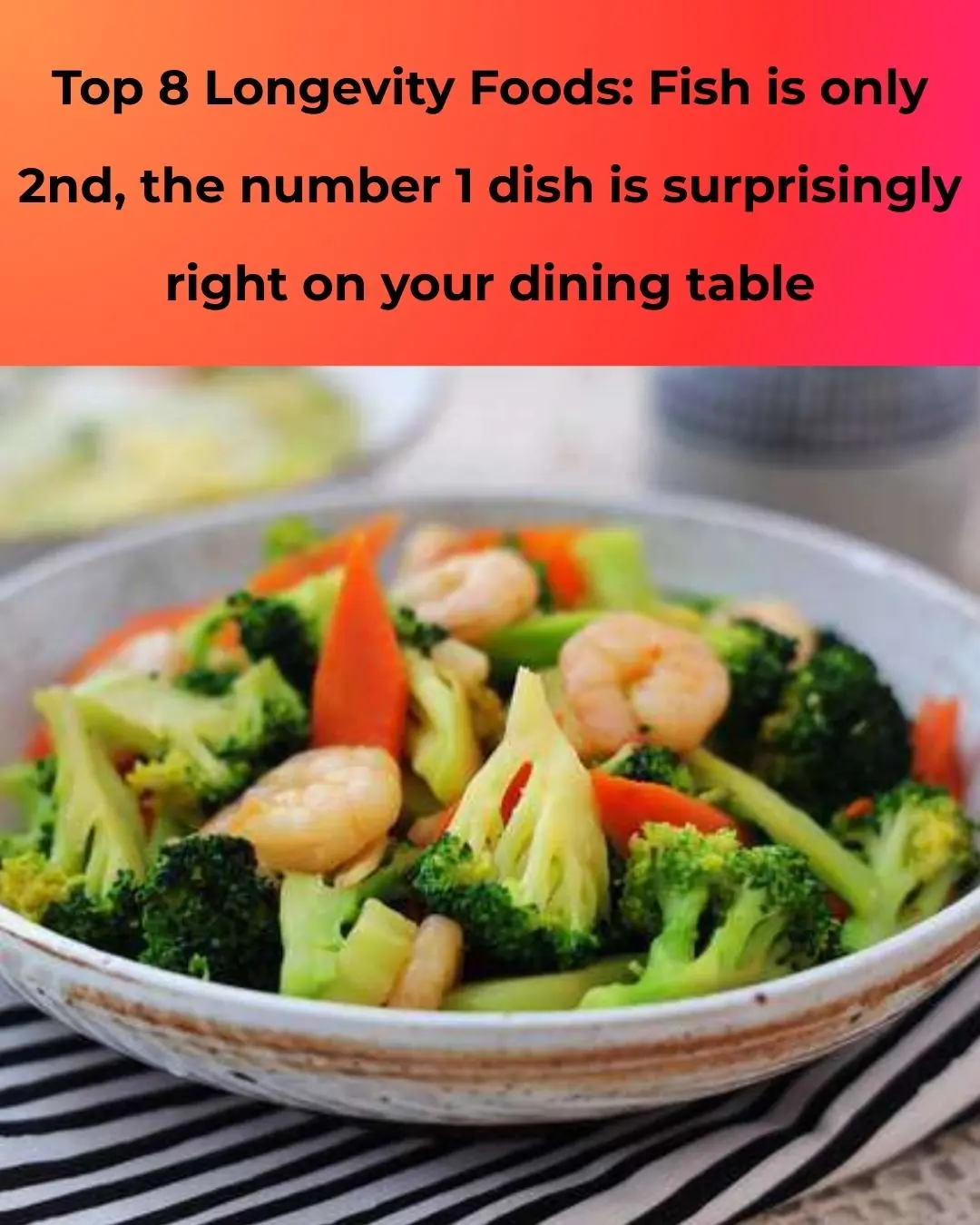
Leafy vegetables like spinach, kale, cabbage, and broccoli provide abundant fiber, vitamins, and essential minerals. Fiber helps prolong satiety, stabilize blood sugar, lower cholesterol, and support weight management—all crucial for preventing liver fat accumulation.
Additionally, leafy greens contain powerful antioxidants such as vitamins A and C and plant polyphenols, which help shield liver cells from oxidative damage. Other nutrients like vitamin K, B vitamins, iron, magnesium, and calcium also play vital roles in supporting normal liver functions.
Cooking tip: Avoid overcooking vegetables, as prolonged heat destroys nutrients. Use gentle methods such as light sautéing or steaming, and limit water to retain the most nutrition.
Beans such as soybeans, chickpeas, and lentils are excellent plant-based protein sources. They also contain resistant starch and beneficial phytochemicals that help reduce body fat, lower blood lipids, and minimize fat stored in the liver.
Compared with meat, legumes contain less saturated fat but more fiber and potassium—ideal for individuals with cardiovascular concerns or high blood pressure.
How to use them:
20 g dried beans or 50 g fresh beans (e.g., edamame) provide protein equivalent to 30 g of meat.
You can consume legumes through tofu, soy milk, or bean-based vegetarian dishes.
Choose unsweetened products—such as plain soy milk—to avoid unnecessary calories.
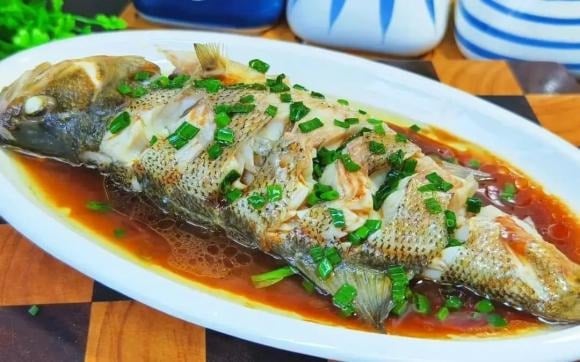
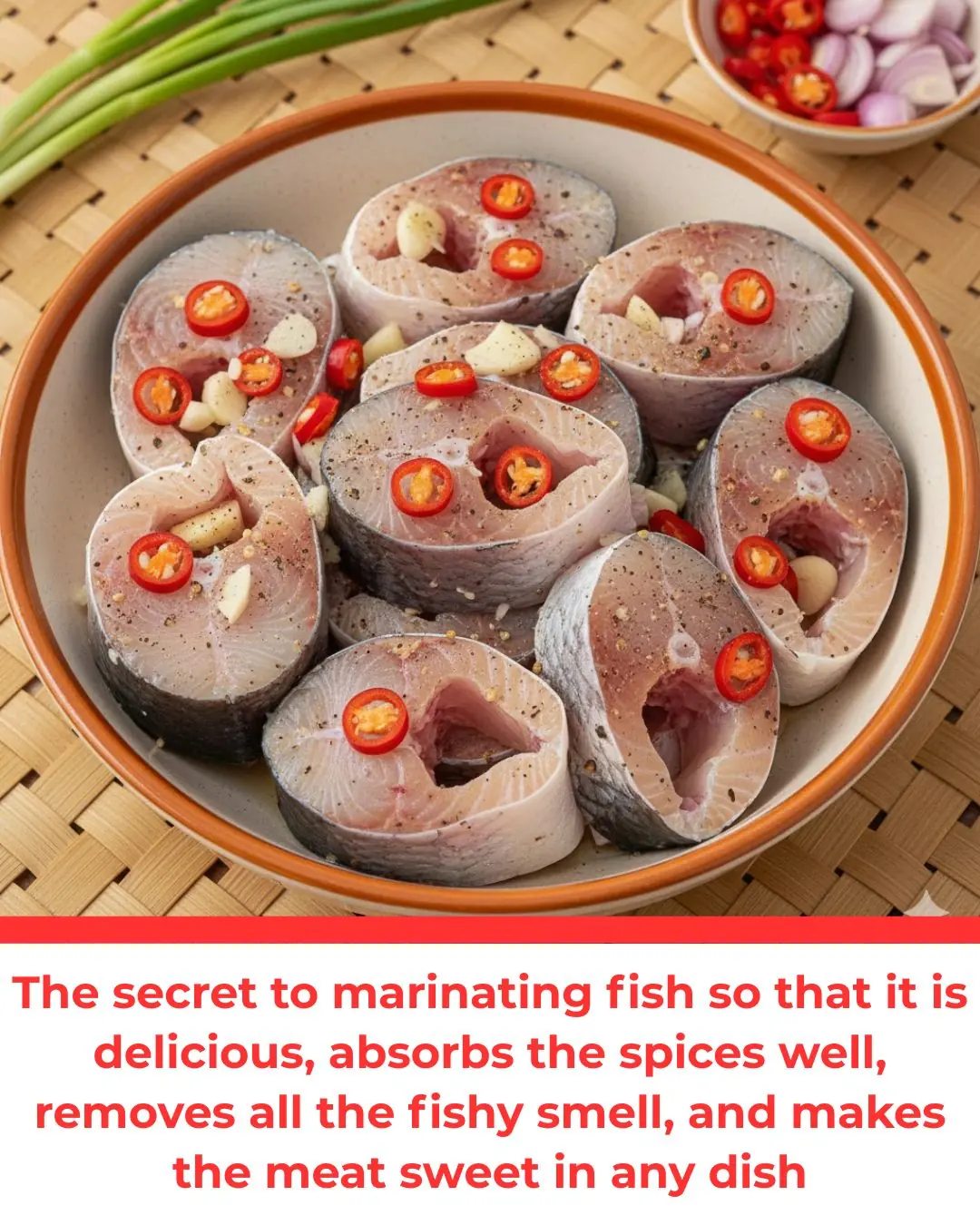
Fish, especially fatty fish, is rich in omega-3 fatty acids, known for their strong anti-inflammatory effects. Omega-3s help reduce liver inflammation and prevent fat accumulation. They also increase HDL (“good” cholesterol) and reduce LDL and triglycerides.
Note:
Fish is easier to digest than red meat or poultry due to its softer muscle fibers. Despite concerns about heavy metals, you can minimize risk by choosing fish with low mercury levels such as mackerel pike, cod, or black grouper.
Aim to consume fish or seafood at least twice a week to maximize health benefits.
Whole oats are rich in soluble fiber, which helps regulate cholesterol and blood sugar—two key factors in reducing visceral fat and protecting the liver. They also contain antioxidants like vitamin E that help neutralize free radicals and slow cellular damage.
Ways to enjoy oats:
Mix with hot water, milk, or soy milk
Combine with yogurt or coffee
Use as a replacement for rice or bread at breakfast
Mix oats into cooked rice to boost fiber intake and support weight management
Nuts such as almonds, walnuts, and cashews provide healthy monounsaturated fats beneficial for heart health, which is closely linked to liver health. They are also rich in vitamin E and other antioxidants that slow cellular aging and enhance liver function.
How to use them effectively:
Eat about 20 g of nuts per day. Consuming nuts after exercise can also support muscle recovery and improve satiety.
Turmeric contains curcumin, a potent antioxidant that helps neutralize free radicals, improve circulation, and lower liver enzyme levels. Studies also show that curcumin may help reduce the risk of cardiovascular disease and support cognitive function.
Common uses:
Turmeric can be used in curry dishes or added to smoothies and vegetable juices. Pure turmeric powder is especially convenient for cooking and absorption.
Contrary to the belief that all oils should be avoided, choosing the right fat—such as olive oil—can help balance blood lipids. Olive oil contains high levels of monounsaturated fats and low saturated fats, improving fat metabolism and reducing liver fat accumulation.
Cooking tips:
Use olive oil at low or medium heat, for dressing salads or light searing. Avoid heating at high temperatures to preserve polyphenols and beneficial nutrients.
Garlic contains allicin and sulfur compounds with strong antioxidant and anti-inflammatory properties. These compounds help reduce liver damage, strengthen immunity, and support cardiovascular and metabolic health.
To maximize benefits:
Crush or mince garlic and let it sit for a few minutes before cooking to activate allicin. Avoid prolonged cooking, which reduces potency. Garlic pairs well with stir-fried dishes, soups, and quick sautéed meals.
Black wood ear mushrooms are rich in fiber and polysaccharides that help cleanse the digestive tract, prevent constipation, and reduce fat absorption. Their soluble fiber helps lower LDL cholesterol, increase satiety, and support weight control—an essential part of fatty liver management.
Creative way to use:
Blend soaked wood ear mushrooms with pineapple, apple, or goji berries to create a refreshing detox drink. It helps improve digestion and provides long-lasting fullness—beneficial for weight loss and liver protection.