I have absolutely no idea! Let's see why.
Health 27/01/2026 15:52
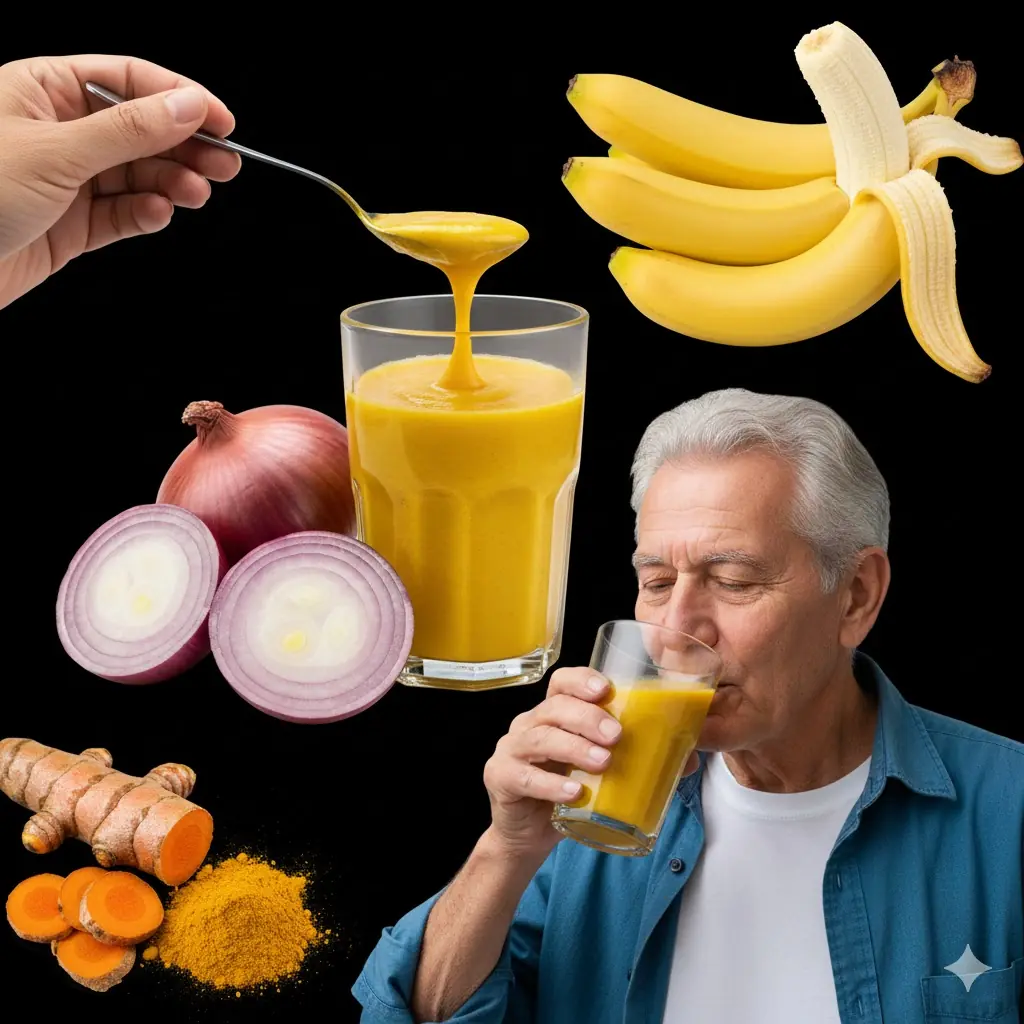
Turmeric has recently surged in popularity, with many people praising its health benefits on social media and wellness blogs. However, this bright yellow root is far from a new discovery. It has been used for thousands of years in Ayurvedic and traditional Chinese medicine, where it was valued for supporting digestion, easing pain, and reducing inflammation.
Modern science is now exploring these traditional claims more closely. Below is a detailed look at how regular turmeric consumption—primarily due to its active compound, curcumin—may influence your body.
Short-term inflammation is a natural and necessary part of healing. However, chronic inflammation is linked to long-term health conditions such as heart disease, diabetes, and autoimmune disorders. Curcumin contains powerful curcuminoids that help suppress inflammatory pathways in the body by blocking molecules responsible for triggering inflammatory responses.
In addition, turmeric’s antioxidant properties help neutralize free radicals, which can otherwise damage cells and tissues. Together, these effects may reduce overall inflammatory burden when turmeric is consumed regularly.
A 2006 study observed that Asian populations who regularly consumed turmeric performed better on certain cognitive tests compared to those who consumed little or none. Another study in 2018 found that adults aged 51 to 84 who took 90 mg of curcumin twice daily showed improvements in memory and attention compared to a placebo group.
Researchers believe curcumin’s anti-inflammatory and antioxidant actions may protect brain cells from degeneration and slow processes associated with memory decline. While these results are encouraging, scientists agree that more long-term studies are required.
Curcumin’s anti-inflammatory and antioxidant effects may help reduce joint pain and stiffness, particularly in people with arthritis. In inflammatory conditions, certain pathways—such as TNF-α and COX-2—become overactive and worsen swelling and discomfort. Curcumin appears to inhibit these pathways, potentially easing symptoms.
Some studies suggest that turmeric supplements may work similarly to certain non-steroidal anti-inflammatory drugs (NSAIDs), but without common side effects such as stomach irritation, dizziness, or drowsiness. This makes turmeric a promising option for people seeking gentler pain management.
Laboratory studies have shown that curcumin may slow the growth of certain cancer cells. A 2015 study suggested it could inhibit tumor activity in digestive and skin cancers by interfering with cancer cell signaling and growth mechanisms.
However, these findings were based mainly on test-tube and animal research. While promising, large-scale human clinical trials are still needed before turmeric can be considered a cancer-preventive or therapeutic agent.
Curcumin may benefit the cardiovascular system by lowering oxidative stress, reducing inflammation, and decreasing LDL (“bad”) cholesterol levels. It also improves endothelial function, which helps blood vessels relax and maintain proper circulation.
Some studies indicate that turmeric supplementation can modestly reduce systolic blood pressure after consistent use over several months, although effects on diastolic blood pressure are less clear. These combined actions suggest turmeric could play a supportive role in heart health when paired with a balanced lifestyle.
People who suffer from seasonal allergies may find relief in turmeric’s anti-inflammatory properties. Research suggests curcumin can reduce immune responses linked to allergy symptoms such as sneezing, itching, and nasal congestion.
A 2008 animal study found that curcumin inhibited histamine release, leading to a noticeable reduction in hay fever symptoms. While animal data is not conclusive for humans, it supports the theory that turmeric may help moderate allergic reactions.
Turmeric may support gut health by reducing inflammation associated with digestive disorders such as irritable bowel syndrome (IBS) and inflammatory bowel disease (IBD). Curcumin also appears to influence gut bacteria by suppressing harmful microbes and encouraging beneficial ones.
In addition, turmeric supports bile production, which is essential for breaking down fats and improving nutrient absorption. These effects may explain why turmeric has traditionally been used to relieve bloating and indigestion.
A small clinical study found that individuals with major depressive disorder experienced improvement when curcumin was taken alongside antidepressant medication. Participants reported better mood and fewer depressive symptoms, with no significant side effects during the six-week trial.
However, because the study duration was short, researchers caution that more long-term research is necessary to determine whether turmeric can reliably support mental health treatment.
Chronic inflammation and oxidative stress are strongly linked to neurodegenerative diseases such as Alzheimer’s. Curcumin may help protect neurons by reducing these risk factors and limiting the buildup of harmful proteins in the brain.
Some early studies suggest curcumin could help slow cognitive decline and preserve brain function, but scientists emphasize that longer and larger studies are required to confirm turmeric’s role in brain health.
Curcumin may be beneficial for individuals with non-alcoholic fatty liver disease (NAFLD), a condition characterized by fat accumulation in the liver. Research suggests its anti-inflammatory and antioxidant actions can help reduce fat buildup and improve liver enzyme levels.
By reducing oxidative stress in liver tissue, turmeric may support detoxification processes and overall liver function when used as part of a healthy diet.
Turmeric offers a wide range of potential health benefits, largely due to its powerful active compound, curcumin. From reducing inflammation and joint pain to supporting brain, heart, and liver health, its effects appear promising across multiple systems of the body.
However, individual responses vary, and turmeric should not be seen as a cure-all. It is always advisable to consult a healthcare professional before starting turmeric supplements, especially for people taking medications or managing chronic conditions.
When used thoughtfully and in moderation, turmeric can be a valuable addition to a balanced, health-conscious lifestyle.