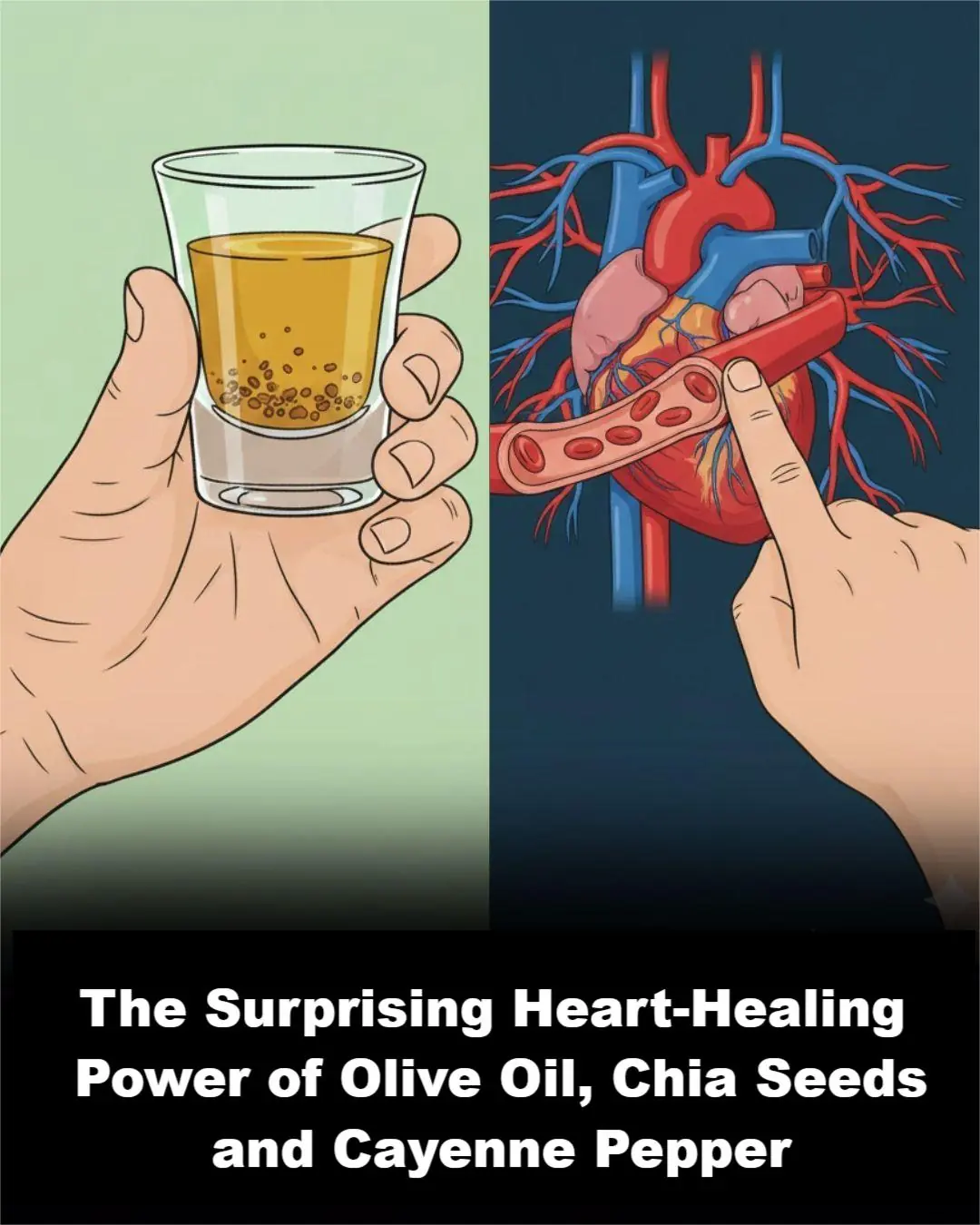
The Surprising Heart-Healing Power of Olive Oil, Chia Seeds, and Cayenne Pepper
Health 08/12/2025 02:26
Have you been feeling “off” lately—tingling in your legs, hair loss around your ankles, cold extremities, chest discomfort, or even memory issues? Many people assume these symptoms mean they have “clogged veins.” But in most cases, the real problem is clogged arteries, not veins. Understanding the difference is essential for protecting your heart, brain, kidneys, and long-term vascular health.
Arteries carry oxygen-rich blood away from the heart; veins bring blood back; lymphatics drain excess fluid.
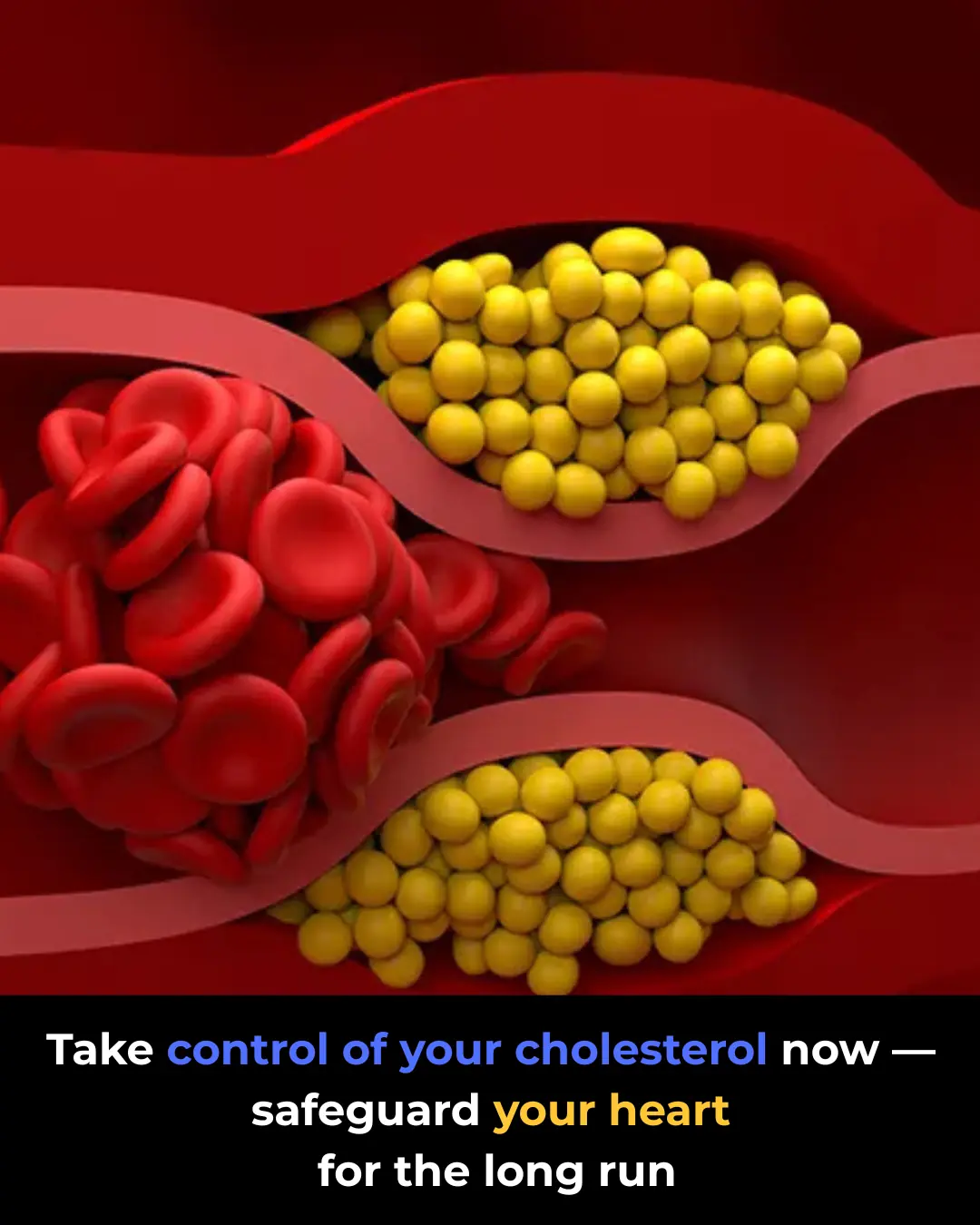
“Clogged veins” are often actually clogged arteries, which can seriously impact circulation.
Symptoms vary depending on whether the blockage is acute (sudden) or chronic (gradual).
Acute arterial blockages are life-threatening and require emergency care.
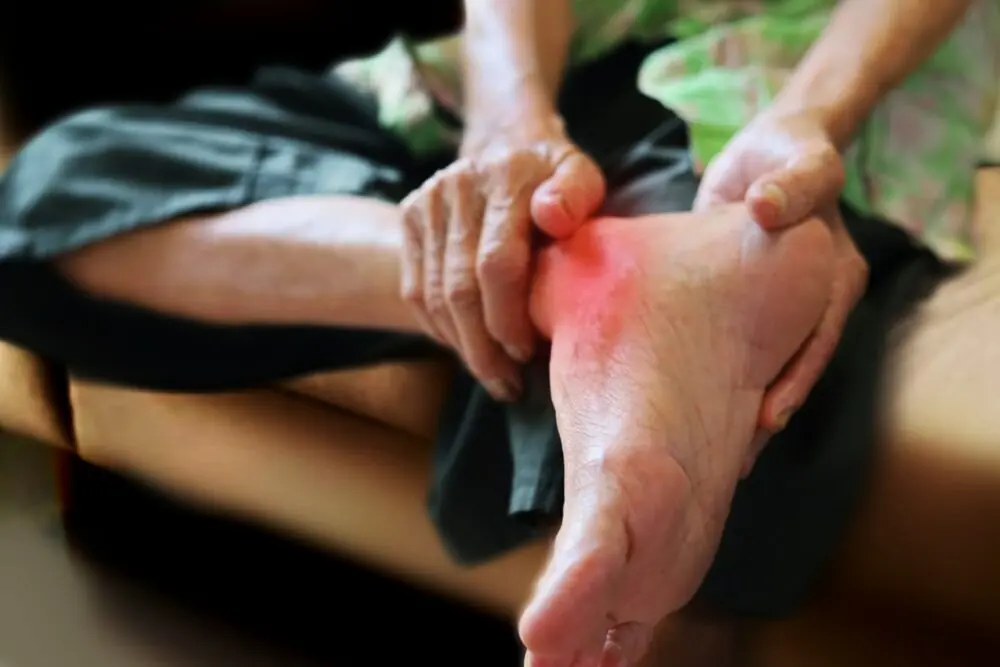
Chronic blockages develop slowly and cause numbness, cramps, cold limbs, hair loss, and pain during activity.
Varicose veins are not blockages but faulty valves.
Lifestyle habits—exercise, diet, weight control, and avoiding smoking—are the best protection.
Your circulatory system includes arteries, veins, and lymph vessels, all powered by the heart.
Arteries deliver oxygen-rich blood.
Veins return oxygen-poor blood.
Lymphatics drain extra fluid and prevent swelling.
When any part of this system becomes blocked or restricted, symptoms follow. But most people who think they have “clogged veins” actually have reduced arterial blood flow, which can limit oxygen supply to tissues—even the brain.
A true vein blockage usually comes from thrombosis, a blood clot.
The most dangerous form is deep vein thrombosis (DVT).
Calf pain or a “pulled muscle” sensation
Swelling in one leg
Skin appearing red, warm, or unusually pale
Veins looking larger or more visible
Untreated DVT can break off and travel to the lungs, causing a pulmonary embolism, which is life-threatening. Anyone with these signs needs medical attention immediately.
Arterial blockages restrict the flow of oxygen-rich blood. Symptoms depend on where the blockage occurs—heart, legs, brain, or abdomen—and whether it’s sudden or gradual.
These occur suddenly and can cause:
Intense chest pain
Shortness of breath
Sweating or nausea
Sudden confusion
Weakness on one side
Difficulty speaking or seeing
Severe pain in one leg
Cold, blue, or pale skin
Numbness or paralysis
These require immediate hospital care to prevent permanent damage or death.
Chronic blockages can reach 70% or more before symptoms appear because some blood still flows.
Numbness & Tingling: Reduced oxygen to nerves.
Cold Hands & Feet: Extremities feel icy compared to the rest of the body.
Color Changes: Pale or bluish skin.
Muscle Cramps: Especially during walking.
Hair Loss on Legs: Poor circulation weakens follicles.
Muscle Atrophy: Muscles shrink due to lack of nutrients.
Intermittent Claudication:
Pain, heaviness, or fatigue in the legs after short walks—improves with rest but returns quickly.
This is a major sign of peripheral artery disease (PAD).
Stable angina: Pain with exertion, relieved by rest.
Unstable angina: Pain even at rest—pre-heart attack warning.
Memory problems
Brain fog
Trouble concentrating
Dizziness
These symptoms indicate decreased blood flow to the brain.
Varicose veins are not blockages.
They happen when valves in veins weaken, allowing blood to pool. They can cause discomfort but aren’t the same as clogged arteries.
Walking, stretching, cycling, and swimming all boost circulation and strengthen the cardiovascular system.
Helps reduce swelling and improve venous return.
Smoking is one of the strongest risk factors for artery disease, stroke, and dementia.
Reduces strain on the heart, metabolism, and blood vessels.
Fruits & veggies
Whole grains
Healthy fats (like olive oil)
Less red meat and processed foods
Diet plays a major role in preventing plaque buildup.
If you notice symptoms of poor circulation—cold limbs, cramps, numbness, or chest discomfort—consult your doctor early. Early detection prevents serious complications like heart attack, stroke, and limb loss.
At CKD Health, our mission is to help you understand your body’s warning signs before they become emergencies. Circulation issues affect the heart, kidneys, brain, and legs—and recognizing symptoms early can save your life. Stay informed, stay proactive, and work closely with your healthcare provider to protect your long-term vascular health.