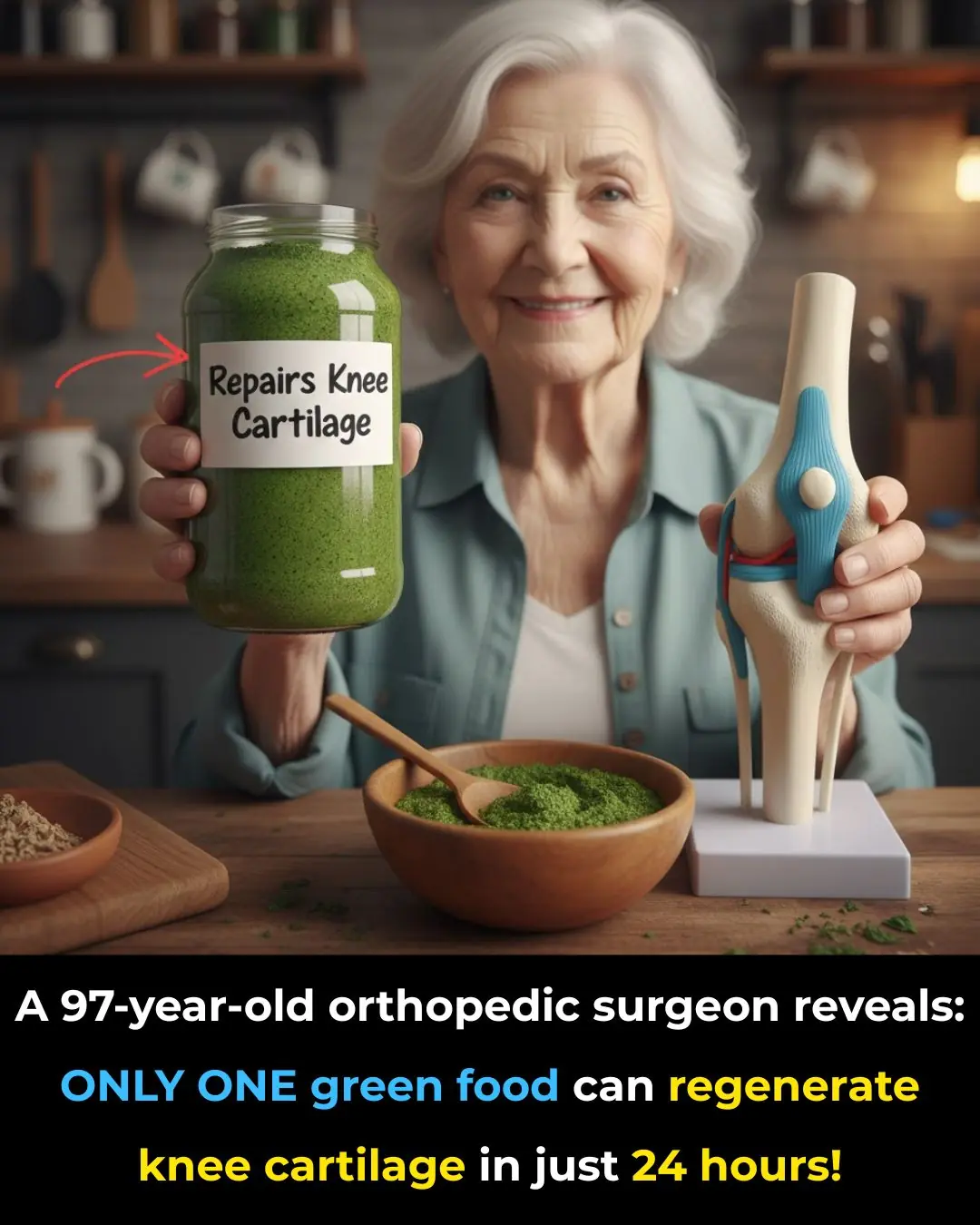
Discover How Incorporating Fresh Parsley into Your Daily Routine Can Support Knee Joint Comfort and Mobility Naturally
Health 01/02/2026 22:14
But what if some of the most ordinary items in your kitchen, bathroom, and laundry room are quietly exposing you to hormone-disrupting chemicals linked to long-term health problems?
The reassuring news is that you don’t need to panic—or completely change your lifestyle overnight.
With a few smart swaps and more mindful choices, you can significantly lower your exposure to endocrine disruptors: chemicals that interfere with the body’s natural hormone system and have been associated with obesity, diabetes, cardiovascular disease, fertility challenges, and other chronic conditions.
Supported by findings from the Endocrine Society, the EPA, and the NIH, here are eight everyday household items to reconsider—and practical ways to choose safer alternatives without spending a fortune.
Endocrine disruptors are synthetic chemicals that can interfere with hormonal signaling even at extremely low levels. They can:
Mimic hormones such as estrogen, thyroid hormones, or insulin
Block hormone receptors
Disrupt hormone production, transport, or breakdown
Long-term exposure—especially during pregnancy, childhood, and menopause—has been linked to:
Weight gain and insulin resistance
Early puberty and fertility problems
High blood pressure and heart disease
Neurological effects (some studies associate certain disruptors with Parkinson’s risk)
🌿 Key insight: It’s nearly impossible to eliminate all exposure, but reducing your overall chemical burden can meaningfully lower health risks over time.
Risk: May contain phthalates (soft plastics) or BPA/BPS (hard plastics), which can leach into food when heated or scratched.
Check: Look for recycling codes on the bottom. Avoid #3 (PVC), #6 (polystyrene), and #7 (often contains BPA).
Safer swap: Choose glass, stainless steel, or BPA-free #5 (polypropylene). Never microwave plastic containers.
Risk: When overheated, these pans may release PFAS (“forever chemicals”) linked to thyroid disruption and immune suppression.
Check: If your pan is scratched, peeling, or over five years old, it’s time to replace it.
Safer swap: Use cast iron, ceramic-coated cookware, or stainless steel.
Risk: Often contain phthalates, formaldehyde, and synthetic fragrances hidden under the word “fragrance.”
Check: If ingredients are vague or undisclosed, assume potential disruptors are present.
Safer swap: Make your own with vinegar, baking soda, and essential oils—or choose EWG-verified brands.
Risk: Most cans are lined with BPA or BPS to prevent corrosion, allowing these chemicals to migrate into food.
Check: Look for “BPA-free lining” labels, but be cautious—BPS may carry similar risks.
Safer swap: Choose fresh or frozen foods, or brands packaged in glass jars or Tetra Paks.
Risk: Often coated with BPA or BPS that can be absorbed through the skin, especially with wet or oily hands.
Check: If a receipt smudges easily when rubbed, it likely contains thermal coating.
Safer swap: Decline receipts when possible and store them separately from cash or credit cards.
Risk: Frequently treated with PFAS to repel stains and water.
Check: Labels reading “stain-resistant,” “waterproof,” or “performance fabric” may signal PFAS use.
Safer swap: Choose untreated cotton, wool, or leather, and vacuum regularly with a HEPA filter.
Risk: May contain parabens, phthalates, triclosan, or oxybenzone—all known endocrine disruptors.
Check: Use tools like the EWG Skin Deep Database or Think Dirty app to scan products.
Safer swap: Opt for fragrance-free, minimalist formulas with short ingredient lists.
Risk: Dust traps flame retardants, PFAS, and phthalates from furniture, flooring, and electronics.
Check: Rapid dust buildup may indicate chemical off-gassing indoors.
Safer swap: Damp-mop weekly, use a HEPA vacuum, and wash hands before meals—especially for children.
Ventilate your home regularly to flush out indoor pollutants
Wash hands often, especially before eating
Filter drinking water to reduce PFAS and other contaminants
Prioritize fresh, whole foods over packaged options
Read labels and choose products with fewer, simpler ingredients
You don’t need to live in a chemical-free bubble to protect your health.
Small, consistent changes can make a powerful difference over time—and your body will benefit for years to come.
Start with one item on this list. Swap it. See how easy it is. Then move on to the next.
Because true wellness isn’t about perfection.
It’s about making mindful choices—right where you live.
🌱 Your home should support your health, not silently undermine it.
Found this helpful?
👉 Save this guide for your next shopping trip
👉 Share it with a parent, new homeowner, or health-conscious friend
👉 Comment below: Which swap will you try first?
Disclaimer: This article is for educational purposes only and is not intended as medical advice. Always consult a qualified healthcare provider for personal health concerns.