The Surprising Heart-Healing Power of Olive Oil, Chia Seeds, and Cayenne Pepper
Health 08/12/2025 02:26
Acid reflux is a common condition, but when it becomes frequent or severe, it may indicate a more serious issue known as GERD (Gastroesophageal Reflux Disease). While many people brush off heartburn as something normal, chronic reflux can damage the esophagus and affect long-term health.
This guide explains the symptoms, causes, dangers, and — most importantly — when to seek medical attention.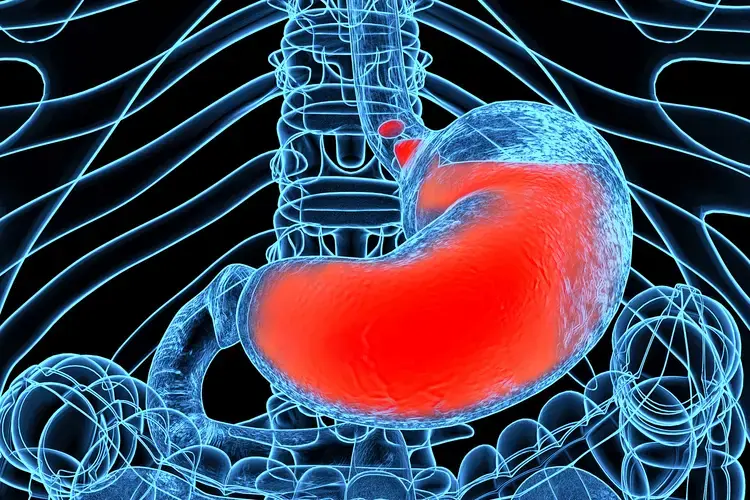
Acid reflux occurs when stomach acid moves backward into the esophagus. This causes burning, discomfort, and irritation in the chest and throat.
Occasional reflux is normal. Chronic reflux is not.
Heartburn
Sour or bitter taste in the mouth
Chest burning after meals
Bloating
Belching
Regurgitation of food
Difficulty swallowing
If reflux happens twice a week or more, it may be GERD.
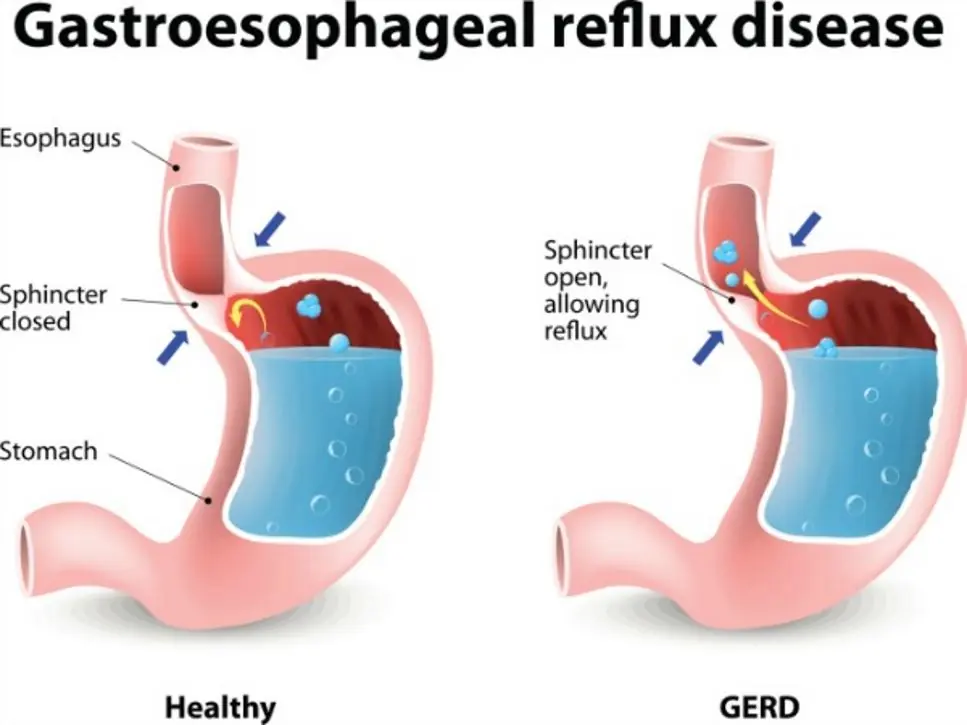
This valve normally keeps stomach acid from rising. Weakness leads to reflux.
Triggers include:
Spicy foods
Fatty foods
Chocolate
Coffee
Alcohol
Citrus fruits
Lying down soon after eating worsens reflux.
Extra abdominal pressure pushes stomach acid upward.
Weakens the LES and increases stomach acid.
Hormonal and physical changes often cause reflux.
Untreated GERD can lead to:
Chronic inflammation
Esophagitis
Strictures (narrowing of the esophagus)
Barrett’s esophagus
Increased risk of esophageal cancer
Seek medical care if you experience:
More than two times per week.
Chest pain must be evaluated immediately.
A sign of esophageal damage.
Reflux can irritate the throat and vocal cords.
May indicate internal irritation or bleeding.
A warning sign of complications.
Medication or further diagnostic tests may be required.
Prevents acid from rising at night.
Identify patterns and adjust your diet.
Large meals increase pressure on the stomach.
Just 5–10% weight loss reduces GERD symptoms significantly.
These soothe the digestive tract.
Wait at least 2–3 hours.
Both relax the LES and worsen reflux.
Antacids
H2 blockers
Proton pump inhibitors (PPIs)
Surgery (for severe cases)
Acid reflux becomes dangerous when ignored. Understanding when it’s time to see a doctor can help prevent long-term complications and protect your digestive health.