Pineapple Mango Ginger Lemon Juice: Benefits, Nutrition & How to Make It
Beatuty Tips 08/12/2025 00:30
Euphorbia hirta — commonly known as the asthma plant — is a small herbaceous plant used for centuries in traditional medicine across Asia, Africa, and South America. Despite its modest appearance, the plant has a surprisingly wide range of folk applications, especially for respiratory, digestive, dermatological, and inflammatory conditions.
Today, modern interest in herbal remedies has revived attention to this plant, prompting renewed study into its bioactive compounds and potential health benefits. This expanded article explores its traditional uses, preparation methods, safety considerations, and what science currently says about its healing potential.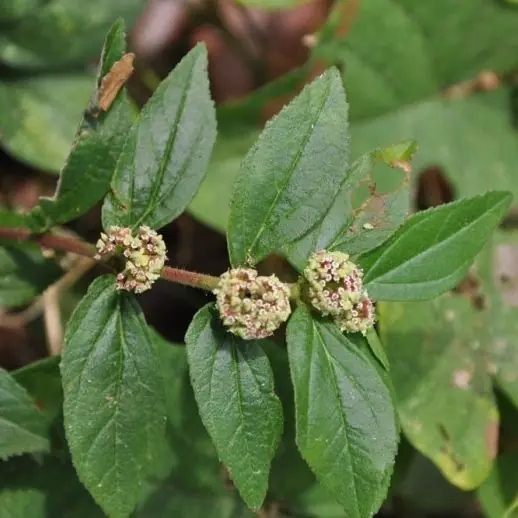
The most well-known use of Euphorbia hirta is for respiratory ailments:
Asthma
Chronic cough
Mild bronchitis
Chest tightness
Traditional practitioners typically prepare the leaves as a tea or decoction, believing the plant has bronchodilatory properties. These effects may help relax bronchial muscles, allowing easier airflow for individuals with breathing difficulties.
Some cultures also use the plant as an herbal steam inhalation, claiming it helps clear mucus and reduce airway inflammation. While traditional success is widely documented, scientific studies are still in early stages.
Euphorbia hirta is also valued for its benefits in digestive health. It has long been used for:
Diarrhea
Dysentery
Intestinal inflammation
Stomach cramps
Symptoms of IBS
The plant’s antidiarrheal and antispasmodic properties make it useful in regions where gastrointestinal infections are common. Its decoction is believed to calm the digestive tract, reduce spasms, and support intestinal balance.
In topical medicine, Euphorbia hirta is used as:
A paste for boils and abscesses
An infusion for rashes and eczema
A poultice for warts
A natural cleanser for minor wounds
Its traditional use is tied to its purported antimicrobial and anti-inflammatory actions. These properties make it a popular home remedy for skin irritations, although results vary depending on preparation and skin sensitivity.
Folk medicine consistently highlights Euphorbia hirta’s broad-spectrum antimicrobial potential. Traditional healers use it for bacterial, fungal, and sometimes viral conditions. Modern preliminary studies show the plant contains compounds that may inhibit certain pathogens, but large-scale clinical research is still limited.
The plant is also used for:
Joint pain
Headaches
Muscle strain
Mild arthritis
It can be consumed as a tea or applied topically as a poultice. Traditional users believe it reduces swelling, eases pain, and promotes circulation.
Euphorbia hirta tea has long been used to help lower fever. Traditional healers describe it as having a natural “cooling” effect. While anecdotal evidence supports this use, scientific validation is limited and ongoing.
In many cultures, Euphorbia hirta is used as a gentle diuretic. It is believed to:
Increase urine flow
Help flush bacteria
Reduce bladder inflammation
Though widely practiced traditionally, individuals with urinary issues should consult a healthcare provider before using it due to limited clinical evidence.
Growing scientific interest has turned toward the plant’s antioxidant compounds, which may help neutralize free radicals and reduce oxidative stress — a contributing factor in chronic diseases. While promising, these findings require more robust study before specific health claims can be made.
1. Tea or Decoction
The most common method involves boiling fresh or dried leaves in water for a few minutes, straining, and drinking warm.
2. Topical Paste
Leaves are ground or crushed and applied directly to the skin for rashes, boils, and minor wounds.
3. Infusions
A mild infusion may be used for respiratory steaming or cleansing irritated skin.
Preparation methods vary widely among cultures, and potency depends on dosage, plant source, and individual tolerance.
Despite its long history of use, Euphorbia hirta should be used responsibly.
Some parts of the plant may be toxic in large amounts.
It may interact with certain medications.
Individuals who are pregnant, breastfeeding, or chronically ill should avoid it unless advised by a professional.
Skin application should be patch-tested to avoid irritation.
As with all herbal remedies, proper guidance from a healthcare provider is essential.
Euphorbia hirta is a fascinating herb with broad traditional applications — from asthma and digestive disorders to skin conditions and fever. While its historical relevance is undeniable, modern science is still uncovering the extent of its therapeutic value.
Used carefully and respectfully, it remains a significant part of traditional herbal practices worldwide.