Japan’s Visionary Floating City: A Sustainable Urban Model for 2030 and Beyond
Facts 02/12/2025 17:54
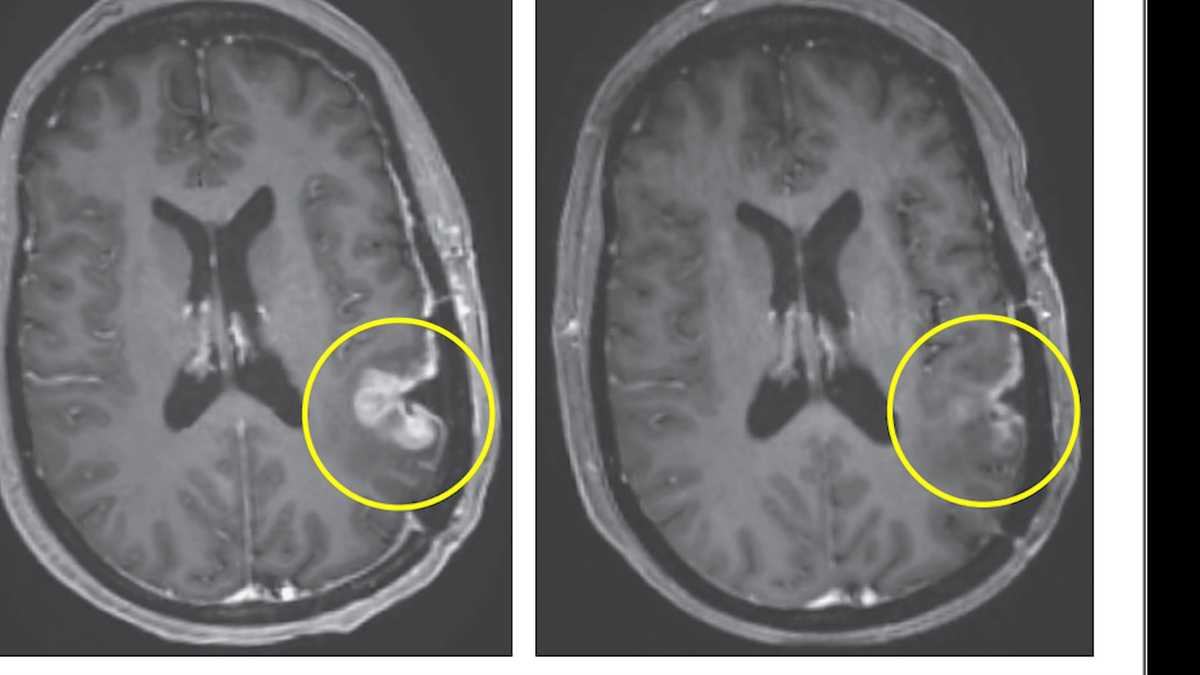
A groundbreaking medical event at Massachusetts General Hospital (MGH) has sparked new hope in the fight against glioblastoma, one of the most aggressive and deadly forms of brain cancer. A 57-year-old woman with recurrent glioblastoma experienced a near-complete disappearance of her tumor just five days after receiving a single infusion of an experimental CAR-T cell therapy. This rapid reduction—confirmed through MRI imaging—has been described by researchers as one of the most dramatic responses ever documented in glioblastoma treatment.
The therapy, named CARv3-TEAM-E, is a next-generation form of CAR-T cell treatment. Unlike traditional CAR-T approaches, which mainly target blood cancers, this therapy was specifically engineered to:
Bypass the blood–brain barrier
Recognize multiple tumor markers at once
Activate the patient’s broader immune system
Doctors delivered the CAR-T cells directly into the patient’s brain through a surgically implanted port, allowing the modified immune cells to immediately locate and attack tumor cells.
Within just 120 hours, MRI scans showed near-total tumor regression, a result that many oncologists previously believed was impossible due to the complex biology of glioblastoma.
Glioblastoma is notorious for its speed, invasiveness, and resistance to standard therapies. According to the American Cancer Society and National Cancer Institute, the disease:
Affects about 12,000 Americans each year
Grows rapidly and infiltrates healthy brain tissue
Adapts quickly, making surgery, chemotherapy, and radiation less effective
Almost always returns after initial treatment
Traditional therapies can slow the disease temporarily, but long-term control remains rare. This is why the rapid response seen in this CAR-T trial is considered so extraordinary.
The CAR-T cells used in the MGH trial were engineered to attack both:
EGFRvIII, a mutated protein found in many glioblastoma tumors
Wild-type EGFR, a non-mutated form that tumors often exploit
This dual-targeting strategy allowed the therapy to strike a much larger population of tumor cells. In addition, the TEAM-E design helps recruit other immune cells, amplifying the attack and accelerating tumor breakdown.
Scientists from institutions such as Harvard Medical School, Mass General Brigham, and the Broad Institute have called this mechanism a major step forward in brain cancer immunotherapy.
Although the patient’s tumor returned within about a month, researchers emphasize that the importance of this result is not diminished. Instead, it proves that:
Glioblastoma can respond rapidly to targeted cell therapy
The brain tumor microenvironment is not immune to CAR-T activity
Immune-based treatments may offer benefits far beyond traditional care
The ability to reduce a glioblastoma tumor so dramatically—and so quickly—was previously considered nearly impossible.
Researchers are now investigating ways to:
Extend the lifespan and activity of CAR-T cells in the brain
Use repeated dosing for ongoing tumor control
Combine CAR-T therapy with other immunotherapies
Improve targeting mechanisms to prevent rapid tumor regrowth
According to published findings from The New England Journal of Medicine and press releases from Mass General Brigham, these early results represent a promising direction for future treatment strategies.
For patients and families facing glioblastoma, this five-day tumor regression provides something the field has long been missing: evidence that the disease can respond dramatically to advanced immunotherapy. While still in early testing, CARv3-TEAM-E therapy may signal the beginning of a new era in glioblastoma treatment—one where rapid, powerful tumor reduction becomes achievable.
If ongoing research can prolong these effects, this approach could transform the standard of care for one of the world’s most challenging cancers.
Massachusetts General Hospital – Clinical trial reports
Mass General Brigham Press Releases
The New England Journal of Medicine – CAR-T therapy findings
National Cancer Institute – Glioblastoma statistics
American Cancer Society – Brain and CNS cancer overview