Only People With “Sniper Vision” Can Spot the Squirrel Hidden in This Tree
News 31/12/2025 22:13
Birth and death are the laws of life. Humans have always sought to escape death due to their strong survival instinct. The idea of living “immortally” is also of particular interest to the super-rich of Silicon Valley today. Amazon founder Jeff Bezos, OpenAI CEO Sam Altman and PayPal co-founder Peter Thiel are all elites in the technology world. They do not hesitate to invest millions of dollars to try to find ways to prolong their lives.
Amazon founder Jeff Bezos, OpenAI CEO Sam Altman and PayPal co-founder Peter Thiel are all tech elites who aren't afraid to invest millions of dollars trying to figure out how to extend their lifespans.

OpenAI CEO Sam Altman and Amazon founder Jeff Bezos back cryogenics companies
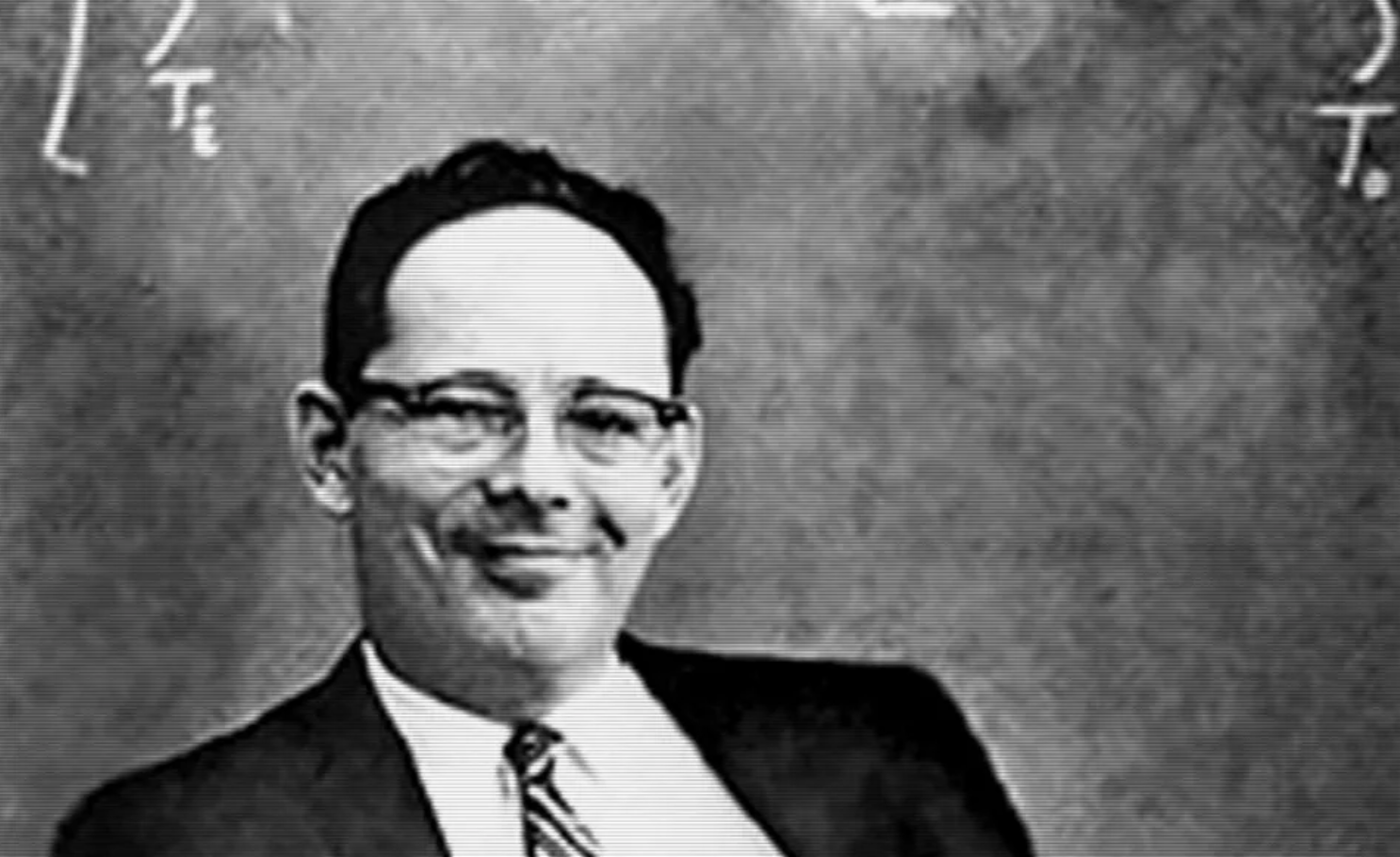
Robert Ettinger is known as the "father of cryonics." The first patient at the Cryonics Institute was his mother, Rhea Ettinger.
Freezing the body to wait for resurrection when science has advanced
One of the most promising methods of prolonging life today is called Cryonics, or cryonics. This is the process of freezing a person's body after death, keeping them at very low temperatures in the hope of reviving them in the future.
However, to date, there have been no recorded cases of successful resuscitation after long-term freezing, and there is no technology that can revive a person in a cryogenic chamber.
Many people think that cryonics is simply freezing a person's body, but in reality, the process is more complicated than that.
Preservation of a body only begins after a person is legally declared dead. The sooner the preservation process begins, the better the chances of success, says Dennis Kowalski, president of the Cryonics Institute.
First, blood thinners are injected to prevent blood clotting and antacids are injected into the stomach. At the Cryonics Institute, a cryonics specialist, known as a “mortician,” performs most of the necessary procedures.
Then the body needs to be cooled down as much as possible for preservation. Kowalski says the specialist attaches an automatic cardiopulmonary resuscitation device to the body to keep the blood circulating, then places the body in an ice bath to cool it down.
In the early days of cryonics, bodies were “directly frozen,” meaning they were simply frozen after death. However, this can cause internal damage due to the formation of ice crystals.
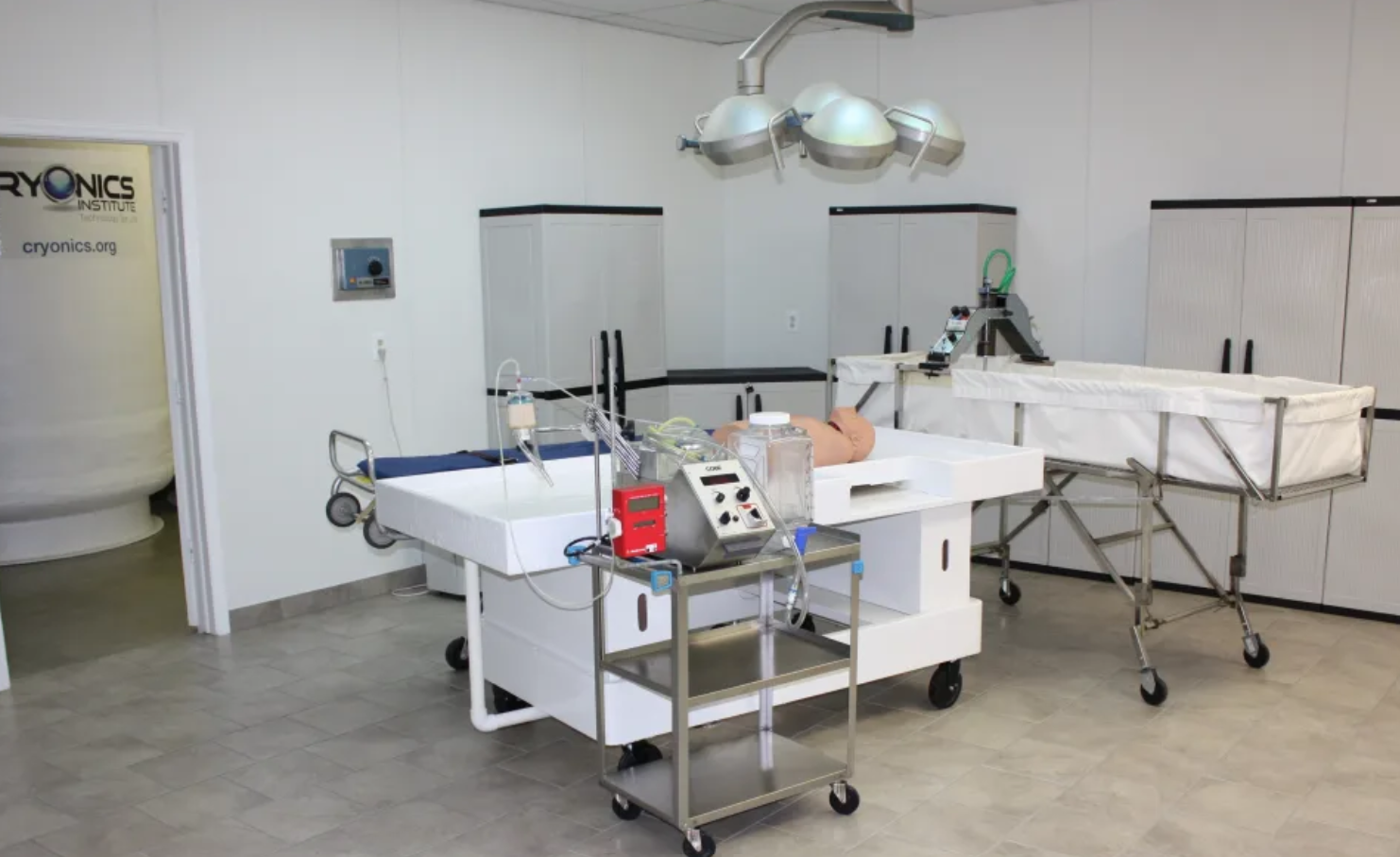
A procedure is performed to access the patient's vascular system, preventing ice crystals from forming
Today, after being transferred to the cryogenic facility, the body is removed from the ice bath and put through a process called "vitrification," which involves filling the body with "anti-freeze solution." According to Kowalski, this process is inspired by the hibernation behavior of animals in cold weather.
The next step is to place the body in a special box that cools the body. This box will slowly lower the body's temperature to the temperature of liquid nitrogen, which is -196°C. Kowalski says that keeping the body at such a low temperature will keep it stable.
Finally, after this process is complete, the body is stored in a chamber that resembles a "giant thermos." The bodies are placed in the tanks and liquid nitrogen is periodically added to the chambers to ensure they remain full.
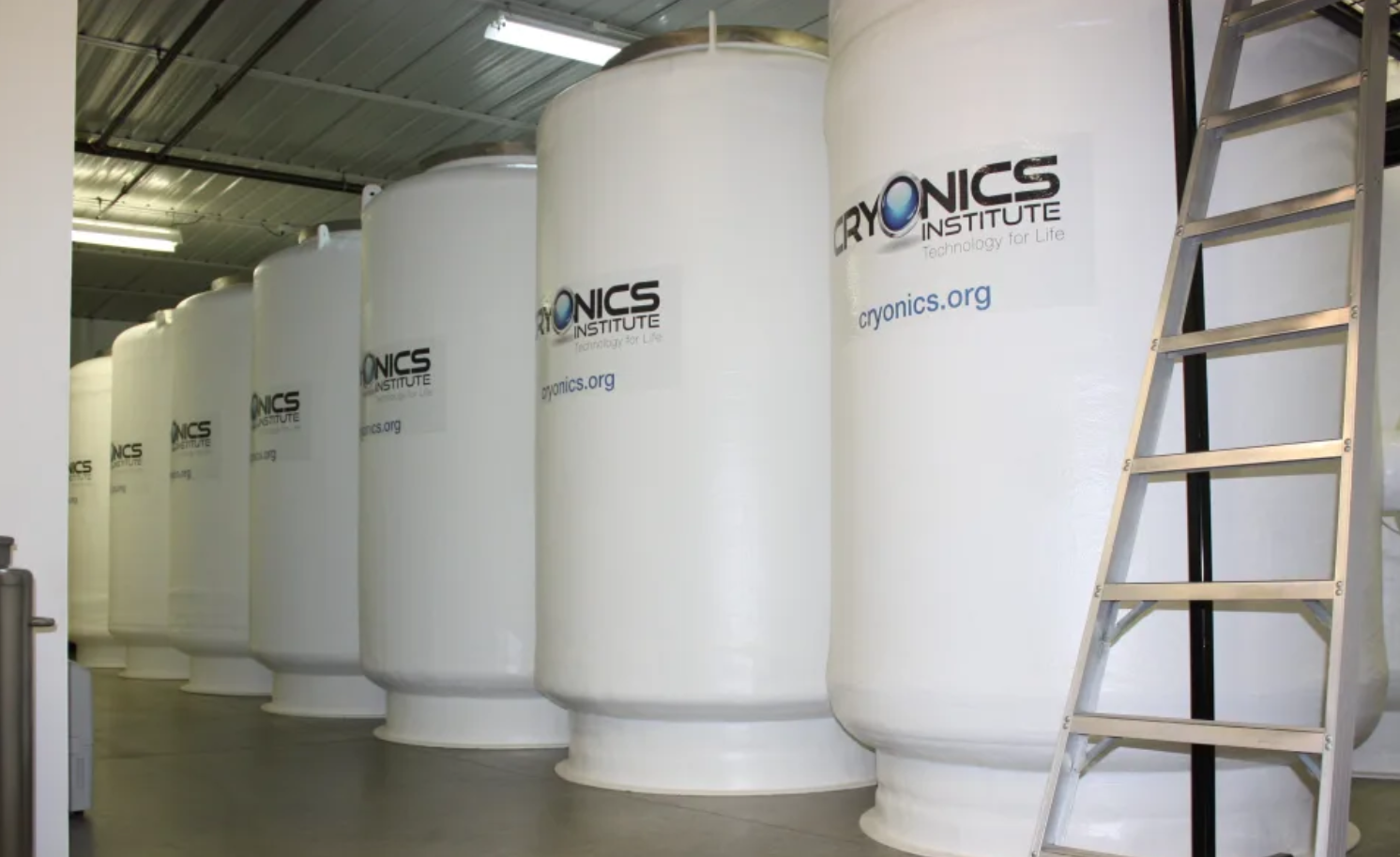
Cryonics Chamber Image
Kowalski said that people who sign up for cryonics tend to be optimistic about future scientific breakthroughs. Among them are science fiction lovers.
Members of the Cryonics Institute pay $28,000 for the post-mortem processing and preservation of their bodies, which can be covered by life insurance policies.
Alcor Life Extension Foundation, another US-based cryonics company, charges $200,000 for whole body preservation and $80,000 for just the brain, according to Reuters.
Dr. Max More, Alcor’s former CEO, has said that his intention is to store only his brain because, for him, the body is “replaceable.”
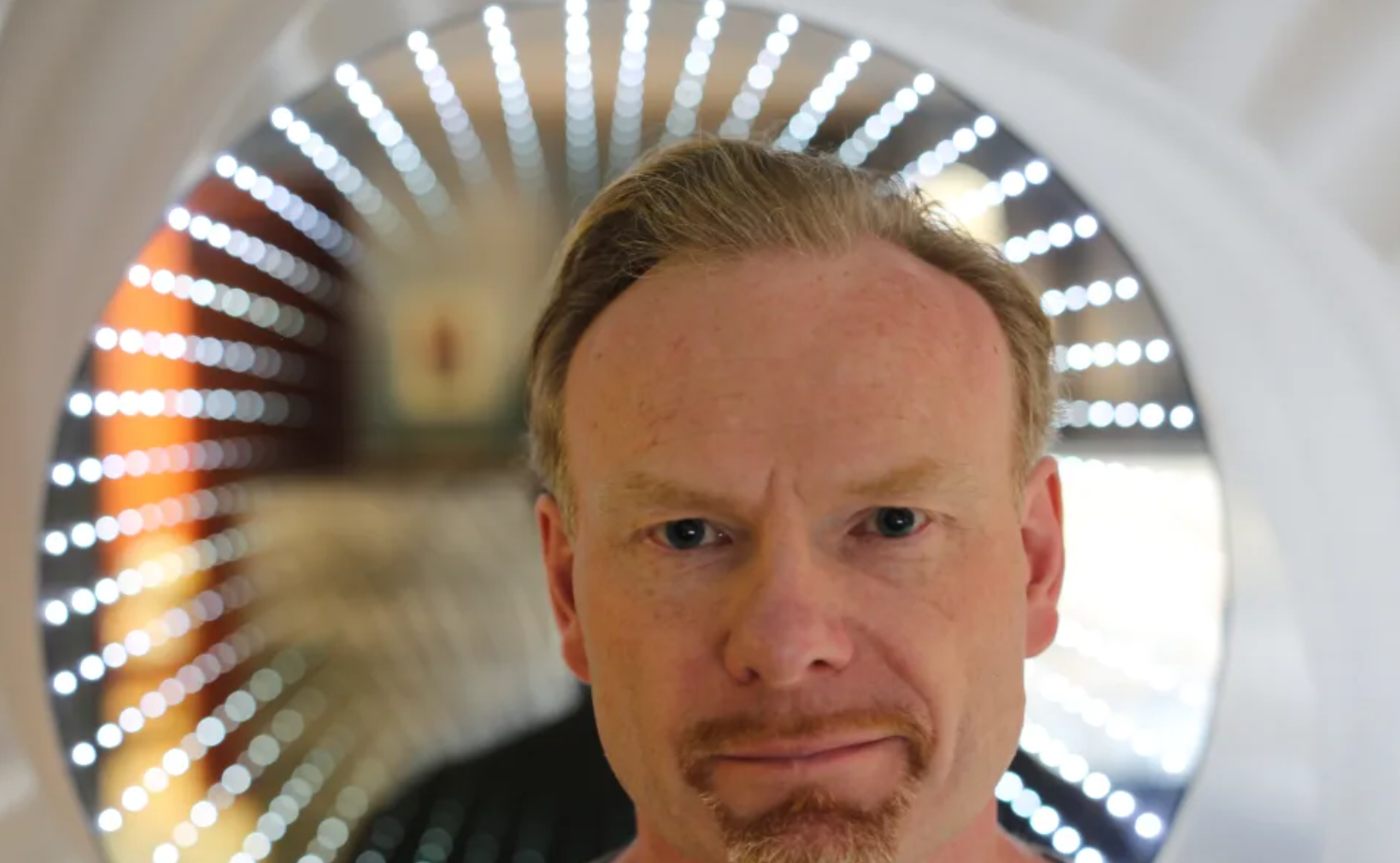
Dr. Max More, former CEO of Alcor
Kowalski added that reviving a frozen person may require reversing aging and repairing any damage or disease in the person's body.
Scientists have yet to find a way to reverse aging and repair damage from diseases like Alzheimer's and cancer, and it's not clear whether it will ever be possible to revive a person in a cryonics chamber.
Kowalski said the Cryonics Institute is also investing money cautiously to ensure it has enough money to sustain operations until science and technology develop enough to find solutions to cryonics.
“We don't know if it will work, but it's definitely worth the effort,” Kowalski said.