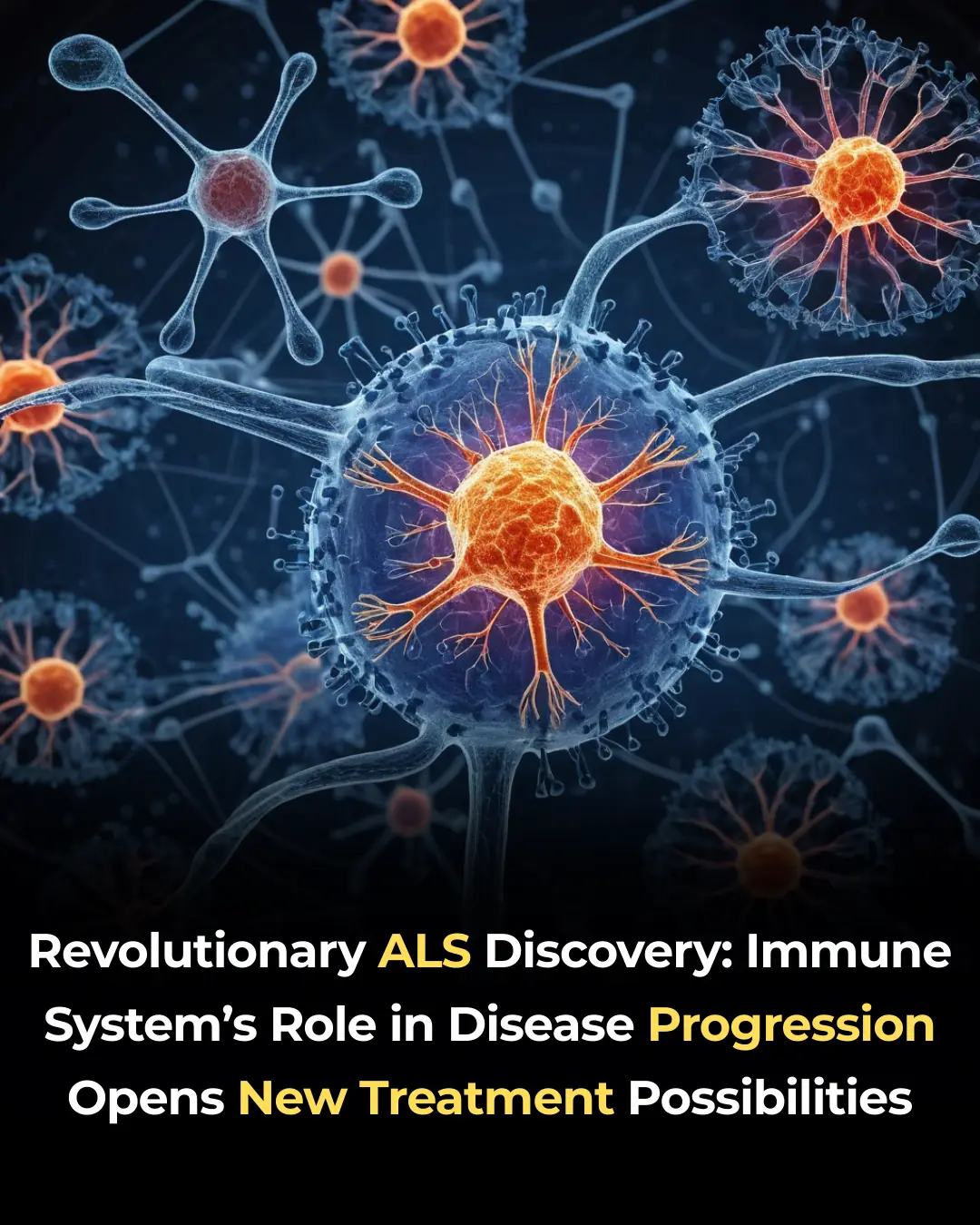
Revolutionary ALS Discovery: Immune System’s Role in Disease Progression Opens New Treatment Possibilities
Facts 03/12/2025 00:08
A groundbreaking study has revealed that the tiny blood vessels in your eyes could serve as a window to your cardiovascular health, offering early signs of potential risks and aging. According to recent research, subtle changes in the vasculature of the eyes may signal underlying issues such as high blood pressure, cholesterol problems, or other heart-related conditions, often before any obvious symptoms of these conditions manifest. This discovery is a game-changer for preventative healthcare, suggesting that eye exams could play a much broader role than previously thought.
Scientists have found that by monitoring the health of the blood vessels in the retina, doctors can identify early signs of cardiovascular disease, including abnormalities in blood flow or vessel structure. These changes can be indicative of conditions like hypertension (high blood pressure) or atherosclerosis (the thickening and hardening of the arteries), which are both significant risk factors for heart attacks, strokes, and other cardiovascular diseases. This non-invasive method of tracking vascular health allows for the detection of potential heart problems long before they manifest as more serious and often irreversible events.
The implications of this discovery are profound, as it offers a new tool for doctors to identify at-risk patients earlier, potentially preventing life-threatening events. Since the blood vessels in the eyes reflect the state of arteries throughout the body, they provide a unique and accessible view of overall vascular health. This could allow physicians to intervene much sooner, offering treatments or lifestyle changes that can reduce the risk of heart-related conditions. Early detection is critical in preventing cardiovascular diseases, which remain one of the leading causes of death globally.
Regular eye exams, traditionally focused on vision issues, may now become an essential part of a broader health monitoring strategy. As more evidence accumulates, these exams could evolve into a key component of routine medical check-ups, not only for diagnosing eye conditions like glaucoma or macular degeneration but also for assessing cardiovascular well-being. This shift could lead to a significant reduction in the incidence of heart attacks, strokes, and other cardiovascular problems by allowing for earlier intervention.
Moreover, the ability to monitor the health of the blood vessels in the eyes could provide valuable insights into the aging process. As people age, changes in the vasculature of the eyes can offer clues about the overall aging of the cardiovascular system. Understanding these changes could help doctors develop personalized strategies for aging patients, focusing on preventing the decline of vascular health before it leads to more severe complications.
This new understanding of the eye’s role in cardiovascular health could also stimulate further research into how lifestyle choices—such as diet, exercise, and smoking—affect not only eye health but also the broader vascular system. It could lead to a deeper understanding of how diseases like diabetes and high blood pressure influence the body as a whole, rather than just targeting specific organs.
Ultimately, the eyes may hold more secrets about your health than previously thought. They offer a non-invasive, easily accessible way to monitor cardiovascular health and aging, giving doctors and patients an invaluable early warning system. Paying closer attention to the subtle changes in the eye’s vasculature could provide the key to preventing serious health issues down the road.
This discovery is a significant step forward in preventative medicine, with the potential to shift how we think about heart health. It emphasizes the importance of regular eye exams and positions them as a critical tool in the fight against cardiovascular disease. As research continues to expand, the day may come when eye exams are standard practice for detecting a variety of health risks, not just for preserving vision but for ensuring long-term cardiovascular wellness.