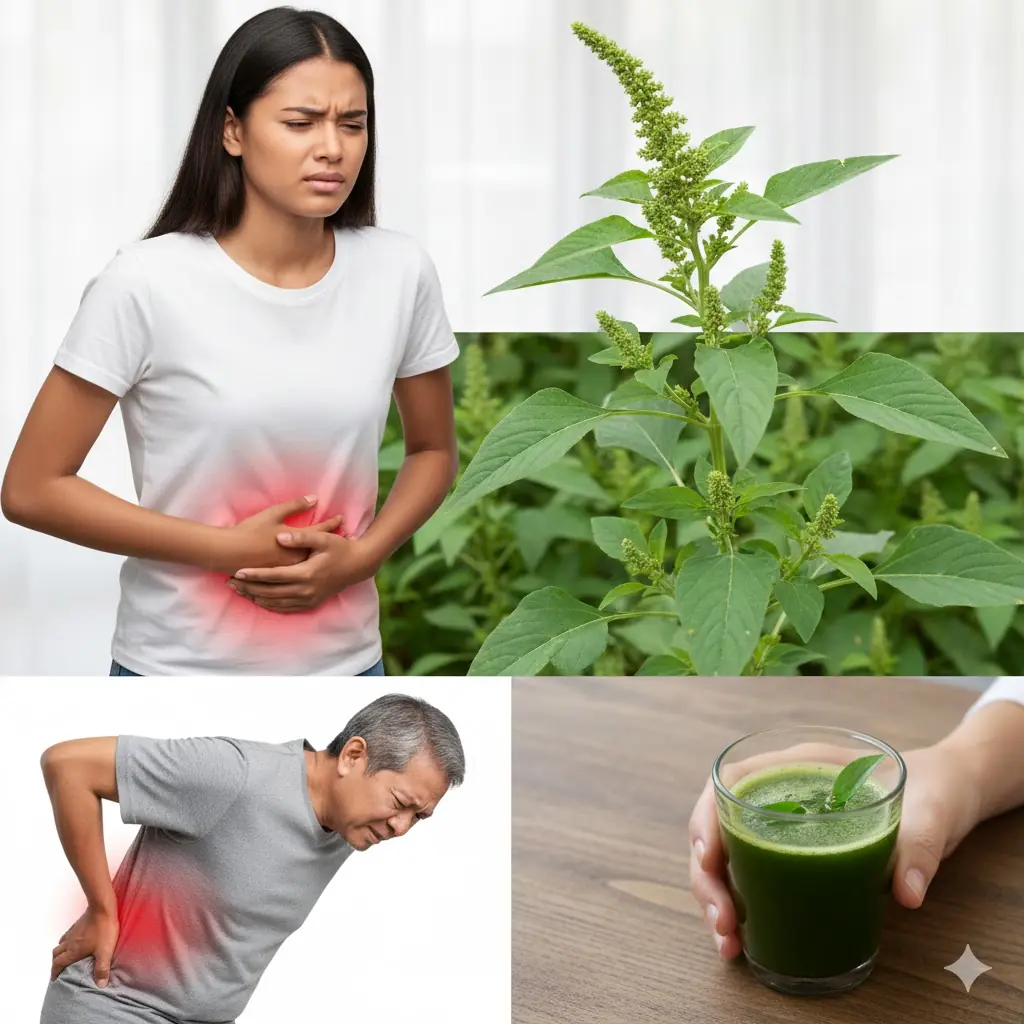
Spiny Amaranth (Amaranthus spinosus): Benefits, Risks, and Safe Uses
Health 23/01/2026 23:26
Gastritis is a common digestive condition that affects millions of people worldwide. Because its symptoms can range from mild discomfort to serious complications, it is important to explain this condition clearly and based on scientific evidence. Understanding what gastritis is, what causes it, and how to manage it can help people protect their digestive health and seek medical care at the right time.
Gastritis is defined as inflammation of the stomach lining (gastric mucosa). It can be classified as acute, which develops suddenly and may be severe, or chronic, which develops gradually and can last for months or even years. The intensity of symptoms varies depending on the cause and severity of the inflammation.
Common symptoms of gastritis include:
Pain, burning, or discomfort in the upper abdomen (often described as pain in the “pit of the stomach”)
Nausea or vomiting
A feeling of fullness, bloating, or abdominal distension, especially after eating
Heartburn or acid reflux–like symptoms
Loss of appetite or early satiety
In more severe cases, gastritis may lead to gastrointestinal bleeding, which can present as black, tarry stools or vomiting blood. These signs require immediate medical attention, as they may indicate serious damage to the stomach lining.
Gastritis can develop for many different reasons. Some of the most common causes include:
Helicobacter pylori infection, a bacterium that damages the stomach’s protective lining and is one of the leading causes of chronic gastritis worldwide
Prolonged use of nonsteroidal anti-inflammatory drugs (NSAIDs) such as ibuprofen, naproxen, or aspirin, which can weaken the stomach’s defenses
Alcohol consumption, particularly excessive or long-term use
Severe physical stress, such as that caused by major illness, trauma, burns, or surgery
Bile reflux, where bile flows back into the stomach from the small intestine
Autoimmune diseases, in which the immune system mistakenly attacks stomach cells
Identifying the underlying cause is essential, as treatment depends on addressing the specific trigger of the inflammation.
Diet plays an important role in managing gastritis symptoms and reducing irritation of the stomach lining. People with gastritis are generally advised to avoid foods and beverages that increase acid production or directly irritate the stomach.
Foods and drinks to limit or avoid include:
Alcohol
Coffee, soft drinks, and other caffeinated beverages
Spicy, heavily seasoned, or fried foods
Foods high in fat or grease
Chocolate
Acidic foods such as citrus fruits and tomatoes, especially during symptom flare-ups
Ultra-processed foods, including packaged snacks and fast food
Instead, a gentle, balanced diet with smaller, more frequent meals is often helpful. Foods that are easy to digest, such as lean proteins, cooked vegetables, oatmeal, rice, and bananas, may help reduce discomfort and support healing.
Medical evaluation is a crucial part of managing gastritis because:
It helps determine the exact cause of the inflammation
It allows healthcare providers to prescribe the most appropriate treatment, such as acid-reducing medications, eradication therapy for H. pylori, or dietary adjustments
It helps prevent complications, including stomach ulcers, bleeding, or anemia
Gastritis symptoms can resemble those of more serious conditions, such as peptic ulcer disease or even stomach cancer
For these reasons, persistent or worsening symptoms should never be ignored.
This content is for educational purposes only and does not replace professional medical advice. If you experience persistent abdominal pain, ongoing vomiting, signs of bleeding, or a worsening of symptoms, seek evaluation from a qualified healthcare professional.
Beyond diet and medication, daily lifestyle habits play an important role in controlling gastritis symptoms and preventing flare-ups. Small, consistent changes can significantly reduce stomach irritation and support long-term healing of the gastric lining.
Key habits that may help include:
Eating slowly and avoiding large meals, especially late at night
Not lying down immediately after eating; waiting at least two to three hours
Quitting smoking, as tobacco weakens the stomach’s protective barrier and delays healing
Managing stress through relaxation techniques such as deep breathing, meditation, or light physical activity
Maintaining a healthy sleep schedule, since poor sleep can worsen digestive symptoms
While stress alone does not directly cause gastritis, chronic stress can aggravate symptoms and interfere with recovery, particularly in people with existing inflammation.
Treatment for gastritis depends on its underlying cause. For example, if Helicobacter pylori infection is identified, a combination of antibiotics and acid-suppressing medications is usually prescribed to eradicate the bacteria. In cases related to NSAID use, reducing or discontinuing the medication—under medical supervision—is often necessary.
Common treatment approaches may include:
Proton pump inhibitors (PPIs) or H2 blockers to reduce stomach acid
Antacids for short-term symptom relief
Protective agents that help strengthen the stomach lining
Nutritional guidance to support healing and prevent recurrence
With appropriate treatment and lifestyle adjustments, many people experience significant symptom improvement. However, untreated or poorly managed gastritis can progress to complications such as peptic ulcers, chronic bleeding, or nutrient deficiencies, including iron or vitamin B12 deficiency.
It is especially important to seek medical care if symptoms persist despite dietary changes, worsen over time, or interfere with daily activities. Warning signs such as unexplained weight loss, difficulty swallowing, severe pain, persistent vomiting, or signs of bleeding should never be ignored.
Early diagnosis allows for targeted treatment and reduces the risk of long-term damage to the stomach lining. Regular follow-up is also important for people with chronic gastritis to monitor healing and prevent recurrence.