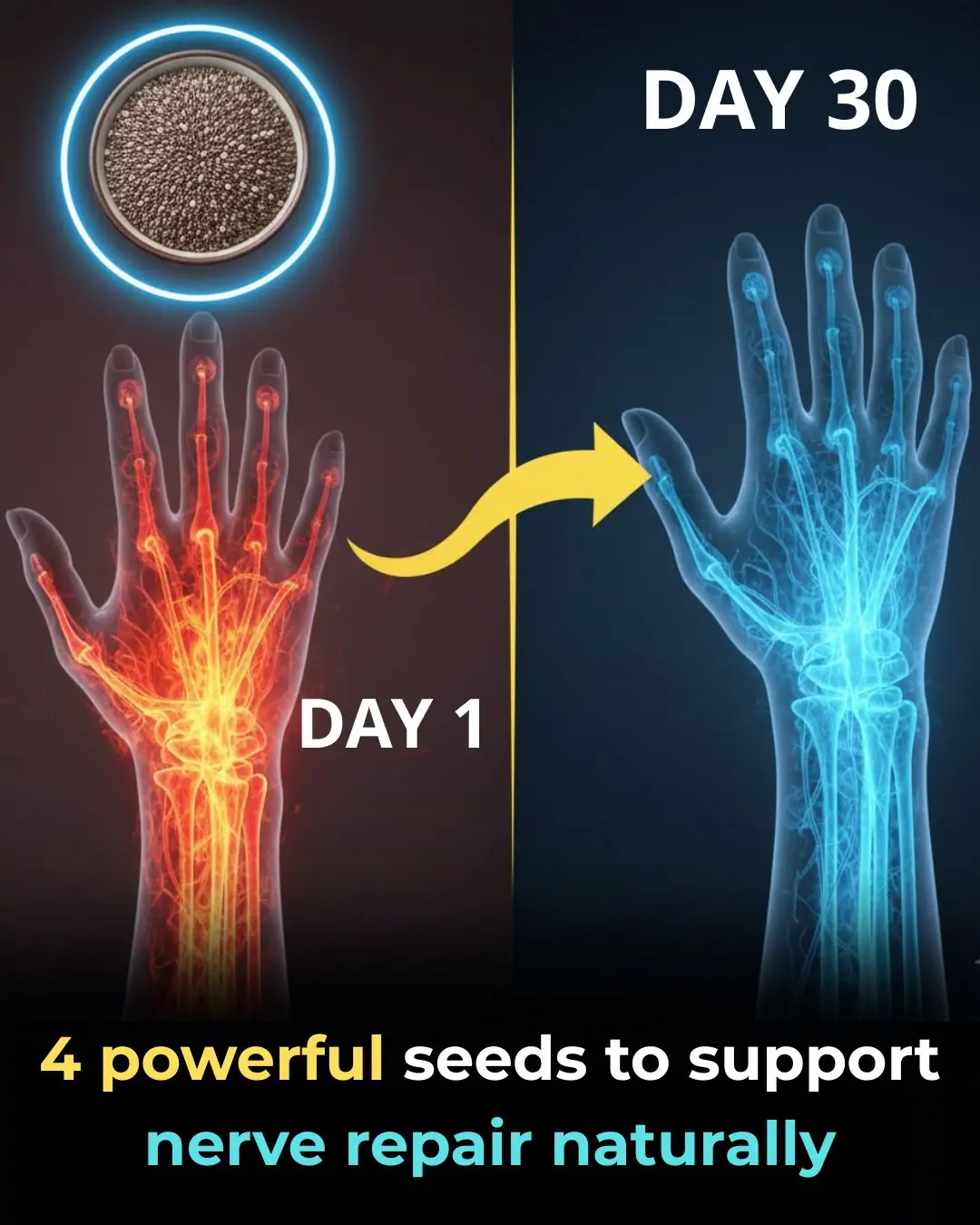
The surprising power of 4 seeds to repair your nerves naturally
Health 07/12/2025 23:45
High blood pressure — often called the “silent killer” — affects millions worldwide. Many people don’t even know they have it until complications arise. Because symptoms are often invisible, hypertension slowly damages vital organs over time, increasing the risk of heart attacks, strokes, kidney failure, and vision loss. The good news? With the right lifestyle strategies, blood pressure can often be controlled naturally.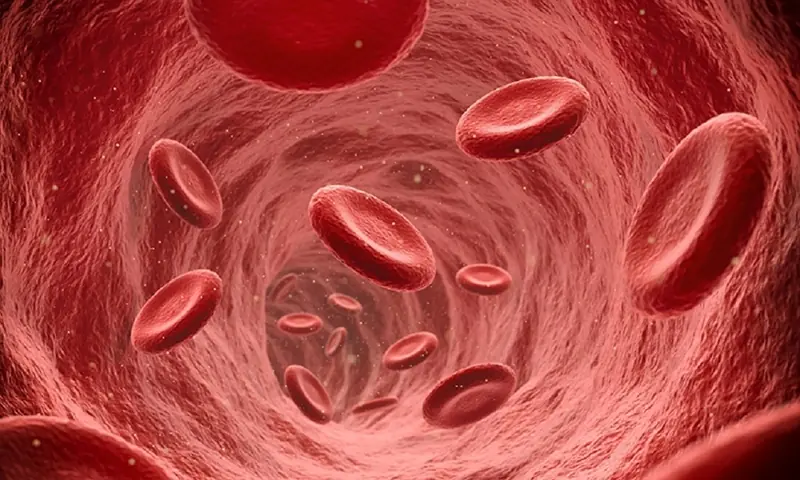
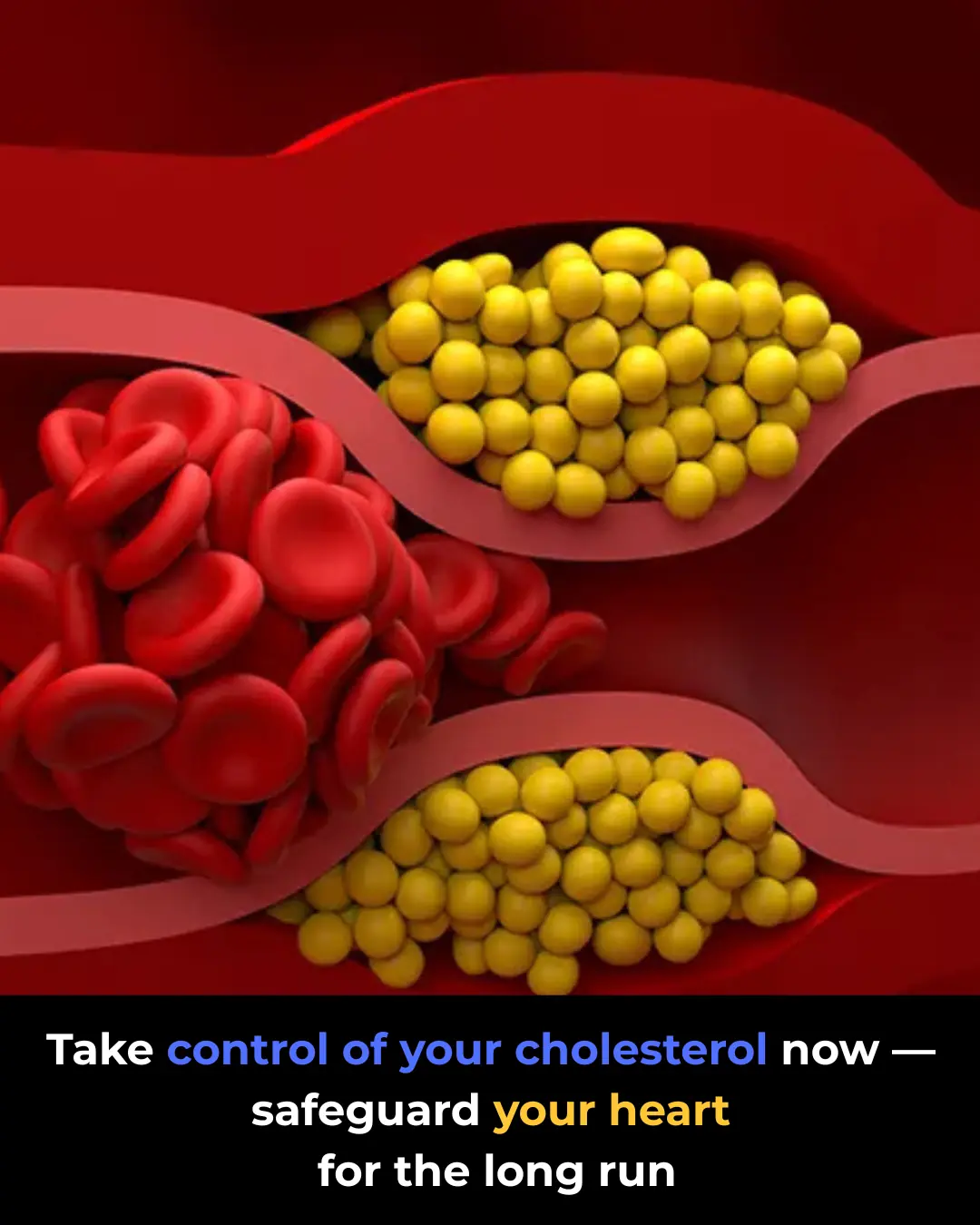
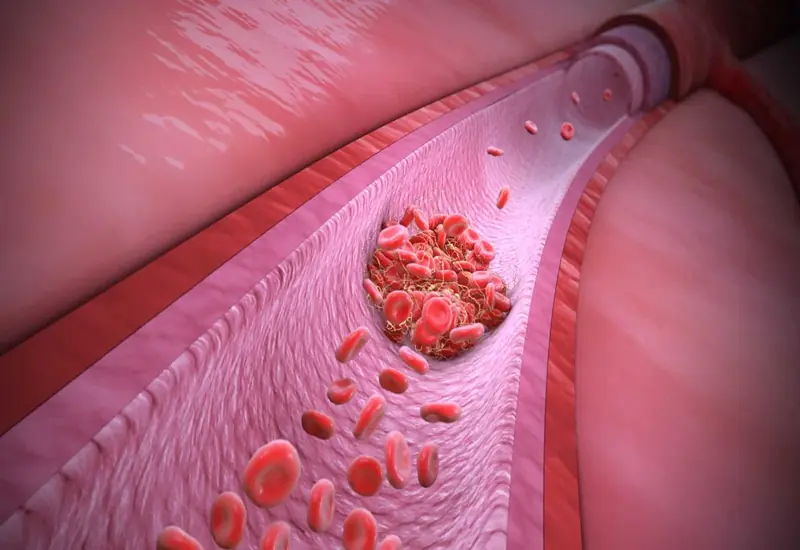
When blood pressure stays high, arteries become thicker, harder, and less elastic. This forces the heart to work harder and reduces healthy blood flow. Over time, plaque buildup leads to heart disease and increased risk of blood clots.
High blood pressure is the number-one risk factor for both. When arteries weaken or burst, a stroke occurs. When they become clogged, the heart is deprived of oxygen, causing a heart attack.
Kidneys rely on healthy blood vessels to filter toxins. Hypertension narrows and scars the vessels, eventually leading to chronic kidney disease.
High pressure can damage blood vessels behind the eyes (hypertensive retinopathy), leading to blurry vision or even blindness.
Some experience headaches, dizziness, chest pressure, or nosebleeds — but many have no signs at all. That’s why regular monitoring is essential.
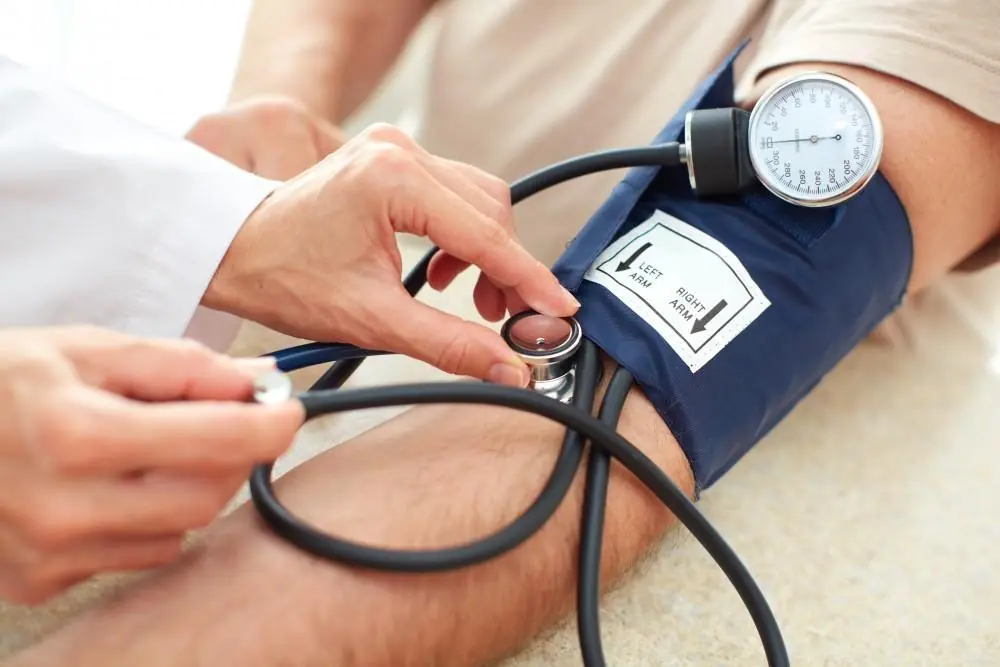
Most people consume too much salt without knowing. Cutting sodium to 1500 mg/day can lower pressure significantly. Avoid processed foods, instant noodles, canned soups, and salty snacks.
Potassium balances sodium and relaxes blood vessel walls.
Great sources include:
Bananas
Sweet potatoes
Spinach
Avocados
Beans
Coconut water
Just losing 5–10% of body weight can dramatically lower blood pressure. Belly fat in particular increases artery stiffness.
Walking, swimming, biking, or yoga improves circulation, reduces stress, and strengthens the heart.
Alcohol raises blood pressure and adds calories. Smoking hardens arteries and increases inflammation.
Magnesium relaxes vessel walls, while omega-3 reduces inflammation. Foods to include:
Fatty fish
Chia seeds
Pumpkin seeds
Almonds
Leafy greens
Stress hormones can spike blood pressure. Breathing exercises and mindfulness help lower it naturally.
Some teas have mild antihypertensive effects:
Hibiscus tea
Green tea
Ginger tea
Celery seed tea
Sleeping 7–8 hours allows the cardiovascular system to reset. Poor sleep increases cortisol and adrenaline levels.
Seek medical advice if:
Your readings are consistently above 140/90
You experience chest pain, severe headache, or shortness of breath
You have underlying conditions like diabetes or kidney disease
Natural methods help — but they don’t replace medical care if you have severe or uncontrolled hypertension.
High blood pressure is dangerous because it develops silently, affecting nearly every organ. However, with the right natural strategies — better diet, exercise, stress management, and lifestyle adjustments — most people can stabilize their levels and protect long-term heart health.