Japan’s Visionary Floating City: A Sustainable Urban Model for 2030 and Beyond
Facts 02/12/2025 17:54
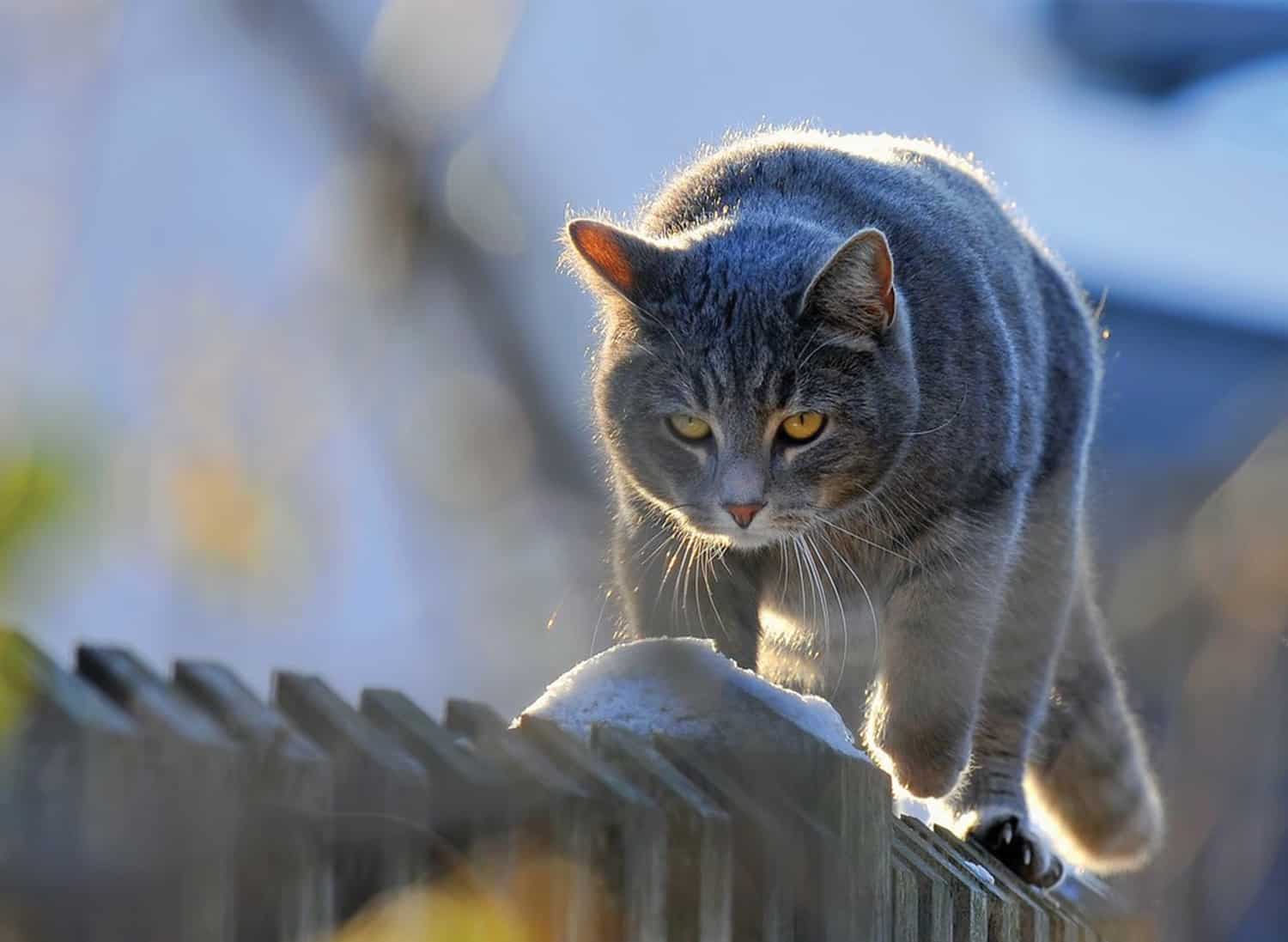
Cats are well-known for their incredible homing instinct, a natural ability that enables them to find their way back home even from great distances. There have been numerous documented cases of cats traveling over 100 miles—sometimes through unfamiliar and challenging terrain—just to reunite with their owners or familiar territory. Although such long-distance journeys are rare, they highlight just how determined and resourceful cats can be when it comes to returning to a place they consider home.
Scientists continue to study this fascinating behavior, but the exact mechanisms behind it are not yet fully understood. The leading theory is that cats rely heavily on their exceptional sense of smell. Their highly sensitive noses allow them to detect and follow familiar scents left along their route, guiding them step-by-step back to their destination. This powerful olfactory ability plays a crucial role in their navigation, especially in environments filled with complex smells and landmarks.
Beyond their sense of smell, some scientific studies suggest that cats might also possess the ability to sense Earth’s magnetic field. This magnetic sensitivity, called magnetoreception, is well-documented in other animals such as migratory birds, sea turtles, and certain fish, helping them navigate long distances during migration. While research on cats’ magnetoreception is still emerging, it provides a compelling explanation for their precise homing abilities. This magnetic sense could serve as an internal compass, complementing their other navigation skills and allowing them to find their way even when visual or scent cues are limited.
Understanding the homing instinct of cats not only reveals more about their remarkable natural abilities but also deepens our appreciation for these beloved pets. Their navigational skills reflect millions of years of evolution and adaptation, helping them survive and thrive in the wild before becoming our domesticated companions.
For those interested in exploring this topic further, reputable sources include Scientific American’s article on animal navigation, National Geographic’s coverage of magnetoreception, and studies published in journals such as the Journal of Comparative Physiology A. These sources provide valuable insights into how animals, including cats, use multiple senses to explore and orient themselves in the world.
In summary, cats’ powerful homing instinct combines their sharp sense of smell with a possible sensitivity to Earth’s magnetic field, enabling them to travel remarkable distances and find their way home. This natural gift underscores the fascinating complexity of feline behavior and continues to captivate scientists and cat lovers alike.
Sources:
Scientific American – How Cats Find Their Way Home
National Geographic – The Mysterious Way Cats Navigate
Journal of Comparative Physiology A – Magnetoreception in Animals