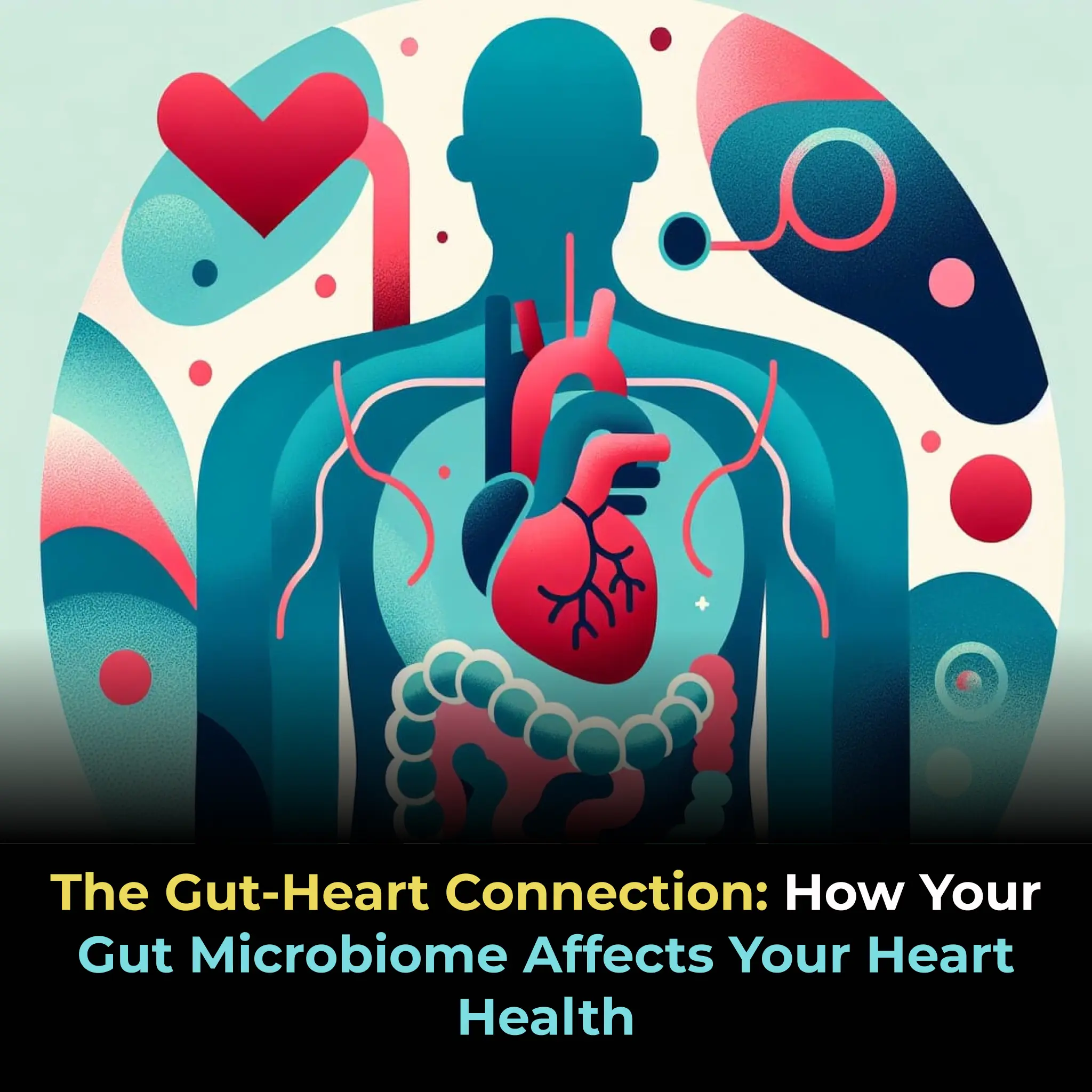
The Gut-Heart Connection: How Your Gut Microbiome Affects Your Heart Health
Facts 09/12/2025 00:01
Have you ever found yourself snapping at someone simply because you were hungry? You're not alone, and science confirms that your emotions may be influenced by more than just your mood. A recent three-week study conducted across Austria, Germany, and Switzerland has shown that hunger can significantly increase irritability and reduce overall happiness. This finding highlights a fascinating aspect of human behavior and emotional regulation, revealing that hunger isn't just about an empty stomach—it has a direct impact on our emotional state.
The study, one of the most naturalistic studies to date, involved participants using a phone app to log their real-time emotional experiences. This approach allowed researchers to observe how hunger influences mood in everyday life, rather than in the controlled environment of a laboratory. The results revealed a consistent pattern: as people’s hunger levels increased, so did their irritability and anger. Participants were far more likely to feel annoyed, frustrated, or even enraged when they hadn't eaten for a while.
The science behind this is rooted in the body's physiological response to hunger. When we don't eat, our blood sugar levels drop, which can disrupt brain function. Low blood sugar affects the brain’s ability to regulate emotions, making it harder to maintain emotional balance and composure. This explains why we often feel more easily triggered or on edge when we are hungry. It’s not just that our stomachs are empty—our brains are also struggling to function at full capacity without the energy provided by food.
Unlike previous lab-based experiments that might not capture the full range of human emotion, this research tracked people’s daily lives, offering a more accurate representation of how hunger affects mood. It underscores how even subtle changes in hunger can quickly lead to conflicts or frustration, especially in social interactions. When you're feeling irritable, it may not be a personal issue with the people around you, but simply a sign that your body needs food.
This study provides valuable insight into the connection between physiological needs and emotional well-being, highlighting how basic factors like hunger can influence our behavior in significant ways. Understanding this relationship can help individuals manage their emotional responses more effectively, especially in situations where hunger might be contributing to irritability or tension.
In conclusion, the next time you find yourself snapping at someone, it may not be due to stress or frustration with them—it could just be that your body is telling you it’s time for a meal. This research reminds us that taking care of our physical needs can be just as important for emotional regulation as taking care of our mental health.