If you feel itching in these 3 areas, here’s what your body might be trying to tell you
When our skin feels itchy, we tend to blame on the sweat, the hygienic products we use, or the material of the clothes we wear, but the truth is that the reasons behind itchy skin can be related to changes taking place inside our body.
The skin can reflect our internal health and the sensation of itchy skin is most times the first sign that something isn’t right with our body.
In medical term, persistent itching is known as pruritus, and while it’s harmless all by itself, it can be a sign of liver, circulatory, metabolic, or hormonal issues.
Here are three body areas where recurring itchiness may signal an internal imbalance, what usually causes it, and what to do in order to prevent it.
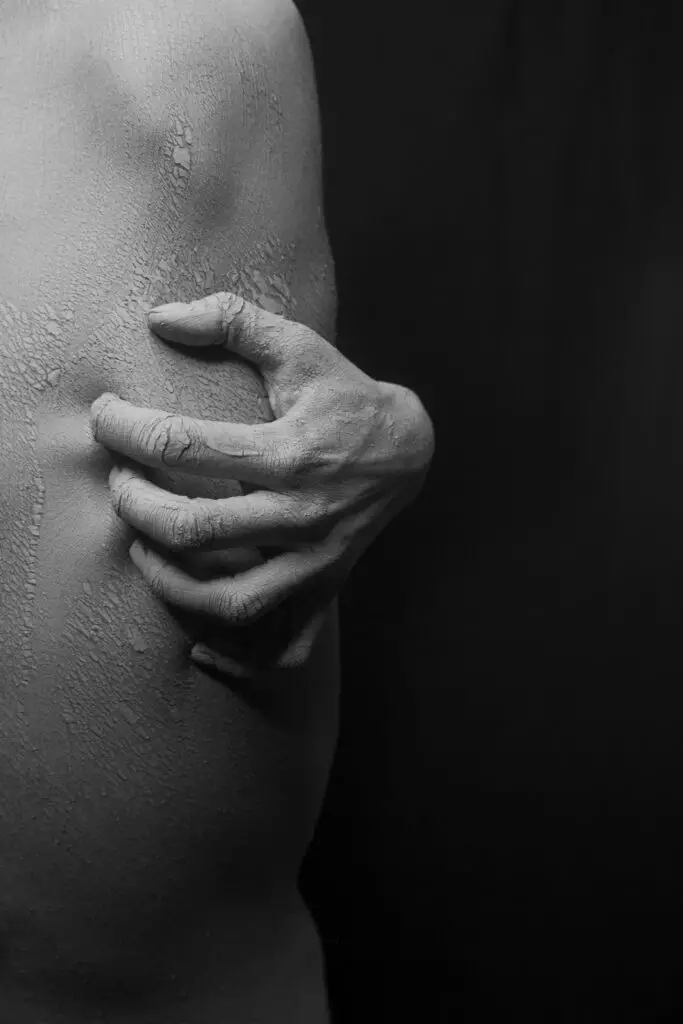
1. Itching on the nape of the neck and upper back
The base of the neck down to the middle of the shoulder blades is a place where itching occurs most frequently. It usually occurs as a result of stress and tension, when circulation is reduced and creates burning or tingling sensations. Other possible causes could be poor blood flow, high blood pressure, and thyroid-related hormonal issues.
You can help it by checking your blood pressure regularly and stretching your neck and shoulders every day. If the itching sensation doesn’t go away, it’s best to consult with a medical professional.

2. Itching in the Legs: Calves and Ankles
While itching in the legs is often dismissed as a reaction to heat, friction, or dry skin, it can also signal deeper cardiovascular or metabolic issues. When the veins weaken and struggle to return blood to the heart, blood begins to pool in the legs, causing swelling, heaviness, fatigue, and persistent itchiness.
Poorly controlled diabetes can have a similar effect, as excess glucose disrupts circulation, dries out the skin, and makes it more prone to irritation and slow-healing wounds.
Further, kidney problems may also contribute. When they don’t function properly, toxins can exit through the skin, leading to intense itching, spots, or peeling.
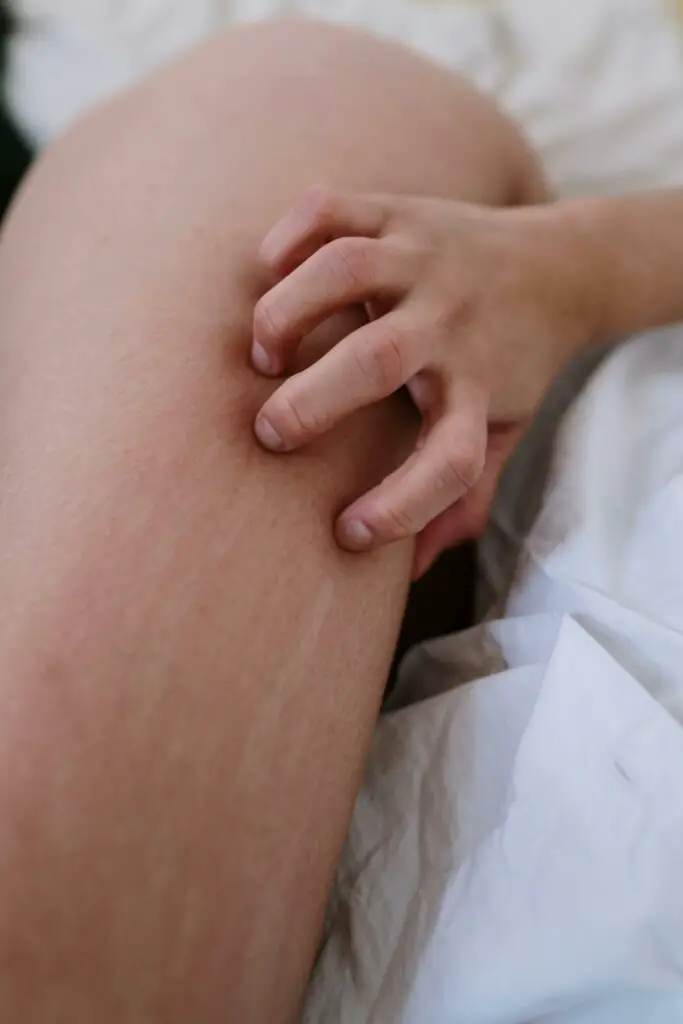
In order to relief the symptoms and support circulation, you can elevate your legs briefly each day, stay active through walking or gentle exercise, and monitor blood sugar if you’re at risk for diabetes.
3. Itching in the palms of the hands or soles of the feet
When the palms of your hands and the soles of your feet are itchy, it can be a sign of liver problems, although this symptoms is sometimes overlooked because it’s lesser known.
When the liver fails to filter toxins properly, which is basically it’s main function in the body, the toxins circulate through the blood and can irritate sensitive areas like the hands and feet. This causes tingling, burning, or fine prickling, especially at night.
It’s not unusual this itching to be accompanied with yellowing of the skin or eyes, fatigue, or a slow appetite and digestion. If you notice this, ask your doctor for a liver enzyme test and cut back on processed foods, alcohol, and heavy fats.

What helps is to staying hydrated, be active, and consult a doctor in case the symptoms won’t go away.
Never ignore itching that lasts long. Always seek medical help if you believe something isn’t right.

News in the same category


New Research Shows Beta Blockers May Raise Heart Failure Risk in Women With Hypertension

13 Science-Backed Benefits of Drinking Lemon Water Daily

Spray This 3-Ingredient Oil On Your Feet 10 Minutes Before Bed And You’ll Be Dozing Off In No Time!

Sniffing Rosemary Can Increase Memory by 75%

The 60-second trick to reset your nervous system

Cleanse Your Kidneys of Toxins With 2 Effective 1-Ingredient Drinks

The unexpected connection between morning blood flow and a stronger heart

7 gentle balance moves seniors are using to feel steadier on their feet

How to Improve Your Vision with Garlic and Lemon – Effective Home Remedies

Top 3 vitamins to repair painful joints that actually work!

Should or should not eat and why

1 cup that instantly wakes your kidneys up and strengthens them naturally

What Clearing the Table Says About You

The effortless joint pain relief trick you will wish you tried sooner

The trick to finally ending stomach pain that refuses to go away

6 Foods That Can Drain Your Calcium and Weaken Bones

If You Carry Bl.ood Type O, You Must Know This to Protect Your Life

How to lower blood pressure naturally (doctor explains)
News Post

The Hidden Power: How Green Papaya Sap Soothes Cracked Heels and Boosts Digestion

Anise Seeds: 8 Remarkable Benefits for Women – When Science Meets Ancient Tradition

Two Tablespoons in the Morning: The Power of Magnesium Chloride

Warning Signs of an Overworked Liver—and the Top Herbs to Help Restore Its Function

Drink Just 1 Glass Before Bed to Cleanse Your Entire Colon in 10 Minutes

New Research Shows Beta Blockers May Raise Heart Failure Risk in Women With Hypertension

The Power of Clove Steam Inhalation (Respiratory Relief You Can Feel Immediately)

13 Science-Backed Benefits of Drinking Lemon Water Daily

Doctors Reveal What Eating Cauliflower Really Does to Your Body — And Why You Shouldn’t Ignore It

Spray This 3-Ingredient Oil On Your Feet 10 Minutes Before Bed And You’ll Be Dozing Off In No Time!

Sniffing Rosemary Can Increase Memory by 75%

The 60-second trick to reset your nervous system

Cleanse Your Kidneys of Toxins With 2 Effective 1-Ingredient Drinks

The unexpected connection between morning blood flow and a stronger heart

Nikola Tesla X-Rayed His Own Foot in 1896 — Pioneering the Future of Medical Imaging

Revolutionary Breakthrough: Scientists Capture the Most Detailed 3D Image of a Human Cell

7 gentle balance moves seniors are using to feel steadier on their feet

12 Probiotic Foods That Heal

Connecting Consumers to Farmers: The Trend of Personalized Food Packaging in Japan