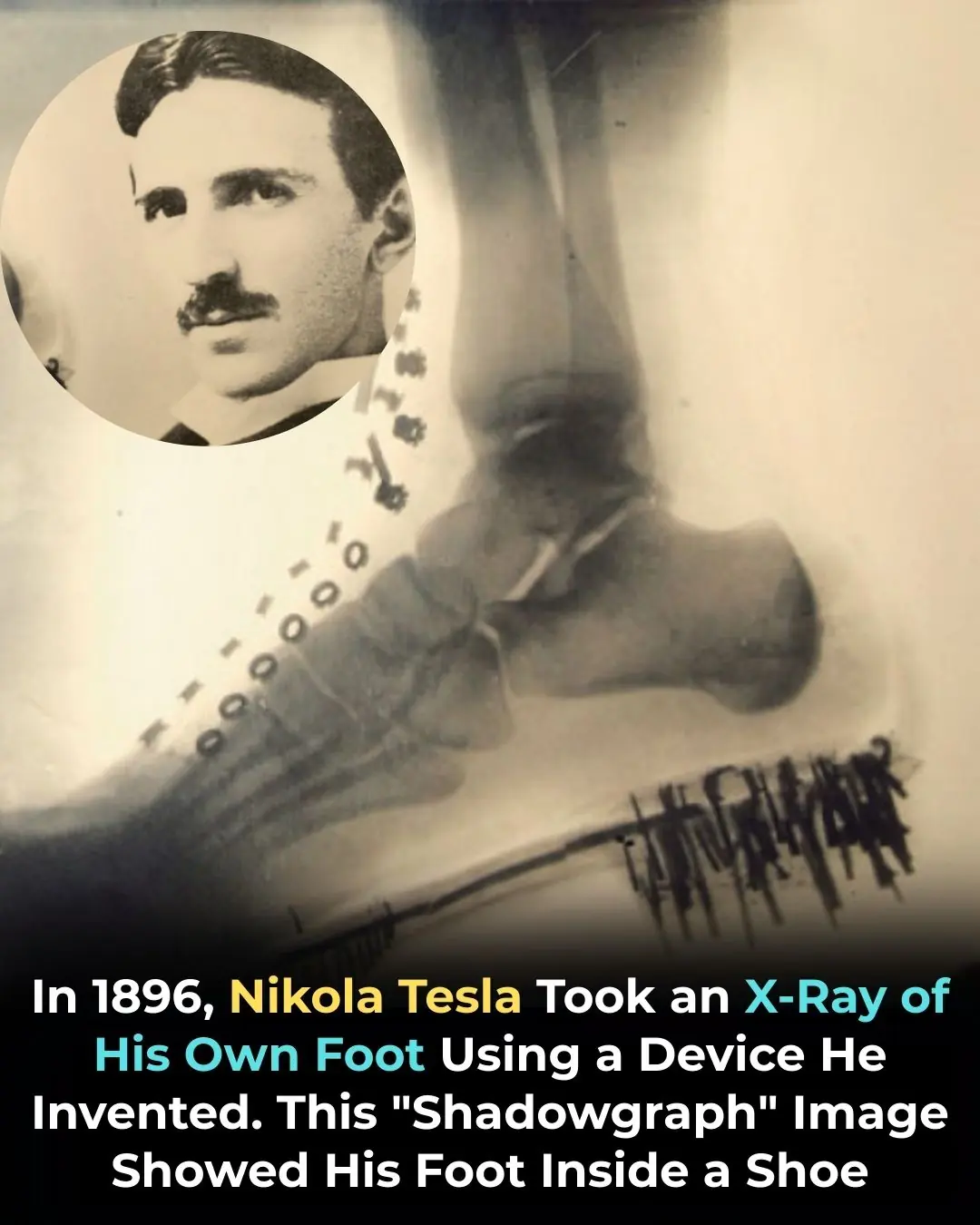
Nikola Tesla X-Rayed His Own Foot in 1896 — Pioneering the Future of Medical Imaging
Facts 09/12/2025 23:39
In some remote Norwegian towns, the surrounding mountains cast long shadows during the winter months, blocking the sun and leaving residents in nearly constant darkness for weeks at a time. The lack of natural sunlight, which can last for months, creates a stark and often depressing environment for the townspeople. To combat this seasonal deprivation of daylight, engineers have turned to a remarkable solution: giant heliostat mirrors installed high on the slopes of nearby mountains.
These mirrors are carefully programmed to track the movement of the sun throughout the day, reflecting its light into the town's main squares and public gathering areas. The heliostats redirect sunlight to these spaces, brightening them up even during the darkest parts of winter. This innovative system not only restores daylight but also provides significant psychological and physical benefits for the townspeople.
The reflected sunlight brings warmth and light into public spaces, providing a welcome respite from the months of darkness. Even a limited amount of exposure to natural sunlight has been shown to have positive effects on health and well-being. It can help reduce symptoms of seasonal affective disorder (SAD), a condition that is particularly prevalent in regions with long winters and limited sunlight. Additionally, natural light can boost mood, improve mental health, and increase overall energy levels. It encourages people to spend more time outside, fostering a sense of community and connection, despite the cold, snowy conditions that often make outdoor activities less appealing.
This project highlights the power of innovation and environmental adaptation in improving quality of life. Rather than relying on artificial lighting, which can have negative environmental impacts and disrupt natural rhythms, these towns have found a way to harness the power of nature to overcome geographical challenges. The heliostat mirrors allow the towns to stay connected to the natural world and its cycles while still providing the necessary daylight during the darkest months of the year.
What makes this solution so striking is its simplicity and elegance: by using the sun’s own energy, these towns can bring light to areas where it would otherwise be scarce, offering residents a better quality of life without disturbing the natural environment. This project proves that with a little ingenuity, even the most difficult environmental obstacles can be overcome, making the bleakest winters a little brighter and improving the overall well-being of the community.
In a world that is increasingly seeking sustainable solutions to urban challenges, this approach stands as an inspiring example of how technology can be used to adapt to environmental conditions and enhance human life in ways that are both practical and ecologically responsible.