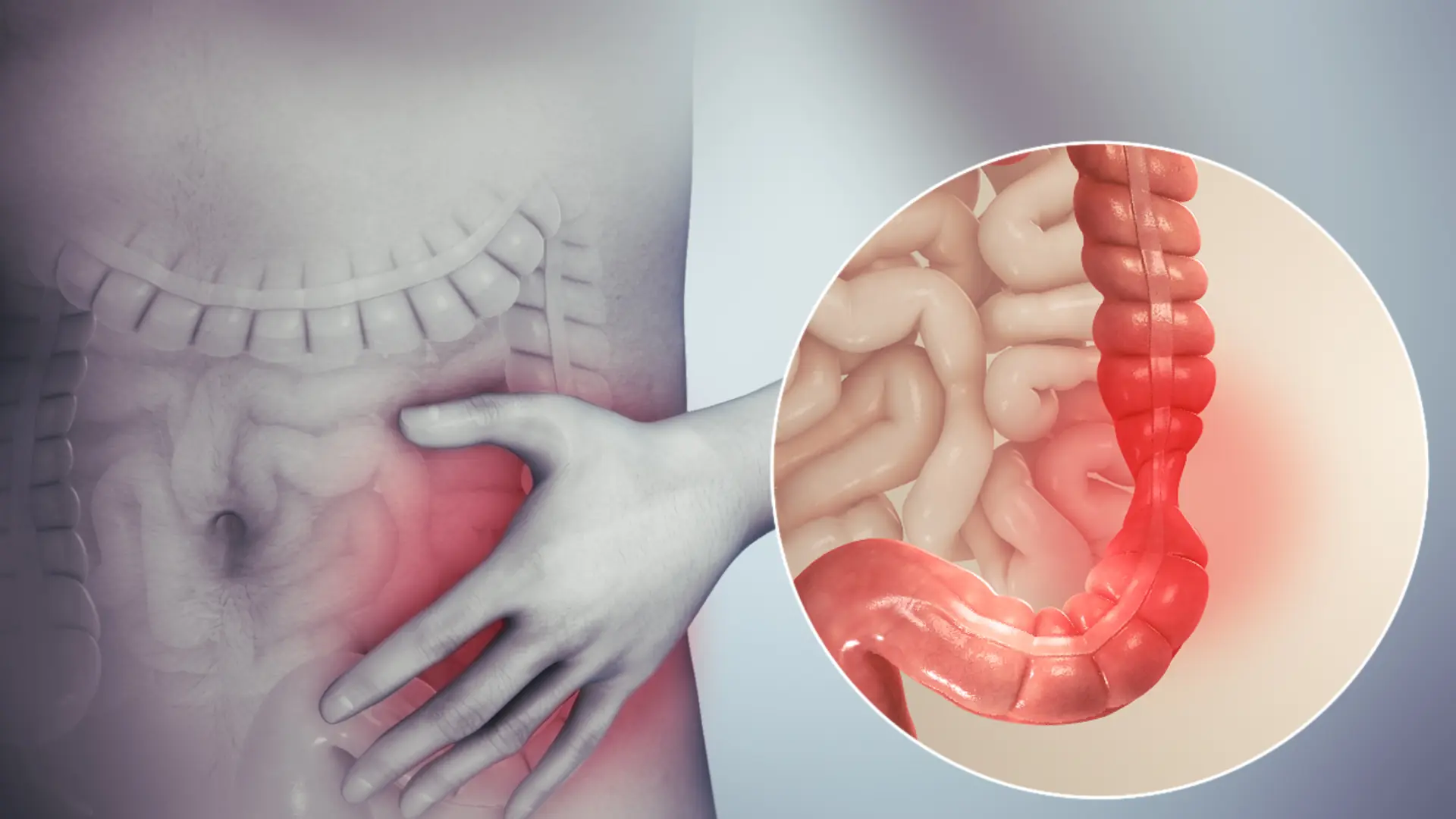
Irritable Bowel Syndrome (IBS) is a chronic gastrointestinal disorder affecting millions of people worldwide. It causes abdominal pain, bloating, diarrhea, constipation, or an unpredictable combination of both. Although IBS does not cause permanent damage to the intestines, it significantly affects quality of life.
Understanding what triggers IBS flare-ups is key to managing symptoms and preventing daily discomfort.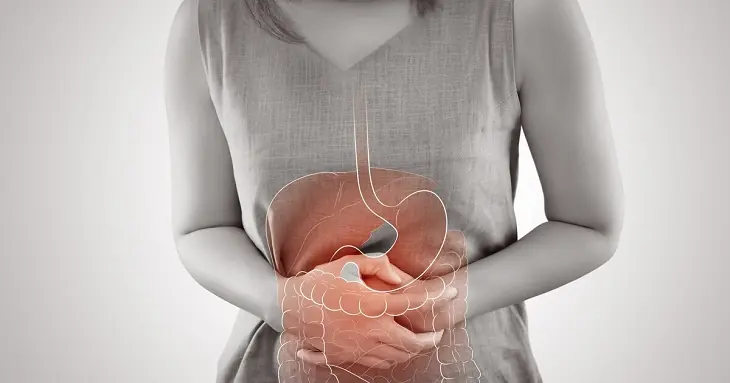
I. What Causes IBS?
The exact cause is unknown, but contributing factors include:
-
Gut–brain axis dysfunction
-
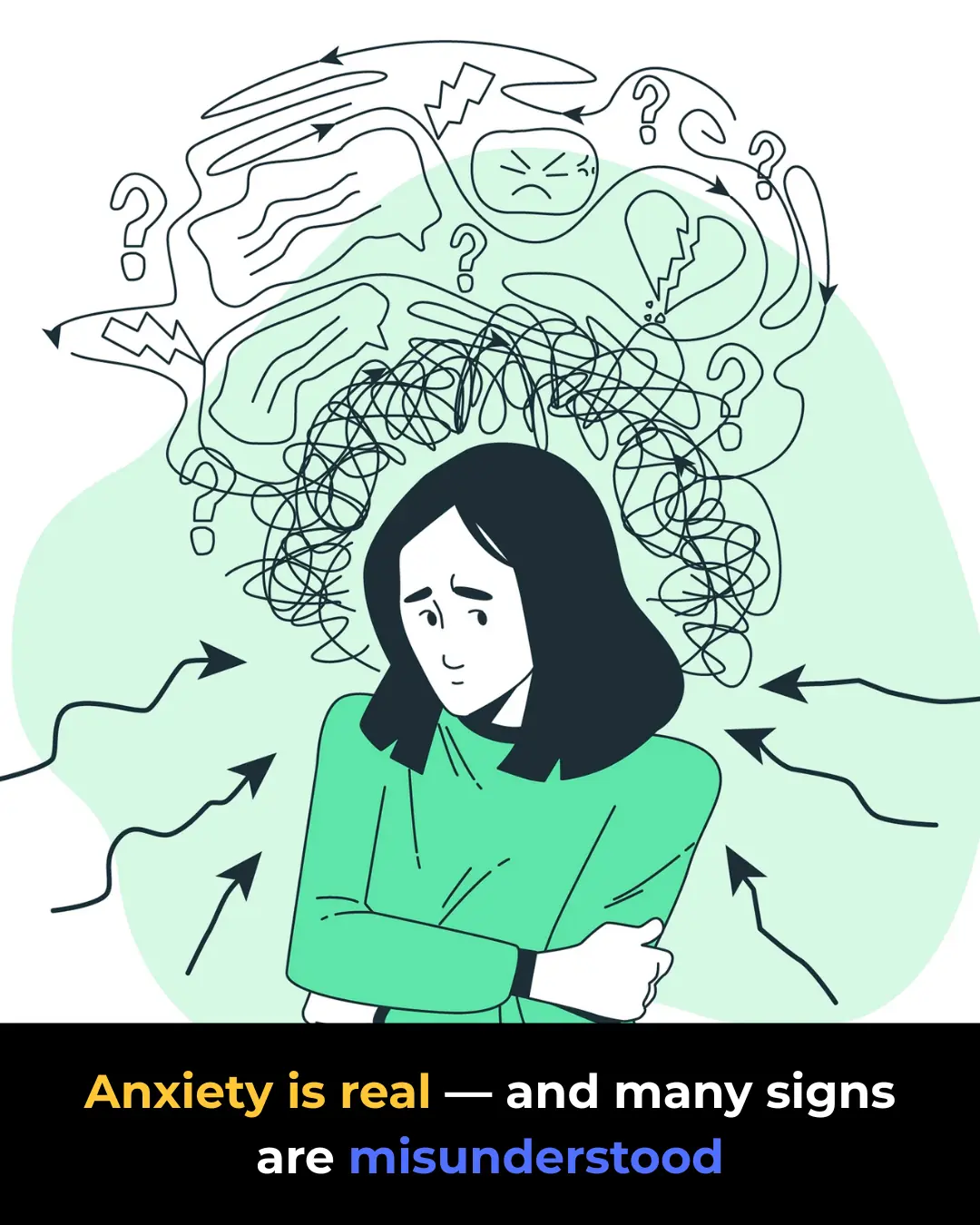
Stress and anxiety
-
Hormonal changes
-
Food sensitivities
-
Previous stomach infections
-
Altered gut bacteria
IBS is a functional disorder, meaning the problem lies in how the gut works, not its structure.
II. Things That Commonly Make IBS Worse
1. Certain Foods
-
Dairy
-
Gluten
-
Onions and garlic
-
Beans
-
Spicy foods
-
Caffeine
-
Artificial sweeteners
-
Fried foods
These foods can trigger bloating and bowel irregularities.
2. Stress
The gut responds strongly to emotional changes — stress activates the nerves controlling digestion, causing cramping or diarrhea.
3. Irregular Eating Patterns
Skipping meals, overeating, or late-night eating can worsen symptoms.
4. Lack of Sleep
Poor sleep increases intestinal sensitivity.
5. Hormonal Fluctuations
Many women report worsening symptoms during menstruation.
6. Antibiotics
These can disrupt gut microbiota and trigger flare-ups.
III. Managing IBS Flare-Ups
1. Adjust Your Diet
Many patients benefit from a Low-FODMAP diet, limiting foods that ferment in the gut.
2. Eat Smaller, More Frequent Meals
Prevents overwhelming the digestive system.
3. Increase Soluble Fiber
Oats, bananas, chia seeds, and psyllium help regulate bowel movements.
4. Stay Hydrated
Essential for preventing constipation.
5. Manage Stress
Meditation, yoga, walking, journaling, and therapy help regulate the gut-brain connection.
6. Use Probiotics
These support healthy gut flora.
7. Avoid Triggers
Keep a food diary to identify personal sensitivities.
IV. When to Seek Medical Care
Visit a doctor if you notice:
-
Unexplained weight loss
-
Blood in the stool
-
Persistent vomiting
-
Severe dehydration
-
Family history of gastrointestinal diseases