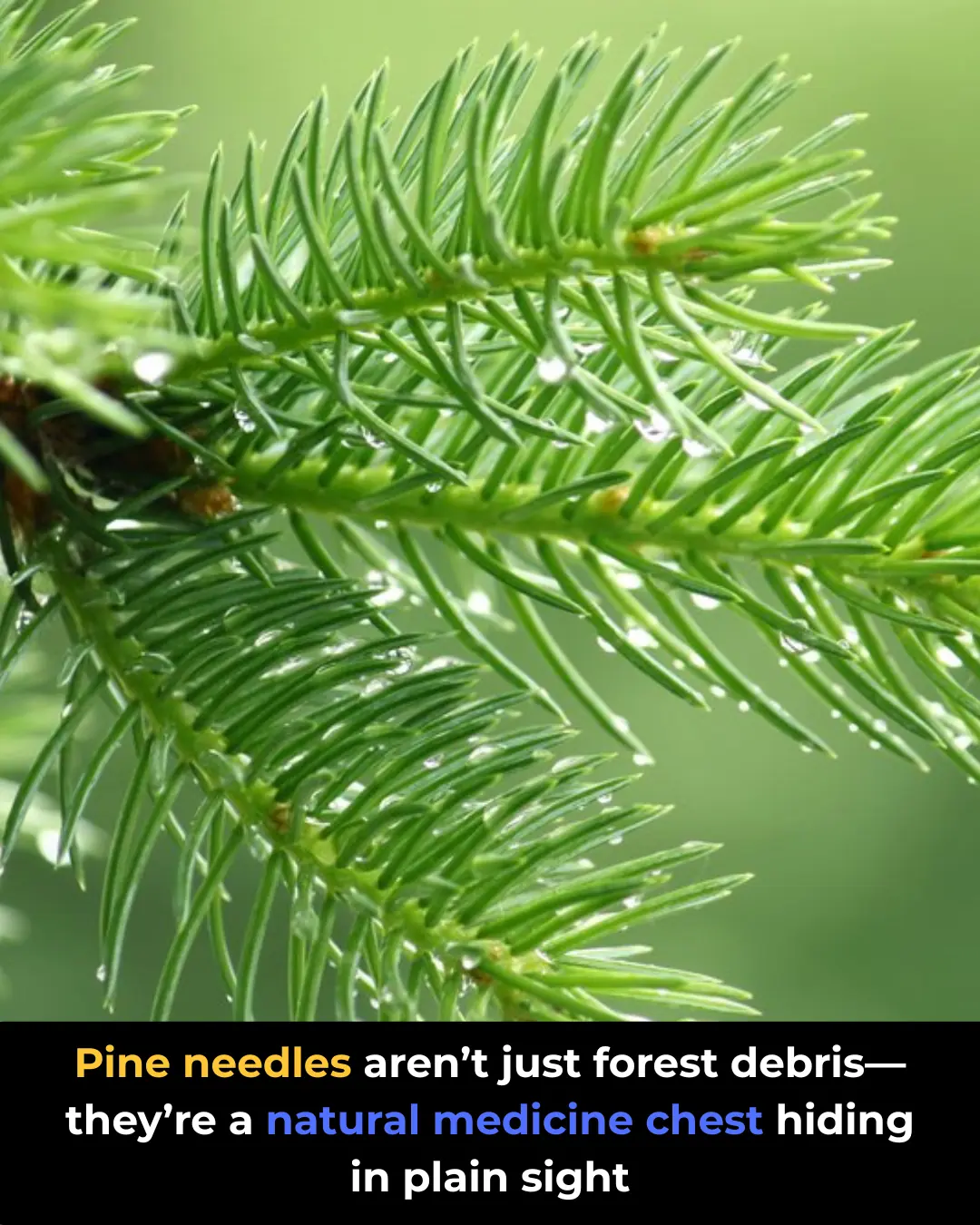
The Power of Pine Needles: 30 Benefits and Homemade Uses
Beatuty Tips 16/12/2025 23:52
Verbascum thapsus, commonly known as mullein, is one of the most respected wild herbs for lung and respiratory health. Growing freely along roadsides, open fields, and sunny hillsides, this tall, soft-leaved plant has been used for centuries in European, Native American, and folk herbal traditions.
What makes mullein so valuable is its unique dual action: it helps loosen and expel excess mucus while also soothing irritated respiratory tissues. This makes it useful for both dry, irritating coughs and productive, congested coughs—a rare and powerful combination in herbal medicine.
Whether you struggle with chronic breathing issues or simply want natural support during cold and flu season, mullein is a gentle yet effective plant worth understanding.

Mullein’s expectorant, demulcent, and anti-inflammatory properties allow it to support a wide range of respiratory concerns:
Dry or productive cough
Bronchitis (acute or chronic)
Asthma (supportive use only)
Lung congestion and excess mucus
Sinus infections and post-nasal drip
Sore throat and throat irritation
Smoker’s cough
Emphysema (symptom relief support)
Pneumonia (as a complementary herb, not a cure)
Post-viral or post-COVID lung weakness
Chronic Obstructive Pulmonary Disease (COPD) – symptom support
Allergy-related breathing issues
Laryngitis and voice strain
Chest tightness and wheezing
Inflammation of lung tissue
How it works:
Mullein contains mucilage that coats and calms irritated tissues, while its saponins help break up thick mucus so it can be expelled more easily.
Mullein is one of the easiest medicinal plants to identify, even for beginners.
Key identification features:
First Year:
Large, ground-hugging rosette
Thick, oval leaves
Extremely soft, fuzzy, felt-like texture
Gray-green color
Second Year:
Tall central stalk (up to 2 meters / 6–7 feet)
Bright yellow, five-petaled flowers blooming upward
Flowers open gradually along the stalk
Leaves:
Woolly, velvety hairs (hence the nickname “flannel leaf”)
Habitat:
Sunny, dry locations
Roadsides, abandoned fields, pasture edges
Always harvest away from polluted roads or sprayed areas.
Leaves
Best harvested in the first year
Choose clean, healthy leaves
Harvest in dry weather
Flowers
Collected in mid to late summer
Pick gently, as they are delicate
Drying
Lay leaves flat in a single layer
Dry away from sunlight
Store in airtight containers
Proper drying preserves both potency and safety.
How to prepare:
1 tablespoon dried leaves or flowers
1 cup hot (not violently boiling) water
Steep 10–15 minutes
Strain very carefully through a fine cloth or coffee filter
Why straining matters:
Tiny hairs on mullein leaves can irritate the throat if not removed.
Use for:
Coughs, chest congestion, sore throat, mild asthma support
Drink up to 3 cups daily during illness.
How to use:
Add a handful of dried or fresh leaves to hot water
Cover head with a towel
Inhale steam for 5–10 minutes
Benefits:
Clears sinuses
Loosens chest mucus
Opens airways naturally
Use 1–2 dropperfuls, up to 3 times daily
Longer shelf life than tea
Stronger systemic effect
Best for chronic conditions or when tea isn’t practical.
Preparation:
Fill a jar with dried mullein flowers
Cover with olive oil
Infuse 2–4 weeks
Strain and store
Uses:
Chest rub during respiratory illness
Traditionally used for ear discomfort
Gentle enough for children (external use)
Mullein works beautifully with other lung-supporting herbs:
Thyme – for stubborn coughs
Licorice root – for throat irritation
Elecampane – for deep lung congestion
Marshmallow root – for dry, irritated coughs
Avoid combining mullein with dairy during illness, as dairy may increase mucus.
Generally safe and non-toxic
Always strain teas thoroughly
Not a replacement for emergency or prescription treatment
Consult a healthcare professional for:
Pneumonia
Severe asthma
COPD flare-ups
Pregnant or breastfeeding individuals should consult a professional before use
Mullein is a gentle yet powerful reminder that some of the most effective lung remedies grow freely around us. Its ability to calm inflammation, loosen mucus, and soothe irritated airways makes it one of the best herbal allies for respiratory health.
Used with respect and proper preparation, Verbascum thapsus offers steady, natural support for clearer breathing—without harsh side effects.