New US Travel Rules Require Social Media Accounts: A Step Towards Security or Invasion of Privacy?
Travelling to the United States has just become a lot more personal. New security regulations now mandate that international tourists provide their social media accounts from the past five years, including platforms like Instagram, Twitter, TikTok, and Facebook. This change has left many travelers grappling with the implications of sharing their online histories with authorities before even setting foot in the country.
U.S. officials defend the new measure, stating that it will help them identify potential security risks and individuals who might pose a threat to national safety. By reviewing social media activity, officials claim they can better assess risks that may not be evident through traditional means such as background checks or interviews. These social media accounts, they argue, can offer valuable insights into a person's activities, associations, and beliefs, helping authorities spot warning signs of extremist behavior or other risks.
However, critics are voicing strong concerns over what they perceive as an invasion of privacy. For many, the new rule feels like digital surveillance, with governments now having access to vast amounts of personal information that extends far beyond typical security protocols. Social media accounts can reveal much about an individual’s personal life, preferences, and relationships, raising questions about how far authorities can go in their search for potential threats. Critics argue that this measure could lead to the profiling of innocent travelers based on their online activities, opinions, or associations, which may not always be relevant to national security concerns.
For millions of travelers, the new policy has prompted even larger questions: Should a person’s online history be subjected to scrutiny simply for the act of going on vacation? The idea of handing over personal social media accounts can feel invasive, especially when it involves sharing details about personal relationships, political views, or other private matters that may have no bearing on a person’s ability to travel. Many are now reconsidering the implications of such a rule, questioning whether the benefits of national security outweigh the personal costs of surrendering one’s digital privacy.
This move has sparked a broader debate about the balance between security and privacy, especially in a world where digital footprints are increasingly seen as part of one’s identity. As more countries adopt similar measures, it raises an important issue: at what point do security measures overstep the boundaries of personal privacy? Will this new rule deter people from visiting the U.S., or will it become just another step in the travel process?
In the end, this development forces many to ask themselves a difficult question: does visiting the U.S. mean sacrificing personal privacy? For some, it’s enough to make them think twice about booking that next flight.
News in the same category


The New York Hairstylist Who Spends His Day Off Helping the Invisible People of the City

The $400 Million Car Carrier That Sank Into the Atlantic: A Tale of Fire, Luxury Cars, and Environmental Risks

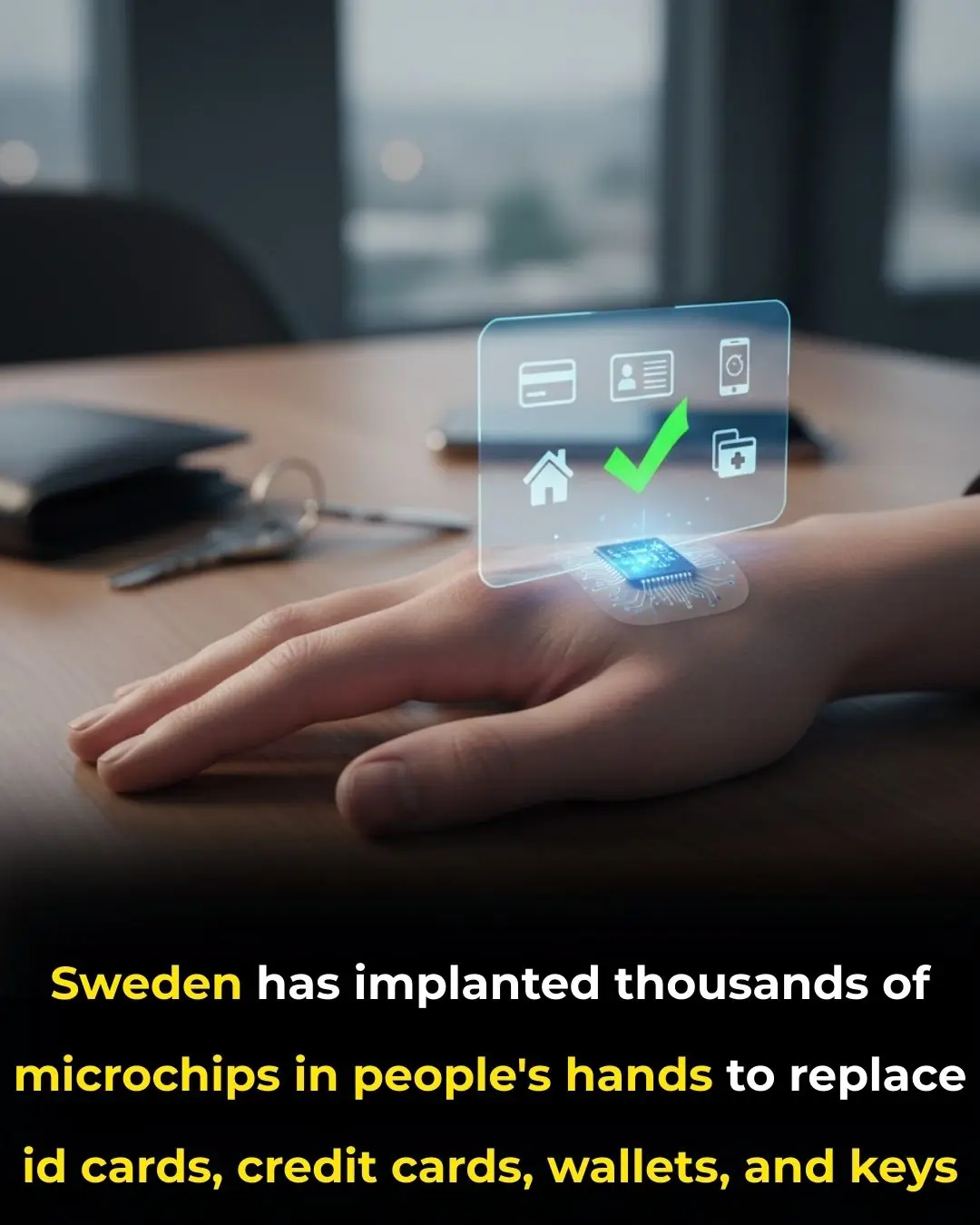
Sweden’s RFID/NFC Implant Trend: Unlocking Convenience or Opening the Door to Privacy Concerns?

Alice Walton’s Groundbreaking Medical School: A New Era for Medicine and Healthcare

Get Ready for the Geminid Meteor Shower: A Stunning Celestial Show on December 13-14

12 Foods to Eat When You're Sick: Nourishing Your Body Back to Health

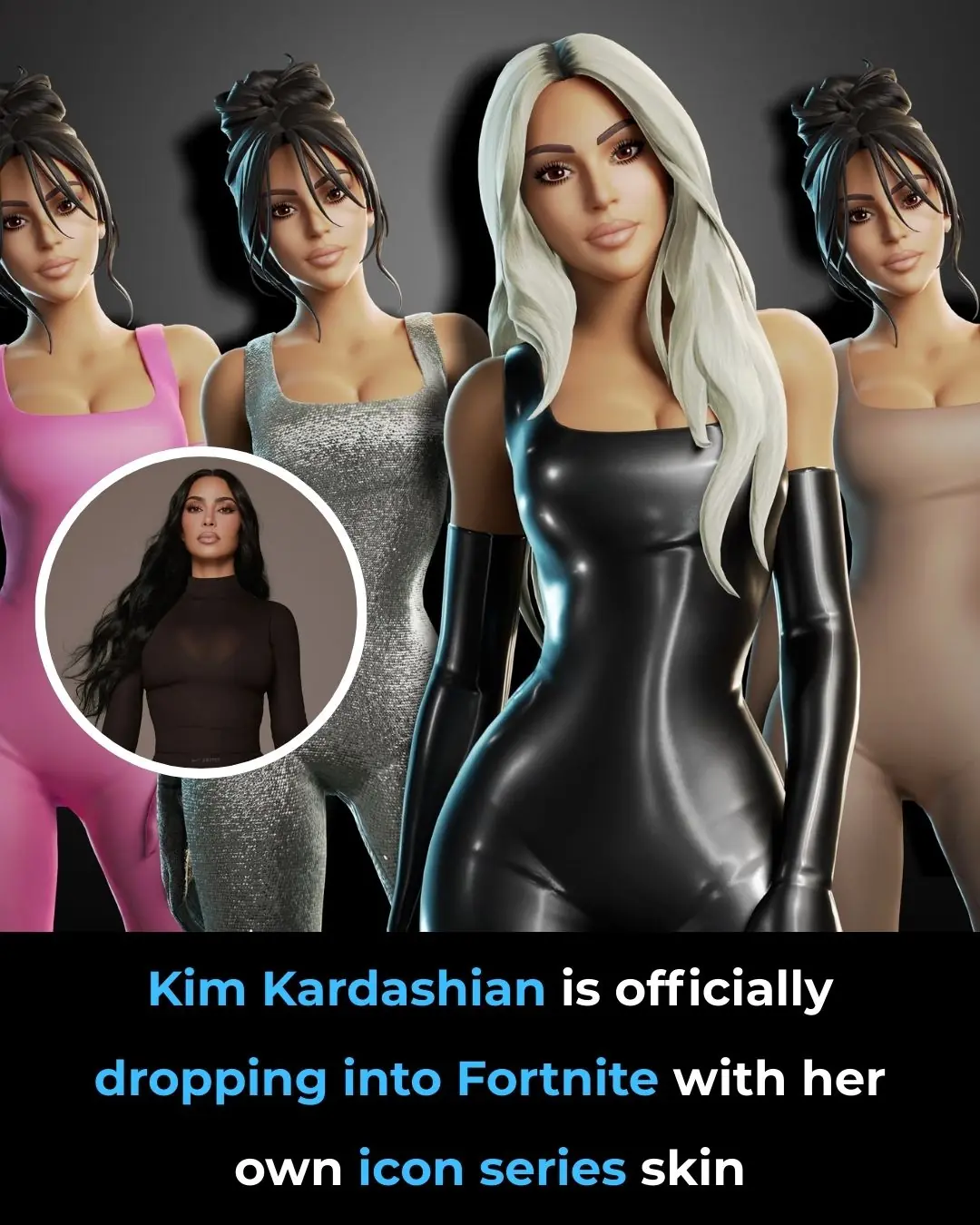
Kim Kardashian Joins Fortnite as Newest Icon Series Skin with Exclusive Bundles

12 Strange Body Symptoms — Explained

Chinese Robotics Company’s T800 Humanoid Robot Kicks CEO in Viral Demo, Raising Eyebrows Worldwide

Hello Kitty's Harmonyland Transforms into "Park in the Sky" Luxury Resort in Japan

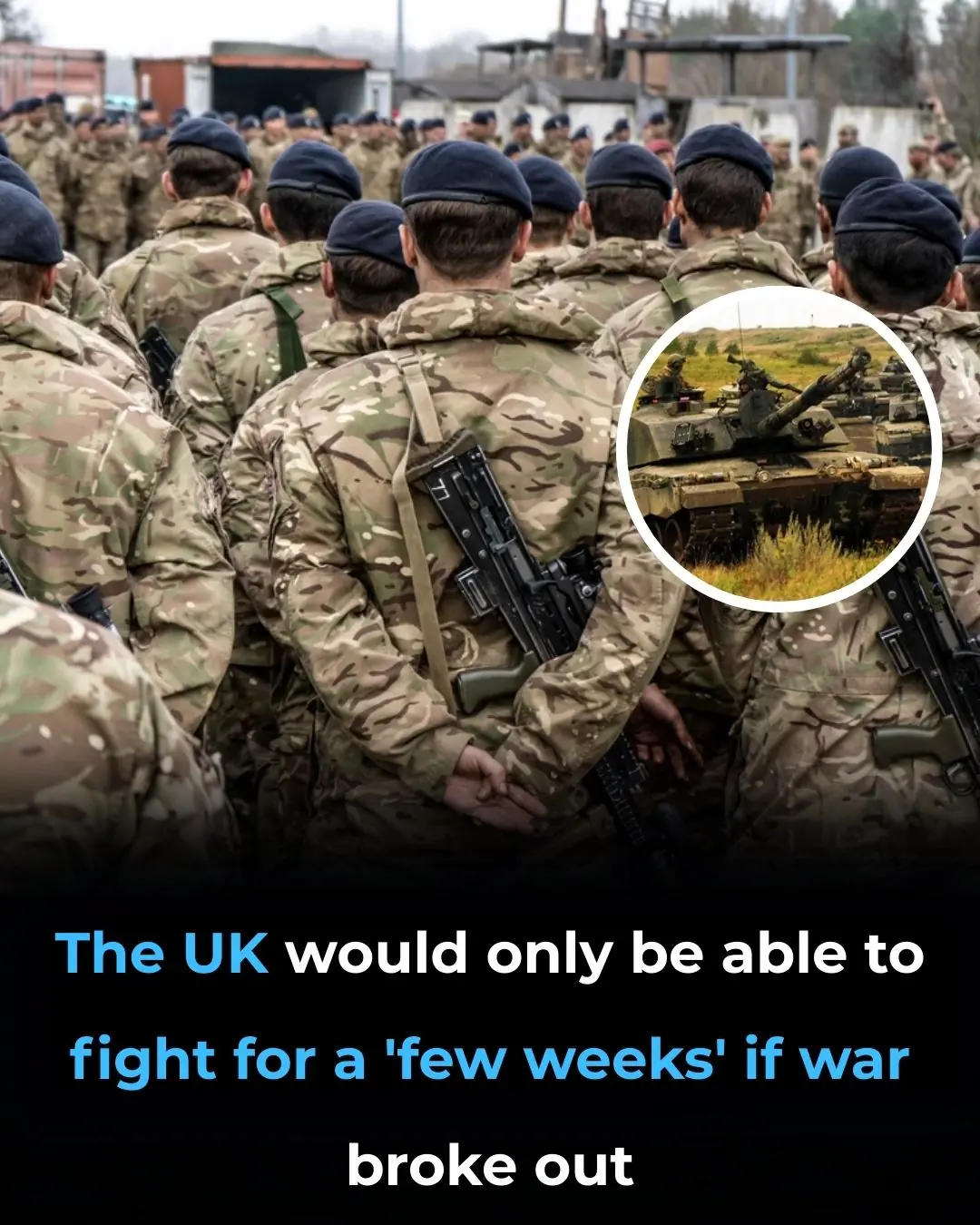
UK’s Military Readiness Under Scrutiny: Could It Survive a Major Conflict with Russia?

Disney’s Live-Action Tangled: McKenna Grace and Mason Thames in the Spotlight for Rapunzel and Flynn Rider Roles

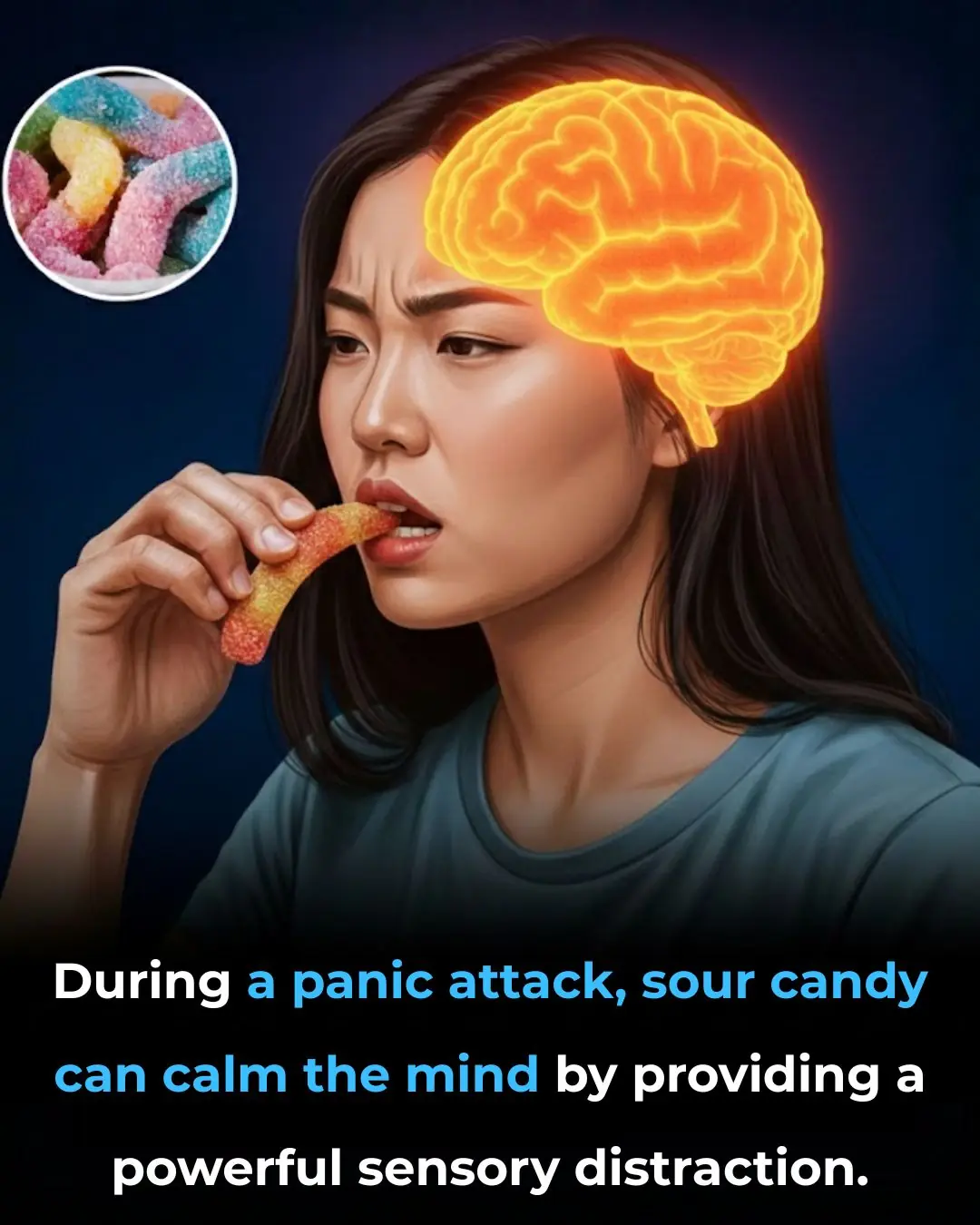
Sour Candy: A Surprising Ally in Managing Panic Attacks and Anxiety

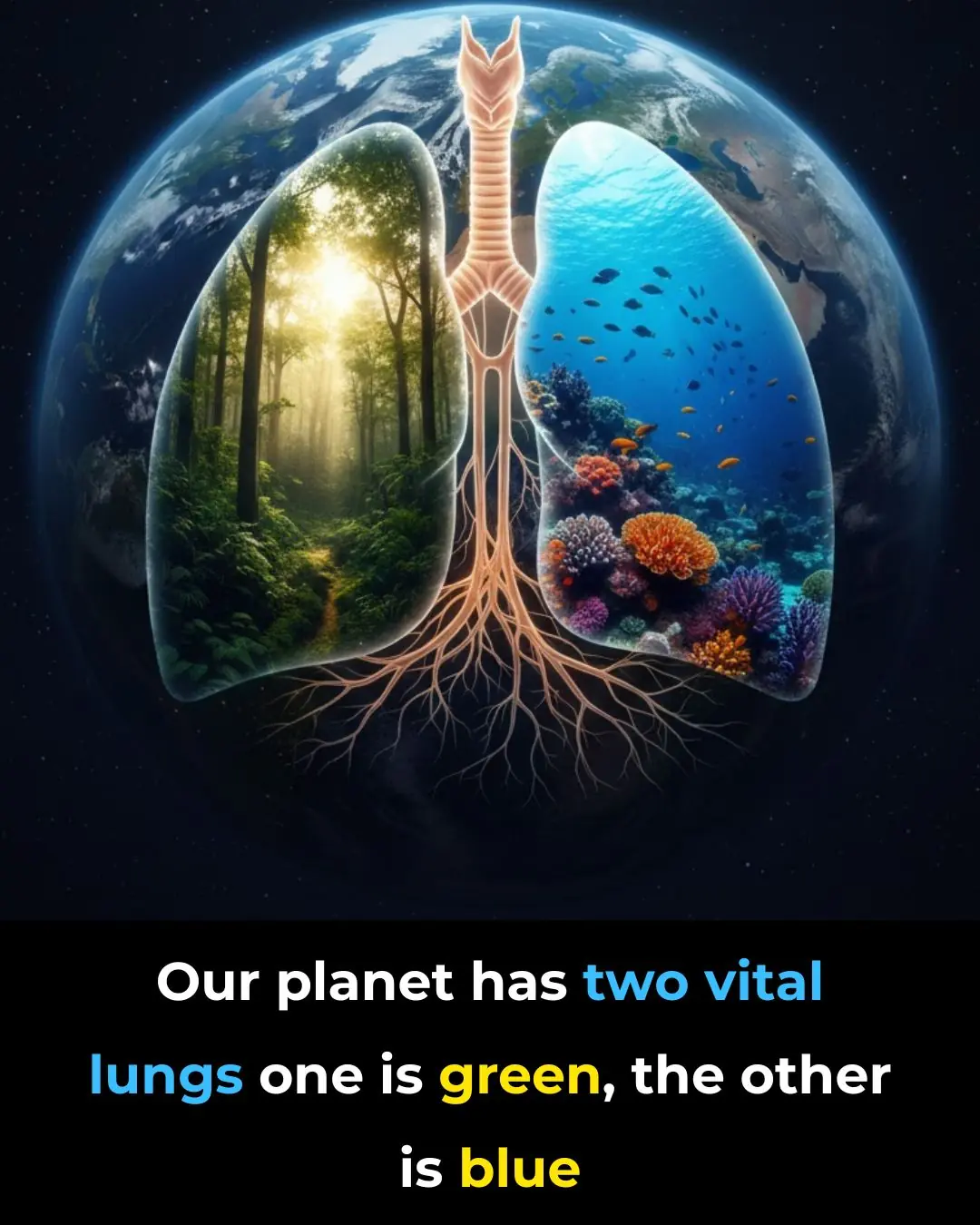
Two Lungs, One Earth: Protecting Our Planet’s Vital Ecosystems for a Sustainable Future

2,000 Years Later: The Enduring Strength of Roman Concrete and Its Self-Healing Secrets

Doctor Warns of Mesotherapy’s Risky Side, Causing Reptile-Like Skin

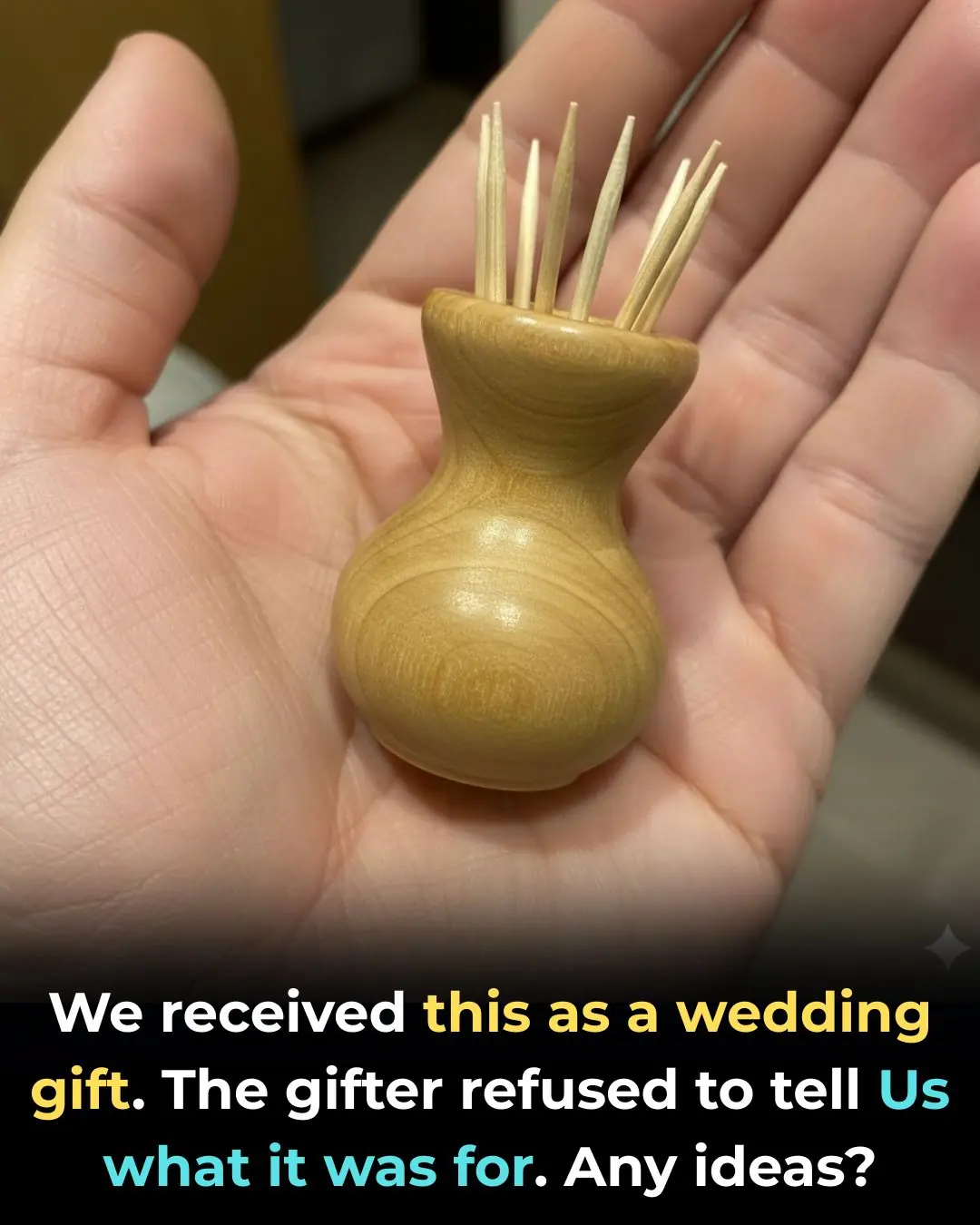
Objects People Were Confused About Their Purpose

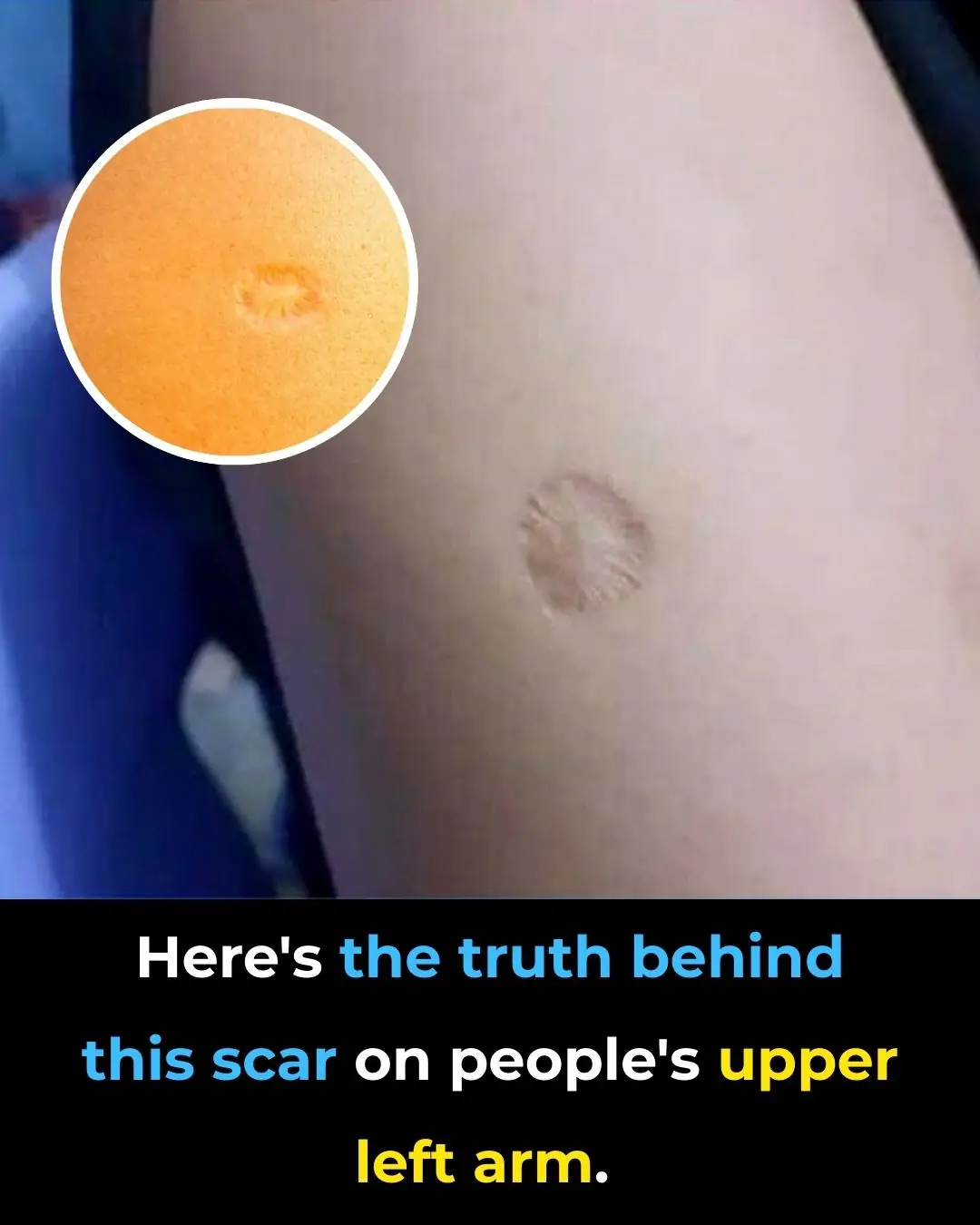
Here's The Truth Behind This Scar On People's Upper Left Arm
News Post

Australia’s “Infinity Train” — A Self-Recharging Heavy-Haul Giant Powered by Gravity

The New York Hairstylist Who Spends His Day Off Helping the Invisible People of the City

The $400 Million Car Carrier That Sank Into the Atlantic: A Tale of Fire, Luxury Cars, and Environmental Risks

Sweden’s RFID/NFC Implant Trend: Unlocking Convenience or Opening the Door to Privacy Concerns?

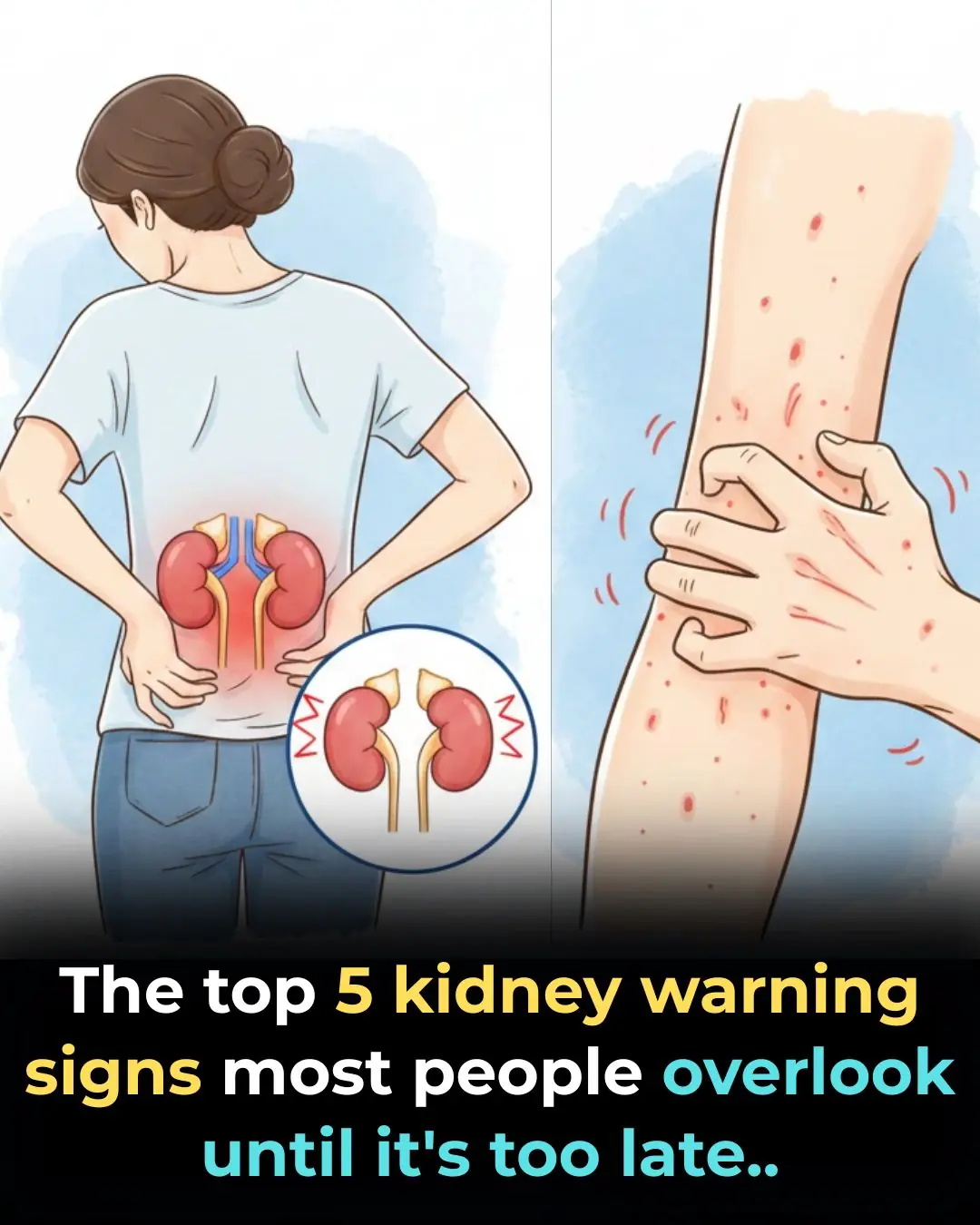
Top 5 Warning Signs Of Kidney Damage You’re Ignoring

Alice Walton’s Groundbreaking Medical School: A New Era for Medicine and Healthcare

💖 Falling in Love After 60: The Real Challenges (and Beautiful Rewards) No One Talks About

Get Ready for the Geminid Meteor Shower: A Stunning Celestial Show on December 13-14

12 Foods to Eat When You're Sick: Nourishing Your Body Back to Health

3 Types of Coffee That Can Boost Longevity and Help Prevent Heart Disease & Stroke

Two Very Cheap Drinks That Surprisingly Help Reduce the Risk of Stroke and Cancer — The First One Is Loved by Office Workers

Kim Kardashian Joins Fortnite as Newest Icon Series Skin with Exclusive Bundles

12 Strange Body Symptoms — Explained

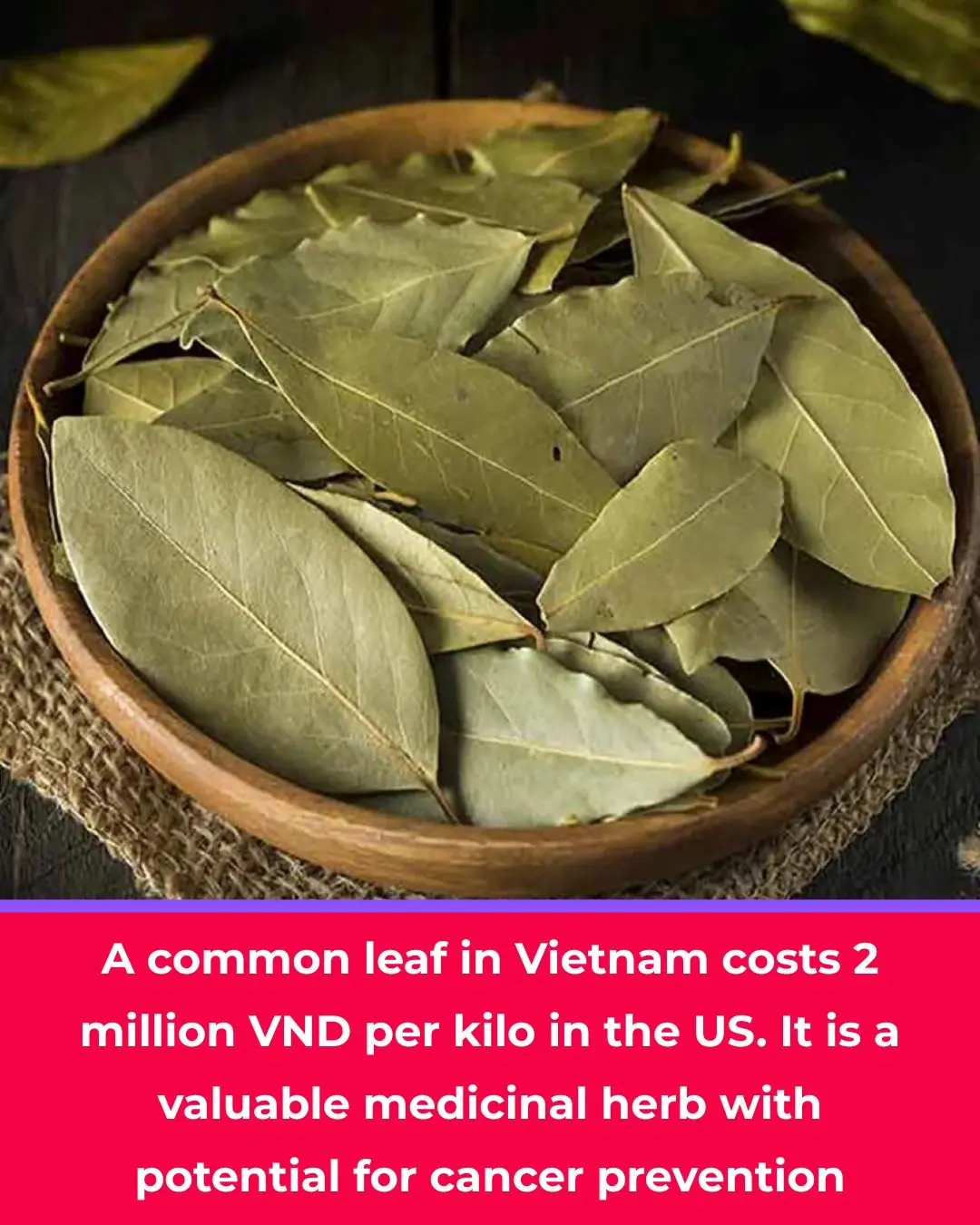
This humble Vietnamese leaf sells for $80 per kilo in the U.S. — a powerful medicinal herb with cancer-fighting potential

5 everyday foods that are incredibly cheap but may help protect your cells — Vietnamese people should eat them regularly for better health

15 Mulching Mistakes That Could Be Sabotaging Your Garden

This Is News to Me: Why Your Home Has an Elevated Platform

This Is News to Me: The Simple Trick for Growing Perfect Potted Rosemary

10 Cooking Cleanup Habits You’re Doing Wrong — and How to Fix Them