Researchers Restore Youthfulness to Human Skin Cells in Just 13 Days
Scientists at the Babraham Institute in Cambridge have achieved a remarkable breakthrough in the field of cellular rejuvenation, discovering a method to reverse the biological age of human skin cells by nearly 30 years while still preserving their original specialized functions. This discovery represents one of the most advanced demonstrations of “youth restoration” ever reported and could reshape the future of regenerative medicine.
In their study, researchers used a refined version of cellular reprogramming—an approach inspired by the Nobel Prize–winning Yamanaka factors, which can revert adult cells back into pluripotent stem cells. However, fully reprogramming cells into stem cells carries significant risks, including the loss of cell identity and a higher potential for tumor formation. To address these concerns, the Babraham team applied a short, carefully controlled reprogramming method known as “maturation phase transient reprogramming.” This technique exposes cells to reprogramming factors for a limited period, stopping the process before the cells lose their identity.
The results were striking. Within just 13 days, the treated skin fibroblasts began behaving as if they were almost three decades younger. The rejuvenated cells produced higher levels of collagen—a key structural protein responsible for skin strength and elasticity—and showed faster migration during wound-healing tests. These improvements suggest that partial reprogramming could enhance both the appearance and function of aging tissues.
Importantly, the cells maintained their original identity as skin cells, demonstrating that it is possible to restore youthfulness without resetting them to a stem-cell-like state. This makes the technique far safer and more clinically realistic than earlier reprogramming attempts. Scientists believe this approach could one day lead to treatments that repair damaged skin, slow age-related decline, or even reverse certain aspects of cellular aging throughout the body.
While the research is still in its early stages and further testing is required before moving toward clinical applications, experts around the world view the findings as a major step forward. Several reputable scientific outlets—including BBC News, The Guardian, Nature News, and the original peer-reviewed publication in eLife (2022)—have highlighted the discovery as a significant leap in understanding how aging might be slowed or reversed at the cellular level.
With advancements like this, science appears to be getting ever closer to pressing a genuine “refresh” button on aging—opening new possibilities for healthier, longer lives in the decades ahead.
News in the same category


Unlocking the Body’s Natural Reset: The Science Behind Short-Term Fasting

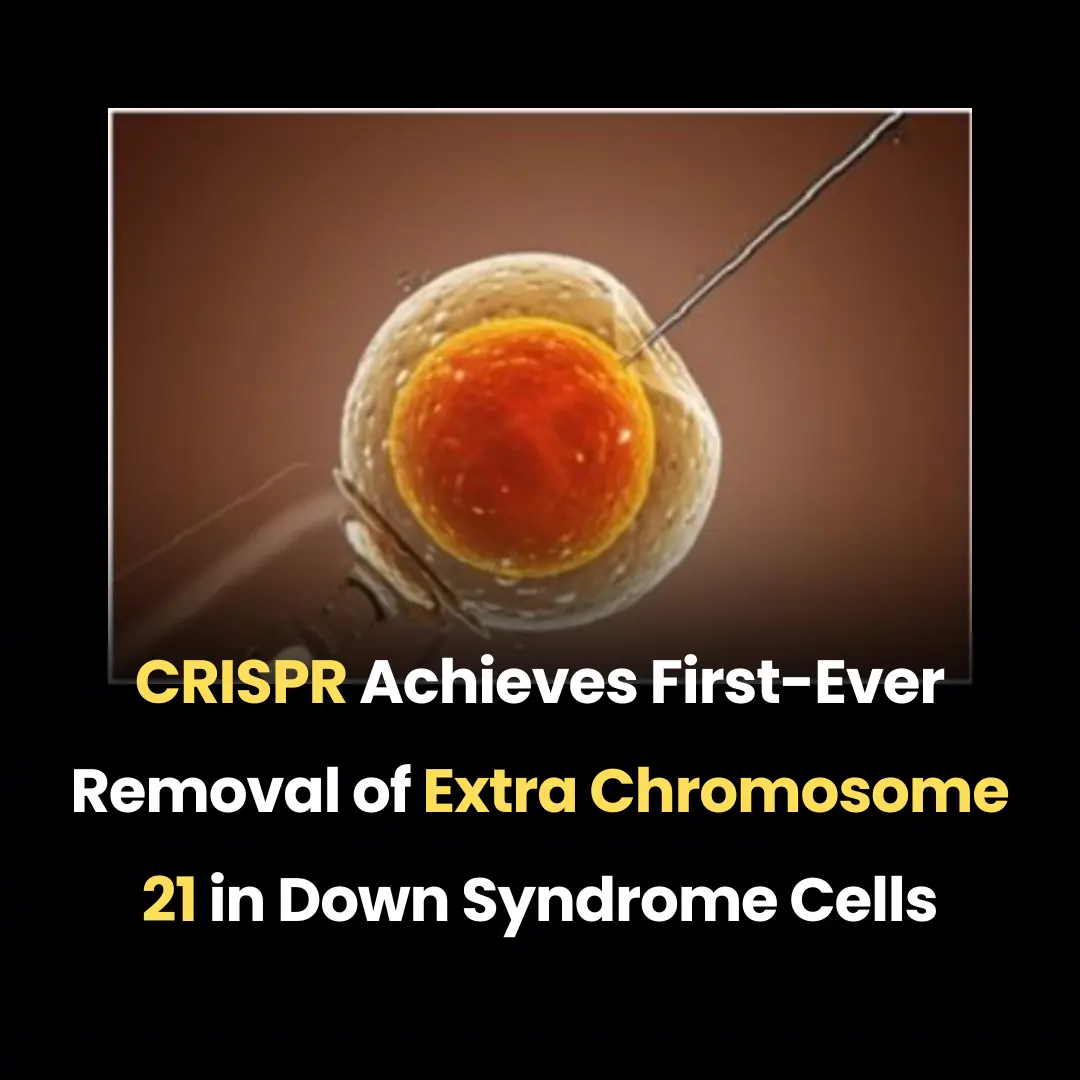
CRISPR Achieves First-Ever Removal of Extra Chromosome 21 in Down Syndrome Cells

UK Students Turn Skirts into Protest: How a Heatwave Sparked a Bold Stand for Uniform Equality

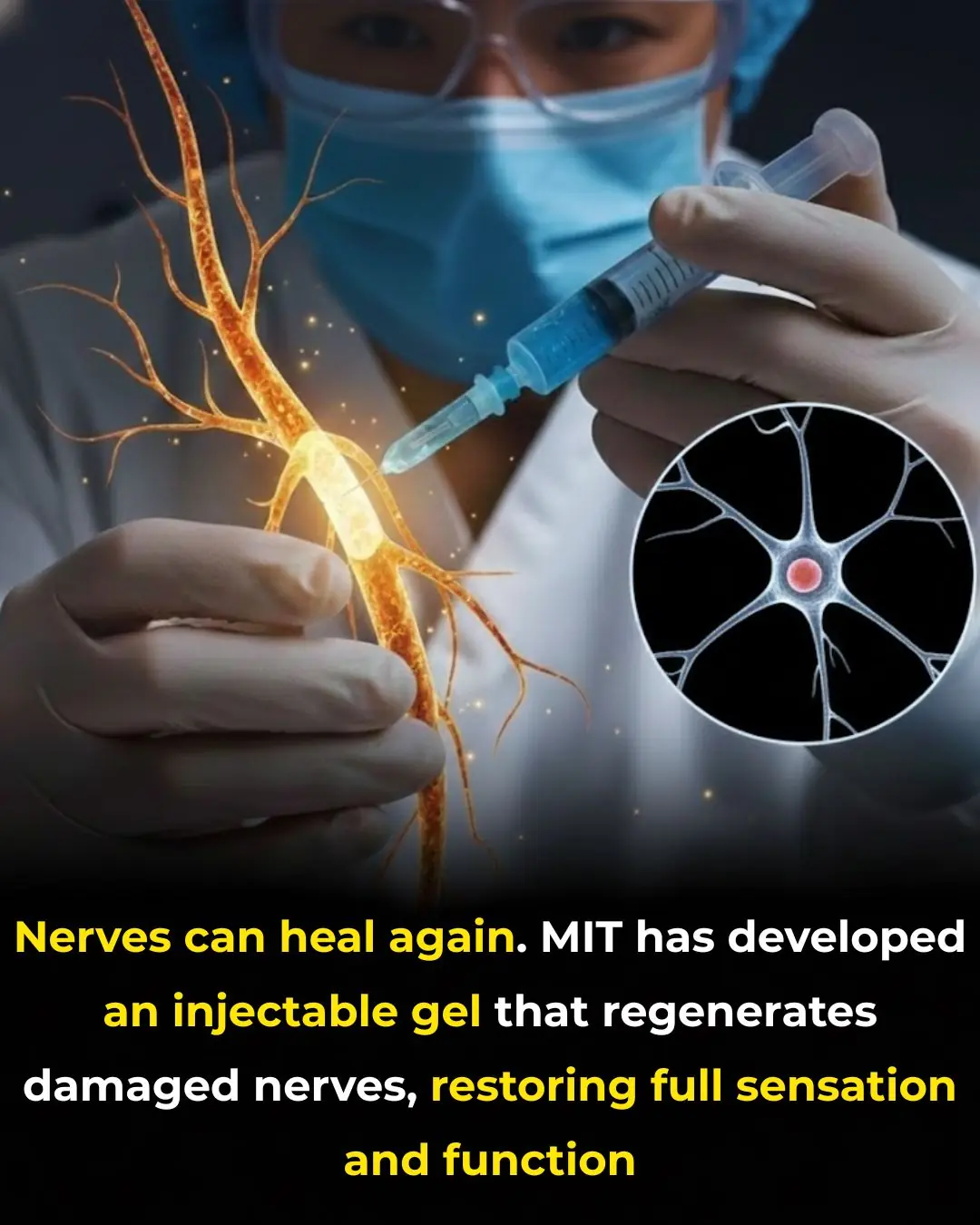
Injectable Gel Offers Hope for Restoring Movement and Sensation

Train Your Brain: How Thoughts Shape Who You Become

A New Era of Space Travel: UK Startup Reveals Ultra-Fast Fusion Rocket

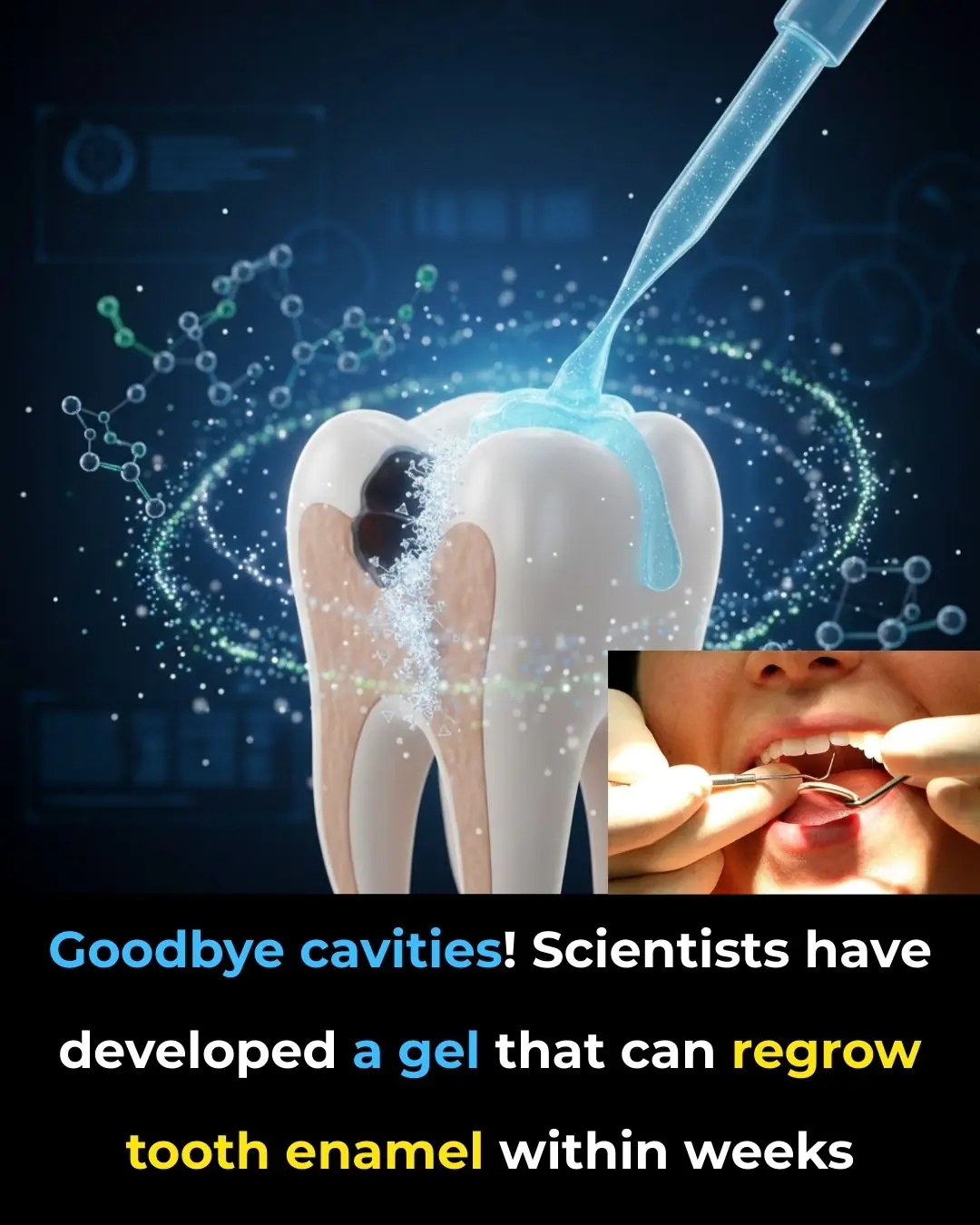
The Gel That Could End Cavities: A New Era of Self-Healing Teeth

A True Story of Unexpected Ocean Heroism

Growing Kindness and Sustainability: New Zealand’s School Programs Teach Kids to Plant, Harvest, and Share

Jermaine's Heroic Climb: A Story of Unwavering Love and Courage in West Philadelphia

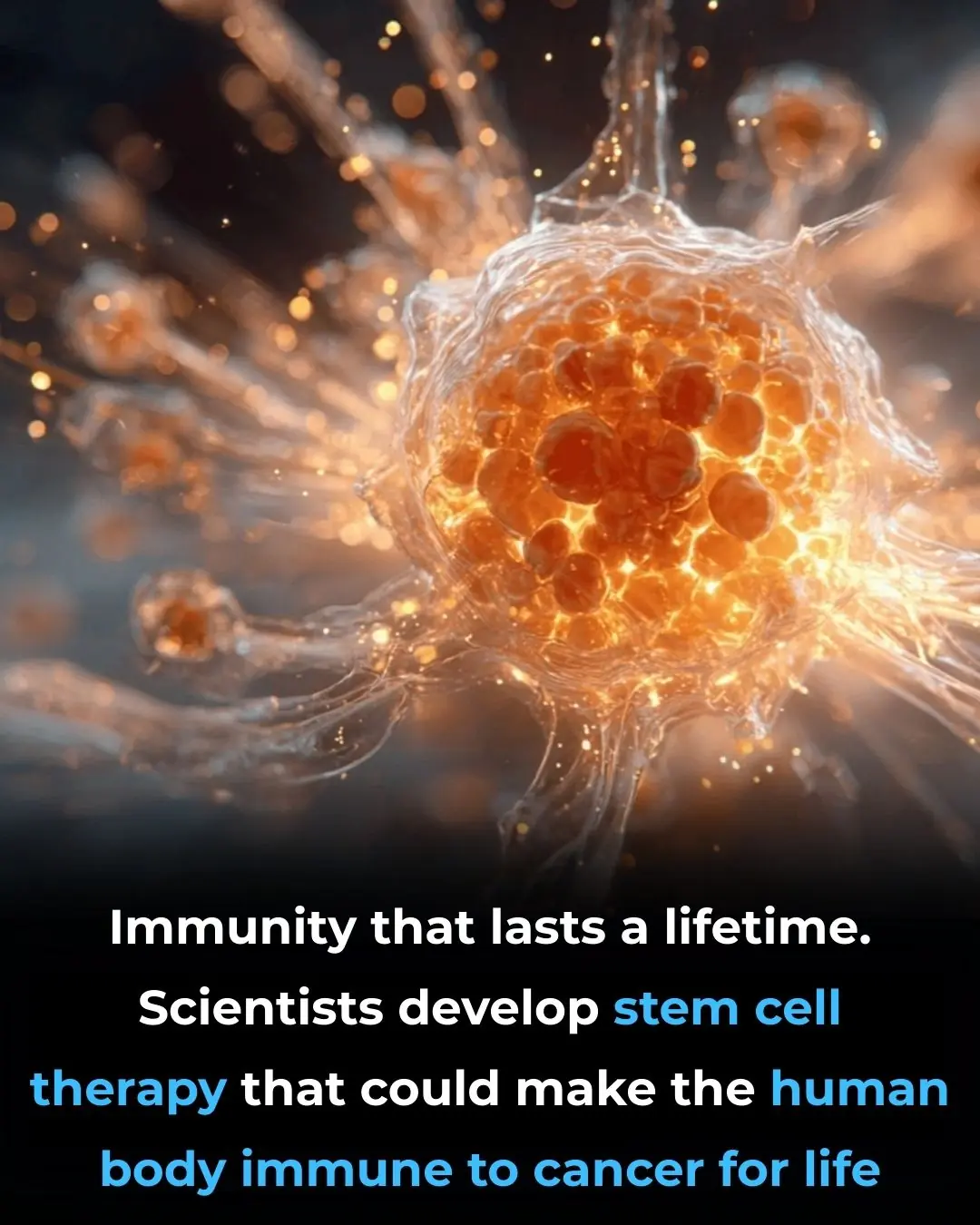
Groundbreaking Stem Cell Therapy Could Provide Lifelong Immunity Against Cancer

Kanye West’s $3,900 Curry Delivery: The Wildest Food Craving in Celebrity History

Actress Nicola Holt Speaks Out After Film Producer Pleads Guilty to Stalking

🌈 Beyond the Rainbow: Tetrachromacy and the Enriched World of Four-Dimensional Color

🧠 The Synergy of Serenity: How Magnesium and Omega-3s Optimize Brain Health and Mood

One Porch, 100 Lunches: How a Local Woman Became a Lifeline for Hungry Kids

The Cognitive Shock: How Brief Cold Exposure Boosts Focus and Mental Energy

🧬 Lighting the Way to Cures: How the Glowing Cat Became a Cutting-Edge Scientific Tool
News Post

The Science of Neuroplasticity: Train Your Brain by What You Repeat

Unlocking the Body’s Natural Reset: The Science Behind Short-Term Fasting

From Parasite Treatment to Cancer Therapy: A Remarkable Case Inspiring New Research

CRISPR Achieves First-Ever Removal of Extra Chromosome 21 in Down Syndrome Cells

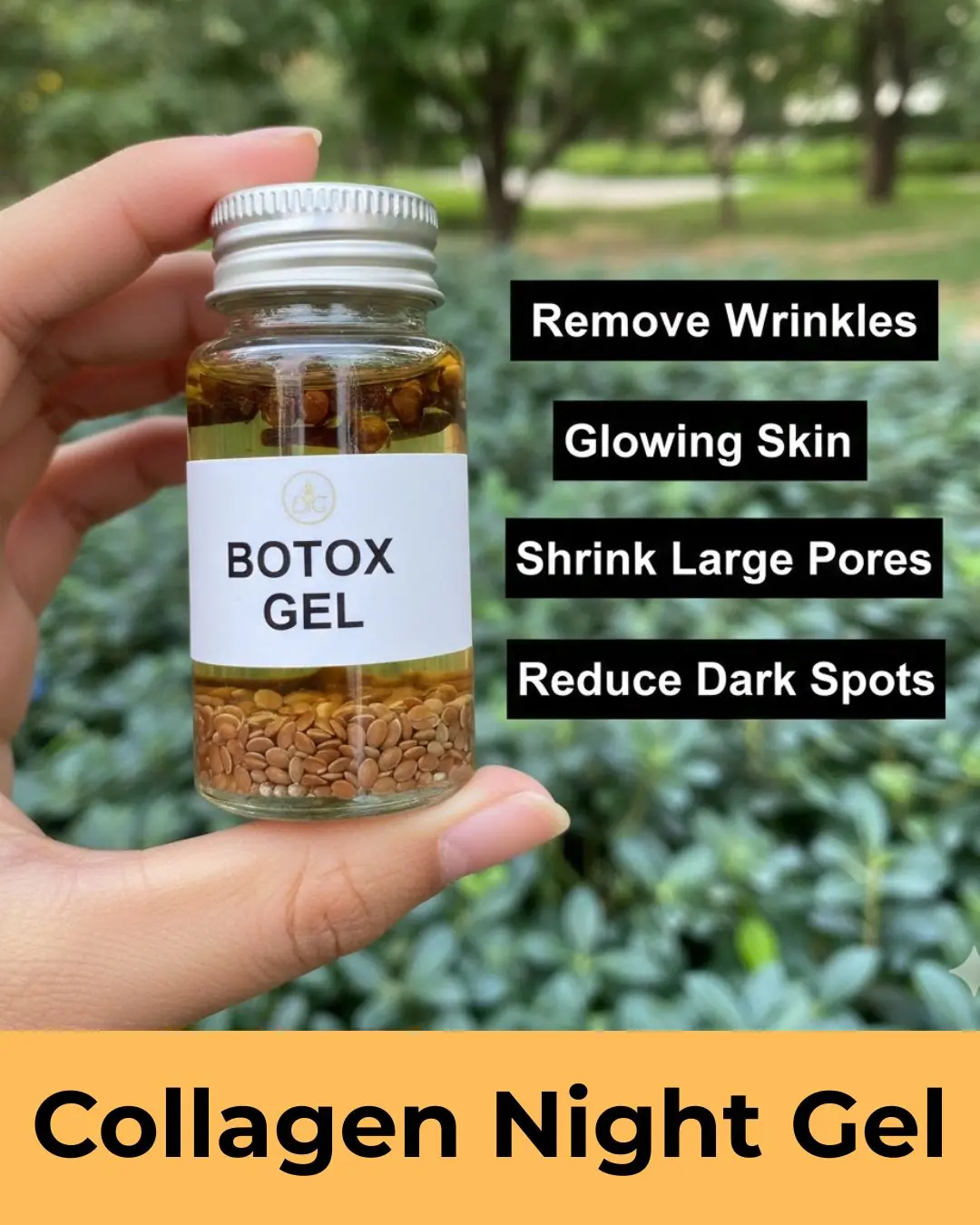
Flaxseed & Clove Anti-Aging Night Gel : Remove Wrinkles & Large Pores

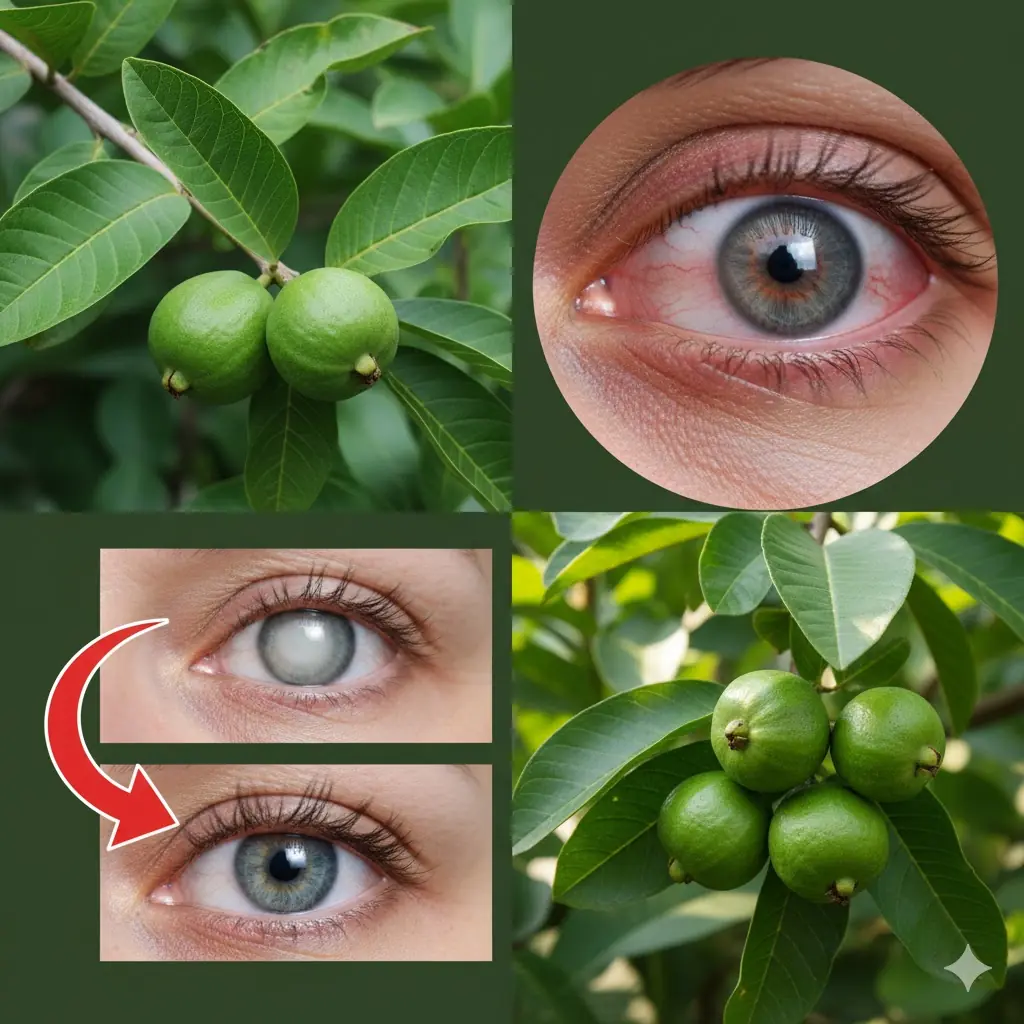
How to Use Guava for Eye Comfort | Natural Remedies for Healthy Eyes

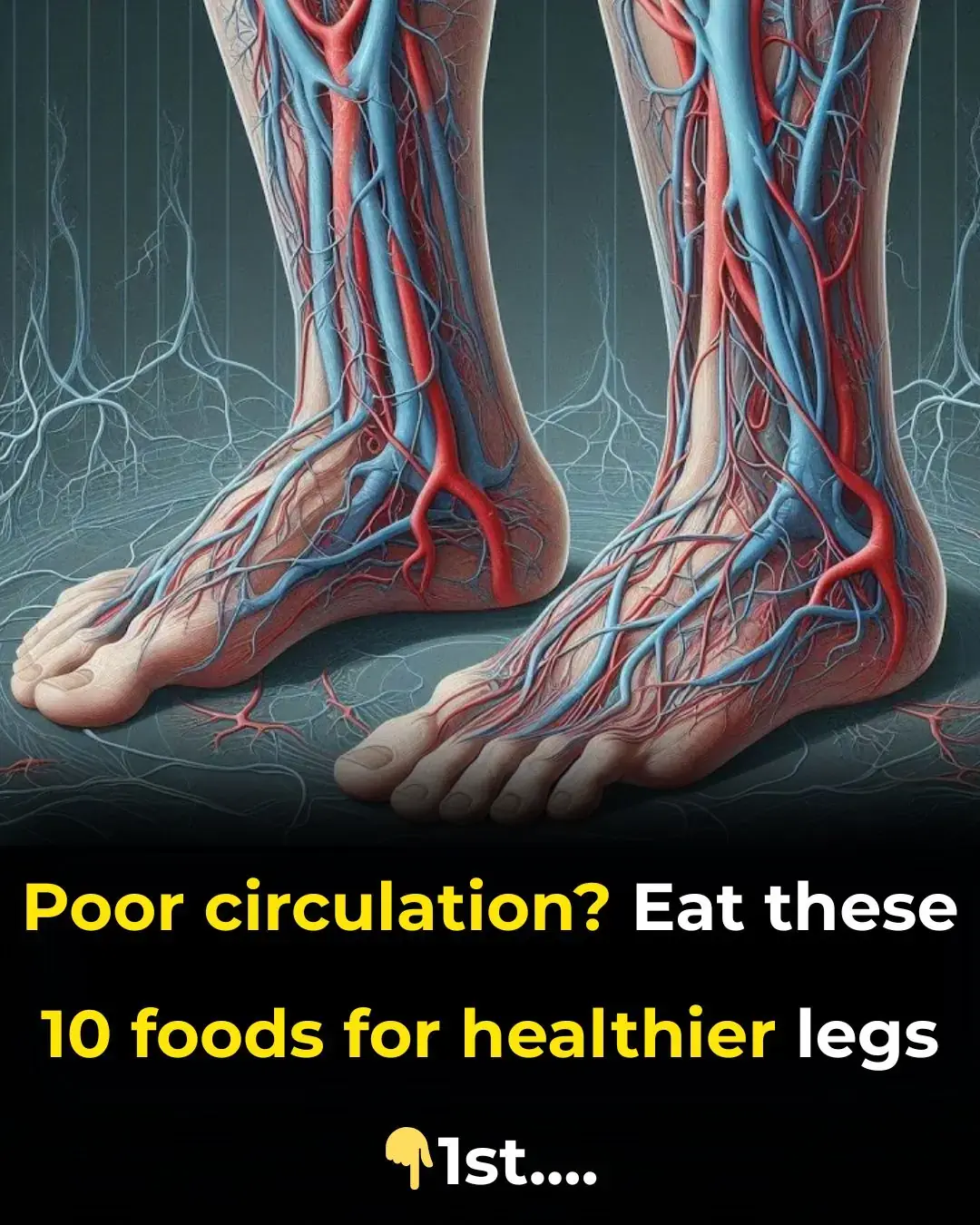
Top 10 foods that improve blood circulation in legs

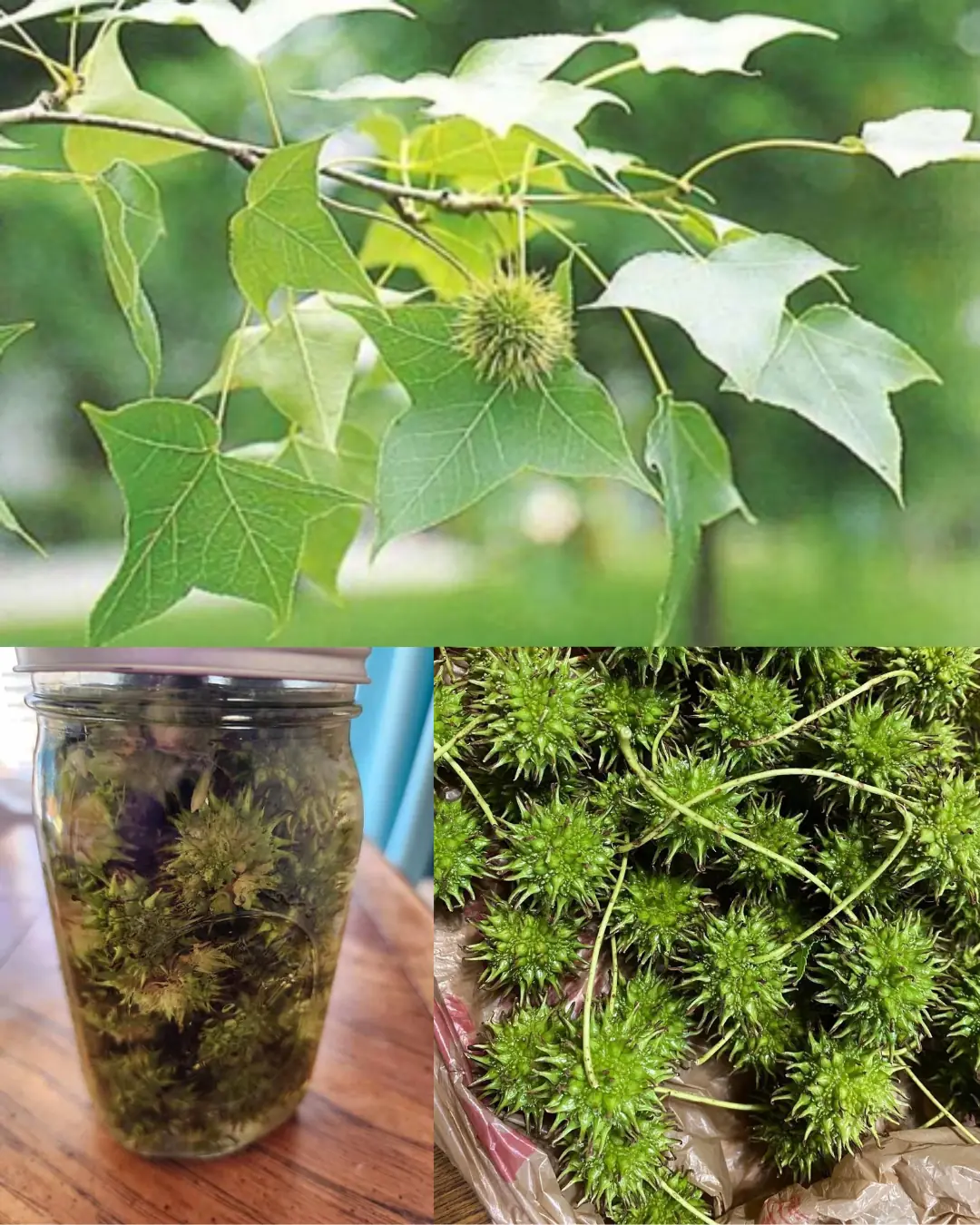
American Sweetgum (Liquidambar styraciflua): Health Benefits and Easy Ways to Use It at Home

Orthopedist’s Secret: How to Support Natural Cartilage Repair in Just 24 Hours

UK Students Turn Skirts into Protest: How a Heatwave Sparked a Bold Stand for Uniform Equality

Injectable Gel Offers Hope for Restoring Movement and Sensation

Turmeric, Clove & Aloe Vera Natural Drink: The Homemade Remedy Many People Are Using to Support Their Health

Train Your Brain: How Thoughts Shape Who You Become

Japan’s Oldest Doctor Warns: 8 Pumpkin Seed Mistakes That Can Trigger Irreversible Reactions in Your Body

A New Era of Space Travel: UK Startup Reveals Ultra-Fast Fusion Rocket

The Gel That Could End Cavities: A New Era of Self-Healing Teeth

Yellow Stains on Toilet Seats and Bowls: Sprinkle This to Remove Stains and Eliminate Odors

Whoa, had no clue about this!

A True Story of Unexpected Ocean Heroism