
Secret to quickly tenderizing beef, making any dish delicious
Beef is a key ingredient in many delicious dishes. To ensure your beef turns out tender and flavorful, you can apply several simple yet effective techniques. Here are the best tips to help you achieve perfectly soft and juicy beef every time.
Tenderize the Beef Before Cooking
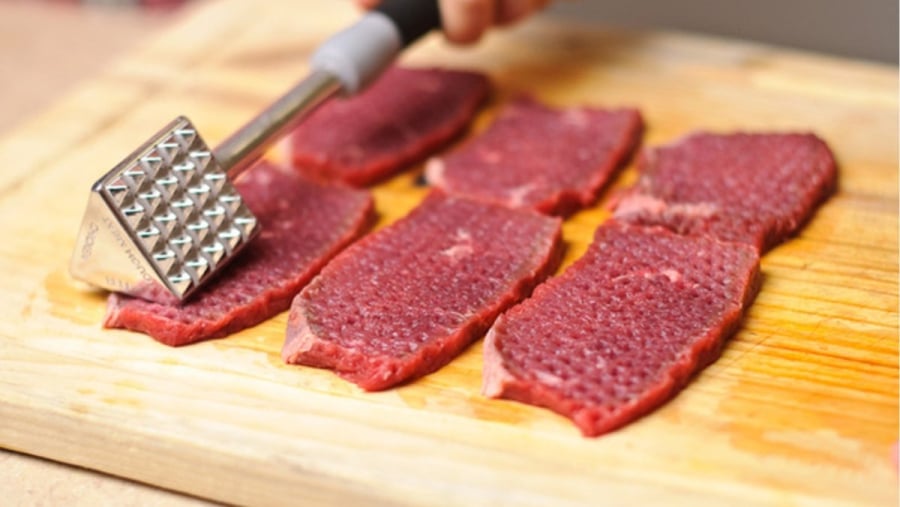
If you want softer beef, don’t skip the tenderizing step. Use a meat mallet to gently pound the beef after cutting it into appropriately sized pieces. Lightly pounding the meat helps break down the muscle fibers, reducing toughness and making the texture noticeably softer once cooked.
Additionally, tenderizing helps the beef absorb seasonings more effectively, enhancing the overall flavor of the dish. For easier cleanup and to prevent the meat from losing its shape, place the beef between two sheets of plastic wrap before pounding. Remember to use gentle, even pressure—overpounding can cause the meat to break apart and lose its natural structure.
Marinate with Vinegar, Oil, or Alcohol
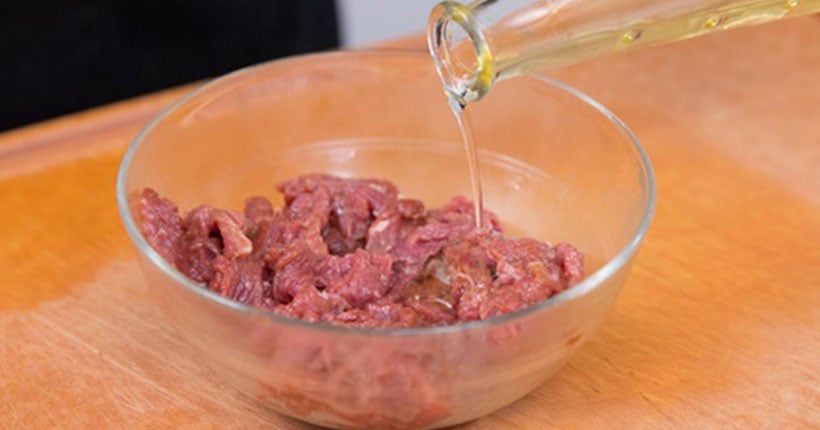
Marinating beef in ingredients such as vinegar, cooking oil, or alcohol is another excellent way to soften the meat and enrich its taste.
-
Cooking oil helps the beef retain moisture, giving each bite a smooth, tender texture. For best results, marinate the beef for about 30 minutes.
-
Vinegar and alcohol (such as rice wine or white wine) contain acids that break down muscle fibers, resulting in softer beef. However, these ingredients should only be used briefly—around 15 minutes—to avoid making the beef overly sour.
As a general guideline, one kilogram of beef can be marinated with 2–3 tablespoons of alcohol or 1 tablespoon of vinegar, though you can adjust the amount based on the cut of beef you are using.
Use Salt as a Natural Tenderizer
Salting beef is another highly effective method for softening the meat. Simply apply a thin, even layer of salt to both sides of the beef. Salt not only enhances flavor but also helps break down protein structures, improving tenderness.
For the best results, place the salted beef in the refrigerator for about one hour. This allows the salt to penetrate deeply, locking in moisture and giving the beef a more succulent texture once cooked.
Before cooking, rinse off the excess salt under cold water and pat the beef dry with paper towels. This prevents the meat from becoming too salty and ensures even cooking.
Tenderize Beef with Baking Soda
Baking soda is a cost-effective and reliable tenderizer widely used in cooking. For 340g of beef, use about 10g of baking soda. Sprinkle it evenly over the meat, then gently rub to ensure the surface is fully coated.
Let the beef rest in the refrigerator for 15–20 minutes, or up to 3 hours if you prefer a more pronounced tenderizing effect. Be careful not to leave it for too long—excessive time can cause the beef to become overly soft or mushy.
Before cooking, thoroughly rinse the beef under cold water to remove any remaining baking soda, preventing any unwanted aftertaste in your dish.
News in the same category


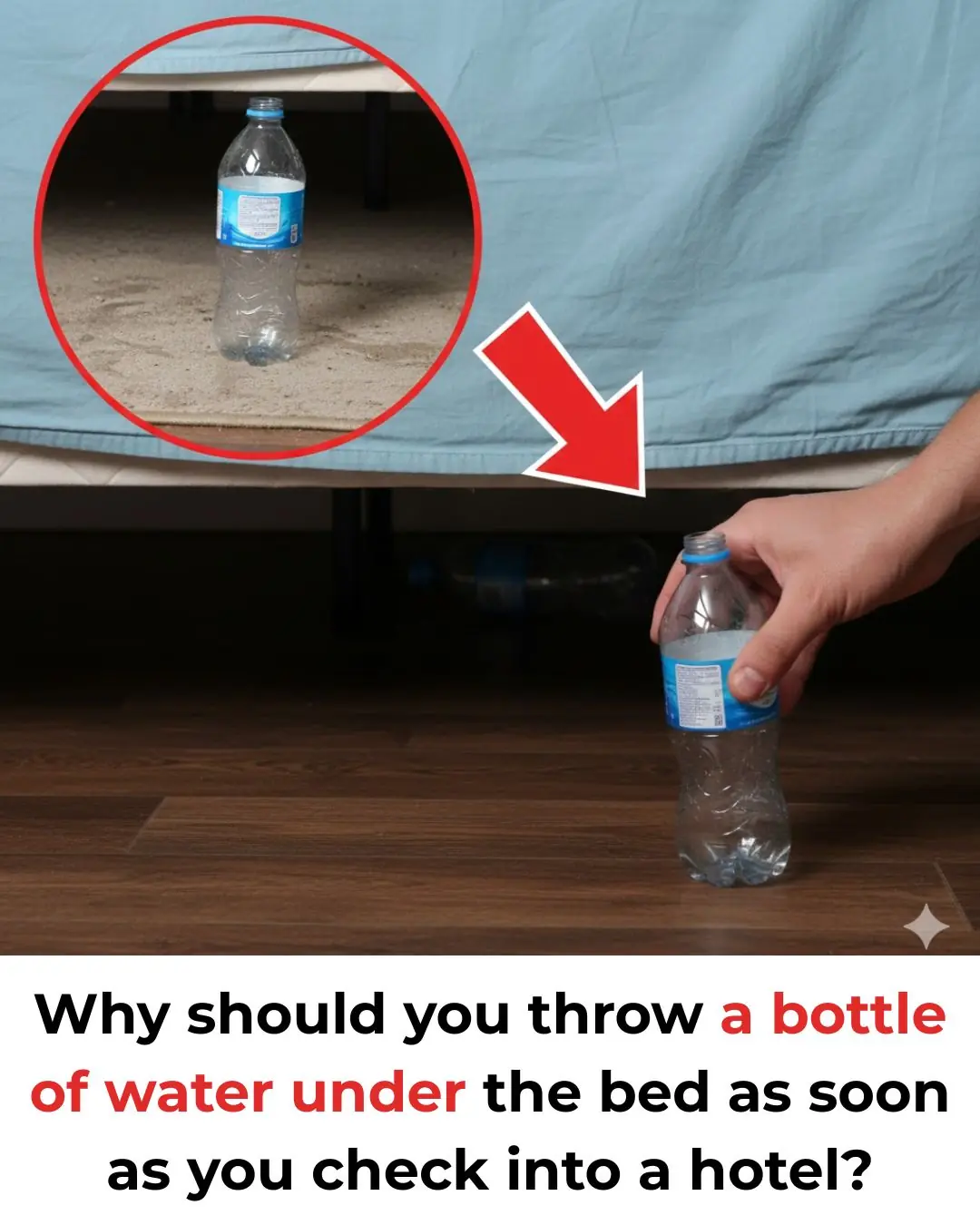
The Under-Bed Test: A Quick Trick to Ensure Your Hotel Room Is Safe and Clean

Boost Your Wi-Fi Speed with This Simple Aluminum Foil Trick

If your beef turns out tough, don’t marinate it with salt. Use this ingredient instead to make it tender and richly flavored

When pickling cucumbers, don't just use salt and boiled water that has cooled down: Use this to get crispy, delicious, and golden-yellow cucumbers in just 1 night.

A great way to defrost meat, just 3 minutes and all the ice will melt, the meat will be fresh and delicious like new.

When boiling duck, don't add ginger and cold water: Add this and the meat will lose all its stench, and you won't get tired of eating it.

How to make steamed chicken with lemongrass, golden brown chicken, soft and delicious, irresistible

Simple tips to help reduce itching extremely quickly when bitten by mosquitoes and insects

How to wash and condition hair with rice water to reduce hair loss and help new hair grow continuously

How Microscopic Glass Flaws Can Lead to Oven Door Breakage—and How to Prevent It

How to cook fish soup with vegetables, delicious and sweet in summer

The rice cooker has a special part, easy to clean and saves millions of dong every month.

Turn on the electric fan on a hot summer day: Spray this and the room will be as cool as air conditioning.

How to boil eggs properly, no matter how big you want to eat them, it's easy to do

Going to the market to buy squash: Should you choose dark or light green skin?

What Happens When You Eat Chili Peppers Regularly

The Right Way to Read ‘Best By’ or ‘Best Before’ Dates — Most People Get This Wrong
News Post

Peter Tabichi: The Kenyan Teacher Who Became the World's Best by Inspiring Change and Giving Back

Reducing Meat Consumption by 90%: A Critical Step to Combat Climate Change and Ensure Global Sustainability

Revolutionary Nanobodies Offer New Hope for Alzheimer’s and Parkinson’s Disease Treatment

Gray Wolves: The Remarkable Lifelong Bond Between Mates and Their Role in Pack Survival

Sebastian Errazuriz’s Robotic Dogs: A Satirical Commentary on Tech Billionaires and the NFT Market

Voyager Spacecraft: A 40-Year-Old Marvel of Engineering Exploring Interstellar Space

High-Dose Nifedipine Linked to Increased Risk of Sudden Cardiac Arrest, New Study Suggests

How the U.S. Escaped Hurricane Landfalls in 2025

Ancient Shark Fossils Unearthed in Mammoth Cave Rewrite 325 Million Years of Evolutionary History

Powerful Health Benefits of Pineapple You Should Know

How an Italian Police Lamborghini Huracán Helped Save Lives by Delivering Kidneys Across Italy

Can Spinal Screws Push Through the Skin? Understanding a Rare but Serious Post-Surgery Complication

Why the Tongue Is One of the Most Important Organs in the Human Body

What You Do First in This Scenario

The Surprising Health Benefits of Sleeping in a Cold Room

A 4-Minute, Zero-Effort Hack to Clean Grill Gunk – The Simple Trick My Nana Taught Me

High Blood Sugar Warning Signs

🥚 A Look at How Certain Boiled Egg Habits May Affect Your Heart Health

Small Steps, Big Impact: How 4,000 Steps a Day Can Transform Your Health