Mexico Ends Marine Animal Shows and Sparks a Health Centered Conservation Shift
News 07/01/2026 10:38
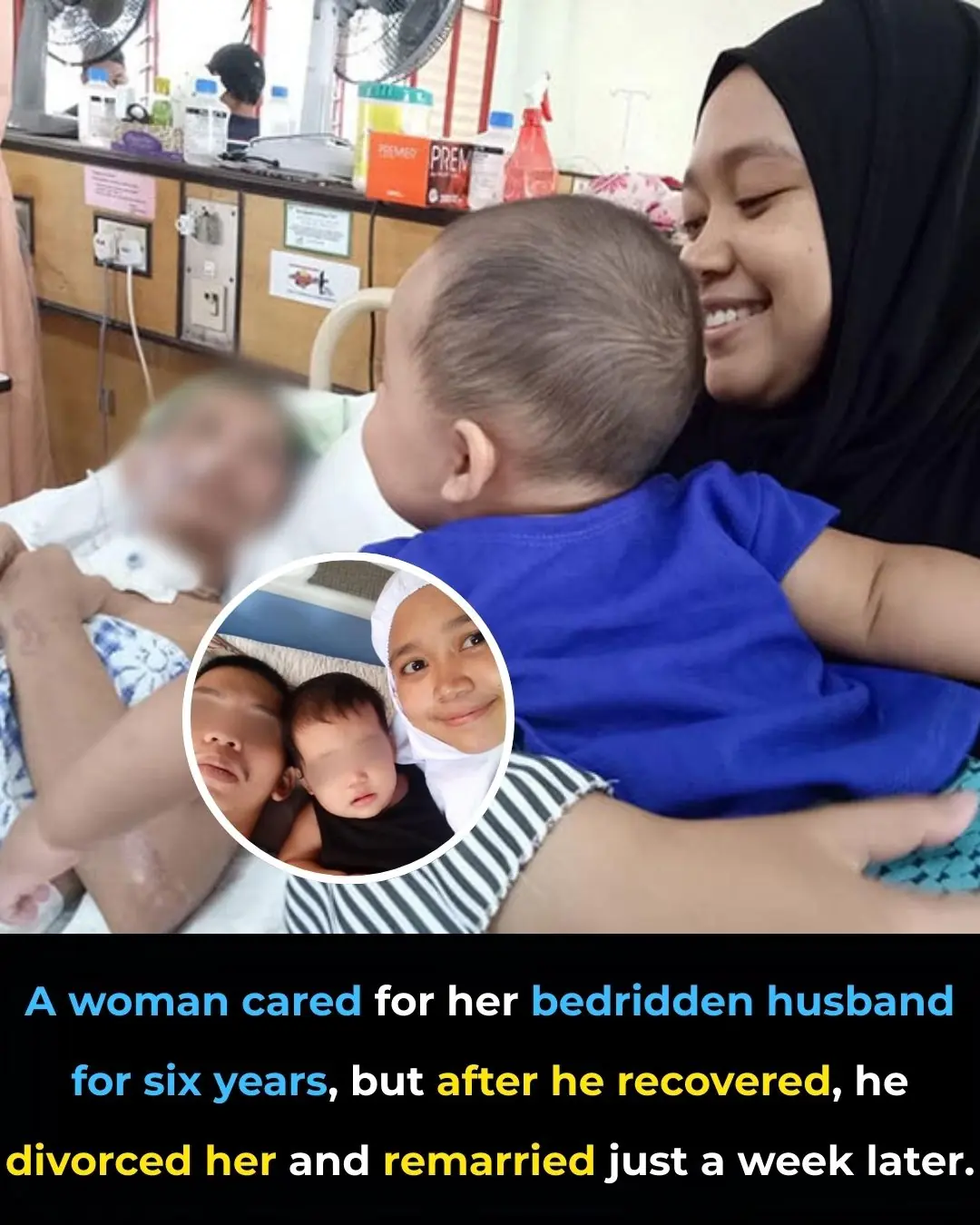
A heartbreaking story from Malaysia has stirred deep emotions and intense debate across social media, leaving many people feeling both sorrow and anger. At the center of the story is Nurul Syazwani, a devoted wife who spent six long years caring for her husband after a devastating car accident left him bedridden and almost completely dependent on others.
While many people might have walked away under such overwhelming circumstances, Syazwani chose to stay. Day after day, she dedicated herself fully to her husband’s care. She fed him through a tube, changed his diapers, bathed him, and patiently assisted with his rehabilitation exercises. At the same time, she was also raising their child, balancing the physical and emotional demands of motherhood with the exhausting responsibilities of being a full-time caregiver.
Throughout those years, Syazwani documented parts of her caregiving journey online. Her posts, often quiet and understated, inspired thousands of people who admired her strength, patience, and unwavering sense of responsibility. With the support of her family, she endured an exhausting routine without public complaint. For her, love was not just a feeling, but an act of commitment — showing up every day, even when the burden felt unbearable.
However, when her husband finally recovered and regained his independence, the story took a painful and unexpected turn. The couple divorced, and just one week later, he remarried another woman. The news shocked many, but what surprised people even more was Syazwani’s response. She shared a photo of his wedding herself and publicly congratulated him, displaying remarkable grace despite her heartbreak. She later clarified that the divorce had been finalized and urged the public not to harass or attack her former husband.
While Syazwani chose dignity and forgiveness, the internet reacted strongly. Many social media users condemned the man as ungrateful and heartless, while praising Syazwani for her emotional strength, self-respect, and moral courage. Her story resonated widely because it highlighted a painful truth: love, sacrifice, and loyalty are not always rewarded in the way people expect.
Experts note that long-term caregiving can place enormous strain on marriages. According to the World Health Organization (WHO), informal caregivers often experience emotional burnout, financial stress, and social isolation, which can permanently alter relationship dynamics. Studies published by the National Institutes of Health (NIH) and reported by The Guardian and BBC have also shown that serious illness or disability can significantly increase the risk of marital breakdown, particularly when one partner becomes a full-time caregiver.
Syazwani’s experience serves as a powerful reminder that compassion and sacrifice do not always lead to lasting partnership. Yet, her response demonstrates something equally enduring: dignity. While relationships may end and loyalty may go unreturned, personal integrity and emotional strength remain. In choosing grace over bitterness, Syazwani has left a lasting impression — one that continues to inspire people far beyond her own story.
Sources for context and analysis:
World Health Organization (WHO) – Caregiver mental health and burnout
National Institutes of Health (NIH) – Studies on caregiving and marital stress
BBC News – Reports on caregiving challenges and family dynamics
The Guardian – Analysis of long-term illness and relationship outcomes