7 Powerful Bay Leaf Benefits for Heart Health and Smoother Blood Flow
Health 02/12/2025 18:10
Feeling tired, constantly craving sugar, or struggling to lose fat despite eating less? You’re not alone. Many people unknowingly consume far less protein than their bodies actually need, and this one common mistake can stall fat loss, zap energy, and worsen insulin resistance. If you’re doing “everything right” but not seeing results, there’s a missing link—and it’s likely protein.
In this article, we’ll explore why protein is essential, how much you truly need each day, and how to easily meet your requirements—without obsessively counting calories or tracking macros. (Insights from Kait Malthaner, Health Coach)
Most people underestimate protein needs, often consuming far too little for optimal health.
Protein supports fat loss, energy, and appetite control.
100 grams per day is the minimum target; ideally, aim for one gram per pound of your ideal body weight.
Animal proteins are more efficient for building muscle and improving insulin sensitivity than most plant sources.
Meals centered on protein naturally stabilize blood sugar and curb cravings—no apps or calorie tracking required.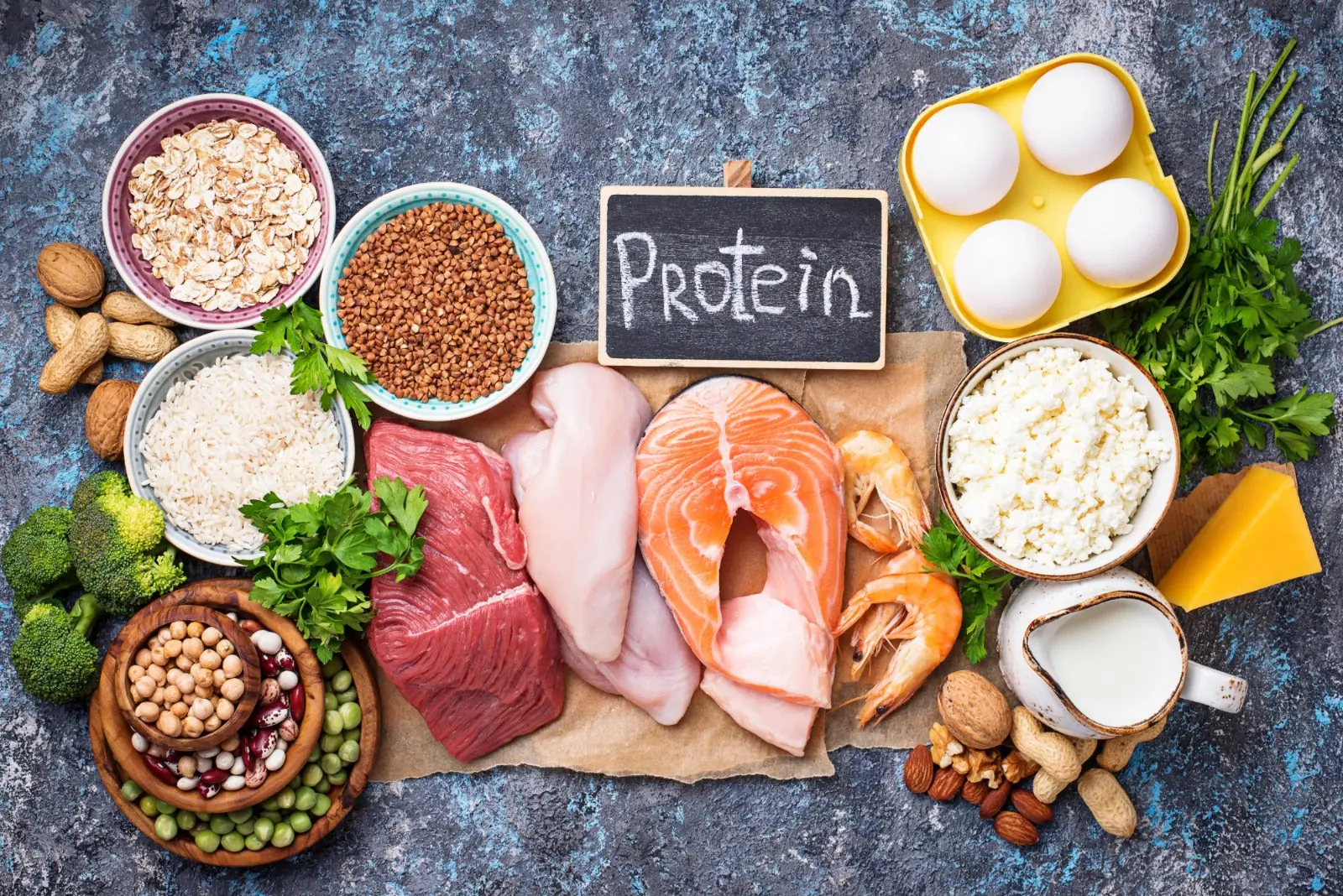
The average adult eats only 50–60 grams of protein daily—roughly half of what’s needed for optimal function. Tracking your intake for a few days often reveals this hidden shortfall. For energy, metabolism, hormone support, and fat loss, 100 grams is a baseline. If your ideal body weight is 140 lbs, aim for 140 grams daily!
Not hitting your protein target doesn’t just hinder fat loss—it slows metabolism, leaves you hungry, fatigued, and constantly craving sugar. Protein deficiency can even contribute to muscle loss, making weight management harder.
Protein’s benefits extend far beyond muscle building. It stabilizes blood sugar, keeps you full, supports hormone balance, and powers daily repair processes. Without enough protein, your body may break down muscle for energy, slowing your metabolism. This leads to more stored fat and higher insulin resistance—a frustrating cycle many don’t realize is caused by low protein intake.
Watch for these signals:
Frequent hunger within 1–2 hours after meals
Persistent sugar cravings, especially in the afternoon or evening
Muscle loss despite consistent diet
Daily energy crashes
Difficulty controlling blood sugar if insulin resistant
Muscle is your body’s main glucose-burning tissue. Low protein intake = less muscle = more insulin resistance.
Not all protein is created equal. Animal proteins—eggs, meat, poultry, fish, and dairy—contain all essential amino acids, and your body absorbs them more efficiently than plant-based sources. Plant proteins like lentils and chickpeas are beneficial but come with extra carbs and fewer essential amino acids, requiring larger portions to reach the same protein goals.
Example:
1 cup cooked lentils: 18g protein, 40g carbs
1 cup chickpeas: 15g protein, 45g carbs
Animal proteins are superior for building and maintaining lean muscle, curbing hunger, and improving insulin sensitivity.
Visualizing 100 grams makes it achievable:
3.5 oz (100g) chicken breast: 30g protein
4 oz (120g) salmon: 28g protein
1 large egg: 6g protein (5 eggs = 30g)
1 scoop protein powder: 20–25g protein
1 cup Greek yogurt: 20–25g protein
3.5 oz (100g) ground beef: 25–30g protein
Sample day: Two eggs + Greek yogurt for breakfast, chicken salad for lunch, salmon for dinner. Already at 100g—no tracking required.
High-protein meals naturally curb hunger, stabilize blood sugar, and reduce snacking. Many notice their appetite “turns off”—not due to restriction, but because the body finally gets what it needs. This simple shift can be transformative for those struggling with constant cravings or mindless snacking.
Forget complicated calorie counting or macro spreadsheets. Focus on 30–50 grams of protein per meal, two to three times daily, and you’ll reach at least 100 grams easily. Consistency, not obsession, is key.
Build every meal around protein. For example:
Breakfast: eggs + Greek yogurt
Lunch: chicken or tuna salad
Dinner: steak or salmon with vegetables
This simple habit supports fat loss, energy, and metabolism—regardless of your dietary style.

Protein triggers GLP-1, the body’s natural fullness hormone, and lowers ghrelin, the hunger hormone. Consistently eating enough protein allows your body to naturally regulate appetite and cravings. This hormone-driven approach reduces calorie intake effortlessly, without relying on willpower.
Many people are shocked to realize how little protein they actually eat. Track for a few days, then make high-quality protein the focus of each meal. Start with 100g daily and gradually increase to one gram per pound of your ideal body weight. This strategy:
Reduces cravings
Stabilizes blood sugar
Boosts energy
Supports fat loss
Protects muscle
If you’re battling low energy, stubborn fat, or constant cravings, the culprit is often insufficient protein. Prioritizing protein is one of the simplest, most effective ways to balance blood sugar, reset metabolism, and see results without restrictive dieting.
Try the 100g protein rule for two weeks and observe improvements in appetite, energy, and mood. Make protein the hero of your meals, and everything else falls into place naturally.