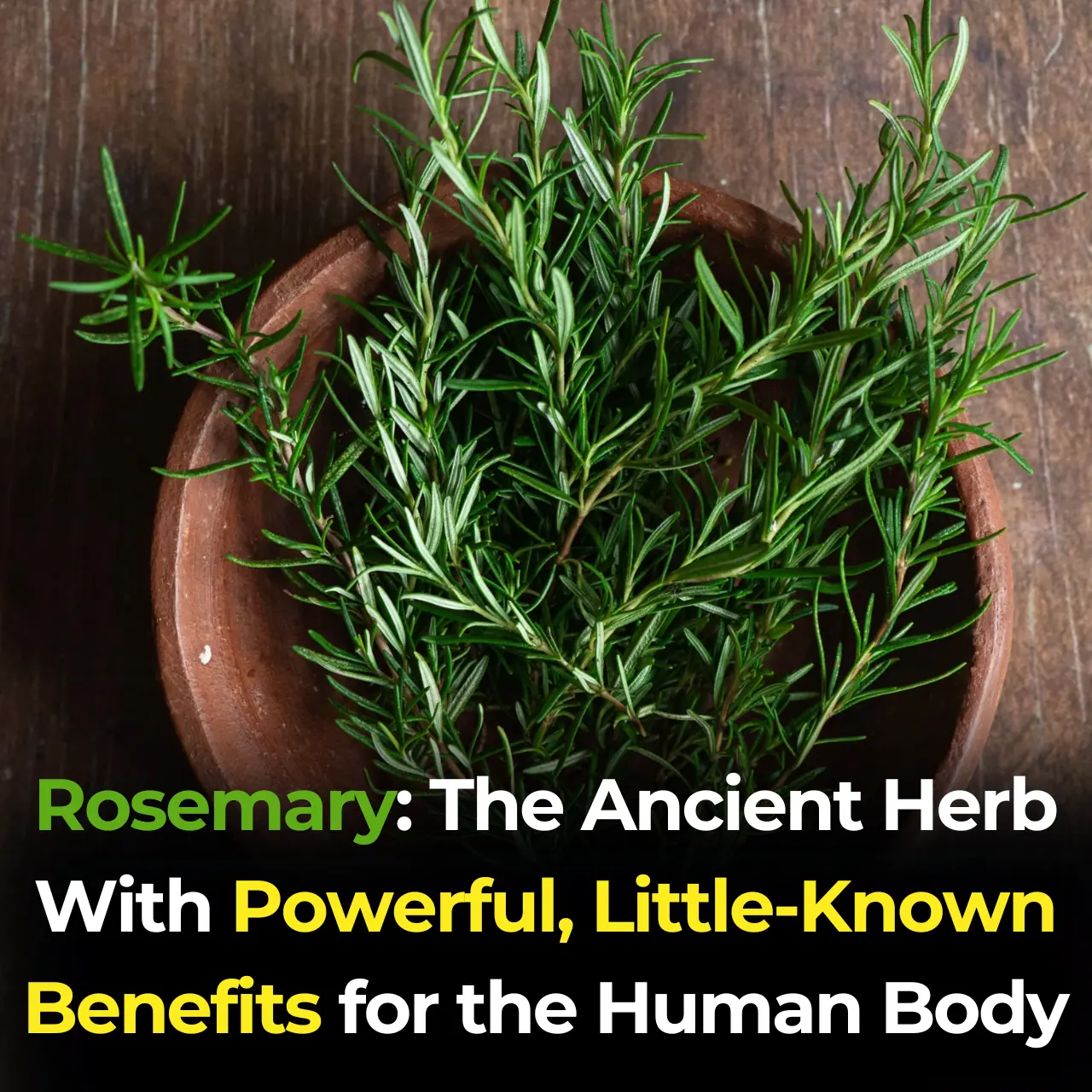
Rosemary: The Ancient Herb With Powerful, Little-Known Benefits for the Human Body
Garden Healthy 02/12/2025 10:33

Your gut microbiome is the control center of your digestion, immunity, metabolism, and even mood—but most people try to fix it the wrong way. They jump straight to probiotics without realizing that if harmful bacteria are still being fed every day, those probiotics won’t stand a chance. Think of it like pouring water into a bucket full of holes. Before rebuilding, you must stop the damage, nourish your good bacteria, then repopulate your gut with diverse microbes. Based on insights from Dr. Iñigo Martín, here is the simplest, science-aligned plan to restore balance naturally.
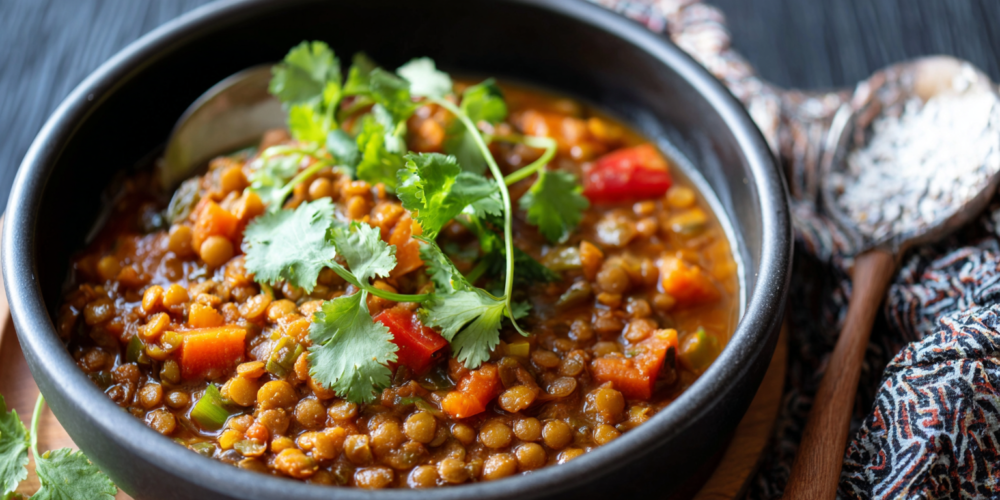
The biggest enemy of your microbiota is ultra-processed food—products engineered for taste but harmful to the gut lining. Preservatives, emulsifiers, and artificial additives promote inflammation, weaken the intestinal barrier, and allow harmful bacteria to thrive. Cooking at home, choosing whole ingredients, and avoiding products with long ingredient lists are the fastest ways to stop the damage.
Before taking probiotics, you must nourish the bacteria already living inside you. Prebiotic fibers—found in apples, onions, green bananas, asparagus, legumes, whole grains, and cold cooked starches—serve as food for beneficial microbes. When fermented in the gut, these fibers create compounds like butyrate that reduce inflammation, repair the gut lining, and stabilize mood and metabolism. Diversity is key: rotate your vegetables, fruits, and whole grains to cultivate a richer microbiome.
Once the “soil” is prepared, begin adding probiotic-rich fermented vegetables. Pickles, olives, fermented carrots, and cauliflower deliver live bacteria while providing fiber. But only raw, unpasteurized versions (usually found in the refrigerated section) contain living probiotics. Start with 1–2 tablespoons per day.

Raw sauerkraut is one of the most potent probiotic foods you can add to your diet. It delivers hundreds of bacterial strains—far more than most supplements—along with prebiotic fiber. Homemade sauerkraut is even stronger and surprisingly easy to prepare. Avoid shelf-stable, pasteurized versions, as they contain zero live bacteria.
Traditional kombucha is rich in organic acids and beneficial microbes, but many commercial brands contain almost as much sugar as soda. Choose raw, unpasteurized versions with under 5g of sugar per serving, or consider switching to water kefir, which offers more diverse bacterial strains.
Miso provides unique strains of probiotics found in traditional Asian fermentation. But because it is naturally salty, use it sparingly—and never boil it. Add it to warm, not boiling, soups so the probiotics remain alive.
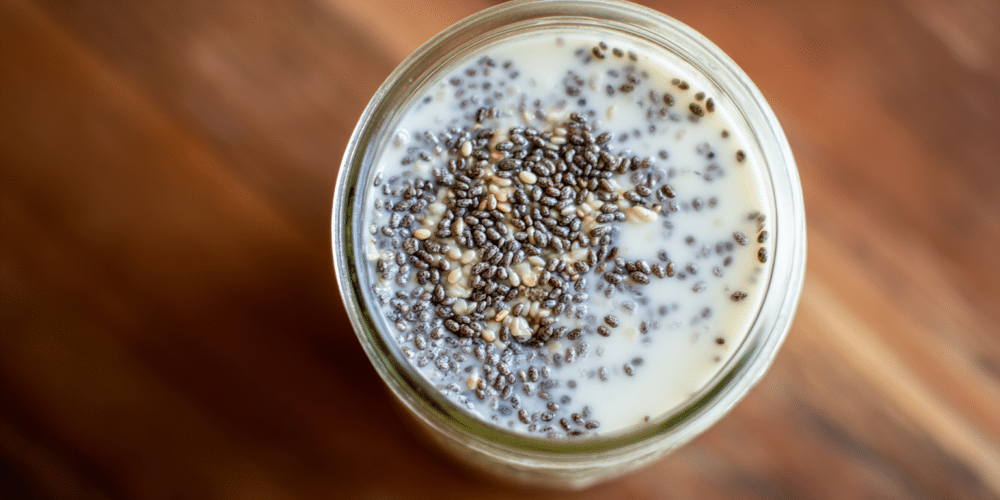
Dairy-free yogurts can be excellent for your microbiome—but only if they’re plain, unsweetened, and free of artificial thickeners and preservatives. Look for short ingredient lists and clear labels specifying bacterial cultures. Coconut yogurt is especially effective when made with high coconut content.
Water kefir or coconut kefir is one of the richest probiotic sources available, often containing 10–20× more strains than yogurt. The fermentation process consumes most of the sugar, leaving a lightly acidic, bubbly drink full of beneficial bacteria. Kefir is one of the fastest ways to rebuild a damaged microbiome.
Healing your gut is a three-part journey: stop feeding harmful bacteria, nourish your existing good bacteria, and then introduce diverse probiotics consistently. Your gut is a living garden—one that needs daily attention, not a one-time fix. Within a few weeks, you’ll notice less bloating and steadier energy. With time, inflammation drops, immunity improves, cravings fade, and your mood stabilizes. Start small: pick one probiotic food and add a serving each day. Your microbiome will rebuild, and your health will follow.