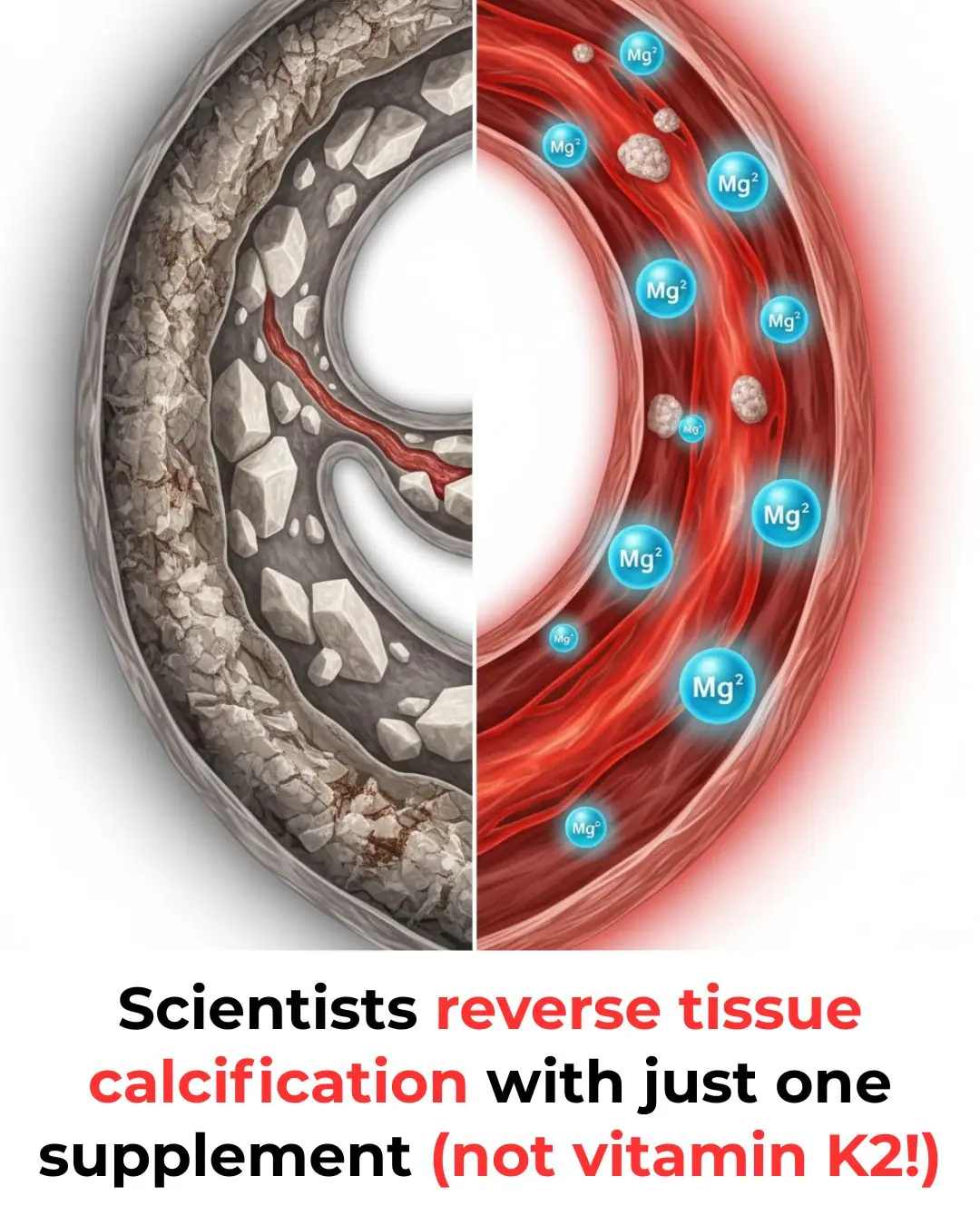
Scientists reverse tissue calcification with just one supplement (not vitamin K2!)
Health 03/12/2025 01:38
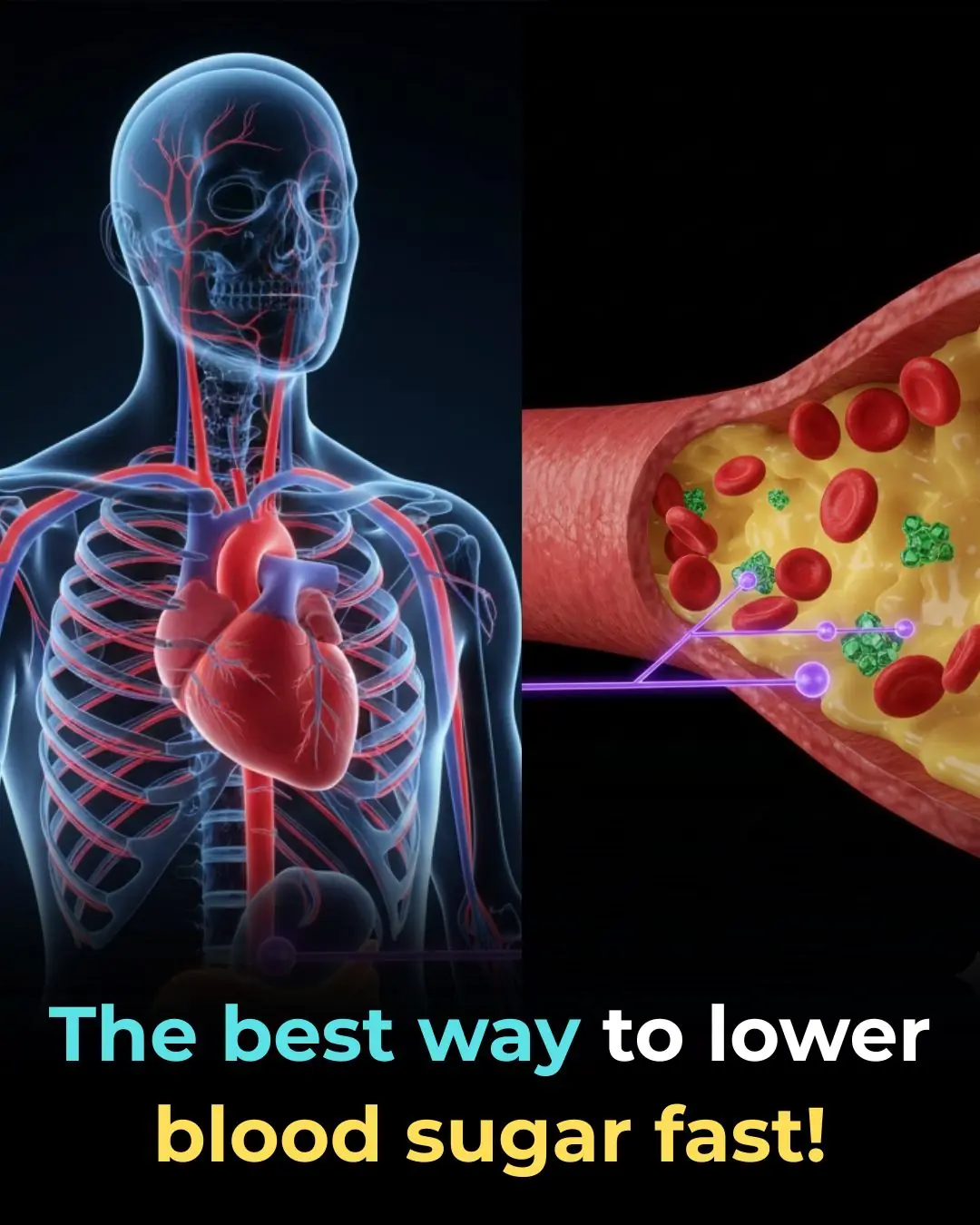
When blood sugar rises too high, too fast, it can leave you feeling tired, foggy, thirsty, and out of balance. For people with diabetes or prediabetes, sudden spikes can be especially concerning. The good news? Research shows there are effective, natural strategies that can help bring blood sugar back into a healthier range — safely and quickly.
This article breaks down science-backed ways to reduce blood sugar fast, support stable glucose throughout the day, and protect long-term health.
Blood sugar rises when the body cannot process glucose efficiently. Common triggers include:
Eating too many refined carbs or sugars
Large meals without enough fiber or protein
Stress and cortisol spikes
Illness
Medication side effects
Lack of movement after eating
Understanding the root of the spike helps you respond more effectively.
If you want the fastest, safest method backed by research, here it is.
Muscles use glucose for fuel. Even light movement — walking, stretching, or doing household chores — acts like a “sponge,” pulling sugar out of the bloodstream.
A study published in Diabetologia found that walking for just 10 minutes after meals significantly lowered post-meal glucose more than a longer walk at other times of day.
Walk for 10–20 minutes immediately after eating
Even pacing around your home works
Gentle cycling or stair climbing is just as effective
High blood sugar thickens the blood. Water helps flush excess glucose through the kidneys.
Drink 1–2 glasses of water and continue sipping over the next hour.
Apple cider vinegar (ACV) is one of the most researched natural tools for glucose control.
Acetic acid helps improve insulin sensitivity and slows carbohydrate breakdown.
A study in the Journal of Evidence-Based Integrative Medicine showed that ACV reduced post-meal glucose by up to 34% in people with insulin resistance.
Mix 1 tablespoon ACV in a glass of water
Drink it before a high-carb meal
Avoid if you have acid reflux or stomach ulcers
Fiber slows digestion and reduces how quickly glucose enters the bloodstream.
A handful of nuts
Chia seeds in water
A small apple
Raw carrots
A tablespoon of flaxseed mixed into yogurt
Soluble fiber is especially effective for stabilizing glucose levels.
Eating protein before carbs significantly reduces glucose spikes.
Protein:
Slows digestion
Stimulates insulin release
Reduces the impact of carbs eaten afterward
A 2020 study showed that eating protein and vegetables before carbohydrates reduced post-meal glucose by up to 40%.
Before eating rice, pasta, bread, or sweets:
Eat chicken, eggs, tofu, nuts, or Greek yogurt first
Stress hormones directly raise blood sugar — even without eating.
Deep breathing (inhale 4 sec → exhale 6 sec)
Slow stretching
2-minute meditation
Sitting in fresh air
Massaging your neck or hands
Even breathing exercises can drop glucose within minutes.
Heat increases circulation and improves glucose uptake by muscles.
Some diabetes researchers note that a warm bath can mimic mild exercise — a “passive workout.”
✔ Try 10 minutes under warm water for gentle glucose reduction.
Cinnamon improves insulin sensitivity and slows carbohydrate digestion.
A review in Nutrition Journal found that cinnamon:
Can reduce fasting blood sugar
Improves insulin resistance
Lowers post-meal glucose levels
✔ Add ½–1 teaspoon to oatmeal, smoothies, or tea.
If you have extremely high blood sugar (above 250–300 mg/dL) or symptoms such as:
Vomiting
Rapid breathing
Fruity-smelling breath
Severe fatigue
…seek urgent medical care. Natural methods are only for mild to moderate spikes.
Eat high-fiber meals
Prioritize protein at each meal
Avoid sugary drinks
Walk after meals
Get 7–8 hours of sleep
Include magnesium-rich foods (greens, nuts, seeds)
Maintain a healthy weight and regular exercise routine
Stability comes from consistency — not perfection.
Lowering blood sugar fast doesn’t require extreme measures. The most effective tools—movement, hydration, fiber, protein sequencing, and stress reduction—are simple and backed by science.
If you build these habits into your daily life, you’ll support smoother energy, better metabolism, healthier arteries, and reduced long-term risks.