🥶 The Global Food Catastrophe: New Study Warns Nuclear Winter Could Decimate Crop Yields for a Decade
The long-feared scenario of a nuclear winter—the severe global cooling that would follow a large-scale nuclear conflict—is not just an environmental disaster, but a critical threat to global food security.
The Mechanism of Collapse: Soot and Shadow
The nuclear winter scenario is driven by the physical and climatic consequences of detonation.
This dense cloud of aerosol particles would then spread globally, blocking sunlight for years. The resulting persistent darkness and radiative imbalance would cause a dramatic and immediate drop in surface temperatures worldwide.
Scenarios of Starvation: Modeling the Impact on Corn Yields
The study demonstrated a direct, non-linear relationship between the amount of soot injected into the atmosphere and the resulting crop loss:
| Conflict Scenario | Soot Injected (Million Tons) | Global Corn Yield Loss (Initial Cut) | Global Corn Yield Loss (Total, incl. UV-B) |
| Small, Regional Conflict | 5.5 | 7% | Not Specified |
| Worst-Case Global Conflict | 165 | 80% | 87% |
In a small, regional conflict releasing about 5.5 million tons of soot, the resulting global cooling and darkening could cut global corn yields by a minimum of 7%. While severe, this might be manageable in the short term.
However, the consequences of a worst-case, global war scenario injecting 165 million tons of soot are catastrophic. Corn production could plummet by 80% due to temperature drops and lack of sunlight. Furthermore, this massive atmospheric disruption would destroy the ozone layer, allowing more damaging UV-B radiation to penetrate the atmosphere and hit surviving crops.
Recovery and Resilience
The damage would not be short-lived. The soot would persist in the stratosphere, maintaining the cooling effect for years.
Researchers stress that despite the modeling of mitigating factors, the only truly effective prevention is the complete avoidance of nuclear conflict. While planting cold- and short-season-tolerant crop varieties might reduce losses by up to 10%, this is a minimal offset against catastrophic loss.
To prepare for the worst, researchers suggest that governments and organizations begin preparing “agricultural resilience kits.” These kits would contain region-specific, hardy seeds capable of growing under low light and cold conditions, aimed at helping communities kick-start food production in the grim aftermath while infrastructure is rebuilt and climate conditions slowly normalize.
📚 References
-
Toon, O. B., et al. (2019/2022). Scientific studies detailing nuclear winter's effects on crop production and climate. PNAS (Proceedings of the National Academy of Sciences) or AGU Journals. (The primary sources for the Penn State and Rutgers/NCAR modeling studies on agricultural impact).
-
International Physicians for the Prevention of Nuclear War (IPPNW) Reports. (Provides context on the health and environmental consequences of nuclear conflict).
-
Journal of Geophysical Research (Atmospheres): (Academic source for research on soot injection, atmospheric dynamics, and ozone depletion following firestorms).
News in the same category


Unlocking the Body’s Natural Reset: The Science Behind Short-Term Fasting

From Parasite Treatment to Cancer Therapy: A Remarkable Case Inspiring New Research

CRISPR Achieves First-Ever Removal of Extra Chromosome 21 in Down Syndrome Cells

UK Students Turn Skirts into Protest: How a Heatwave Sparked a Bold Stand for Uniform Equality

Injectable Gel Offers Hope for Restoring Movement and Sensation

Train Your Brain: How Thoughts Shape Who You Become

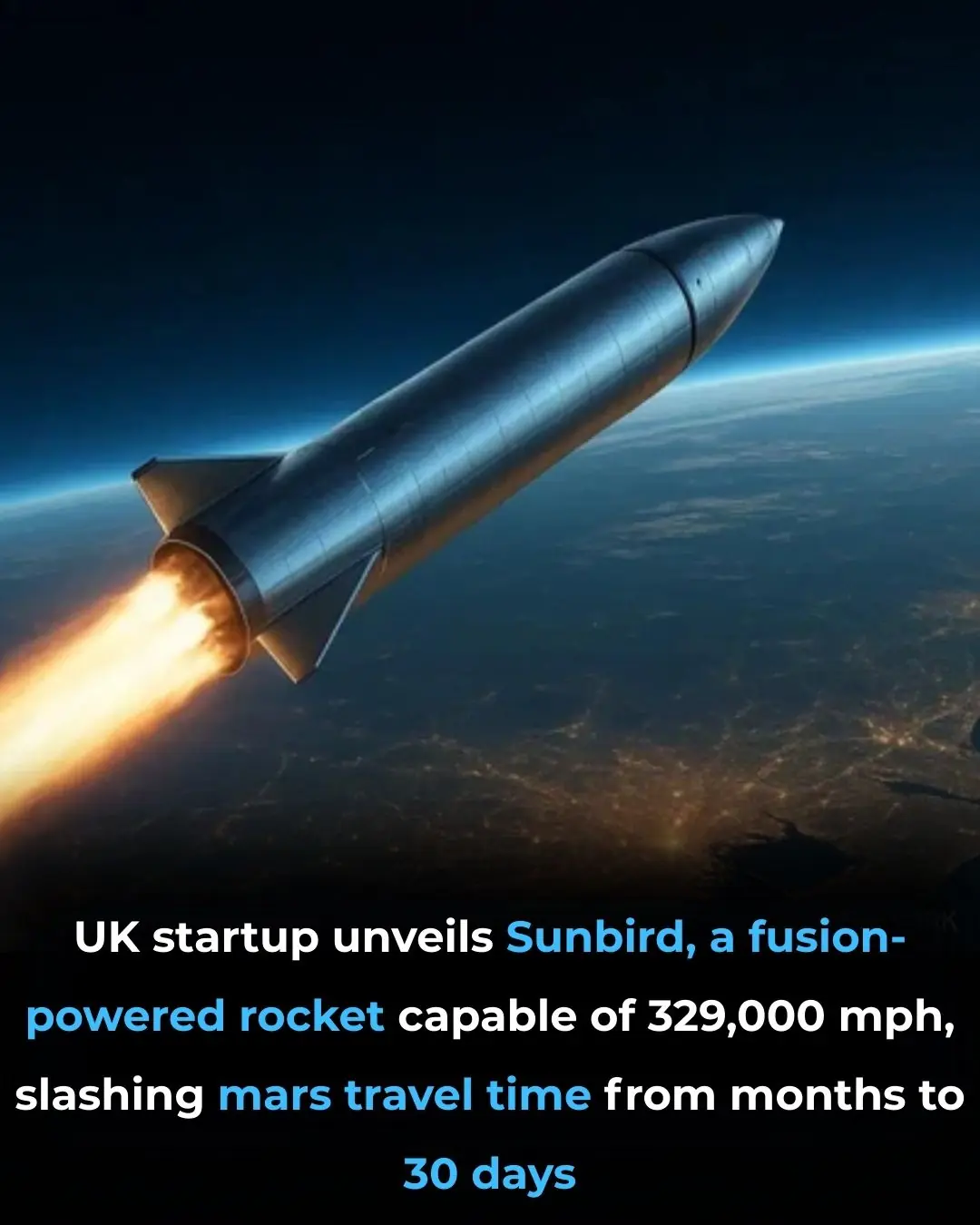
A New Era of Space Travel: UK Startup Reveals Ultra-Fast Fusion Rocket

The Gel That Could End Cavities: A New Era of Self-Healing Teeth

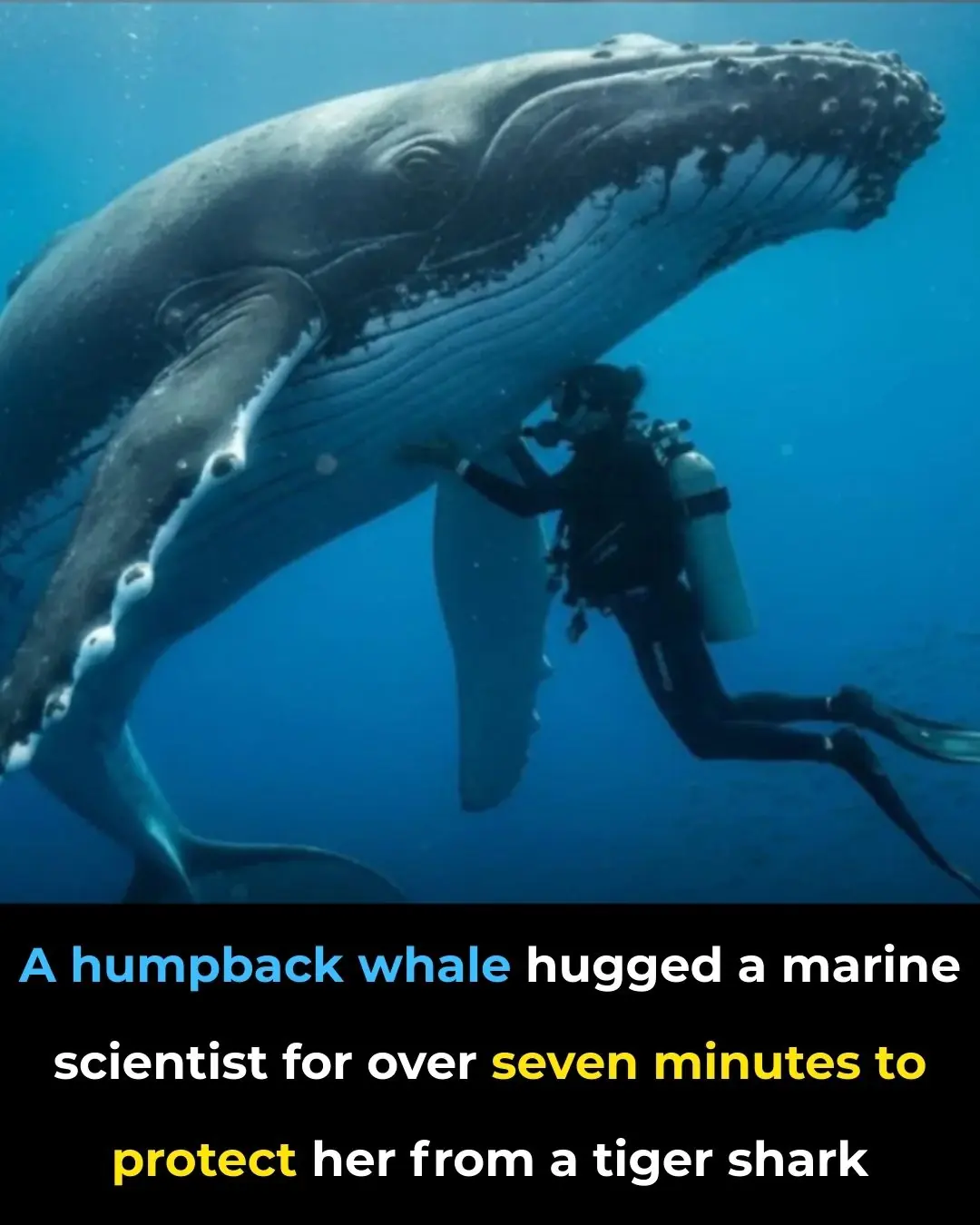
A True Story of Unexpected Ocean Heroism

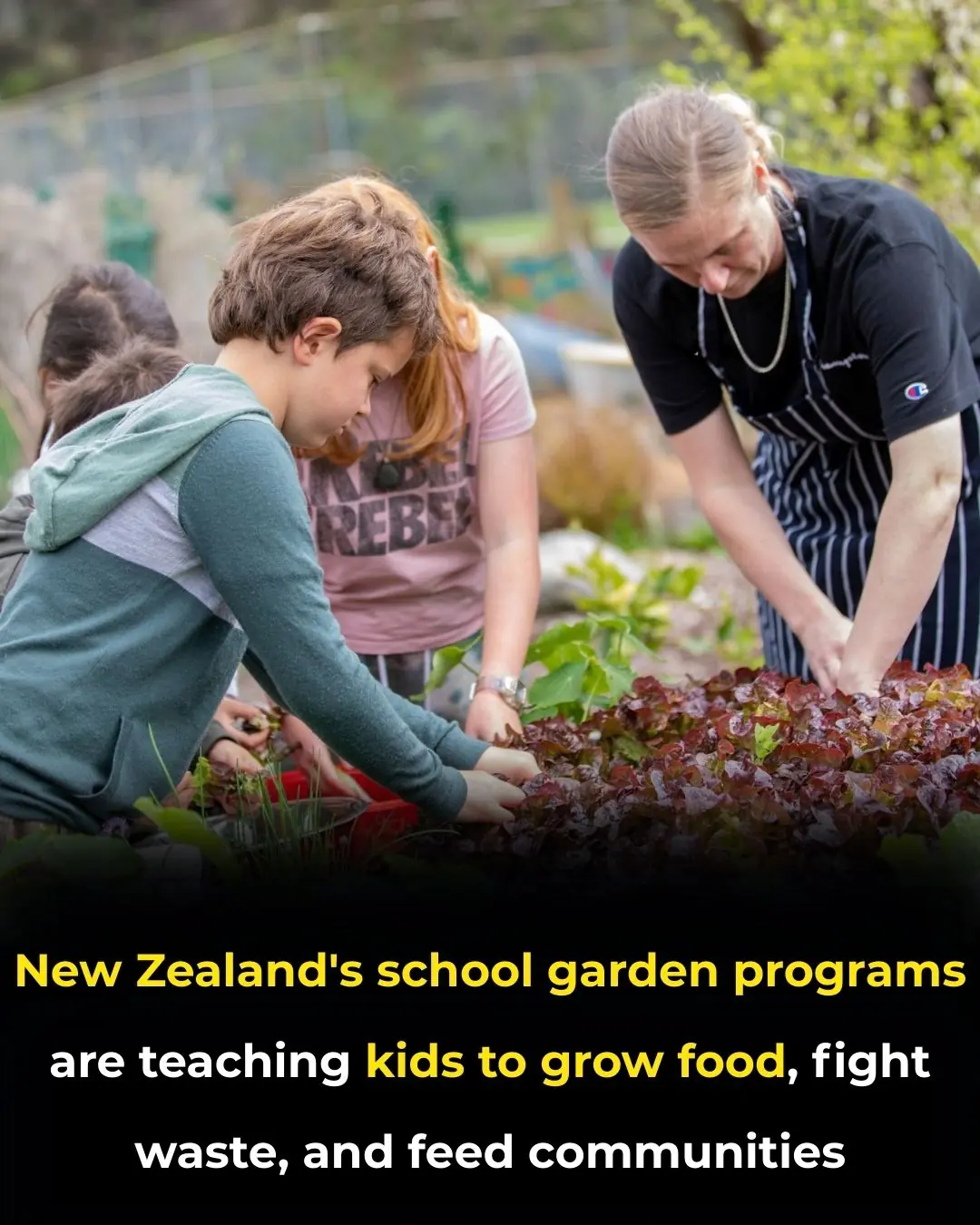
Growing Kindness and Sustainability: New Zealand’s School Programs Teach Kids to Plant, Harvest, and Share

Jermaine's Heroic Climb: A Story of Unwavering Love and Courage in West Philadelphia

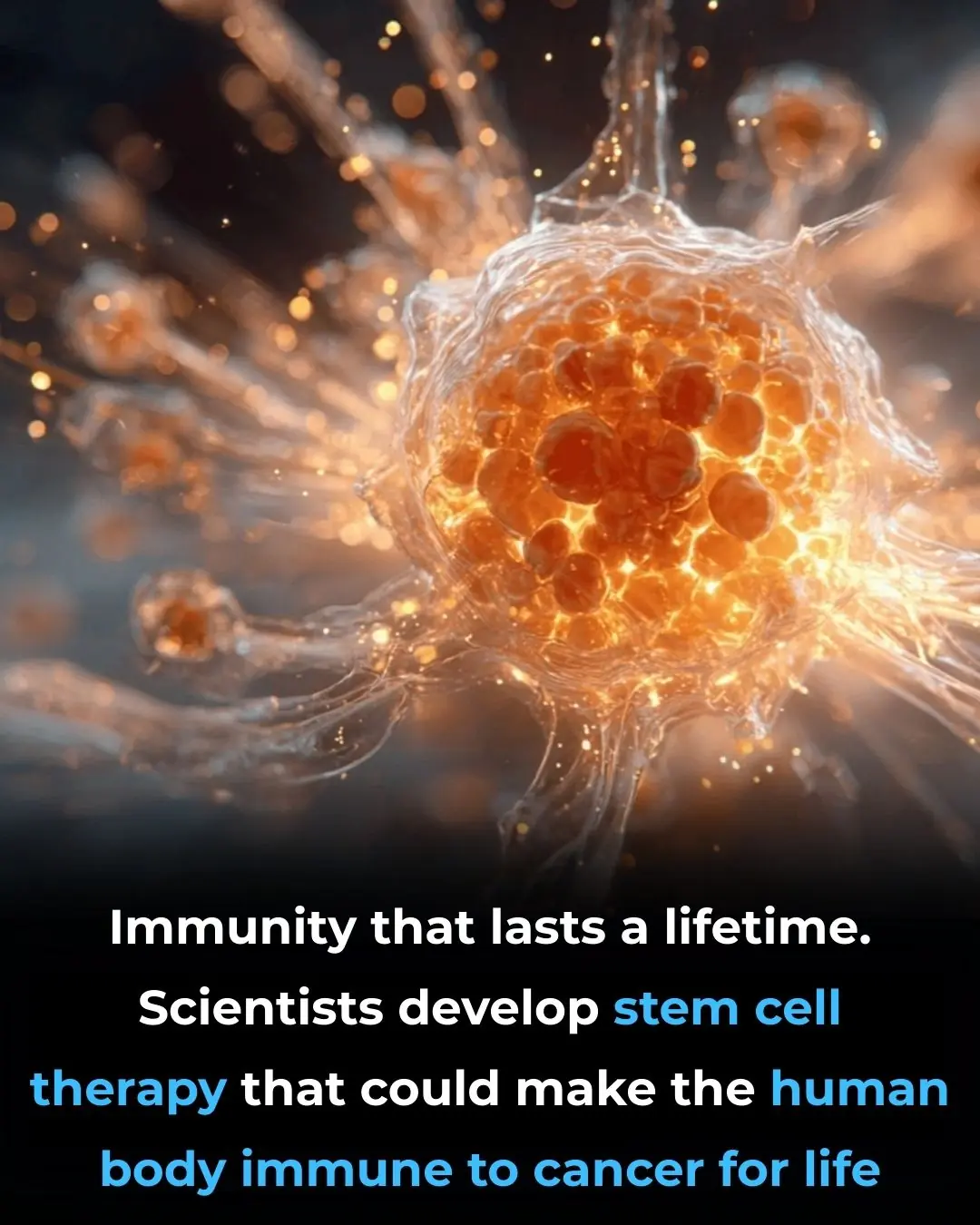
Groundbreaking Stem Cell Therapy Could Provide Lifelong Immunity Against Cancer

Kanye West’s $3,900 Curry Delivery: The Wildest Food Craving in Celebrity History

Actress Nicola Holt Speaks Out After Film Producer Pleads Guilty to Stalking

🌈 Beyond the Rainbow: Tetrachromacy and the Enriched World of Four-Dimensional Color

🧠 The Synergy of Serenity: How Magnesium and Omega-3s Optimize Brain Health and Mood

One Porch, 100 Lunches: How a Local Woman Became a Lifeline for Hungry Kids

The Cognitive Shock: How Brief Cold Exposure Boosts Focus and Mental Energy

🧬 Lighting the Way to Cures: How the Glowing Cat Became a Cutting-Edge Scientific Tool
News Post

The Science of Neuroplasticity: Train Your Brain by What You Repeat

Unlocking the Body’s Natural Reset: The Science Behind Short-Term Fasting

From Parasite Treatment to Cancer Therapy: A Remarkable Case Inspiring New Research

CRISPR Achieves First-Ever Removal of Extra Chromosome 21 in Down Syndrome Cells

Flaxseed & Clove Anti-Aging Night Gel : Remove Wrinkles & Large Pores

How to Use Guava for Eye Comfort | Natural Remedies for Healthy Eyes

Top 10 foods that improve blood circulation in legs

American Sweetgum (Liquidambar styraciflua): Health Benefits and Easy Ways to Use It at Home

Orthopedist’s Secret: How to Support Natural Cartilage Repair in Just 24 Hours

UK Students Turn Skirts into Protest: How a Heatwave Sparked a Bold Stand for Uniform Equality

Injectable Gel Offers Hope for Restoring Movement and Sensation

Turmeric, Clove & Aloe Vera Natural Drink: The Homemade Remedy Many People Are Using to Support Their Health

Train Your Brain: How Thoughts Shape Who You Become

Japan’s Oldest Doctor Warns: 8 Pumpkin Seed Mistakes That Can Trigger Irreversible Reactions in Your Body

A New Era of Space Travel: UK Startup Reveals Ultra-Fast Fusion Rocket

The Gel That Could End Cavities: A New Era of Self-Healing Teeth

Yellow Stains on Toilet Seats and Bowls: Sprinkle This to Remove Stains and Eliminate Odors

Whoa, had no clue about this!

A True Story of Unexpected Ocean Heroism