
When frying eggs, don't just add onions: Combine with these two types of leaves, both delicious and good for your health.
Tips 02/12/2025 15:01

The best option is always to buy live fish. However, if you have to buy fish that has already been killed, pay attention to the following signs to ensure quality:
Fresh fish usually has a glossy, slimy outer layer, clear and bright eyes, firmly attached scales, and pink gills. When you place the fish in water, it will sink—this indicates that the fish is fresh and still dense.
Spoiled or stale fish often has cloudy or sunken eyes, loose or pale scales, sticky mucus, and dull coloration. The flesh becomes soft and loses elasticity, while the belly and anus may appear swollen. When placed in water, it will usually float.
Fish with white or yellowish skin generally has better flavor. Dark or blackish fish are often raised in muddy ponds, resulting in a more unpleasant taste.
When buying fish, don’t hesitate to use your hands. Gently lift the gills—if the gill color is bright red, the fish is fresh. If the gills look whitish or dark, the fish has begun to spoil.
Cleaning fish thoroughly is essential to remove slime, reduce unpleasant odors, and help seasonings penetrate more evenly.
Choose fish with firm flesh, shiny skin, clear eyes, and bright red gills. Wash the fish with diluted salt water to remove slime and any remaining blood, especially around the gills and backbone. Only after thoroughly cleaning should you cut and marinate the fish.
Freshwater fish often carry not only fishy odors but also muddy smells. Rub the fish with salt or wash it with salty water to neutralize unpleasant odors. Rubbing with crushed ginger or lemon juice also helps reduce muddiness.
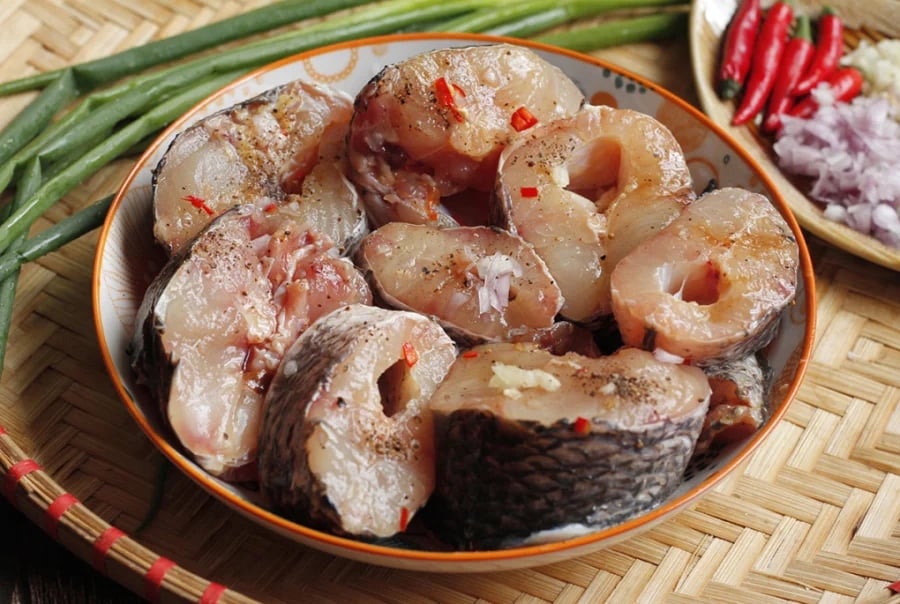
You must carefully remove the skin and scales. Pay close attention to the two fishy “scent glands” near the head—these need to be removed. Also pull out the dark line of tissue along the backbone, as this is the main cause of odor in snakehead fish.
After washing the fish, lightly rinse it inside and out with ginger-infused rice wine. Then place the fish in a colander and pour hot water (around 70–80°C) over it. This technique tightens the flesh without cooking the fish. Do not soak the fish—simply pour the hot water over quickly to avoid breaking the skin.
Depending on the dish, add a few drops of lemon or lime juice to the marinade to help remove odors and allow the seasonings to penetrate.
For dishes requiring sweet-and-sour sauce, caramelized fish sauce, or broth (such as congee, sweet-and-sour Spanish mackerel, or fried catfish), adding ginger enhances the aroma and reduces fishiness.
Always pat the fish dry with paper towels before cooking—this maximizes flavor absorption and prevents unpleasant smells during frying or grilling.
Let the fish dry thoroughly, then lightly coat it with cornstarch, flour, or a crispy batter mix before frying. This helps the skin crisp up beautifully and keeps the flesh moist during cooking.
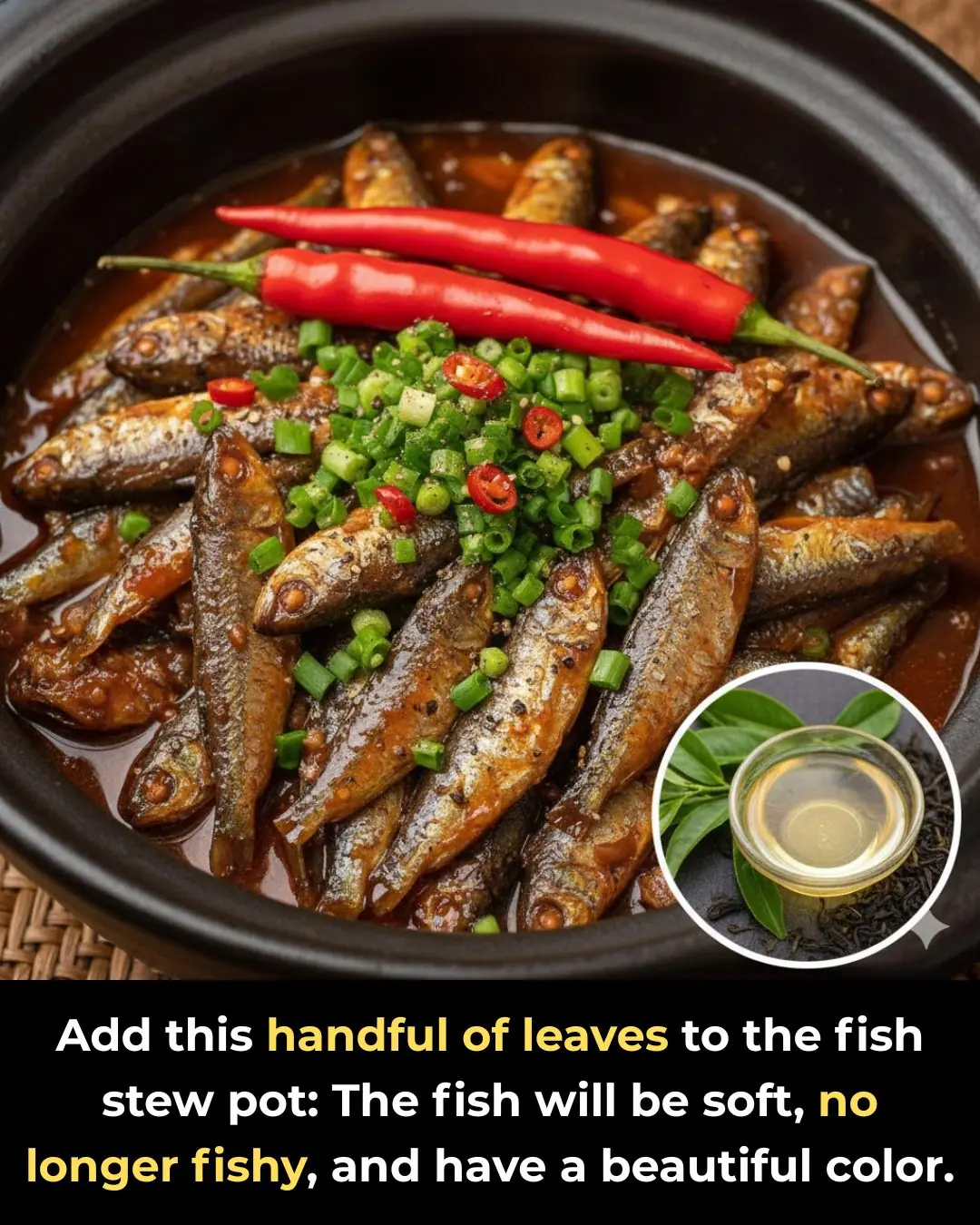
Marinate the fish thoroughly with spices and caramel sauce (nước màu) until the flavors penetrate deeply. When simmering, avoid stirring or mixing too much—this can break the fish apart. Keep the heat low and steady to maintain shape and texture.
Once the fish is just cooked through, remove it immediately and serve hot. Overcooking will cause the flesh to dry out, crumble, and lose its natural sweetness.
Always aim to reduce the fishy smell by cleaning properly and using aromatics such as salt, ginger, vinegar, lemon, pepper, or herbs.
For braised dishes, avoid stirring excessively, as this can break the fish and accidentally rupture the fish bile sac, which creates a bitter taste and ruins the dish.
Pay attention to the type of dish—each cooking method requires different preparation techniques to bring out the best flavor.