10 Amazing Health Benefits of Dates (and Why You Need To Start Eating Them!)
Health 02/12/2025 15:25
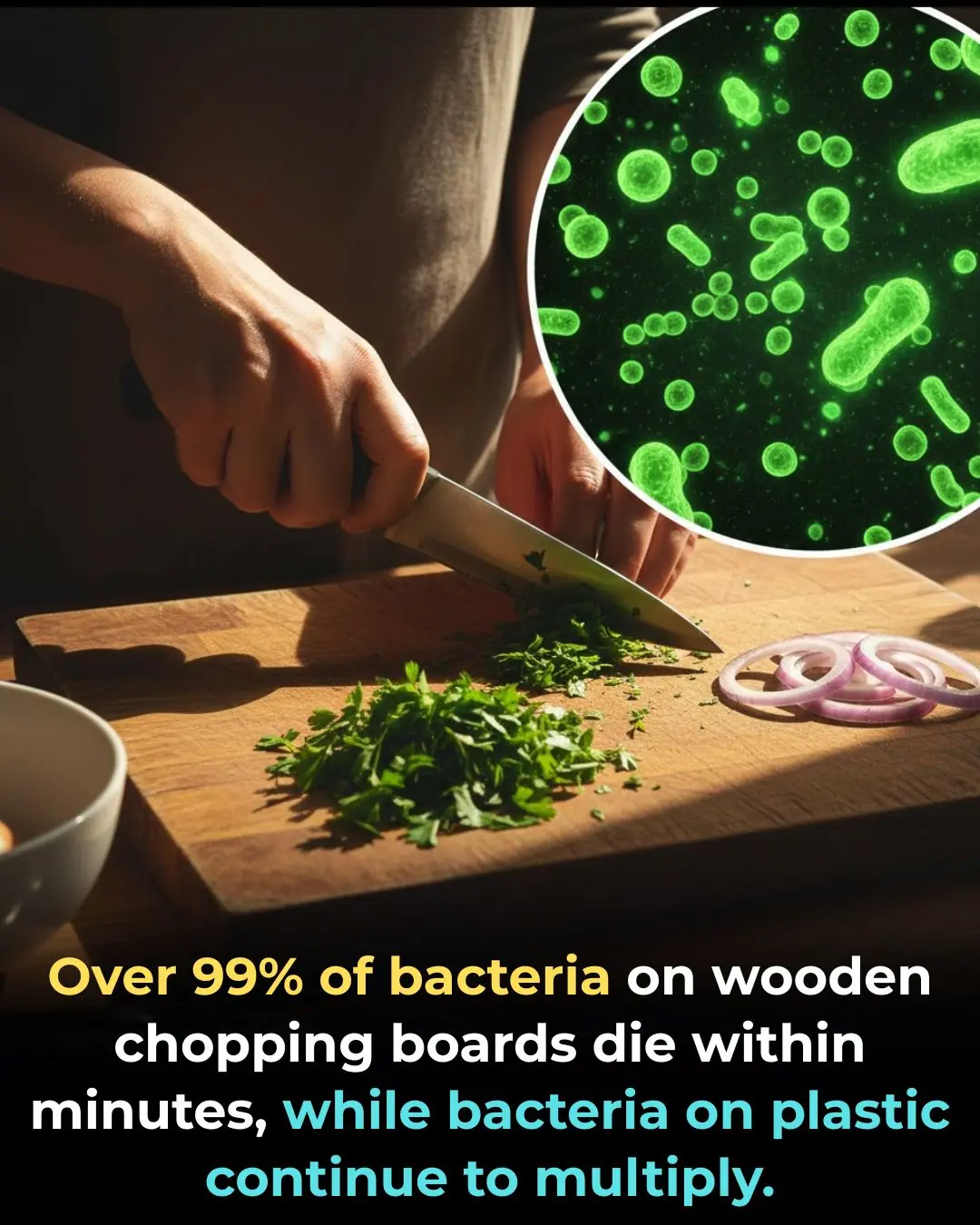
Most people assume plastic chopping boards are cleaner simply because they seem modern and are easy to wash — but research in microbiology tells a more nuanced story, and in some ways wood may actually be the safer choice.
It turns out that wood has natural properties that can suppress bacterial survival. Studies comparing wooden and plastic cutting boards found that when bacteria were applied to wood, over 99% of them were killed within minutes. In contrast, plastic boards — once scratched or scored by knives — often develop microscopic grooves where bacteria can hide, multiply, and resist standard washing.
Why does wood perform so well? There are several possible explanations. One idea is that wood’s porous structure naturally draws bacteria and moisture beneath the surface; once inside, many bacteria cannot survive for long. Another explanation is that certain types of wood contain natural antimicrobial compounds, such as polyphenols, which help slow or inhibit bacterial growth. Because of these qualities, a properly maintained wooden board does not necessarily harbor more bacteria than plastic — and in some cases, it may even be more hygienic.
That said, this does not mean wooden boards are automatically “cleaner” or risk-free. Their safety depends heavily on how they are used and cared for. Wooden boards should be washed thoroughly with warm, soapy water, then dried completely to prevent warping or mold growth. Poorly maintained or heavily coated boards may hold onto bacteria more stubbornly than well-kept ones. And any cutting board — whether wood or plastic — that has developed deep grooves or excessive wear should be replaced, as damaged surfaces make it easier for bacteria to accumulate.
So what does this mean for your kitchen? It suggests that the common assumption — that plastic is more hygienic simply because it looks clean and washes easily — isn’t always correct. With proper cleaning and care, a wooden cutting board can actually outperform a plastic one in terms of hygiene. Thanks to wood’s natural antimicrobial tendencies, a high-quality hardwood board may be the smarter and safer choice for everyday cooking.
In the end, the message is not that “plastic is always bad,” but rather that cleaning habits, maintenance, and the condition of the board matter far more than the material itself. For many households, a well-cared-for wooden board could indeed be the cleaner, safer option.