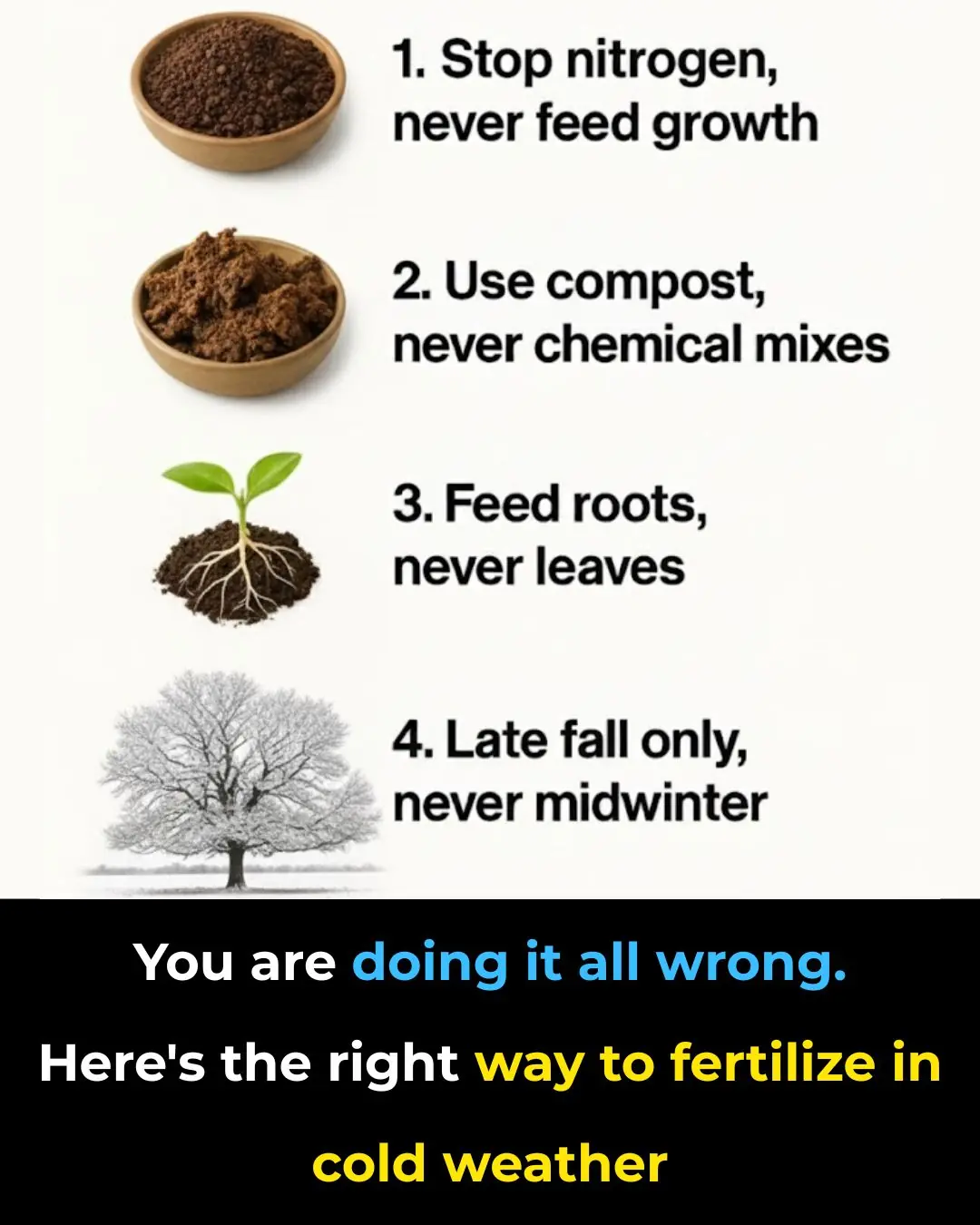
You’re Doing It All Wrong: Here’s the Right Way to Fertilize in Cold Weather
News 02/12/2025 13:52
Tempting as they may be, regularly indulging in the three flavor profiles below can quietly create the perfect environment for cancer cells to thrive. In today’s fast-paced world, we constantly seek convenience and bold, satisfying tastes. But behind those moments of pleasure lies an invisible threat: the same strong flavors many people love are also the ones cancer cells “prefer” the most.
Scientific studies increasingly show that seemingly harmless eating habits can gradually support the growth of malignant cells. If you want to lower your risk, it’s essential to recognize — and cut back on — these three flavor types before cancer has the chance to develop.
Sugary drinks, milk tea, and desserts are everyday favorites. But consuming too much refined sugar creates an ideal environment for cancer progression.
A 2022 Harvard study published in Current Developments in Nutrition found that women who drank more than one sugary beverage per day had a 78% higher risk of liver cancer than those who rarely consumed them. Excess sugar can lead to insulin resistance, oxidative stress, hormonal imbalance, and weakened immunity — all of which contribute to cancer development.
Grilled meats, fried chicken, french fries, and foods high in unhealthy fats are irresistibly tasty — but they come with serious risks.
A 2024 study by Sun Yat-sen University (China), published in PNAS, showed that high-fat diets may increase the risk of breast cancer and melanoma. Excess fat alters gut microbiota and triggers the release of leucine — an amino acid that can activate immune-suppressing cells. This weakens the body’s natural defenses and facilitates tumor growth.
The WHO has also repeatedly warned about cancer-causing compounds formed during high-temperature frying and grilling, such as acrylamide, heterocyclic amines (HCAs), and polycyclic aromatic hydrocarbons (PAHs).
A salty diet, particularly common in many Asian cultures, is a significant threat to digestive health — especially when it comes to stomach cancer.
The 2023 Gastric Cancer Risk Management Guidelines highlight that excessive salt intake damages the stomach lining and promotes genetic mutations. A global analysis of 26 studies found that people who consume large amounts of salt have a 25% higher risk of stomach cancer. The WHO recommends limiting sodium intake to no more than 5g per day.
To effectively lower your risk, focus on a diet rich in whole grains, vegetables, fruits, and healthy unsaturated fats (from fish, olive oil, etc.). These foods provide fiber and antioxidants that support cellular health.
Additional recommendations include:
Choosing high-quality protein (lean meats, soy)
Avoiding processed meats
Drinking green tea
Limiting alcohol
Replacing fried and grilled foods with steaming, boiling, or stewing to reduce exposure to harmful compounds
A balanced, mindful diet won’t eliminate all risks, but it significantly strengthens the body’s natural defenses — helping you stay healthier for longer.