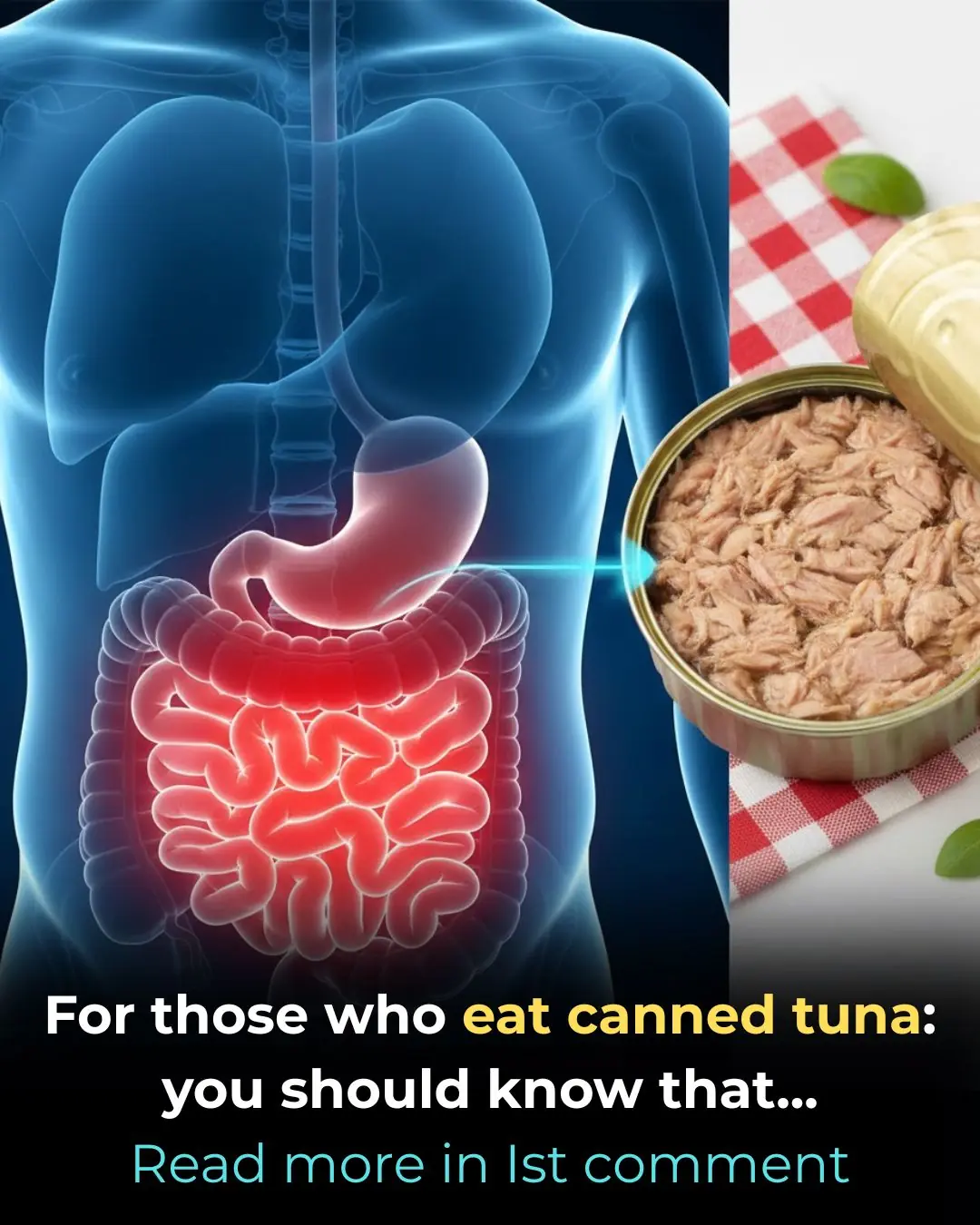
What Happens to Your Body When You Eat Canned Tuna Every Day
Health 07/12/2025 22:30
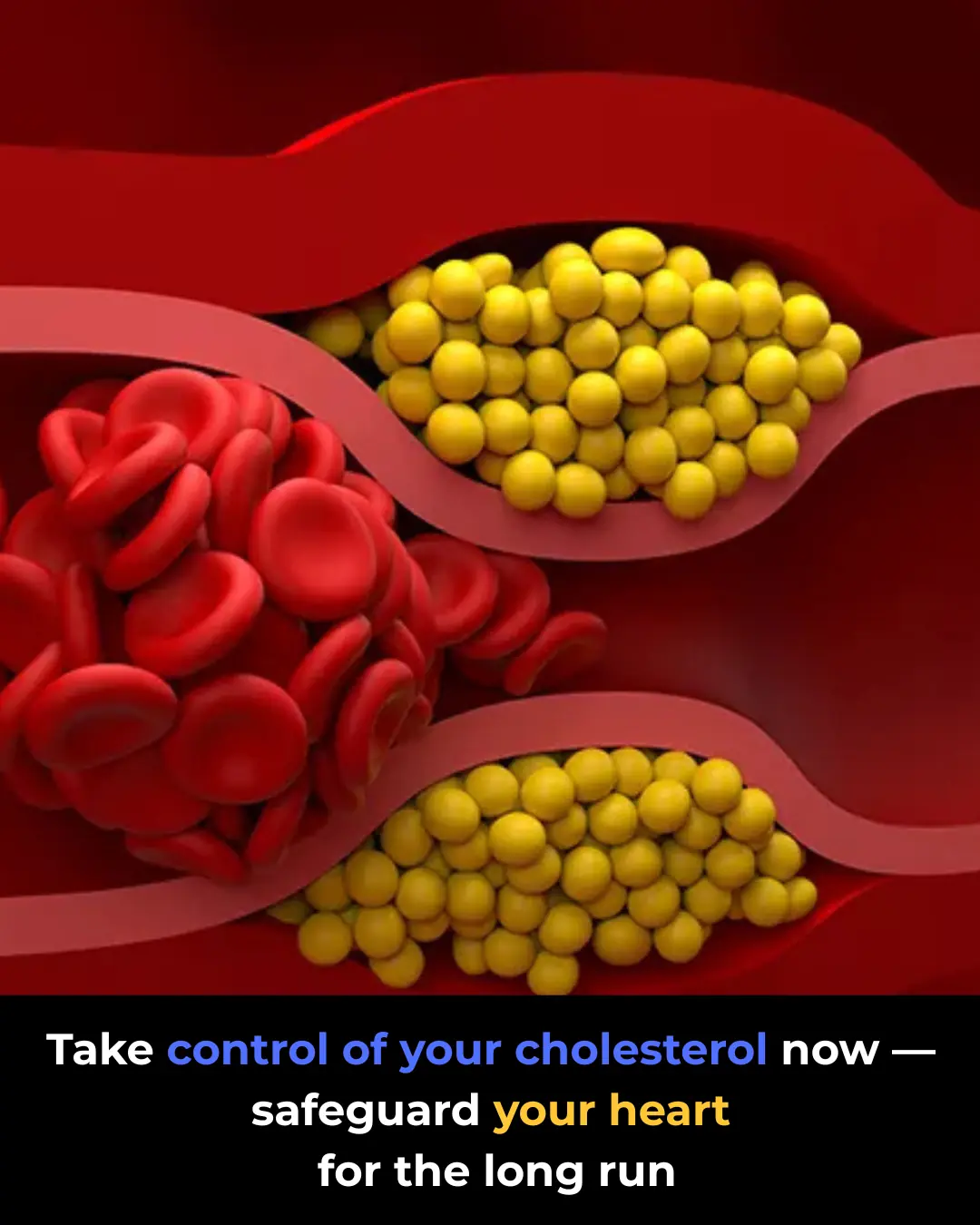
Many people worry that lowering their cholesterol—especially with medications like statins—might protect their heart but harm their brain. After all, the brain contains nearly 20% of the body’s cholesterol, a crucial ingredient for neuron structure, synaptic activity, and nerve insulation. With so many mixed messages online, the fear is understandable: Could lowering cholesterol starve the brain of what it needs to function?
A massive new study analyzing over one million people has brought clarity to this debate. Using state-of-the-art genetic methods, researchers have provided the strongest evidence yet that long-term LDL reduction—naturally or through medication—substantially lowers dementia risk. Even better, the study helps explain why short-term clinical trials haven’t always reflected this benefit.
This article breaks down the science behind cholesterol and brain health, what the new research means for you, and practical steps anyone can take to protect cognitive function for life.

Reducing blood cholesterol doesn’t reduce brain cholesterol—because the brain synthesizes its own supply behind the blood–brain barrier.
Short trials show mixed results, but long-term genetic and observational analyses indicate significantly reduced dementia risk among long-term users.
Cholesterol levels in your 40s and 50s are far more strongly linked to dementia risk than cholesterol levels in older age.
Key modifiable factors include blood pressure, diabetes, exercise, hearing, vision, cognitive activity, and mental health.
A central misconception is that reducing dietary or blood cholesterol lowers cholesterol inside the brain. In reality, the two systems are isolated. Cholesterol does not cross the blood–brain barrier, and almost all brain cholesterol is manufactured locally by astrocytes and oligodendrocytes.
Diet-induced or medication-induced low blood cholesterol cannot starve the brain.
Brain cholesterol turnover is extremely slow—lasting up to 5 years—because it is tightly regulated for stability.
Reference: Björkhem et al., Nat Rev Neurol, 2013.
Thus, lifestyle changes that lower LDL are brain-safe. Concerns arise only when medications might cross the blood–brain barrier—leading to…
Some statins are fat-soluble (lipophilic), meaning they can cross the blood–brain barrier more easily. Early anecdotal reports described reversible memory problems in some users, creating public anxiety.
PROSPER Trial (2002, 5,804 participants)
Found no significant difference in cognitive decline between pravastatin and placebo.
Reference: Shepherd et al., Lancet.
Evolocumab + Statins (FOURIER Cognitive Substudy, 2017)
Achieving extremely low LDL (<30 mg/dL) did not impair cognition.
Reference: Giugliano et al., NEJM.
Alirocumab + Statins (ODYSSEY trials, 2020)
Same conclusion: no cognitive harm.
Reference: Robinson et al., Am J Cardiol.
Across RCTs, statins do not harm memory or cognition.
Here the data get compelling.
A sweeping meta-analysis of 55 studies (7+ million people) found:
14% lower dementia risk among statin users overall
63% lower risk among those taking statins longer than 3 years
(Poly et al., Prev Chronic Dis, 2020)
These numbers are far too large to ignore.
Vascular dementia prevention
LDL drives arterial plaque formation, including in brain-supplying arteries.
Reference: Arvanitakis et al., Lancet Neurology, 2016.
Alzheimer’s risk reduction
LDL-related vascular damage accelerates amyloid deposition.
Reference: Iturria-Medina et al., Nat Commun, 2016.
Anti-inflammatory effects
Statins reduce neuroinflammation—a major contributor to dementia progression.
Antioxidant and endothelial benefits
Improved blood flow means better oxygen delivery to the brain.
These effects take years or decades to build—which explains the mismatch with short-term trials.
A major 2023 meta-analysis of 20 RCTs (100,000+ participants) found no short-term dementia reduction.
But there’s a simple reason:
Most RCTs:
last 2 to 5 years
study older adults
begin treatment long after vascular damage has accumulated
Yet we know from brain pathology research that dementia is a 20–40 year process.
High LDL at age 40–55 strongly predicts dementia after age 70.
Reference: Solomon et al., JAMA Neurology, 2017.
Lowering LDL late in life may be too late to meaningfully alter long-term trajectory.
Mendelian randomization (MR) uses natural genetic differences to mimic the effect of lifelong LDL reduction. It’s like running a lifetime clinical trial without giving anyone drugs.
This massive 2024–2025 MR study found:
Genes mimicking the lifelong effect of statins → 76% lower dementia risk
Genes mimicking ezetimibe → 82% lower dementia risk
These results are remarkably strong and minimize lifestyle confounders.
Key implication:
Long-term LDL lowering—whether by genes or medication—appears highly protective.
Referenced in: Ference et al., JAMA, 2017; updated MR analyses through 2024.
The Lancet Commission (2020, 2023 updates) identified modifiable risk factors that could prevent up to 40% of dementia cases.
Mentally stimulating work lowers dementia risk.
Wu et al., BMJ, 2021.
Untreated hearing loss → 2.4× higher dementia risk
Lin et al., Lancet Neurology, 2020.
Using hearing aids reduces risk significantly
Livingston et al., Lancet, 2020.
Visual impairment → 47% higher dementia risk
Zhang et al., Acta Ophthalmologica, 2021.
Midlife depression doubles dementia risk
Kuring et al., Psychological Medicine, 2020.
Treating depression reduces risk by ~30%
Gimson et al., Transl Psychiatry, 2018.
Large RCTs (COSMOS-Mind, 2022 & 2023):
Daily multivitamin improved global cognition
Equivalent to 2 years younger brain age
Meta-analysis (Avgerinos et al., Psychopharmacology, 2022):
Improved memory and cognitive processing, especially in older adults.
Lowers homocysteine, a known dementia risk factor
Supports methylation and neuronal health
Ref: Schwab et al., Am J Clin Nutr, 2002.
Always consult a clinician before starting supplements.
The cholesterol–dementia debate is shifting decisively. The largest genetic study to date shows that lifelong LDL reduction is strongly protective, aligning with decades of vascular and Alzheimer’s research.
But protecting your brain isn’t about cholesterol alone. The most powerful strategy is a multi-factor approach:
Manage LDL cholesterol (especially in midlife)
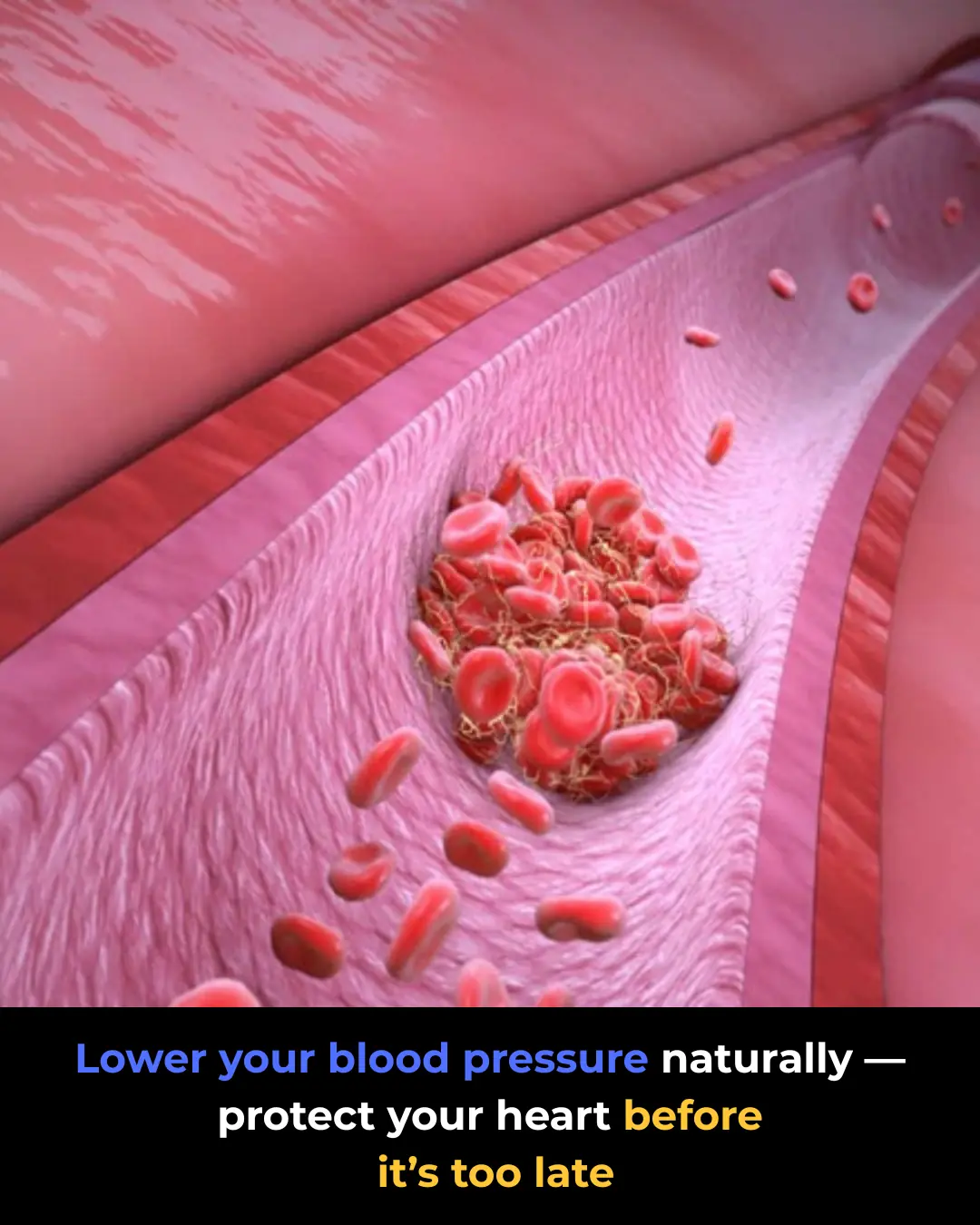
Control blood pressure
Treat hearing and vision problems
Challenge your mind
Stay physically active
Maintain social connections
Address depression early
Support brain health with evidence-based nutrition and supplements
By taking these steps—starting as early as possible—you’re investing in a stronger, more resilient brain for decades to come.