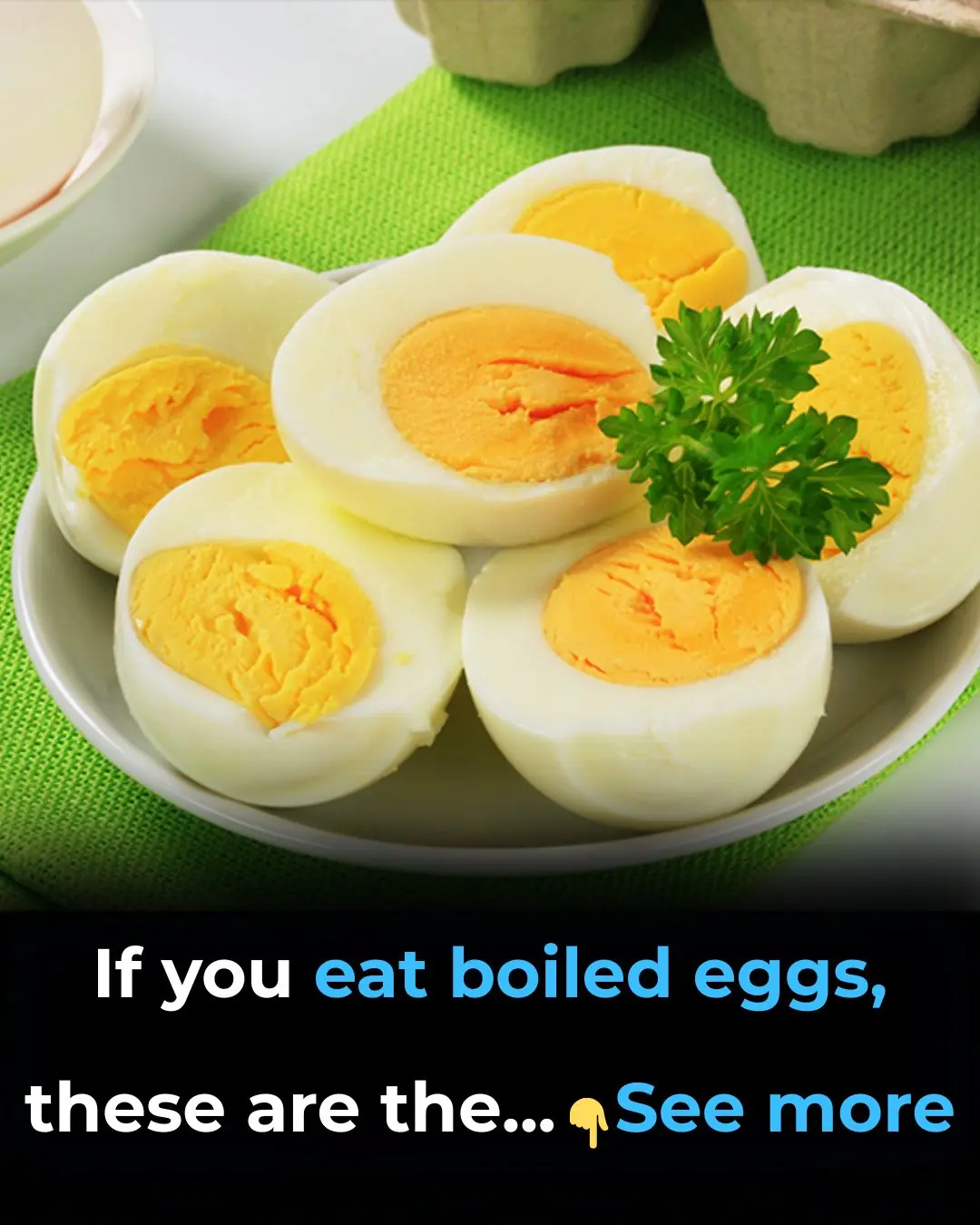
Why Some Eggs Are Speckled

Why Some Eggs Have Speckles — And Whether They’re Safe to Eat
Have you ever opened a carton of eggs and noticed that a few have tiny speckles or spots on the shell? It can look unusual, especially if you’re used to perfectly uniform eggs. The reassuring news is that speckled eggs are generally perfectly safe to eat — and their appearance is more natural than you might think.
Are Speckled Eggs Safe?
Yes — speckled eggs are considered completely safe for consumption.
A study from the University of Georgia found that these small dots are simply extra calcium deposits that form during the egg’s development. The tiny speckles appear in the shell gland of the hen just before the final outer coating (called the cuticle) is applied.
Importantly:
-
They are not caused by bacteria.
-
They are not signs of disease.
-
They are not a result of contamination.
In other words, the speckles affect only the appearance of the shell — not the egg inside.
What Causes the Speckles?
There are several reasons why a hen might produce a speckled egg:
-
Extra Calcium in the Diet
When a hen consumes more calcium than needed, the excess may settle into the shell as small dots. -
Temporary Shell Gland Irregularities
Minor fluctuations in the hen’s reproductive system can create slight variations in shell texture and pattern. -
Sudden Disturbances During Egg Formation
Loud noises, changes in environment, or stress during the egg-laying process may influence shell appearance. -
Genetics and Breed Characteristics
Some chicken breeds naturally lay eggs with speckles due to pigmentation patterns — these are completely normal and often considered attractive or “farm-fresh.”
So, speckles are simply the result of biology, nutrition, and environment, not spoilage or contamination.
Do Speckled Eggs Taste Different?
No — there is no difference in taste, nutritional value, or cooking properties.
The shell only protects the egg; its colour or speckling does not influence flavor or texture.
A speckled egg will scramble, poach, bake, and fry just like any other egg.
If You’re in the UK: Look for the Red Lion Stamp
Eggs marked with the British Red Lion are known for being among the safest eggs globally, thanks to rigorous safety standards and vaccination programs. These eggs are even considered safe to eat soft-boiled or runny, including for pregnant individuals, children, and the elderly.
When Should You Avoid an Egg?
Speckles are harmless, but you should be cautious with eggs that:
-
Smell unpleasant when cracked open
-
Have cracks, mold, or slimy residue on the shell
-
Have been left unrefrigerated for long periods, especially in warm temperatures
If an egg smells off, trust your senses and discard it.
Final Takeaway
Those tiny dots on your egg’s shell? They’re simply natural calcium speckles — nothing harmful and nothing to worry about. The egg inside is just as safe, nutritious, and delicious as any perfectly smooth-shelled egg.
So go ahead:
Fry it, boil it, scramble it, or turn it into the fluffiest omelette.
Now you know — a little speckle won’t spoil your breakfast.

News in the same category


Reducing Meat Consumption by 90%: A Critical Step to Combat Climate Change and Ensure Global Sustainability

Revolutionary Nanobodies Offer New Hope for Alzheimer’s and Parkinson’s Disease Treatment

Gray Wolves: The Remarkable Lifelong Bond Between Mates and Their Role in Pack Survival

Sebastian Errazuriz’s Robotic Dogs: A Satirical Commentary on Tech Billionaires and the NFT Market

Voyager Spacecraft: A 40-Year-Old Marvel of Engineering Exploring Interstellar Space

How the U.S. Escaped Hurricane Landfalls in 2025

Ancient Shark Fossils Unearthed in Mammoth Cave Rewrite 325 Million Years of Evolutionary History

How an Italian Police Lamborghini Huracán Helped Save Lives by Delivering Kidneys Across Italy

Can Spinal Screws Push Through the Skin? Understanding a Rare but Serious Post-Surgery Complication

Why the Tongue Is One of the Most Important Organs in the Human Body

What You Do First in This Scenario

Small Steps, Big Impact: How 4,000 Steps a Day Can Transform Your Health

Rising Concerns Over Excessive Headlight Brightness: A Growing Challenge for Nighttime Driving Safety in the UK

Unwavering Loyalty: The Stray Dog's Final Journey of Love and Devotion

Revolutionary MRI-Guided Cryoablation Offers Non-Invasive Cancer and Pain Treatment in Sydney

So this is what it does, here is the answer

Scientists Unlock Healing Potential of Wisdom Teeth: Stem Cells for Regenerative Medicine

1054 Supernova: The Cosmic Explosion That Shaped the Crab Nebula

The zodiac signs with a supernatural sixth sense… See now
News Post

Peter Tabichi: The Kenyan Teacher Who Became the World's Best by Inspiring Change and Giving Back

Reducing Meat Consumption by 90%: A Critical Step to Combat Climate Change and Ensure Global Sustainability

Revolutionary Nanobodies Offer New Hope for Alzheimer’s and Parkinson’s Disease Treatment

Gray Wolves: The Remarkable Lifelong Bond Between Mates and Their Role in Pack Survival

Sebastian Errazuriz’s Robotic Dogs: A Satirical Commentary on Tech Billionaires and the NFT Market

Voyager Spacecraft: A 40-Year-Old Marvel of Engineering Exploring Interstellar Space

High-Dose Nifedipine Linked to Increased Risk of Sudden Cardiac Arrest, New Study Suggests

How the U.S. Escaped Hurricane Landfalls in 2025

Ancient Shark Fossils Unearthed in Mammoth Cave Rewrite 325 Million Years of Evolutionary History

Powerful Health Benefits of Pineapple You Should Know

How an Italian Police Lamborghini Huracán Helped Save Lives by Delivering Kidneys Across Italy

Can Spinal Screws Push Through the Skin? Understanding a Rare but Serious Post-Surgery Complication

Why the Tongue Is One of the Most Important Organs in the Human Body

What You Do First in This Scenario

The Surprising Health Benefits of Sleeping in a Cold Room

A 4-Minute, Zero-Effort Hack to Clean Grill Gunk – The Simple Trick My Nana Taught Me

High Blood Sugar Warning Signs

🥚 A Look at How Certain Boiled Egg Habits May Affect Your Heart Health

Small Steps, Big Impact: How 4,000 Steps a Day Can Transform Your Health