
Facts 02/12/2025 10:44
WWOOF: Traveling the World Through Sustainable Farming and Cultural Exchange
Since its creation, many travelers have embraced WWOOF as a way to stretch their travel budgets while gaining meaningful cultural and lifestyle experiences. Likewise, hosts – often small‑scale organic farmers – enjoy the benefit of extra hands and the opportunity to share their way of life with visitors from around the world.
WWOOF (originally standing for “Working Weekends on Organic Farms,” later “Willing Workers on Organic Farms,” and now commonly “World Wide Opportunities on Organic Farms”) is an international initiative that enables people to travel affordably while learning about sustainable agriculture and ecological living. The program began in 1971, when a London-based woman initiated the first work‑exchange on a farm. From that modest beginning, WWOOF has grown into a global network spanning more than 130 countries (and often cited in various sources as over 100), connecting volunteers — or “WWOOFers” — with host farms across continents.
Under this arrangement, WWOOFers live with host families (or on smallholdings, community farms, permaculture projects, etc.) and help with daily farm or homestead tasks in exchange for food and accommodation — no money exchanged. In return, they gain hands‑on exposure to organic farming techniques, rural daily life, and — for many — a deep cultural immersion.
Typically, the volunteer commitment involves around four to six hours of work per day. This leaves plenty of time for personal exploration, socializing with host families, or discovering the surrounding area. Depending on the agreement between volunteer and host, stays may be as short as a few days or extend for several months. Some visits are only a weekend, while others can last multiple weeks or even longer.
The tasks volunteers help with are varied and depend heavily on the farm’s focus and seasonal needs. Typical duties include planting and harvesting crops, composting, gardening, milking animals, feeding livestock, maintenance work like fencing or tool repair, and — in some places — more specialized tasks like cheese‑making, bread baking, or other food production processes.
But WWOOF is about far more than labor or cheap travel. According to the organization itself and long‑time participants, WWOOF is fundamentally about building connections, immersing in local cultures, and learning practical, sustainable skills. Over time, it has evolved into a global movement that marries travel, education, and community — offering a meaningful alternative to conventional tourism. Through WWOOF, volunteers often develop a deeper understanding of ecological agriculture, rural living, and global solidarity among diverse communities.
For many WWOOFers — whether backpackers, students, or career‑break travelers — this model provides a rare chance: to travel the world without spending much money, to learn real farming and eco‑living skills, and to connect with people from different cultures over shared meals, daily routines, and common goals. Hosts, for their part, benefit from additional help and the chance to share their values of sustainability, community, and simplicity.
In short, WWOOF offers a practical, meaningful way to explore the world — one rooted in organic farming, sustainable living, and cross‑cultural exchange — making it a unique blend of travel, learning, and community-building that continues to inspire tens of thousands of participants worldwide.
News in the same category
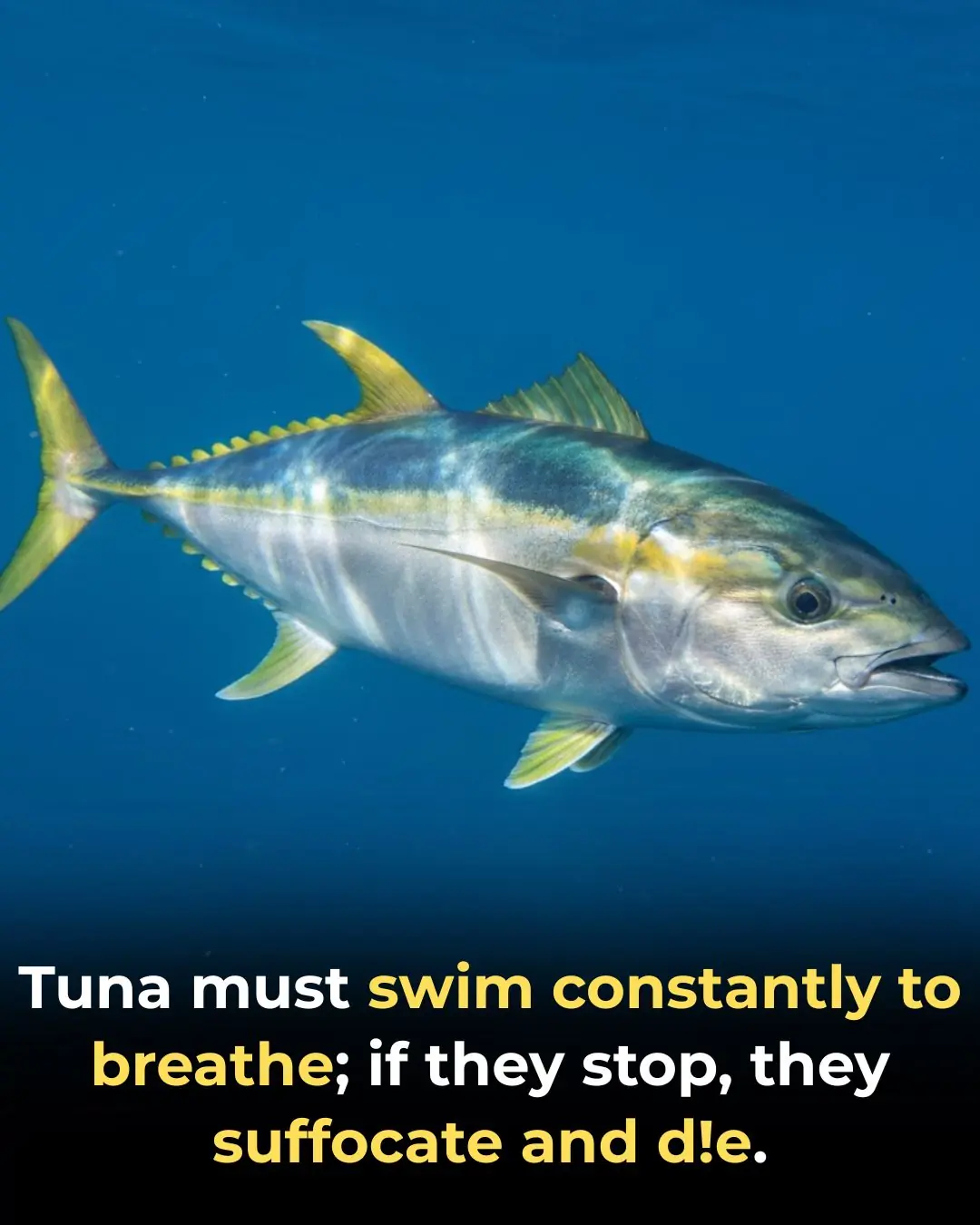
Masters of Motion: The Remarkable Endurance and Power of Tuna

A Tiny Japanese Invention Could Change Renewable Energy Forever
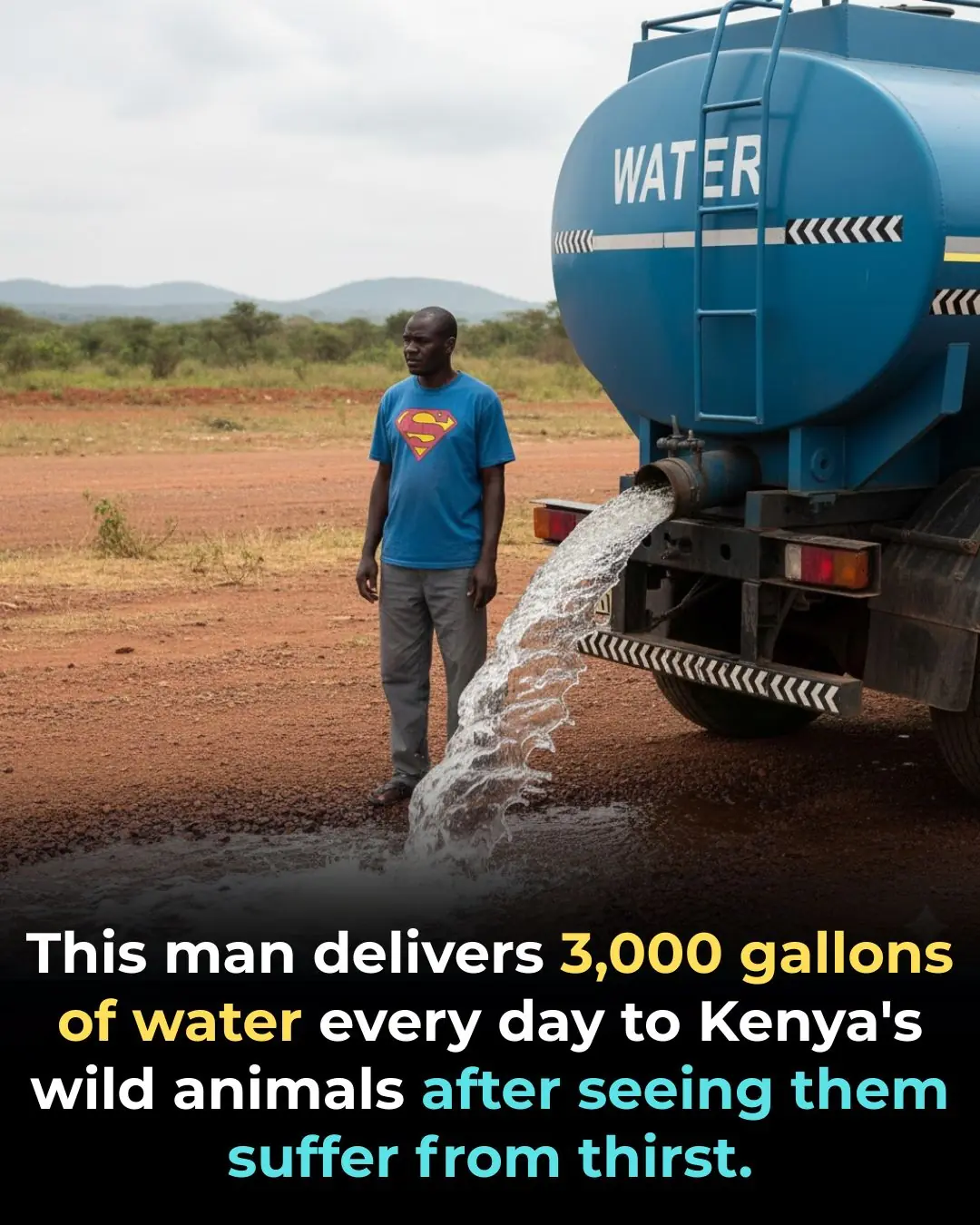
Patrick Kilonzo Mwalua: The Waterman of Tsavo Whose Legacy Continues to Save Wildlife
The Science of Neuroplasticity: Train Your Brain by What You Repeat
Unlocking the Body’s Natural Reset: The Science Behind Short-Term Fasting
From Parasite Treatment to Cancer Therapy: A Remarkable Case Inspiring New Research

CRISPR Achieves First-Ever Removal of Extra Chromosome 21 in Down Syndrome Cells

UK Students Turn Skirts into Protest: How a Heatwave Sparked a Bold Stand for Uniform Equality
Injectable Gel Offers Hope for Restoring Movement and Sensation
Train Your Brain: How Thoughts Shape Who You Become

A New Era of Space Travel: UK Startup Reveals Ultra-Fast Fusion Rocket

The Gel That Could End Cavities: A New Era of Self-Healing Teeth
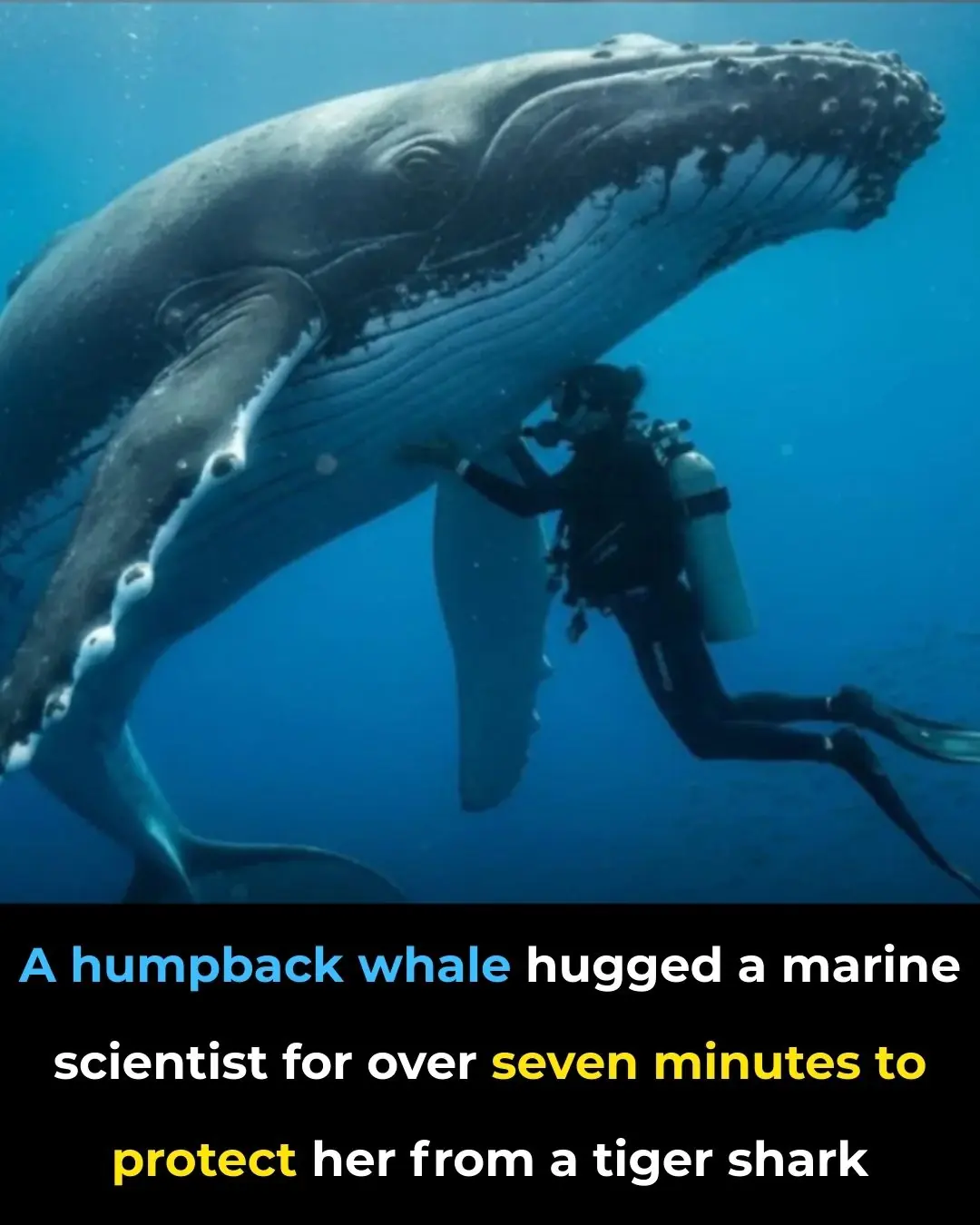
A True Story of Unexpected Ocean Heroism
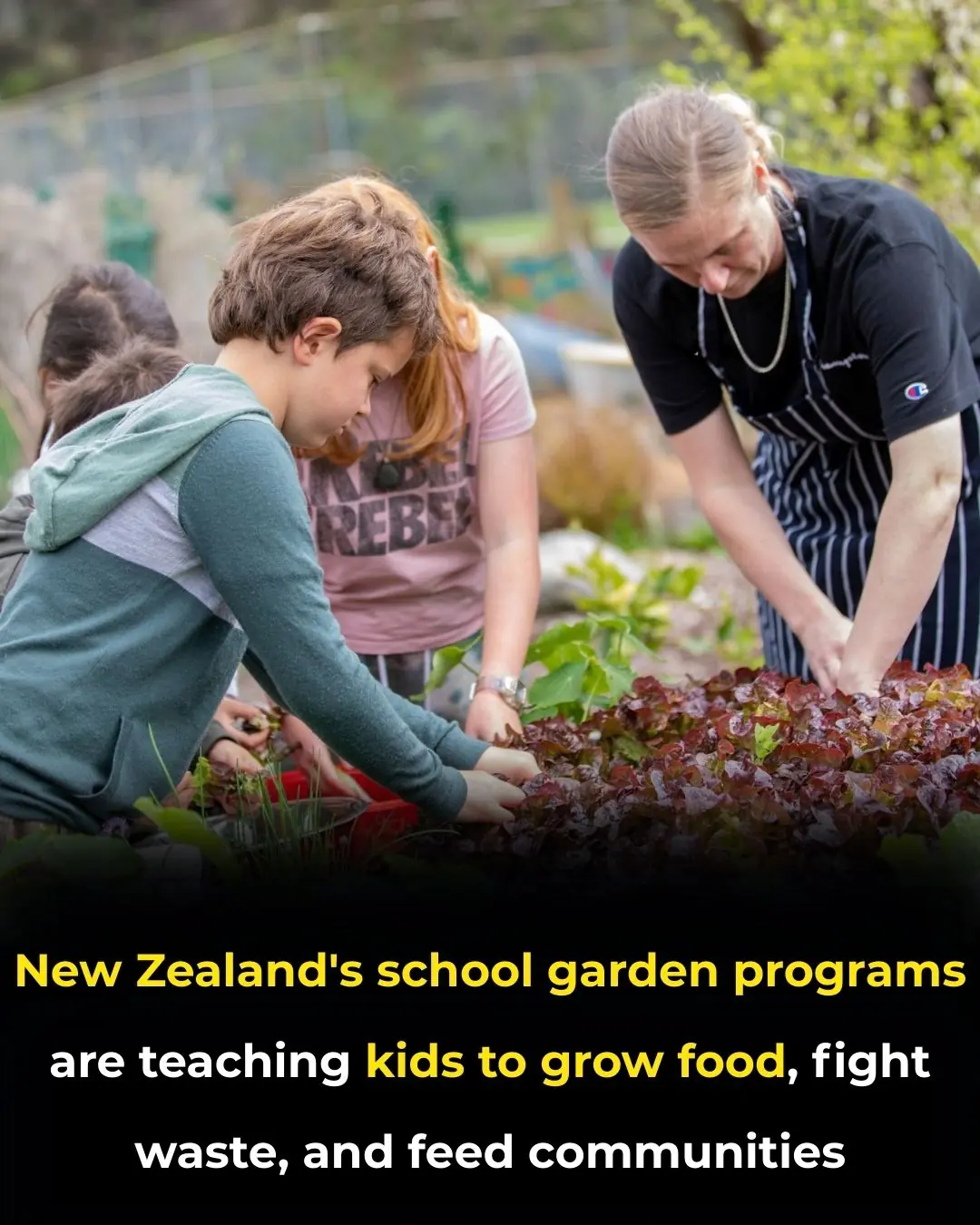
Growing Kindness and Sustainability: New Zealand’s School Programs Teach Kids to Plant, Harvest, and Share

Jermaine's Heroic Climb: A Story of Unwavering Love and Courage in West Philadelphia

Groundbreaking Stem Cell Therapy Could Provide Lifelong Immunity Against Cancer

Kanye West’s $3,900 Curry Delivery: The Wildest Food Craving in Celebrity History
News Post
Couple Goes Viral for Choosing Bread and Butter Over Wedding Cake, Embracing Love Over Luxury
Facts 02/12/2025 10:49

Why Do People Put Butter on a Date? The Ancient Energy Mix Making a Modern Comeback
Garden Healthy 02/12/2025 10:39
Masters of Motion: The Remarkable Endurance and Power of Tuna
Facts 02/12/2025 10:39
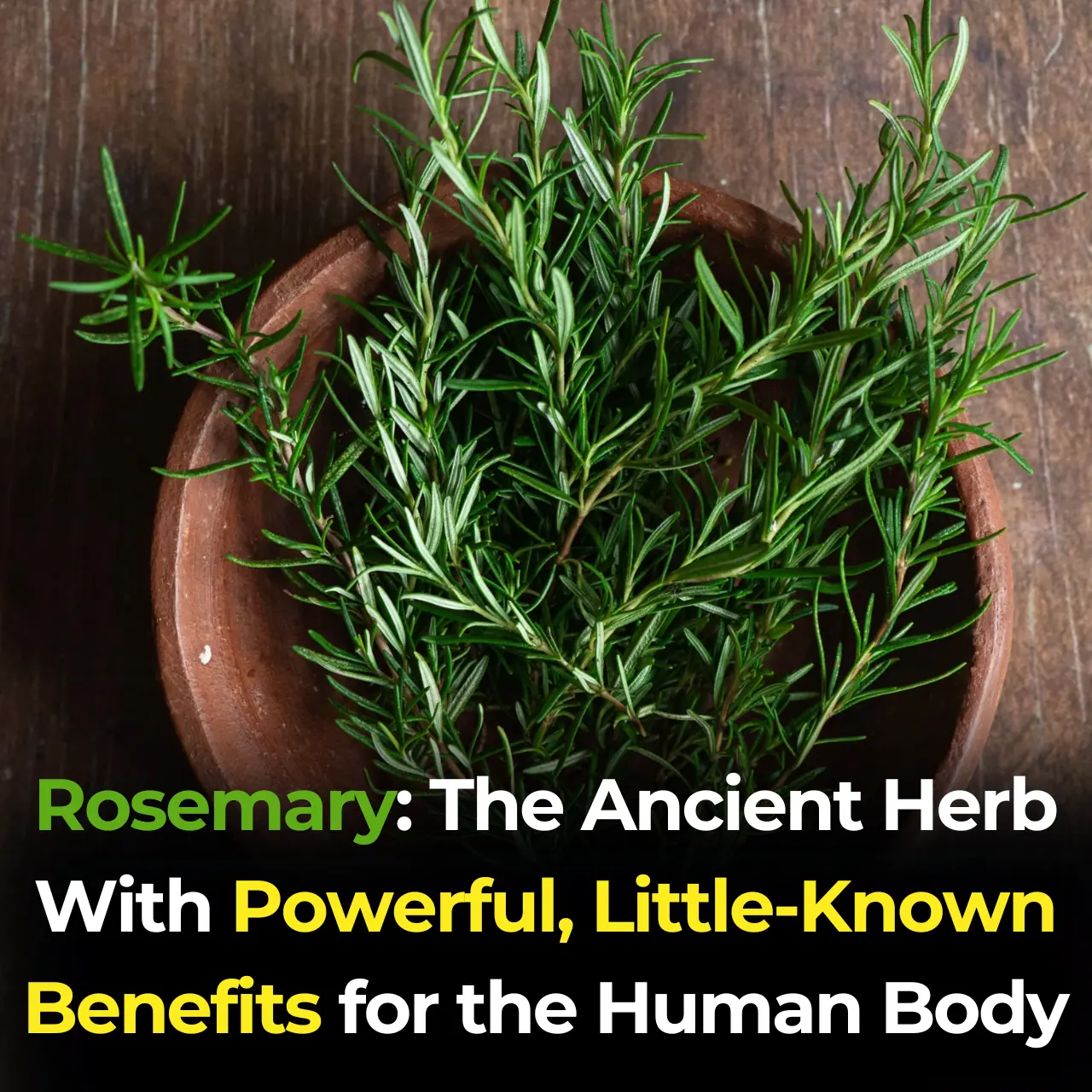
Rosemary: The Ancient Herb With Powerful, Little-Known Benefits for the Human Body
Garden Healthy 02/12/2025 10:33

Love as Medicine: How Human Touch Heals the Body and Mind
Facts 02/12/2025 10:32

Rub This Slice On Face To Get Spotless Skin
Beatuty Tips 02/12/2025 10:29
A Tiny Japanese Invention Could Change Renewable Energy Forever
Facts 02/12/2025 10:27
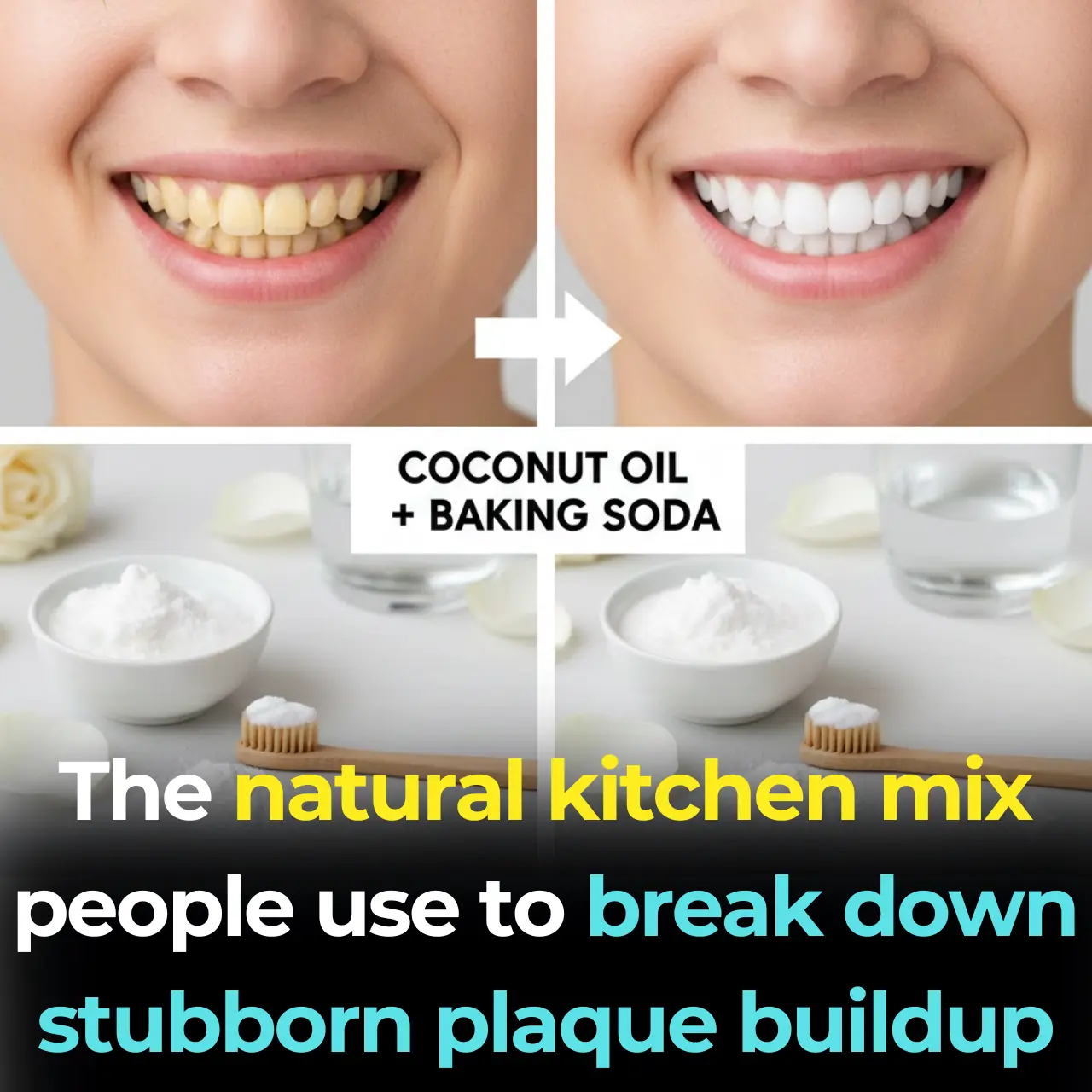
The natural kitchen mix people use to break down stubborn plaque buildup
Beatuty Tips 02/12/2025 10:24
Patrick Kilonzo Mwalua: The Waterman of Tsavo Whose Legacy Continues to Save Wildlife
Facts 02/12/2025 10:23

The #1 cheap food packed with natural probiotics (and how to prepare it)
Garden Healthy 02/12/2025 10:20
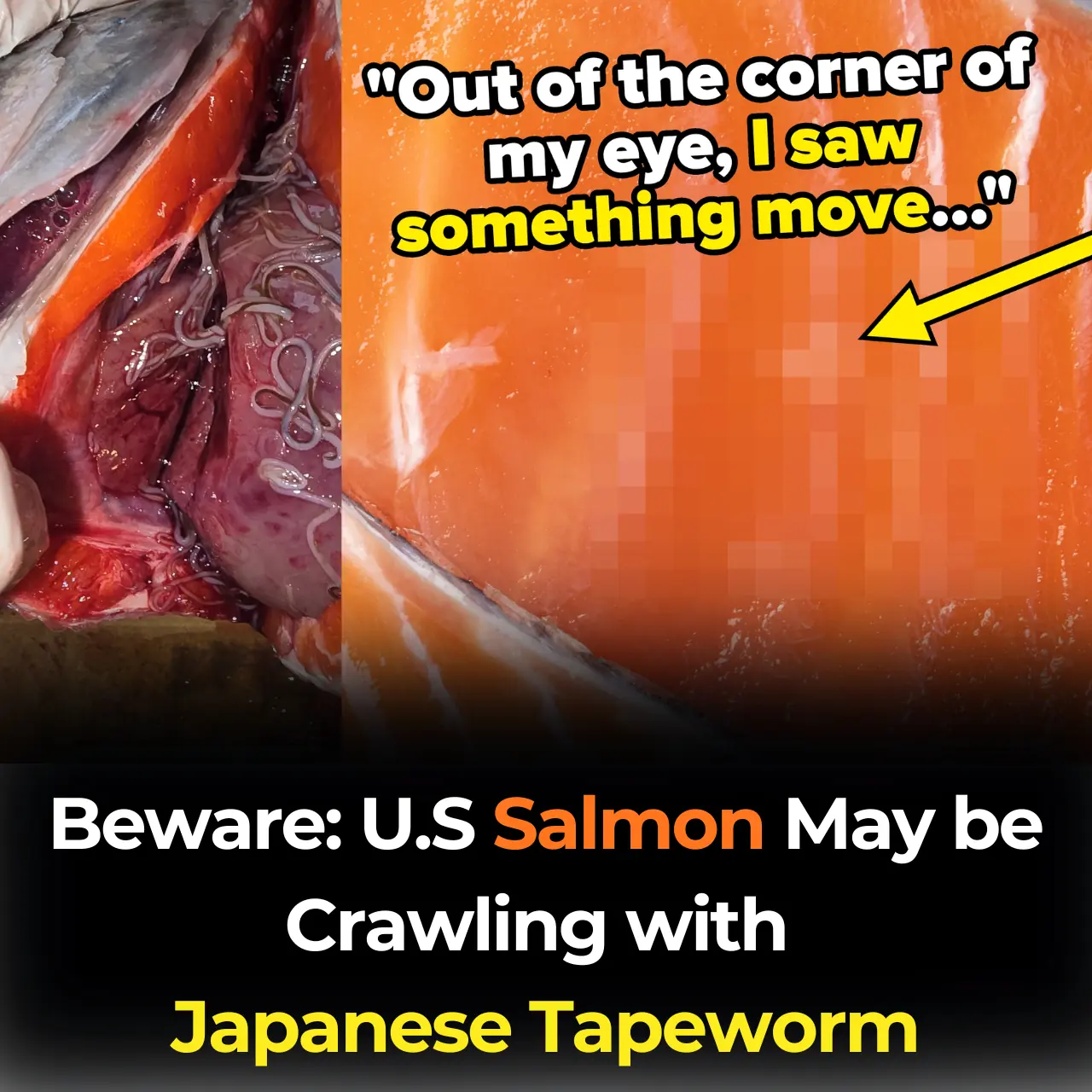
Beware: U.S Salmon May be Crawling with Japanese Tapeworm, Say Scientists
Health 02/12/2025 10:14
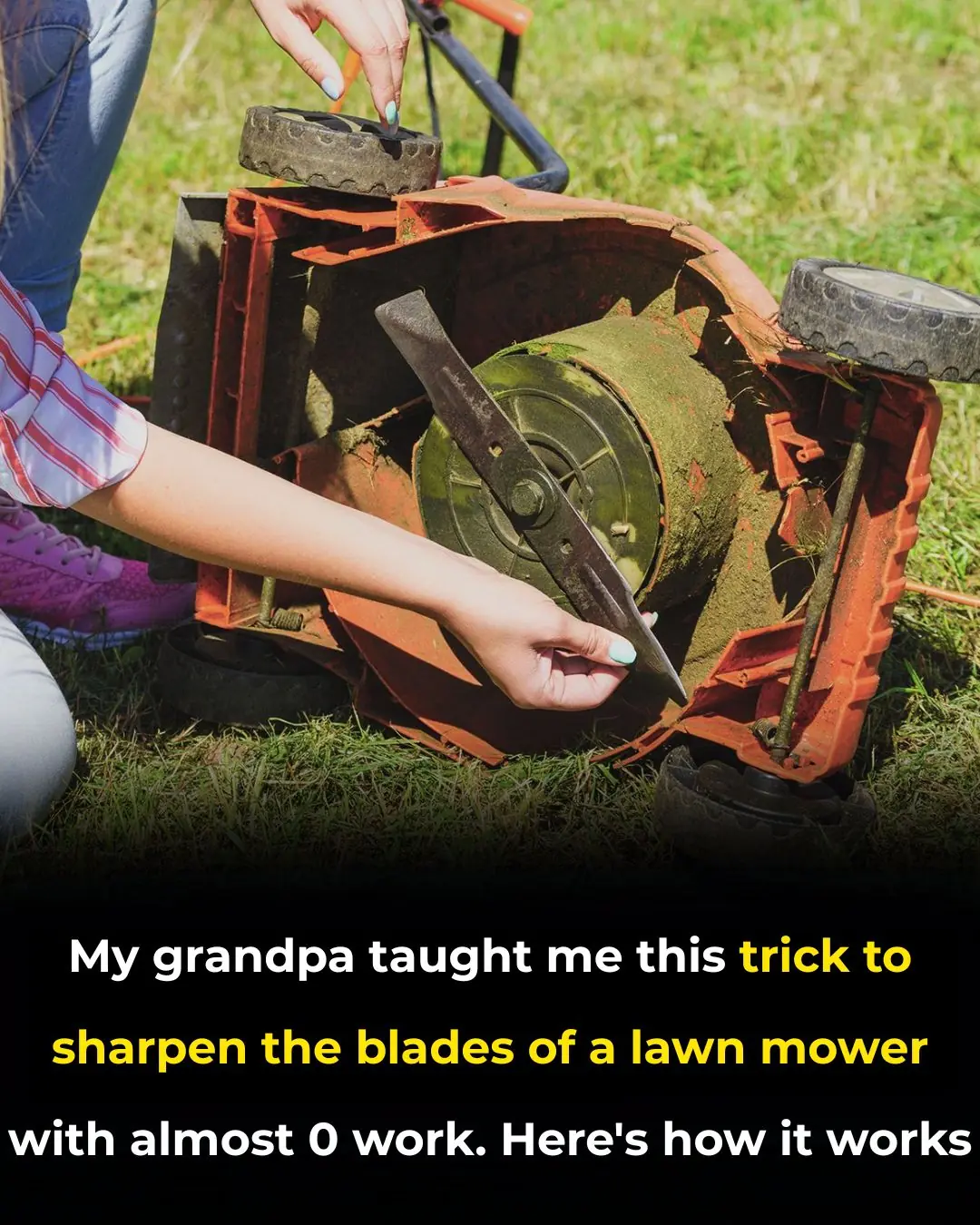
Neat Hack
News 02/12/2025 10:08
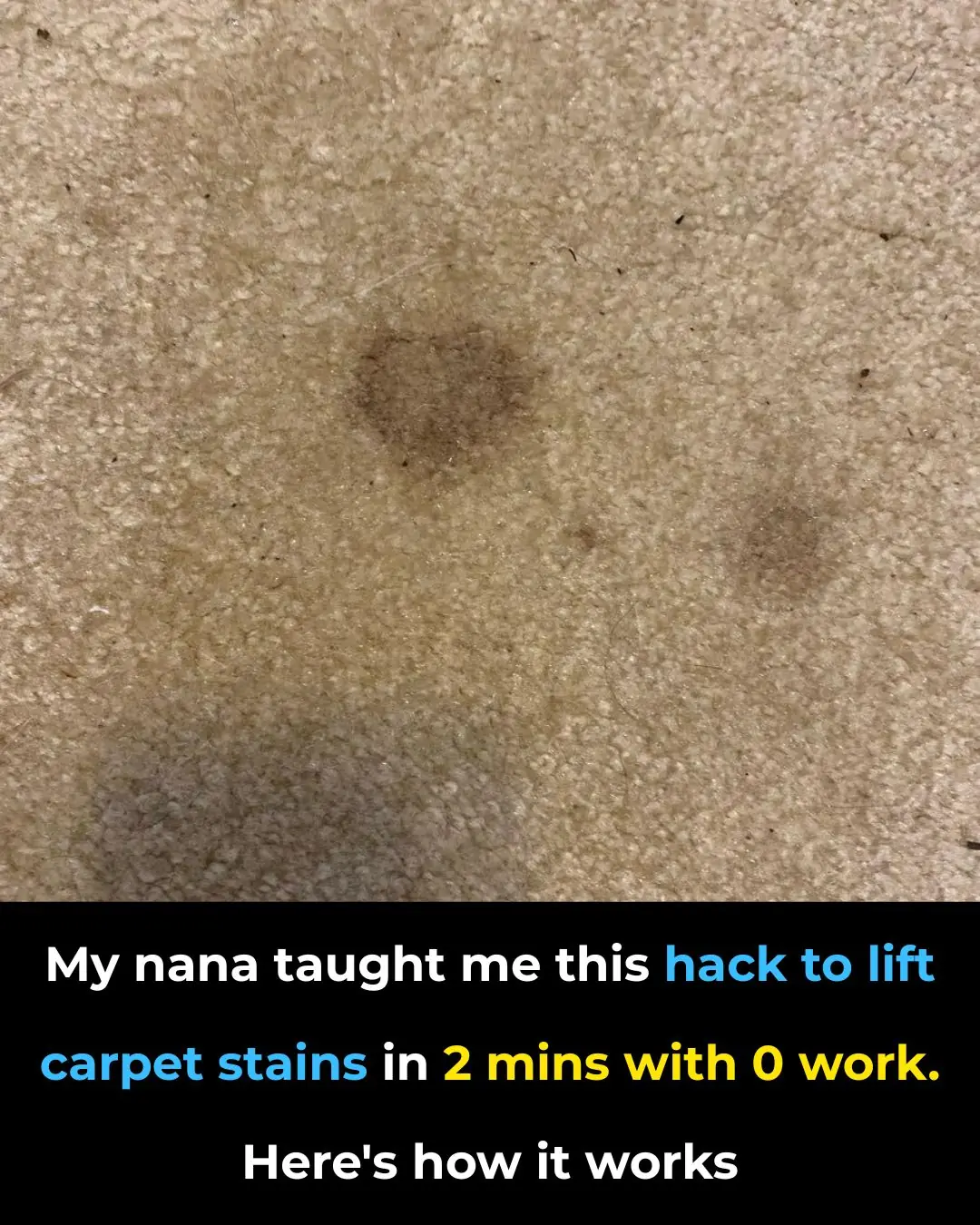
My Nana Taught Me This 2-Minute Hack for Lifting Carpet Stains With Zero Effort — Here’s How It Works
News 02/12/2025 10:07

Don’t Overlook Those Trays at Goodwill — Here Are 10 Brilliant Ways to Reuse Them
News 02/12/2025 10:05
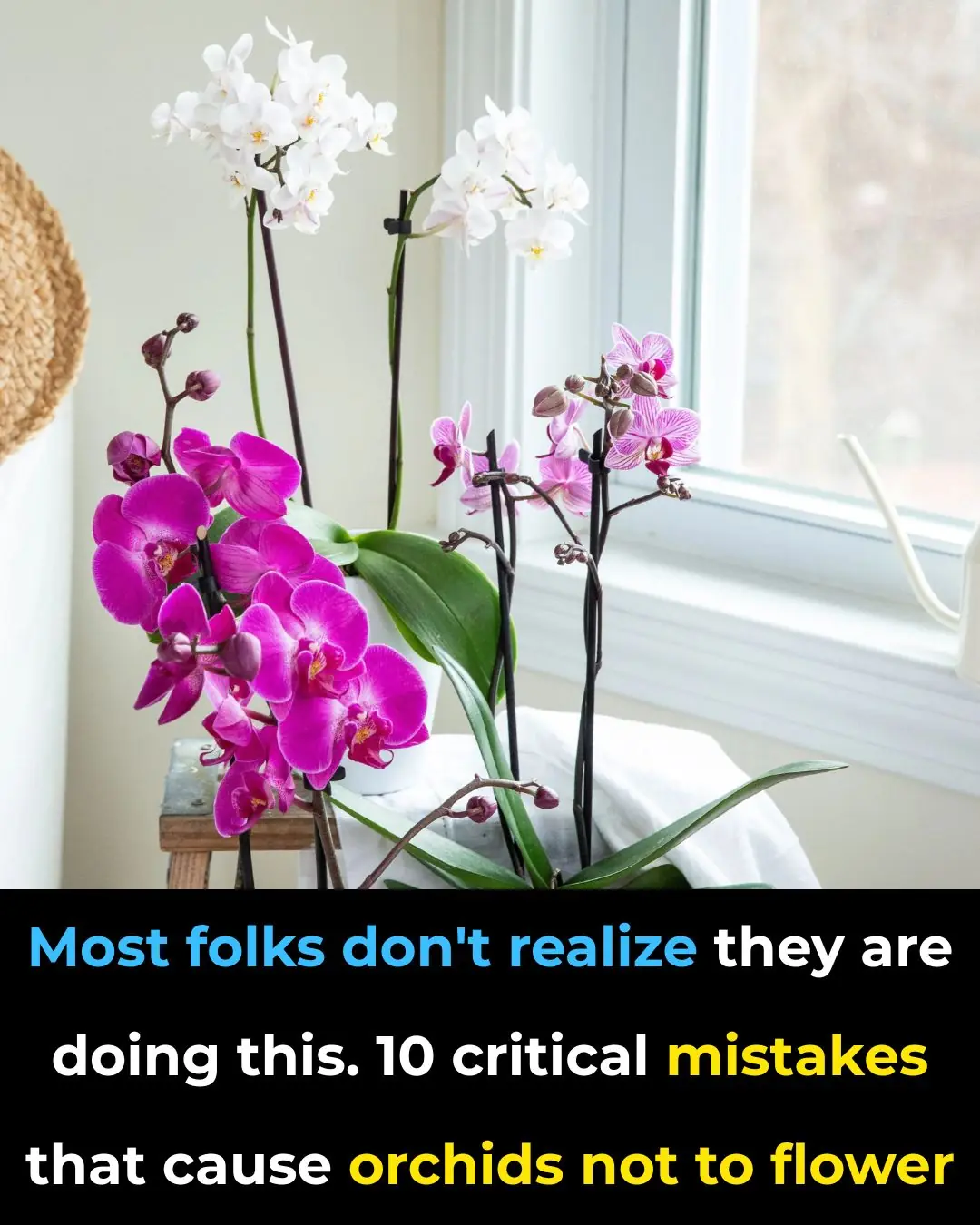
10 Critical Mistakes That Prevent Orchids From Blooming — Most People Don’t Realize They’re Doing These
News 02/12/2025 10:04

The Mystery of the Upside-Down Baluster
News 02/12/2025 06:00

Move Two Matchsticks To Form The Highest Number
News 02/12/2025 06:00
The Science of Neuroplasticity: Train Your Brain by What You Repeat
Facts 02/12/2025 02:32
Unlocking the Body’s Natural Reset: The Science Behind Short-Term Fasting
Facts 02/12/2025 02:28