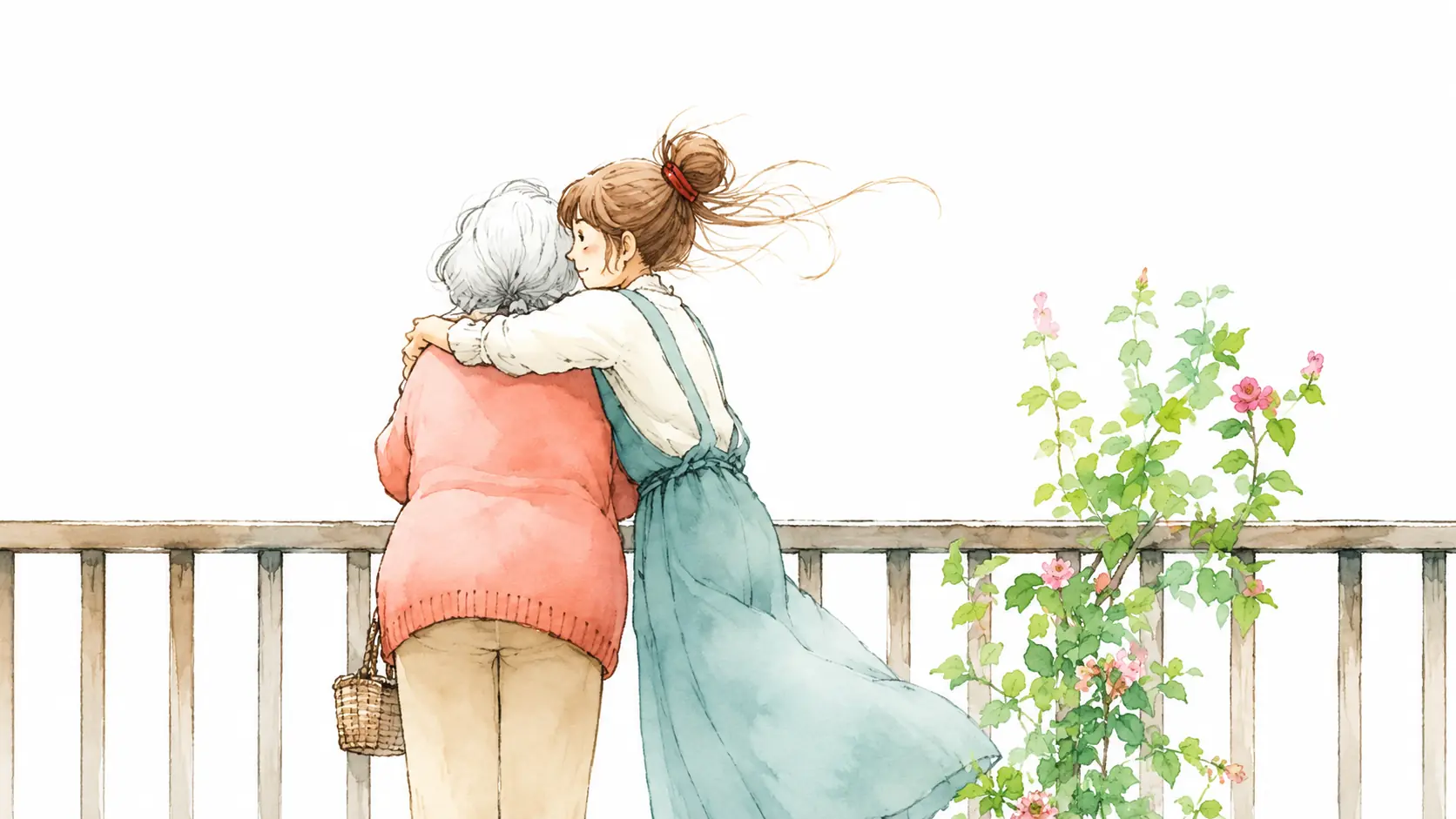
1. Don’t Raise Perfect Grandchildren—Help Raise Honest, Kind, and Brave Ones
Perfection is an impossible goal, yet children begin chasing it earlier than adults realize.
They notice when praise becomes warmer after good grades, polished performances, clean clothes, and impressive behavior. They notice when mistakes bring disappointment, embarrassment, or emotional distance. Without anyone directly saying it, they may begin to believe, “I am easiest to love when I do everything right.”
Grandma can interrupt that belief.
She can celebrate success without making success the price of belonging. She can recognize mistakes without turning them into a permanent identity.
A perfect child does not exist. An honest child can admit what happened. A kind child can recognize another person’s pain. A brave child can do what is right while feeling afraid.
Those qualities are far more useful than appearing flawless.
When a grandchild breaks something and tells the truth, Grandma can say, “I’m glad you were honest. We still need to fix what happened, but telling the truth was brave.”
This teaches that honesty does not remove responsibility. It begins responsibility.
When a child includes someone who is lonely, Grandma can notice the character beneath the act.
“I saw you make room for that child. That was kind.”
When a grandchild tries something difficult and fails, Grandma can recognize courage.
“You were nervous, and you tried anyway.”
Specific observations help children understand that character is built through choices.
Grandmothers should be careful about praising children mainly for being naturally talented, beautiful, smart, or easy. These descriptions may sound loving, but they can become roles children feel pressured to protect.
The “smart” child may avoid difficult work because struggling threatens the label. The “good” child may hide anger or disagreement. The “easy” grandchild may believe they cannot ask for attention because everyone expects them to need less.
Instead, praise what the child practices.
Honesty.
Effort.
Compassion.
Responsibility.
Courage.
Patience.
These are qualities that can grow.
Helping raise honest, kind, and brave grandchildren also means allowing them to disagree respectfully. A child who questions something unfair is not automatically disrespectful. They may be developing a moral voice.
Grandma can say, “You are allowed to disagree. Tell me your concern without insulting anyone.”
This teaches courage with self-control.
Kindness should not be confused with compliance. A kind child can say no. They can refuse unsafe touch, leave a cruel game, or report harmful behavior. They do not need to please everyone to prove they have a good heart.
Bravery should not be confused with fearlessness. A child may tremble, cry, or need support and still be courageous.
And honesty should not be demanded only from children. Adults must model it.
If Grandma forgets a promise, misunderstands what happened, or speaks too harshly, she can say, “I was wrong.”
That sentence teaches more about character than a hundred lectures.
A grandchild who witnesses an older adult taking responsibility learns that goodness does not mean never failing. It means refusing to hide behind pride.
One day, the child will face moments when appearing perfect would be easier than telling the truth. They may need to admit a mistake, defend someone unpopular, or try again after public failure.
In those moments, Grandma’s message can remain inside them:
“You do not have to look perfect. Be honest enough to tell the truth, kind enough to care about the impact, and brave enough to make it right.”
2. Listen When They Talk About Small Things, or They May Stop Sharing the Big Ones
Children rarely begin a serious conversation by announcing, “I am about to tell you something important.”
They begin with small details.
A strange thing happened at lunch. Someone moved their pencil. A teacher wore different shoes. A friend did not sit in the usual place. A game ended unfairly. A bug landed on the window.
To an adult, these stories can feel endless and unimportant. Grandma may be cooking, tired, reading, or thinking about something serious. It is easy to respond with half attention or hurry the child toward the point.
But children learn whether their world is welcome through the way adults receive these small stories.
The story about lunch may eventually reveal exclusion. The complaint about a pencil may lead to a larger conflict. The ordinary details create the path toward trust.
If Grandma listens only when she already knows the topic is serious, the child may not know how to begin when something truly difficult happens.
Listening does not require unlimited availability. Grandmothers are human. We need rest, quiet, and time to complete responsibilities.
The key is honesty and follow-through.
“I want to hear this, but I need five minutes to finish safely. Then I will sit with you.”
If Grandma promises to return, she should return.
A child remembers whether “later” means later or never.
When listening, put down distractions when possible. Turn toward the child. Ask one sincere question instead of ten rapid questions.
“What happened next?”
“How did that make you feel?”
“What do you wish had happened?”
These invitations show interest without turning the conversation into an interrogation.
Grandma should also avoid immediately converting every story into advice. Sometimes children need to hear themselves speak before they are ready for solutions.
A useful question is, “Would you like me to listen, or would you like ideas?”
This gives the child language for different kinds of support.
Listening also means protecting the child’s vulnerability. A funny mistake, private worry, or emotional confession should not automatically become a story Grandma repeats at the next family gathering.
Children need to know that being open will not make them entertainment.
There are times when information must be shared with parents or other responsible adults, especially when safety, bullying, self-harm, abuse, or serious risk may be involved. Grandma should never promise secrecy she cannot responsibly keep.
She can say, “I will respect your privacy, but if someone may be hurt, I need to get help. I will explain what I’m doing.”
That is trustworthy honesty.
Older grandchildren may not speak as freely as younger ones. A teenager may offer only a few words while looking away. Grandma should not force closeness or demand details.
She can keep the door open.
“You do not have to tell me everything. I am here when you want to talk.”
Sometimes the best conversations happen in the car, while cooking, folding laundry, or walking. Side-by-side activities reduce the pressure of direct eye contact.
The important thing is the atmosphere. Does the child expect ridicule, correction, and interruption—or curiosity?
A grandmother who listens to the small things communicates, “Your life does not have to become a crisis before it deserves my attention.”
That message can make it safer for the child to bring the big things later.
3. Correct Softly, Because Harsh Words Can Stay Longer Than the Lesson
Children need correction. Love without guidance can become neglect.
A child who lies, harms someone, breaks an agreement, or behaves irresponsibly needs an adult willing to address it. But correction and humiliation are not the same.
Harsh words may stop behavior quickly because children become frightened. The room becomes quiet, and the adult feels that the message was received.
Yet the child may remember the wound more clearly than the lesson.
They may forget why Grandma was angry but remember being called lazy, selfish, stupid, dramatic, or impossible. They may remember the face, the volume, and the feeling that love had disappeared.
Correcting softly does not mean pretending the behavior was acceptable. It means using words that leave the child’s dignity intact.
“That choice was dishonest” is different from “You are a liar.”
“You need to repair what you damaged” is different from “You ruin everything.”
“You are angry, but you may not speak to me that way” is different from “No one will ever tolerate you.”
One addresses behavior. The other attacks identity and future worth.
Grandma can use a calm, serious tone and still hold a firm boundary.
“I love you, and this consequence is still happening.”
That sentence teaches that accountability does not require emotional abandonment.
Corrections are often more effective when they are brief. Adults sometimes deliver long lectures because we are trying to release our frustration. The child stops absorbing information and begins waiting for the speech to end.
State what happened, why it matters, and what needs to happen next.
“You took the toy after your cousin said no. Return it, and then we will talk about how to ask.”
Clear guidance teaches more than emotional flooding.
Private correction is usually more respectful than public humiliation. If a child misbehaves at a family gathering, stop the behavior immediately if necessary, then discuss details away from an audience.
Shame may create compliance, but it rarely creates wisdom.
Grandma should also regulate herself before correcting. If her voice is rising and her body feels tense, she can pause.
“I am too frustrated to speak well right now. I need one minute.”
This models the self-control she expects from the child.
If Grandma does use hurtful words, repair matters.
“I was right to address what happened, but I was wrong to call you that name. I am sorry.”
An apology does not erase the child’s responsibility. It demonstrates the adult’s responsibility.
Grandchildren need to see that authority is accountable too.
Soft correction also includes believing in the child’s ability to change.
“You made a poor choice, but you can make a better one next.”
This offers hope without removing the consequence.
Children who are corrected respectfully become more capable of hearing feedback without collapsing into shame or immediately becoming defensive. They learn that being wrong does not make them worthless.
That is mental strength: the ability to face truth, repair harm, and continue growing.
4. Teach Values, Not Pressure—Grades Fade, but Character Remains
Grandparents are naturally proud when grandchildren succeed. We celebrate report cards, performances, awards, athletic achievements, and academic opportunities.
There is nothing wrong with recognizing hard work and accomplishment.
The problem begins when a child believes achievement is the main reason adults are proud of them.
Grades matter, but they are not character. A high mark does not automatically reveal kindness, honesty, courage, or responsibility. A low mark does not automatically reveal laziness or lack of intelligence.
Children develop at different rates. They possess different strengths, challenges, learning needs, and opportunities. Pressure may motivate some children temporarily, but excessive pressure often creates fear, perfectionism, dishonesty, or the belief that rest must be earned.
Grandma can ask questions that emphasize values.
“Did you prepare honestly?”
“What did you learn?”
“Were you respectful to the people working with you?”
“What will you try differently next time?”
These questions teach children to evaluate the process rather than only the number.
Suppose a grandchild earns an excellent grade after cheating. The outcome looks impressive, but the value is wrong.
Suppose another child studies sincerely, asks for help, and improves slightly. The number may remain modest, but the character development is significant.
Grandma can say, “I care about your learning and your honesty more than a perfect score.”
That does not mean expectations disappear. Children should be encouraged to complete responsibilities and develop their abilities. But encouragement should communicate belief, not fear.
“I know you can put more effort into this, and I will help you make a plan” is different from “You embarrassed the family.”
One guides. The other burdens the child with adult pride.
Grandmothers should also avoid comparing grandchildren.
“Your cousin gets better grades.”
“Your brother never needs reminders.”
Comparison may create competition, resentment, or hopelessness. A child begins measuring worth against another person instead of developing their own character.
Grandma can recognize individual growth.
“You asked for help instead of giving up.”
“You improved because you practiced.”
“You told the truth about what you did not understand.”
These are foundations for lifelong learning.
Teaching values means discussing what achievement is for. Education can help a person contribute, understand the world, and create opportunities. Talent can serve others. Leadership should protect dignity.
Success without character can become selfish or harmful.
Grandma can share stories from her life about people whose kindness mattered more than status, or moments when doing the right thing cost something.
Children need examples showing that integrity may not always receive immediate rewards.
Sometimes the honest child loses an advantage. Sometimes the kind person is overlooked. Character becomes real when it is chosen without applause.
One day, report cards will disappear. Trophies will collect dust. Titles and jobs may change.
The person the grandchild has become will continue shaping every relationship.
Grandma’s message should be clear:
“I am proud when you work hard, but I am even more interested in whether you are becoming honest, compassionate, responsible, and brave.”
5. Let Them Fail Sometimes, Because Confidence Is Built Through Recovery
Adults often want to protect children from disappointment. Grandmothers may feel this urge especially strongly because we have already seen how painful life can be.
We want to bring the forgotten item, fix the school project, speak to the teacher, replace the broken toy, or prevent the grandchild from experiencing embarrassment.
Sometimes intervention is necessary. Children need protection from danger, cruelty, and challenges beyond their development.
But rescuing them from every manageable failure can send an unintended message: “You cannot handle this without me.”
Confidence is not built by hearing “You are amazing” repeatedly. It is built through experiences of difficulty followed by recovery.
The child forgets an item, feels the inconvenience, and creates a reminder system.
They lose a game, experience disappointment, and decide whether to practice or try something else.
They build something that collapses, then rebuild it differently.
These experiences teach, “I can survive frustration. I can learn. A failed attempt is not the end.”
Grandma can remain compassionate without removing every consequence.
“I know you are disappointed. What do you think you can do next?”
This question directs the child toward agency.
She should not use failure as an opportunity to say, “I told you so.” Shame turns learning into defensiveness.
Instead, ask:
“What surprised you?”
“What worked?”
“What would you change?”
“Do you need help planning the next attempt?”
Reflection transforms failure into information.
Grandma should also distinguish between the child failing and the child being a failure.
“You did not succeed this time” is accurate.
“You are no good at this” becomes an identity wound.
Some children will want to quit immediately. Others will push themselves beyond healthy limits because they fear disappointing adults.
Grandma can help them decide whether persistence or redirection is wiser.
“Is this something you still care about?”
“Would more practice help?”
“Is there another path that fits you better?”
Mental strength is not refusing to quit anything. Sometimes strength means accepting that one goal is no longer right and choosing another with honesty.
Adults must also model recovery. Grandma can share age-appropriate stories about mistakes, rejected opportunities, or skills that took time to learn.
The story should not overshadow the child’s experience. It should communicate, “You are not alone in finding things difficult.”
When children see adults recover, they learn that failure is part of life rather than evidence of permanent inadequacy.
Letting a child fail requires patience because the adult must tolerate the child’s discomfort. The child may cry, complain, or blame. Grandma can remain present without rushing to make everything pleasant.
“I know this hurts. I believe you can move through it.”
That combination—comfort and confidence—is powerful.
A child who is never allowed to fail may fear every risk. A child who is abandoned during failure may become hopeless.
A child who is supported through manageable failure learns resilience.
6. Give Time, Not Only Gifts, Because Memories Outlive Toys
Grandparents often express love through giving. We enjoy seeing a grandchild’s face light up when a package is opened. Gifts can be thoughtful expressions of affection and may become treasured memories.
But children need more than objects.
They need the feeling that Grandma enjoys being with them when nothing is being purchased.
A toy provides excitement. Time provides relationship.
Time can look simple: baking, walking, looking through photographs, playing cards, watering plants, reading the same book again, or sitting nearby while the child creates something.
These moments may not seem impressive enough for social media or family photographs. Yet they are often what grandchildren remember.
They remember the way Grandma laughed during the game, the story she told while kneading dough, or the fact that she listened without checking a phone.
Giving time does not require endless entertainment. Grandma does not need to become an activity director. Children can participate in ordinary life.
“Help me make lunch.”
“Sit with me while I fold these towels.”
“Let’s look for birds from the window.”
Connection can grow through shared presence.
Grandmothers with limited energy, mobility, money, or distance may worry that they cannot create meaningful memories. But a child does not require expensive outings to feel loved.
A regular phone call, handwritten note, recorded story, or quiet ritual can become deeply important.
Consistency often matters more than extravagance.
Gifts should not become substitutes for emotional availability or tools for competition. Buying what parents have declined can undermine them. Offering more than another grandparent to become the favorite places the child inside adult rivalry.
The child should never feel responsible for proving gratitude through affection.
Grandma can give freely without demanding a particular reaction.
She can also teach children that objects require care and do not appear endlessly.
“Let’s choose something meaningful rather than buying many things.”
This helps separate love from consumption.
Time also allows Grandma to know who the child is becoming. Favorites change. Personalities develop. A grandchild who once loved dinosaurs may now be interested in music, sports, animals, or art.
Without time, adults may continue loving an outdated version of the child.
Ask, “What are you interested in lately?”
Listen.
One day, the toys may be forgotten or donated. The child will outgrow clothes, games, and collections.
But the memory of being enjoyed can remain.
They may not recall every gift Grandma purchased. They may remember that she saved a seat, looked up when they entered, and made ordinary afternoons feel like there was nowhere else she would rather be.
7. Praise Effort, Not Only Outcome, Because Effort Builds Resilience
Outcome-based praise teaches children to value winning. Effort-based encouragement teaches them how growth happens.
When adults celebrate only the finished result, children may begin avoiding anything that threatens success. They choose easy tasks, hide mistakes, or give up when natural ability is not enough.
Grandma can help them value the process.
“You kept trying after the first attempt did not work.”
“You practiced patiently.”
“You asked for feedback.”
“You changed your plan when you noticed a problem.”
These observations show the child which behaviors lead to learning.
Effort praise must remain honest. Do not praise a child for working hard when they clearly did not. Empty praise weakens trust.
Instead, describe what is true.
“You completed the first part. What will help you continue?”
This encourages without pretending.
Effort should also not be praised blindly when the strategy is ineffective. Children need to learn that working harder is not always the answer. Sometimes they need a different method, more information, rest, or support.
Grandma can say, “You have worked hard. Let’s see whether another approach might help.”
This teaches flexible persistence.
Outcome still matters in real life. Tasks need to be completed, skills need to reach certain standards, and choices have consequences. Effort is not a guarantee of success.
But a child’s worth should not rise and fall with the result.
After a loss, Grandma can ask, “What did you learn about yourself?”
After success, she can ask, “What helped you prepare?”
This prevents both failure and victory from becoming the whole identity.
Praise should also include effort toward character.
“I saw you pause before answering angrily.”
“You told the truth even though you were nervous.”
“You included someone who was alone.”
These efforts may be invisible to others, but they build emotional strength.
Grandmothers should avoid overpraising every small action. Children need the ability to experience internal satisfaction rather than constantly looking to adults for applause.
Sometimes a warm smile or simple acknowledgment is enough.
“You did it.”
“How do you feel about your work?”
That second question directs the child inward.
Resilience grows when children learn to evaluate their own progress. They begin asking, “Did I prepare? Did I persist? Did I act honestly? What can I improve?”
Grandma’s praise becomes a guide, not a dependency.
One day, the child will work without an audience. They will face tasks that receive little recognition. If they have learned to value effort, strategy, and integrity, they can continue even when no one is clapping.
8. Be a Safe Place, Not a Fear Place, Because Children Grow Where They Feel Safe
A fear-based home can create quick obedience.
Children become quiet when voices rise. They hide mistakes. They learn which subjects to avoid and how to read an adult’s mood before speaking.
From the outside, they may appear well behaved.
Inside, they may be learning that honesty is dangerous.
Being a safe place does not mean Grandma permits every behavior. Safety includes dependable boundaries. Children feel secure when adults are clear, consistent, and calm enough to lead.
A safe grandmother can say no.
She can enforce a consequence.
She can stop harmful behavior immediately.
The difference is that correction does not threaten the child’s belonging.
“You made a serious mistake, and I am still here.”
That message allows truth to enter the room.
A child should know they can call for help when a situation becomes unsafe. Older grandchildren should understand that if they are stranded, frightened, pressured, or with an unsafe driver, reaching a responsible adult matters more than hiding the mistake.
Consequences can be discussed after safety is restored.
Grandma should coordinate with parents rather than making secret promises, but the principle remains: fear of punishment should never trap a child in danger.
Emotional safety also means grandchildren are not mocked for feelings. They can be disappointed, anxious, angry, or embarrassed without being called dramatic.
Grandma can hold the feeling and the boundary.
“You are allowed to be angry. You are not allowed to hurt anyone.”
Children grow when emotions can be named and managed instead of hidden until they explode.
A safe place respects body boundaries. Children are not forced to hug, kiss, sit on laps, or accept tickling to protect an adult’s feelings.
Grandma can say, “You may choose a hug, a wave, or another greeting.”
This teaches that love respects consent.
Safety also includes privacy. A child’s vulnerable story should not become family gossip. If Grandma must involve parents or professionals because of risk, she should do so responsibly and explain why when appropriate.
A fear place says, “Do not tell me anything that might upset me.”
A safe place says, “The truth may be difficult, but we will face it.”
Grandma will not always respond perfectly. Safety is not perfection. It is the presence of repair.
“I raised my voice and frightened you. I am sorry. The rule still matters, but I want to handle it differently.”
Children can trust adults who acknowledge their impact.
A safe place does not remove hardship. It gives the child a secure base from which to face hardship.
That is where confidence, honesty, and emotional courage grow.
9. Presence Beats Perfection Every Single Time
Grandmothers often carry private regret.
We remember things we wish we had done differently as mothers. We may see new parenting ideas and wonder whether our own children needed more patience, apology, or emotional attention.
When grandchildren arrive, we may feel pressure to make every moment beautiful. We plan the perfect holiday, prepare special food, buy gifts, organize activities, and try to become the grandmother children will remember fondly.
But perfection can become another form of distance.
When Grandma is preoccupied with creating the perfect experience, she may miss the child standing in the middle of it.
Presence is simpler.
It means looking up.
Listening to the answer.
Noticing the child’s expression.
Being willing to change the plan when connection matters more.
A perfect meal is less important than the way people are treated at the table. A perfect holiday photograph is less important than whether a child is humiliated for refusing to smile. A perfectly clean home is less important than whether the grandchild feels welcome to live and play inside it.
Presence does not require constant attention. Healthy children can play independently, tolerate waiting, and understand that adults have needs.
Grandma can say, “I cannot play right now, but I can give you ten focused minutes after I finish.”
Then she gives the ten minutes.
Focused presence often matters more than hours of distracted availability.
Grandmothers should release the belief that one imperfect visit will damage everything. Children can survive frozen pizza, changed plans, forgotten crafts, and ordinary afternoons.
They benefit from seeing adults adapt without panic.
“We forgot the ingredients, so we will make something different.”
This models flexibility.
Presence also includes allowing the child to see the real person Grandma is. She can have limits, emotions, and imperfect energy. She does not need to perform endless cheerfulness.
“Grandma is tired today, but I still enjoy having you here. Let’s choose something quiet.”
This teaches that love can remain present without being dramatic.
Perfection says, “Everything must look right.”
Presence says, “I want to know what is happening between us.”
When Grandma makes a mistake, presence returns through repair. When the child struggles, presence remains rather than withdrawing.
Years later, grandchildren are unlikely to remember whether every event went according to plan.
They will remember the emotional atmosphere.
Was Grandma’s attention available?
Did her face soften when they entered?
Could they make mistakes without becoming a disappointment?
Presence answers those questions more powerfully than perfection ever could.
10. One Day They May Forget What You Said, but They Will Remember How You Made Them Feel
Words matter. Grandchildren may carry individual sentences for life.
But beneath the words is something even more enduring: the repeated emotional experience of being with Grandma.
Did they feel enjoyed or merely managed?
Did they feel known or constantly compared?
Did correction leave them guided or ashamed?
Did visits feel safe enough for honesty?
A child’s emotional memory develops through patterns. One impatient moment does not define a grandmother. Every relationship includes mistakes.
What matters is what happens repeatedly and whether repair follows hurt.
Grandma may forget the exact conversation too. She may not remember which evening the child confessed a fear or which afternoon they failed and needed encouragement.
The grandchild may not remember every detail.
But their body may remember that Grandma’s home allowed them to breathe.
They may remember her eyes staying gentle during a mistake. They may remember that she listened before deciding. They may remember that a no did not remove affection.
This understanding should not create pressure for grandmothers to manufacture constant positive feelings. Children need frustration, correction, boredom, responsibility, and limits. A grandmother who says yes to everything may create pleasure without security.
The feeling we hope to create is not endless happiness.
It is stable belonging.
“You are loved here.”
“You are responsible for your choices.”
“You can tell the truth.”
“You can repair.”
“You do not have to be perfect.”
The child may feel disappointed with Grandma and still feel secure in her love.
Grandma should also consider the emotional atmosphere created by comparison, sarcasm, and joking. Adults sometimes say hurtful things playfully, then accuse the child of being too sensitive.
If the child repeatedly feels small, the adult’s intention does not erase the effect.
A wise grandmother can ask, “Did that joke embarrass you?”
If the answer is yes, she can stop defending herself and repair.
The way children feel around us often becomes part of the way they feel about themselves.
A child who is treated as a burden may internalize, “I am too much.”
A child who is treated as incapable may think, “I cannot manage without someone else.”
A child who is welcomed, guided, and trusted may begin to believe, “I matter, and I can grow.”
That belief is one of the roots of mental strength.
Mental Strength Is Not Emotional Hardness
It is important for grandmothers to understand what these rules are not trying to create.
We are not raising children who never cry.
We are not teaching them to tolerate mistreatment quietly.
We are not praising independence so strongly that they become ashamed to need others.
Mental strength is not a hard shell protecting a frightened heart.
It is emotional flexibility.
A mentally strong grandchild can feel sadness without believing sadness will last forever. They can experience fear and still take a wise step. They can admit that something hurt without handing another person complete control over their future.
They know when to persist and when to ask for help.
They can accept responsibility without deciding they are worthless.
They can hear another perspective without losing their own.
This kind of strength grows through relationships where emotions are safe, truth is respected, and children are gradually trusted with responsibility.
Grandma cannot give a child resilience by removing every challenge. Nor can she create resilience by making home another challenge they must survive.
Home should become the secure base from which challenges can be faced.
Grandmothers Must Support Parents, Not Compete With Them
One of the strongest things a grandmother can do for her grandchildren is protect the relationship between generations.
We may disagree with some parenting choices. Methods change, research develops, and families have different needs. Grandmothers also possess experience that can be valuable.
But advice offered through criticism creates defensiveness.
Instead of saying, “You are too hard on him,” Grandma can ask, “What helps when he becomes overwhelmed, and how can I support that?”
Instead of secretly changing a rule, she can discuss concerns privately with the parents.
Grandchildren should not hear, “Your parents do everything wrong, but Grandma understands you.” That creates divided loyalty and may make the child feel responsible for adult conflict.
Grandma can validate a feeling without undermining the rule.
“You are disappointed with your mother’s answer. You may tell her respectfully, but I will not go around her decision.”
This models integrity.
Grandmothers should also remain humble about our own history. New wisdom does not erase old mistakes. We should not use improved relationships with grandchildren to prove that we were always right.
If an adult child expresses pain about the past, listen.
“I wish I had understood that when you were young.”
“I am sorry for the ways my words hurt you.”
Repair with our own children strengthens the emotional world surrounding the grandchildren.
A family becomes mentally stronger when adults are willing to tell the truth across generations.
Before They Grow Beyond the Reach of Grandma’s Daily Voice
Childhood passes quietly.
One day, the grandchild stops asking Grandma to watch every small achievement. They begin solving more problems alone. Their world grows larger, and the family has less access to every thought.
This is healthy.
The purpose of our guidance is not to keep grandchildren dependent. It is to help them carry an inner foundation when trusted adults are no longer beside them.
Perhaps Grandma’s voice becomes part of that foundation.
After making a mistake, the grandchild may remember, “I can tell the truth and repair this.”
After failure, “This hurts, but I have recovered before.”
When someone needs kindness, “Character matters more than being impressive.”
When overwhelmed, “I can ask for help.”
When tempted to hide, “A safe person will listen.”
When life does not look perfect, “Presence matters more.”
That is how a grandmother’s influence continues.
Not because the child memorized every lesson, but because the relationship taught them what strength feels like.
Strength feels like being held accountable without losing belonging.
Strength feels like being allowed to cry and still expected to keep going.
Strength feels like truth spoken without humiliation.
Strength feels like someone believing in your recovery without rescuing you from every difficulty.
One day, grandchildren may forget the exact gifts, meals, and activities. They may not remember every rule Grandma explained.
But they may remember that she did not require perfection.
She listened to the little stories.
She corrected without crushing.
She valued character over trophies.
She let them try, fail, and try again.
She gave attention that no toy could replace.
She noticed effort.
She made honesty safer than fear.
She showed up imperfectly but sincerely.
And through all of it, she made them feel loved enough to grow.
That is the goal.
Not grandchildren who never struggle.
Grandchildren who know who they are when struggle comes.
Not grandchildren who pretend to be fearless.
Grandchildren who know courage can exist beside fear.
Not grandchildren who avoid mistakes.
Grandchildren who know how to take responsibility, repair harm, and begin again.
A grandmother cannot protect a child from every hard day ahead. She cannot choose every friend, prevent every heartbreak, or guarantee that effort will always be rewarded.
But she can help build something inside them that the world cannot easily take away.
A quiet belief:
“I do not have to be perfect to be worthy.”
“I can survive disappointment.”
“I can tell the truth.”
“I can remain kind without becoming weak.”
“I can ask for help.”
“I can recover.”
And behind that belief may remain the memory of Grandma’s steady presence saying:
“You are not alone. This moment is hard, but it is not the whole story. We will face what we can together, and I believe you can carry the strength forward when it is time to walk on your own.”