Dinner does not need to be elaborate to feel comforting. Sometimes the most helpful meal is simply the one you can make without another expensive grocery run.
For many single parents, the hardest part of dinner is not cooking. It is deciding what to cook after a long day while balancing work, homework, household chores and a grocery budget that may already feel stretched.
Affordable meals are easier to manage when they use the same flexible ingredients in different ways. Rice, pasta, potatoes, eggs, beans, lentils, canned tomatoes and frozen vegetables can become several filling dinners without requiring a long shopping list.
USDA MyPlate recommends checking the refrigerator, freezer and pantry before planning meals, choosing recipes that fit the time available and intentionally making enough food for leftovers. It also suggests keeping a combination of fresh, frozen and shelf-stable foods so ingredients can be used before they spoil.
Here are five practical dinners built around inexpensive basics.
1. One-Pot Tomato and Bean Pasta
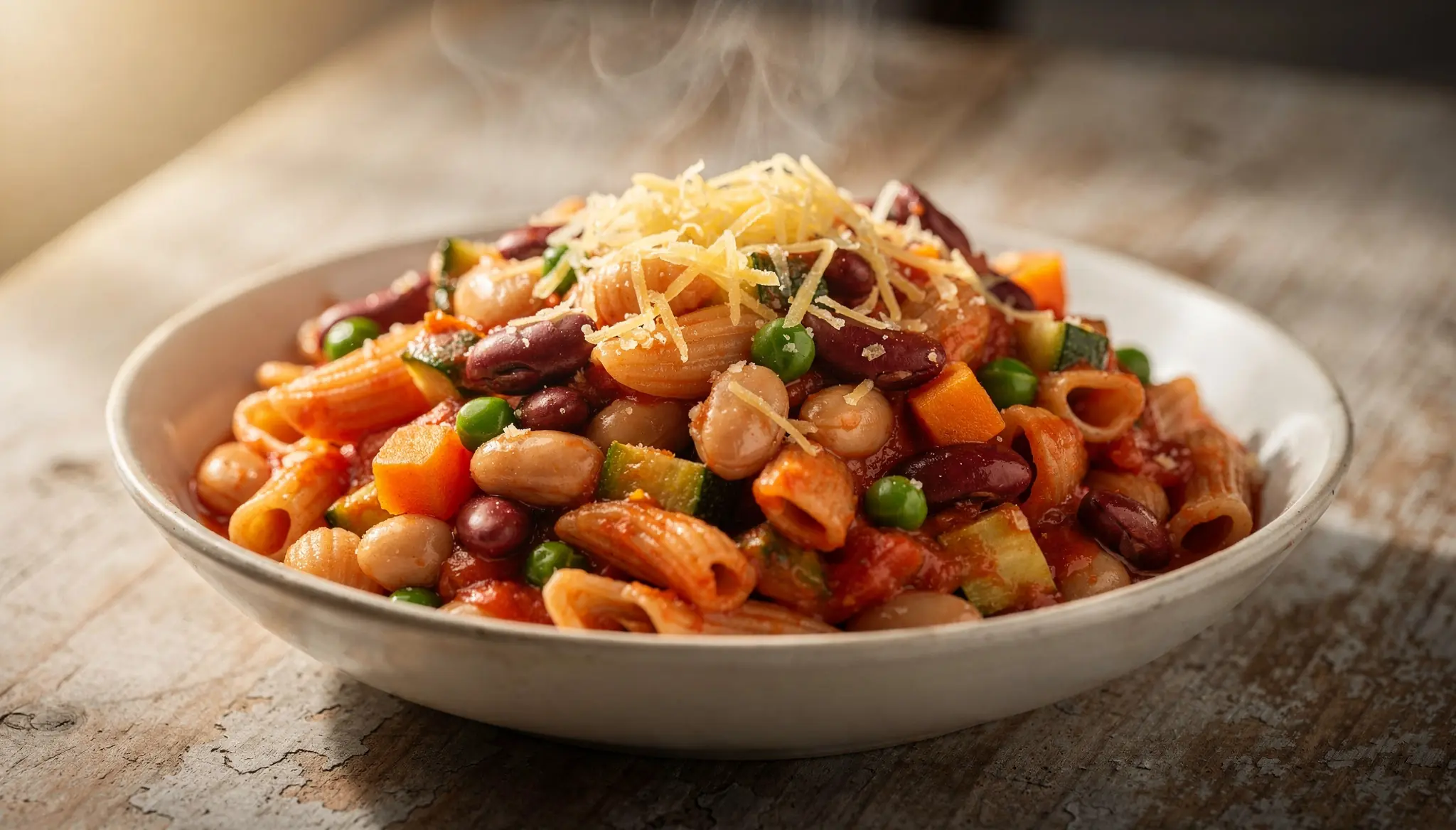
This is a useful meal for evenings when there is very little energy left for cooking—or cleaning.
Beans make the pasta more filling without requiring a large amount of meat. According to MyPlate, beans, peas and lentils can count as protein foods as well as vegetables.
Basic ingredients
-
8 ounces pasta
-
1 can diced or crushed tomatoes
-
1 can kidney, black, cannellini or pinto beans
-
2 cups water or low-sodium broth
-
1 cup frozen vegetables
-
1 teaspoon garlic powder
-
1 teaspoon Italian seasoning
-
Salt and pepper to taste
-
Optional shredded cheese
How to make it
Place the pasta, tomatoes, water or broth and seasonings in a large pot.
Bring everything to a gentle boil, then lower the heat. Cook according to the pasta package directions, stirring regularly so the pasta does not stick to the bottom.
Drain and rinse the beans. Add them to the pot with the frozen vegetables during the final five minutes of cooking.
Continue cooking until the pasta is tender and the vegetables are hot. Add a little more water if the mixture becomes too thick.
Top each serving with cheese when available.
Why it works
The pasta provides the base, while the beans add protein and fiber. Frozen vegetables make it easy to include produce without worrying that fresh vegetables will spoil before they are used.
MyPlate notes that vegetables may be fresh, frozen, canned or dried, so families do not need to rely exclusively on fresh produce.
Easy substitutions
No pasta sauce? Use canned tomatoes with garlic powder and dried herbs.
No beans? Add cooked lentils, leftover chicken or a few scrambled eggs.
No Italian seasoning? Use any mild combination your family enjoys.
2. Egg and Vegetable Fried Rice
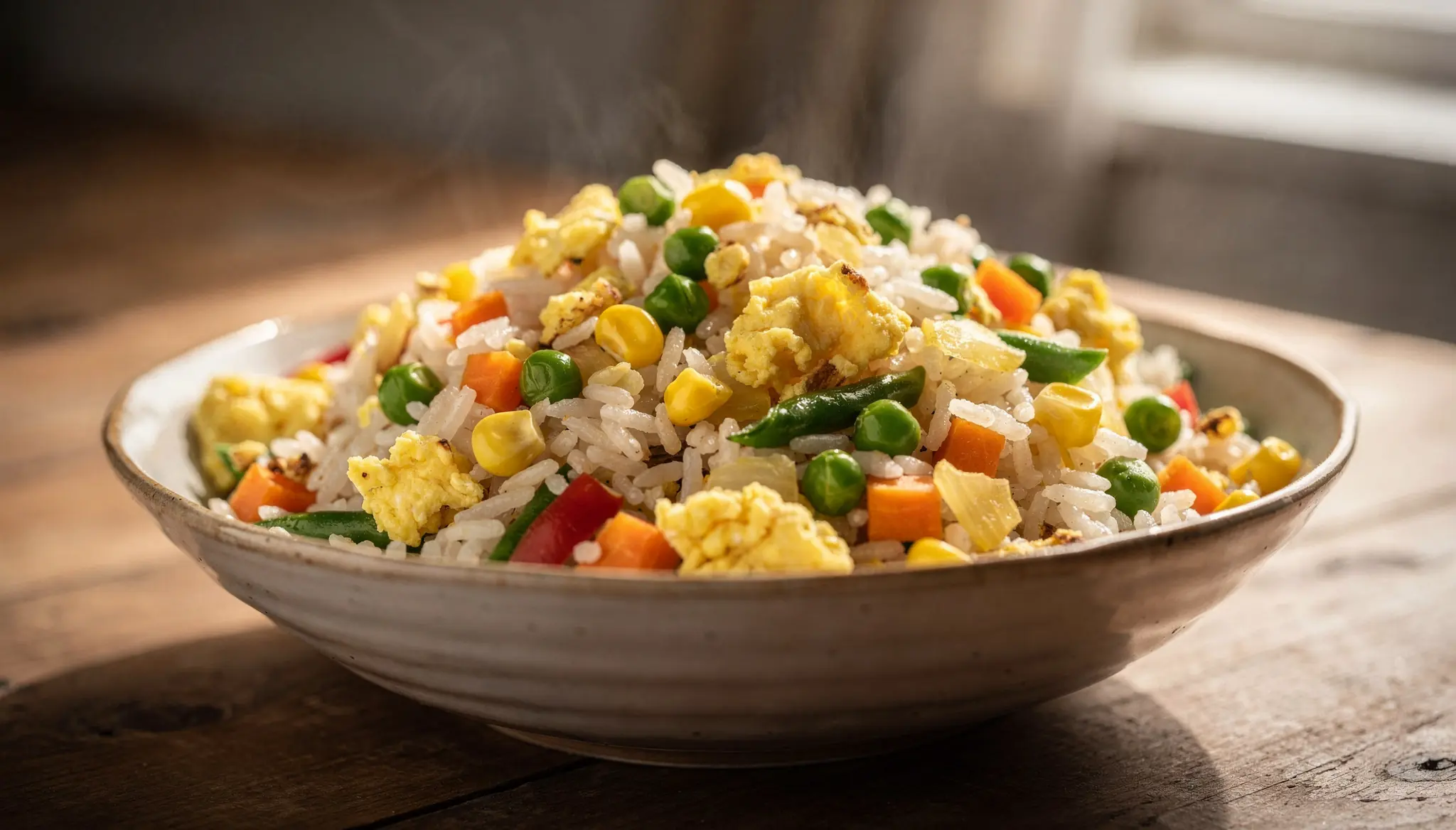
Leftover rice can become a completely different dinner the following evening.
This version requires only one skillet and can be adjusted around whatever is already in the refrigerator. Eggs are included in the USDA’s Protein Foods Group, along with meat, poultry, seafood, beans, lentils, nuts, seeds and soy products.
Basic ingredients
-
3 cups cold cooked rice
-
3 or 4 eggs
-
2 cups frozen mixed vegetables
-
1 tablespoon cooking oil
-
2 tablespoons low-sodium soy sauce
-
Garlic powder or onion powder
-
Optional leftover chicken, pork or tofu
How to make it
Heat the oil in a large skillet over medium heat.
Crack the eggs into the pan and scramble them until they are fully cooked. Move the eggs to a plate or push them to one side of the skillet.
Add the frozen vegetables and cook until hot. Stir in the rice, breaking apart any large clumps.
Add the soy sauce and a small amount of garlic or onion powder. Return the eggs to the pan and mix everything together.
Cook until the entire dish is hot.
Why it works
Cold rice usually separates more easily in the skillet than freshly cooked rice. Preparing extra rice for one dinner can therefore make the next evening’s meal faster.
This recipe also provides an easy way to use small portions of leftover meat or vegetables that may not be enough to serve on their own.
Make it child-friendly
Place a small portion of vegetables in the dish the first time you serve it. The amount can be increased gradually as children become more familiar with the meal.
Keep hot sauce and stronger seasonings on the table so adults can add them separately.
3. Sheet-Pan Chicken, Potatoes and Carrots
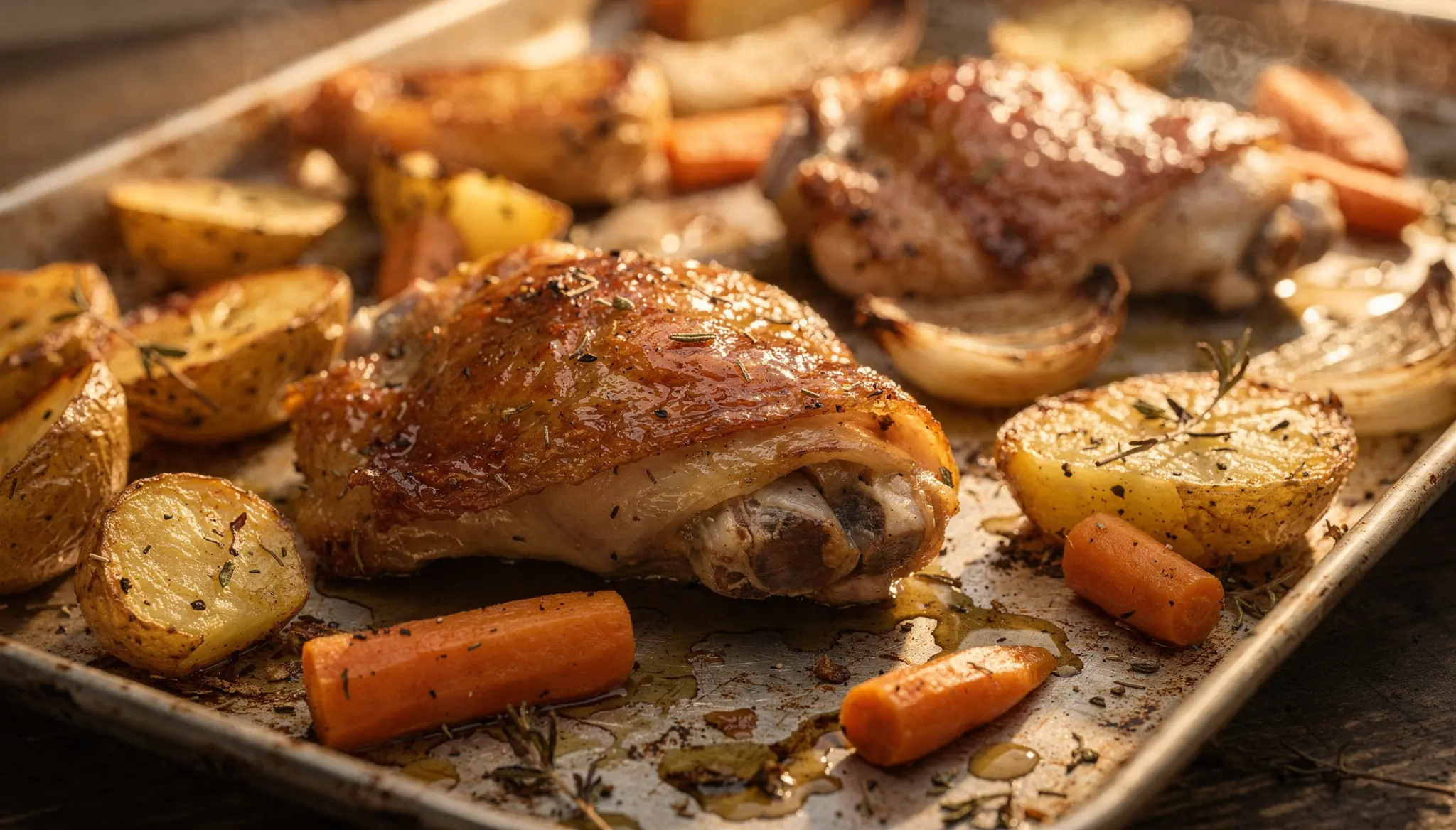
A sheet-pan dinner requires slightly more cooking time, but most of that time is hands-off.
Chicken thighs are often a practical choice because they remain tender during roasting. However, families can use whichever cut is affordable or already available.
Basic ingredients
-
4 to 6 chicken thighs or drumsticks
-
4 medium potatoes
-
3 or 4 carrots
-
1 onion
-
2 tablespoons cooking oil
-
Garlic powder
-
Paprika
-
Salt and pepper
How to make it
Preheat the oven to 425°F.
Cut the potatoes, carrots and onion into similarly sized pieces. Place them on a large sheet pan and toss them with approximately half the oil and seasonings.
Add the chicken and rub it with the remaining oil and seasonings. Keep the pieces in a single layer so they cook evenly.
Roast for approximately 35 to 45 minutes, depending on the size and type of chicken used. Turn the vegetables once during cooking if possible.
Chicken should reach an internal temperature of 165°F, measured with a food thermometer in the thickest portion without touching the bone.
Why it works
The vegetables and protein cook together, which reduces the number of dishes that need to be washed.
Potatoes and carrots are also flexible. Sweet potatoes, cabbage, frozen broccoli or other available vegetables can be used instead.
Stretch it further
Serve smaller portions of chicken with extra potatoes and vegetables.
Remove any leftover meat from the bones and use it the next day in soup, fried rice, quesadillas or sandwiches.
4. Lentil Taco Bowls
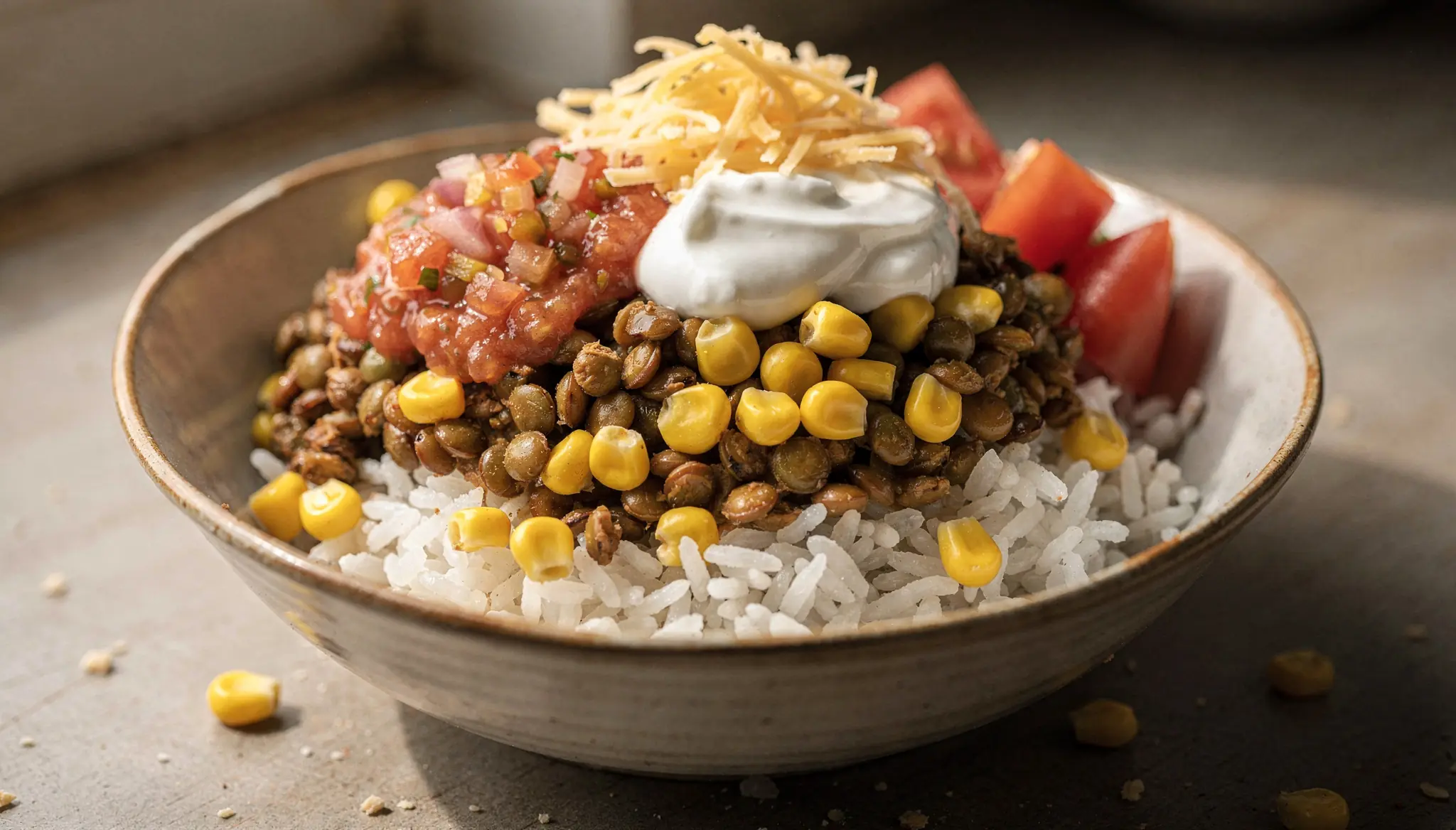
Taco night can become expensive when it requires meat, several toppings and specialty ingredients. Lentil taco bowls keep the familiar flavors while simplifying the shopping list.
Dry lentils do not normally require soaking and can be cooked in water until tender. MyPlate identifies lentils as a vegetarian protein option and includes them in both the Protein Foods and Vegetable groups.
Basic ingredients
-
1 cup dry brown or green lentils
-
3 cups water
-
1 tablespoon taco seasoning
-
2 cups cooked rice
-
1 can corn or 1 cup frozen corn
-
Optional salsa, cheese or plain yogurt
-
Optional tortillas
How to make it
Rinse the lentils and check for any small stones or debris.
Place them in a saucepan with the water. Bring to a boil, reduce the heat and simmer until tender, following the package directions.
Drain excess liquid if necessary. Stir in the taco seasoning and corn, then cook for several more minutes.
Spoon rice into bowls and add the lentil mixture. Let each family member choose from whatever toppings are available.
Why it works
Serving the meal in bowls makes it easy to accommodate different preferences. One child may want only rice, lentils and cheese, while another may prefer salsa and vegetables.
The same mixture can also be placed inside tortillas, served over baked potatoes or packed into a thermos for lunch.
Reduce the sodium
When using canned corn or beans, draining and rinsing them can remove some of the sodium.
Choose reduced-sodium seasoning when available, or make a simple mixture from chili powder, cumin, garlic powder and paprika.
5. Loaded Baked Potatoes With Beans and Vegetables
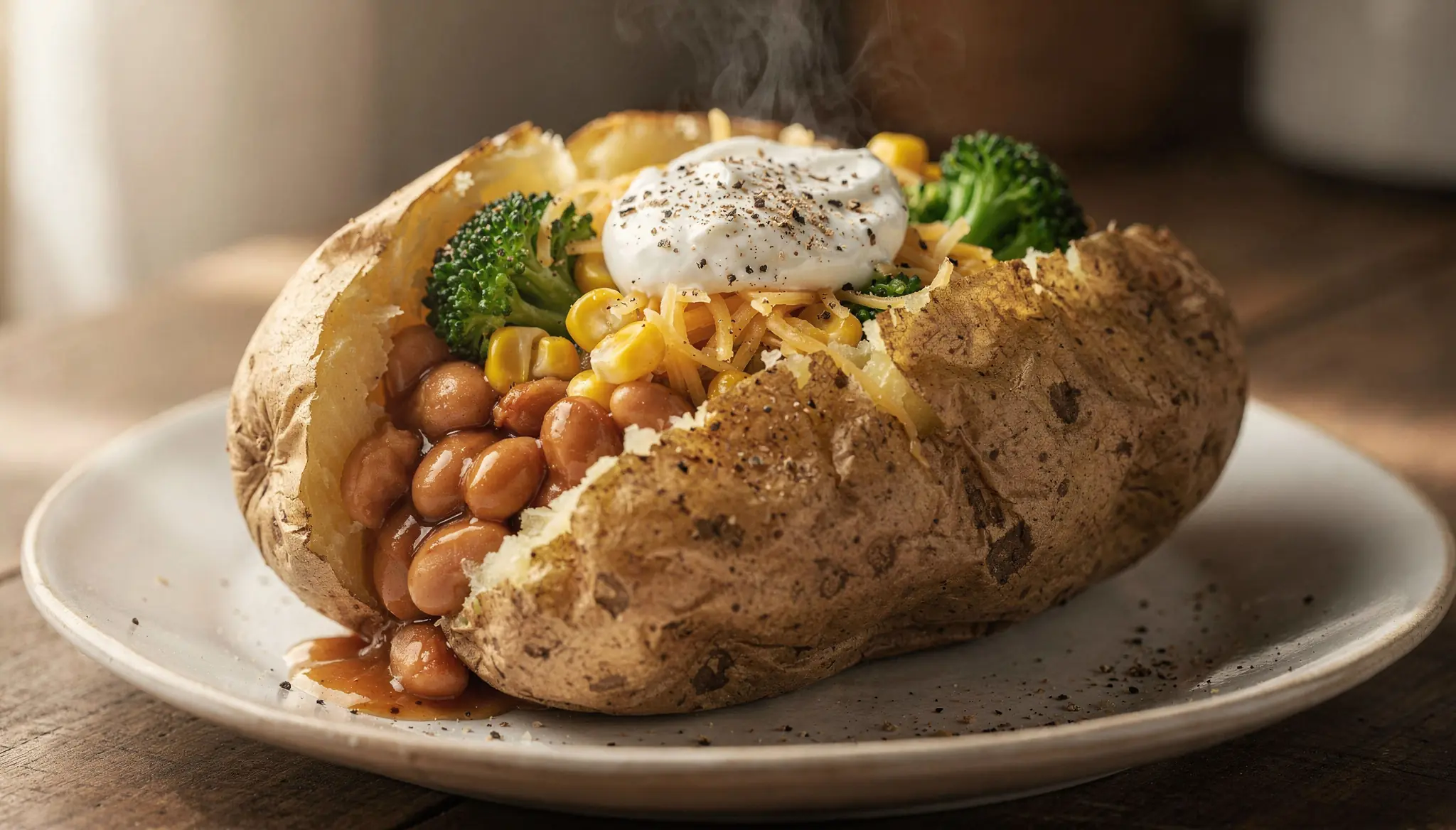
Baked potatoes are inexpensive, familiar and easy to customize. They can also turn a collection of small leftovers into a complete meal.
Basic ingredients
-
4 large potatoes
-
1 can beans
-
1 to 2 cups frozen broccoli or mixed vegetables
-
Shredded cheese
-
Plain yogurt or sour cream
-
Salt and pepper
-
Optional leftover chili or cooked meat
How to make it
Scrub the potatoes thoroughly and pierce them several times with a fork.
Bake them at 425°F until tender, usually about 45 to 60 minutes depending on their size. For a faster option, cook them in the microwave according to the appliance instructions.
Heat the beans and vegetables separately.
Cut each potato open and gently mash the inside with a fork. Add beans, vegetables and any available toppings.
Why it works
Every family member can build a different potato without requiring the parent to prepare several separate dinners.
A small amount of cheese or leftover meat can be divided across several servings rather than acting as the main ingredient.
Other topping ideas
-
Scrambled eggs
-
Leftover tomato pasta sauce
-
Lentils
-
Corn and salsa
-
Canned tuna
-
Steamed cabbage
-
Leftover roasted vegetables
A Basic Shopping List for All Five Meals
These dinners share many ingredients, making it easier to buy foods that will be used more than once.
Pantry items
-
Rice
-
Pasta
-
Dry lentils
-
Canned beans
-
Canned tomatoes
-
Canned corn
-
Cooking oil
-
Soy sauce
-
Garlic powder
-
Basic dried herbs and spices
Refrigerated or frozen items
-
Eggs
-
Chicken
-
Potatoes
-
Carrots
-
Onions
-
Frozen mixed vegetables
-
Frozen broccoli
-
Cheese or plain yogurt
Families do not need every ingredient on this list. Each recipe is designed to be adjusted according to what is available, affordable and acceptable to the household.
Three Ways to Make the Food Last Longer
Cook one ingredient for two meals
Prepare extra rice for a taco bowl, then use the remaining rice for fried rice.
Roast extra chicken for dinner, then add the leftover meat to pasta or baked potatoes.
Use fresh foods first
Plan meals containing fresh meat and easily spoiled vegetables earlier in the week. Save dried, canned and frozen ingredients for later.
This approach follows MyPlate’s recommendation to use fresh foods before they spoil while keeping shelf-stable and frozen foods available for future meals.
Freeze portions before the family gets tired of them
A large batch does not have to be eaten several nights in a row. Freeze individual portions for a future evening when cooking is not realistic.
Label the container with the name of the meal and the date so it does not become an unidentified block of food at the back of the freezer.
Keep Leftovers Safe
Refrigerate perishable leftovers within two hours of cooking, using shallow containers so the food cools more quickly. Most cooked leftovers should be eaten within three to four days or frozen for later use.
When reheating leftovers, heat them throughout to 165°F. Food that has remained at room temperature for longer than two hours should generally be discarded; the limit drops to one hour when the temperature is above 90°F.
Affordable Does Not Have to Mean Complicated
Single parents already make dozens of decisions every day. Dinner should not require a new recipe, a specialty grocery store and an hour of preparation every evening.
A dependable meal can be built from three simple parts:
A filling base, an affordable protein and whatever vegetables are available.
Rice with eggs and frozen vegetables counts. So does pasta with beans, a potato topped with leftovers or chicken roasted beside carrots.
The goal is not to serve a perfect dinner.
It is to feed the family, stay within the household budget and make the evening a little easier.