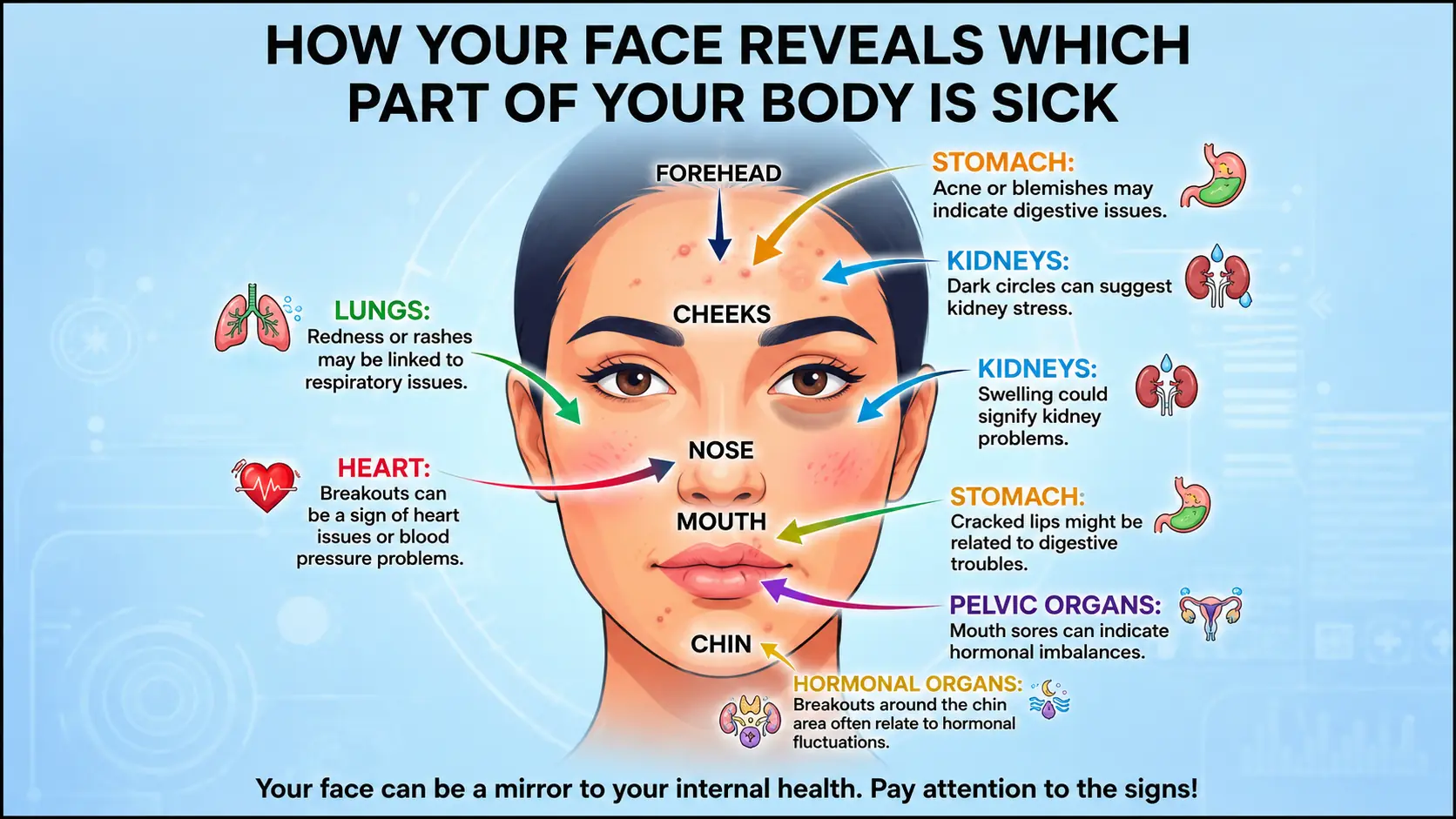
1. Puffiness Under the Eyes May Be Related to Fluid Retention—but Not Always Kidney Disease
Mild bags or puffiness under the eyes are extremely common. As people age, the tissues and muscles around the eyelids weaken. Fat that normally supports the eye may move into the lower eyelid, while fluid can collect beneath the eyes and make the area appear swollen.
Temporary puffiness may also become more noticeable after:
-
Eating a salty meal
-
Sleeping poorly
-
Crying
-
Experiencing seasonal allergies
-
Sleeping flat without elevating the head
-
Becoming mildly dehydrated
-
Drinking alcohol
Therefore, saying that puffy eyes mean the kidneys are “backed up” is misleading. Occasional morning puffiness without other symptoms is usually not enough to suggest kidney disease.
However, certain kidney disorders can cause the body to retain fluid. Nephrotic syndrome, for example, may cause puffy eyelids along with swelling in the legs, ankles, feet, abdomen, or other parts of the body. Other possible signs include foamy urine, fatigue, and weight gain caused by excess fluid.
Consider seeking medical advice when eye puffiness is persistent or appears together with:
-
Swelling in the feet or lower legs
-
Foamy or unusually dark urine
-
A major change in urination
-
Sudden weight gain
-
Shortness of breath
-
High blood pressure
-
Swelling on only one side of the face
-
Eye pain or changes in vision
A clinician may recommend urine and blood tests if kidney function is a concern. Puffy eyes alone cannot confirm a kidney problem.
2. Bloodshot Eyes Usually Point to Irritation—not Liver Disease
Bloodshot eyes develop when small blood vessels on the surface of the eye become enlarged, irritated, or inflamed. Common causes include dry eyes, allergies, smoke, dust, lack of sleep, prolonged screen use, contact-lens irritation, blepharitis, and conjunctivitis. Eye injuries and some more serious inflammatory conditions can also cause redness.
Bloodshot eyes are not considered a typical sign of liver disease.
Liver or bile-flow problems are more likely to cause yellowing of the whites of the eyes, known as jaundice. This happens when bilirubin accumulates in the body. Jaundice may be associated with liver disease, gallstones, bile-duct obstruction, certain blood disorders, or other medical conditions.
In other words:
-
Red eyes are commonly related to irritation, dryness, inflammation, or infection.
-
Yellow eyes may indicate jaundice and should be medically evaluated.
Minor redness may improve with rest, avoiding irritants, taking a break from contact lenses, or using preservative-free artificial tears. Avoid using redness-relieving eye drops excessively because some products can cause rebound redness.
Seek urgent eye care when redness occurs with severe pain, light sensitivity, blurred vision, sudden vision loss, an eye injury, chemical exposure, intense headache, nausea, or vomiting. These symptoms may indicate a more serious eye condition.
3. Oily Skin Is Influenced by Genetics and Hormones—not Simply Zinc Deficiency
Skin becomes oily when the sebaceous glands produce more sebum than the skin needs. Sebum is not inherently harmful. It helps protect the skin and prevents excessive water loss. Problems can arise when excess oil combines with dead skin cells and contributes to clogged pores or acne.
Genetics strongly influence how active your sebaceous glands are. Hormonal activity—especially androgen hormones—can also increase oil production. This helps explain why oily skin and acne often become more noticeable during puberty, menstruation, pregnancy, periods of stress, or certain hormonal disorders.
Climate and skincare habits matter as well. Humid weather can increase shine, while harsh cleansers may irritate the skin and encourage people to over-cleanse. Dermatologists generally recommend washing oily skin gently up to twice daily and after heavy sweating rather than repeatedly scrubbing or stripping it with alcohol-based products. (American Academy of Dermatology)
Oily skin by itself is not a dependable sign of zinc deficiency. Zinc plays several roles in the body, including immune function and wound healing, but a deficiency cannot be diagnosed by looking at facial oil production. Blood tests, dietary history, and other symptoms would be needed before a clinician recommended supplementation.
Insulin and insulin-like growth factor 1, or IGF-1, may interact with androgen-related pathways involved in sebum production and acne. Diets that frequently produce large blood-sugar spikes may worsen acne in some people, but oily skin does not automatically mean that a person has high insulin or insulin resistance.
Adults should consider discussing persistent oily skin and acne with a healthcare professional when they also experience symptoms such as irregular periods, increased facial or body hair, thinning scalp hair, unexplained weight changes, or darkened patches of skin. These combined symptoms may justify an evaluation for an underlying hormonal or metabolic condition.
4. Dry, Flaky Skin Has Many Causes—and Omega-6 Is Not Usually the Problem
Dry, flaky skin develops when the skin loses water faster than it can replace it. Everyday causes include cold or dry weather, indoor heating, long hot showers, harsh soaps, frequent handwashing, aging, and failing to moisturize regularly. (American Academy of Dermatology)
Dryness can also be associated with conditions such as:
-
Eczema
-
Contact dermatitis
-
Psoriasis
-
Hypothyroidism
-
Diabetes
-
Advanced kidney disease
-
Certain medications
-
Nutritional deficiencies
The claim that dry skin results from consuming too many omega-6 fatty acids is overly simplistic and unsupported as a general rule.
Linoleic acid, an omega-6 fatty acid, is an essential component of the skin barrier. In fact, essential fatty-acid deficiency—not simply excess omega-6 intake—can cause scaling, dermatitis, and increased water loss through the skin.
This does not mean that dietary balance is irrelevant. A varied diet containing adequate protein, essential fats, vitamins, minerals, fruits, vegetables, and water supports healthy skin. However, it is rarely possible to identify a particular fatty-acid imbalance by looking at dry skin alone.
For everyday dryness, dermatologists recommend short showers with warm rather than hot water, gentle fragrance-free cleansers, and a cream or ointment applied while the skin is still slightly damp. Creams and ointments generally hold moisture more effectively than thin lotions. (American Academy of Dermatology)
See a dermatologist when dryness becomes painful, intensely itchy, cracked, bleeding, widespread, infected, or resistant to regular moisturizing.
5. Acne May Be Influenced by Hormones and Insulin—but It Has Multiple Causes
Acne is an inflammatory condition involving the hair follicles and sebaceous glands. It develops through a combination of excess sebum, clogged follicles, inflammation, hormonal activity, and the presence of the skin bacterium Cutibacterium acnes. It is not caused by dirty skin or poor hygiene. (American Academy of Dermatology)
Androgens can stimulate the sebaceous glands, which is why hormonal changes commonly affect acne. Insulin and IGF-1 signaling may also influence pathways involved in oil production and inflammation. Some research suggests that high-glycemic diets may worsen acne in susceptible individuals, although diet is only one possible factor and responses vary from person to person.
Acne alone does not prove that insulin levels are high. Breakouts may also be affected by:
-
Genetics
-
Puberty
-
Menstrual-cycle changes
-
Stress
-
Cosmetics or hair products
-
Friction from helmets, masks, or clothing
-
Certain medications
-
Polycystic ovary syndrome
-
Picking or squeezing existing blemishes
A gentle skincare routine is usually more effective than aggressive scrubbing. Wash with a mild cleanser, choose products labeled “non-comedogenic,” avoid picking blemishes, and give acne treatments enough time to work.
Medical treatment may be appropriate when acne is painful, deep, widespread, leaving scars, affecting emotional well-being, or failing to improve with over-the-counter products. Sudden adult acne accompanied by irregular periods or increased facial hair may also warrant a hormonal evaluation.
When Facial Changes Should Not Be Ignored
Most minor facial changes are temporary and harmless. Nevertheless, certain symptoms deserve prompt medical attention.
Contact a healthcare professional when you experience persistent facial or eyelid swelling, yellowing of the skin or eyes, a sudden change in skin texture, severe or rapidly worsening acne, or symptoms that affect multiple areas of the body.
Seek urgent care for:
-
Eye redness with severe pain or vision changes
-
Sudden swelling of the lips, tongue, throat, or face
-
Difficulty breathing
-
Facial weakness or drooping on one side
-
A rapidly spreading rash
-
Swelling with very little urine or shortness of breath
-
Yellow eyes accompanied by dark urine, pale stools, fever, or abdominal pain
These symptoms should not be diagnosed or treated through appearance-based advice alone.
Conclusion
Your face may reflect what is happening in your daily life—from sleep and stress to weather, skincare habits, allergies, and hormonal changes. In some cases, persistent facial changes can also accompany a medical condition.
However, no single sign provides a complete diagnosis. Puffy eyes do not automatically mean kidney disease. Bloodshot eyes are not a reliable sign of liver trouble. Oily skin does not prove zinc deficiency or high insulin, and dry skin cannot be blamed solely on omega-6 fats. Acne may involve hormones and metabolic pathways, but it usually develops through several interacting factors.
Pay attention to changes, especially when they persist or appear with other symptoms. Your face can encourage you to ask better health questions—but proper medical evaluation is what provides trustworthy answers.