6 Vegetables That Naturally Contain Toxins
Vegetables are often celebrated as nutrition powerhouses, packed with fiber, antioxidants, and essential vitamins. But did you know that some common vegetables naturally contain compounds that, in certain circumstances, could pose health risks? Don’t worry — the key isn’t to avoid these foods entirely, but to handle, prepare, and consume them wisely.
Plants produce natural chemicals like alkaloids, sulfur compounds, glucosinolates, and essential oils to protect themselves from pests and environmental stress. In small amounts, these substances are generally harmless — and in some cases, even beneficial. But in larger doses or when improperly prepared, they can cause digestive discomfort or other mild health effects.
Here’s a guide to six types of vegetables that contain naturally occurring compounds you should be aware of, along with practical tips for enjoying them safely.
1. Nightshade Vegetables (Tomatoes, Eggplants, Peppers)
Nightshades contain alkaloids such as solanine and tomatine. Normally, these compounds are present in low amounts, so eating these vegetables in typical culinary quantities is safe. However, consuming very large amounts raw may irritate sensitive digestive systems. Tip: Cooking (roasting, stewing, or sautéing) reduces alkaloid levels and makes these vegetables safer to eat in larger quantities.
2. Cruciferous Vegetables (Broccoli, Cabbage, Kale, Mustard Greens)
Cruciferous veggies produce glucosinolates, which break down into isothiocyanates. These compounds have potential anticancer benefits but can interfere with iodine uptake in very high amounts, particularly for those with thyroid sensitivity. Tip: Eat a variety of vegetables, avoid overdoing a single type, and don’t overcook to preserve antioxidants while minimizing risk.
3. Bitter Gourds and Related Vegetables (Cucumbers, Bitter Melon, Bottle Gourd)
Some gourds contain cucurbitacin, the compound responsible for their bitter taste. Immature or improperly grown fruits may have high levels, causing nausea, diarrhea, or, in extreme cases, poisoning. Tip: Always taste a small piece first — if it’s extremely bitter, discard it. Choose mature fruits and cook them well to reduce cucurbitacin content.
4. Legumes and Bean Sprouts (Kidney Beans, Green Beans, Bean Sprouts)
Certain raw beans and sprouts contain phytohemagglutinin, a lectin that can cause stomach pain, nausea, vomiting, or diarrhea. Tip: Soak beans, discard the soaking water, and boil them vigorously for at least 10–15 minutes. Steam or thoroughly cook bean sprouts before eating.
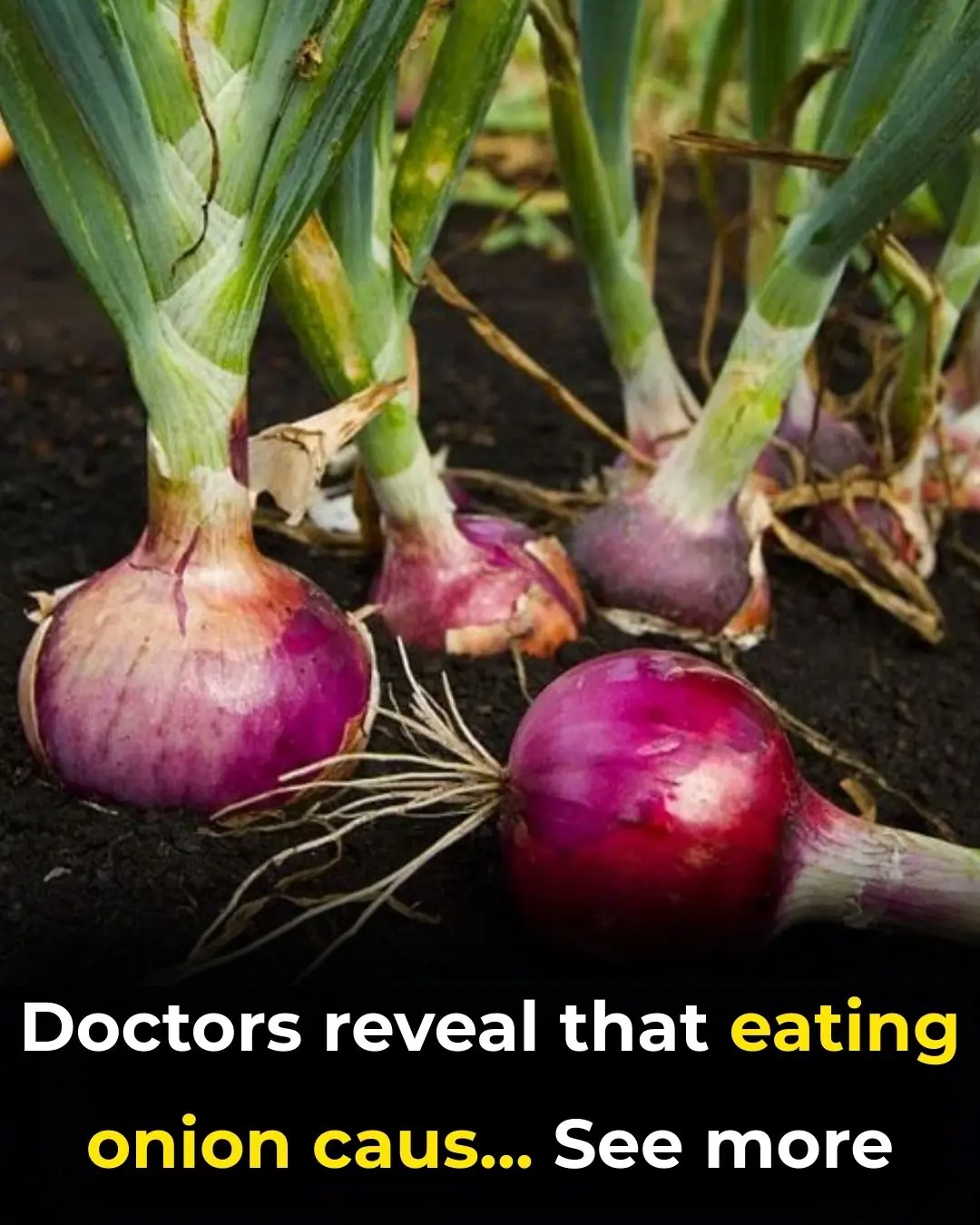
5. Allium Vegetables (Onions, Garlic, Leeks)
Onions, garlic, and their relatives produce sulfur compounds like allicin, which give them their characteristic aroma and taste. For most people, these compounds are beneficial, but sensitive individuals may experience gas, bloating, or mild irritation. Tip: Soaking garlic or onions briefly in water before cooking can mellow their sharpness.
6. Strongly Scented Roots and Stalks (Celery, Carrots)
Celery, carrots, and similar vegetables contain volatile compounds and essential oils that can irritate airways or cause mild respiratory discomfort when cutting or peeling, especially in people with asthma or sensitivities. Tip: Cut these vegetables in a well-ventilated area or chill them before slicing to reduce volatile emissions.
Tips for Safe and Enjoyable Vegetable Consumption
- Diversify your diet: Rotate different vegetables to avoid accumulating too much of any single compound.
- Cook appropriately: Many natural toxins are heat-sensitive or water-soluble, so steaming, boiling, or sautéing can reduce risk.
- Start small: When trying new or strongly flavored vegetables, begin with small portions.
- Discard overly bitter or suspicious produce: Don’t try to mask extreme bitterness — it may indicate high levels of natural toxins.
- Use proper prep techniques for beans: Discard soaking water and cook beans thoroughly to neutralize lectins.
- Ensure ventilation: Cut strong-smelling vegetables near an open window or exhaust fan to reduce inhaled irritants.
Bottom line: Modern nutritional wisdom encourages eating a variety of whole vegetables. Most “toxic” compounds are naturally part of plant metabolism and are safe when consumed in moderation and prepared properly. With the right cooking methods, sensible portion sizes, and dietary variety, you can enjoy all the nutritional benefits of vegetables — safely and deliciously.