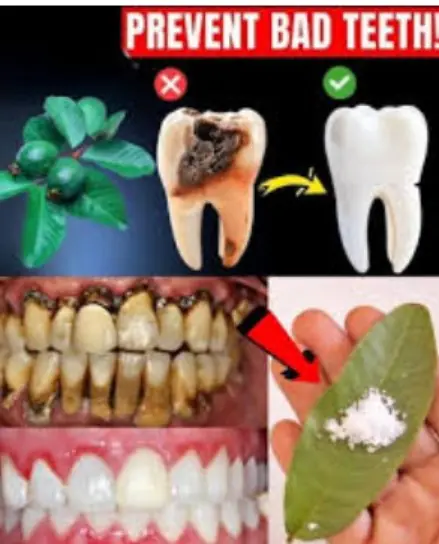
Discover Nature's Oral Secret: 3 Simple Guava Leaf Remedies for Tooth Decay and Gum Health
Health 30/01/2026 17:45

Loud concerts, machinery, headphones—prolonged noise exposure damages delicate hair cells in the inner ear, leading to both hearing loss and tinnitus.
✅ Prevention: Use earplugs! Once damaged, hair cells don’t regenerate.
As we age, natural wear on the auditory system can trigger tinnitus—often in both ears.
✅ Management: Hearing aids often reduce tinnitus by amplifying external sound.
A buildup of wax can press on the eardrum, causing muffled hearing and ringing.
✅ Fix: Have a doctor safely remove it—never use cotton swabs (they push wax deeper).
Over 200 medications list tinnitus as a side effect, including:
Jaw joint issues or tiny muscle spasms in the middle ear can cause clicking or pulsing tinnitus.
✅ Treatment: Dental splints, physical therapy, or stress reduction may help.
While most tinnitus is benign, these signs require prompt evaluation:
|
Symptom
|
Possible Cause
|
|---|---|
|
Tinnitus in only one ear
|
Acoustic neuroma (benign tumor), sudden hearing loss
|
|
Pulsing or whooshing sound
|
Vascular issue (high blood pressure, arterial narrowing)
|
|
Sudden hearing loss + ringing
|
Medical emergency—treat within 72 hours
|
|
Dizziness, balance issues, or nausea
|
Meniere’s disease or vestibular disorder
|
|
Tinnitus after head/neck injury
|
Nerve or vascular damage
|
🚨 Critical: Sudden sensorineural hearing loss (with or without tinnitus) is a 911-level emergency—early steroid treatment can save hearing.
If no underlying cause is found, focus shifts to management and relief:
Tinnitus often arises when the brain tries to “fill in the gaps” from reduced auditory input. It’s not a flaw—it’s your nervous system’s attempt to compensate.
With the right support, most people learn to live peacefully with tinnitus—and many find it fades over time.
But first: listen to your body. Get checked. Rule out serious causes.