7 Foods You Should Never Reheat or Store Overnight After Cooking
Leftover food is a common part of daily life, especially in busy households. Many people believe that storing cooked food in the refrigerator and reheating it the next day is always safe. However, food safety experts warn that certain foods can become extremely harmful once cooked and stored improperly—even if they look and smell fine.
Some bacteria survive cooking and multiply rapidly when food cools down slowly or is reheated incorrectly. In severe cases, consuming these leftovers can lead to food poisoning, hospitalization, or long-term health complications. Below are seven types of foods that should be discarded if not eaten immediately after cooking.
1. Cooked Rice
Cooked rice is one of the most common causes of food poisoning worldwide. It may contain Bacillus cereus, a bacterium that can survive high temperatures. If rice is left at room temperature or stored improperly, toxins can form that reheating will not destroy.
2. Cooked Chicken and Processed Meats
Chicken and processed meats can become dangerous when reheated multiple times. Protein breakdown during reheating may promote bacterial growth, increasing the risk of digestive issues and infections, especially for older adults and people with weakened immune systems.
3. Seafood and Shellfish
Fish, shrimp, and shellfish spoil quickly. Once cooked, they should be eaten immediately. Reheating seafood can significantly increase the risk of bacterial contamination and toxin formation, even when stored in the refrigerator.
4. Eggs and Egg-Based Dishes
Cooked eggs and dishes such as omelets or egg-based sauces can become unsafe if stored overnight. Improper storage allows bacteria like Salmonella to multiply, making reheated eggs a high-risk food.
5. Cooked Mushrooms
Mushrooms contain proteins that are highly unstable after cooking. When stored and reheated, these proteins can break down and cause digestive discomfort or food poisoning, particularly in sensitive individuals.
6. Leafy Vegetables (Spinach, Celery, Kale)
When reheated, leafy greens can convert naturally occurring nitrates into nitrites and nitrosamines—compounds that may be harmful to health. This risk increases when vegetables are stored overnight and reheated multiple times.
7. Sauces and Gravies
Thick sauces and gravies cool slowly, creating an ideal environment for bacterial growth. Reheating them unevenly may not kill all bacteria, making them especially dangerous leftovers.
Why Refrigeration Alone Is Not Enough
According to World Health Organization, refrigeration slows bacterial growth but does not stop it completely. Some toxins produced by bacteria are heat-resistant and cannot be destroyed by reheating.
The Centers for Disease Control and Prevention reports that millions of people suffer from foodborne illnesses each year, many caused by improperly stored leftovers.
Who Is Most at Risk
-
Older adults
-
Children
-
Pregnant women
-
People with weakened immune systems
For these groups, food poisoning can be especially severe and even life-threatening.
Safer Food Practices
Food safety experts recommend:
-
Eating cooked food immediately whenever possible
-
Cooling leftovers quickly and storing them in airtight containers
-
Avoiding repeated reheating
-
Discarding leftovers if there is any doubt about safety
Conclusion
Saving leftovers may seem economical, but your health should always come first. Some foods are simply not meant to be reheated or stored overnight. When in doubt, throwing food away is far safer than risking serious illness.

News in the same category


How to Encourage a ZZ Plant to Flower: Myths, Facts, and Proper Care

Does Adding Ice Cubes to Your Rice Cooker Really Improve Rice? Here’s the Truth

Can Sour Starfruit Really Reverse Premature Gray Hair? What Science Says

A Simple Anti-Nausea Method That Helps You Travel Long Distances Without Medication

After reading this article, you'll definitely want to always carry a lemon with you; it could save your life someday.

Why You Should Never Leave Your Phone Charger Plugged in Without Your Phone

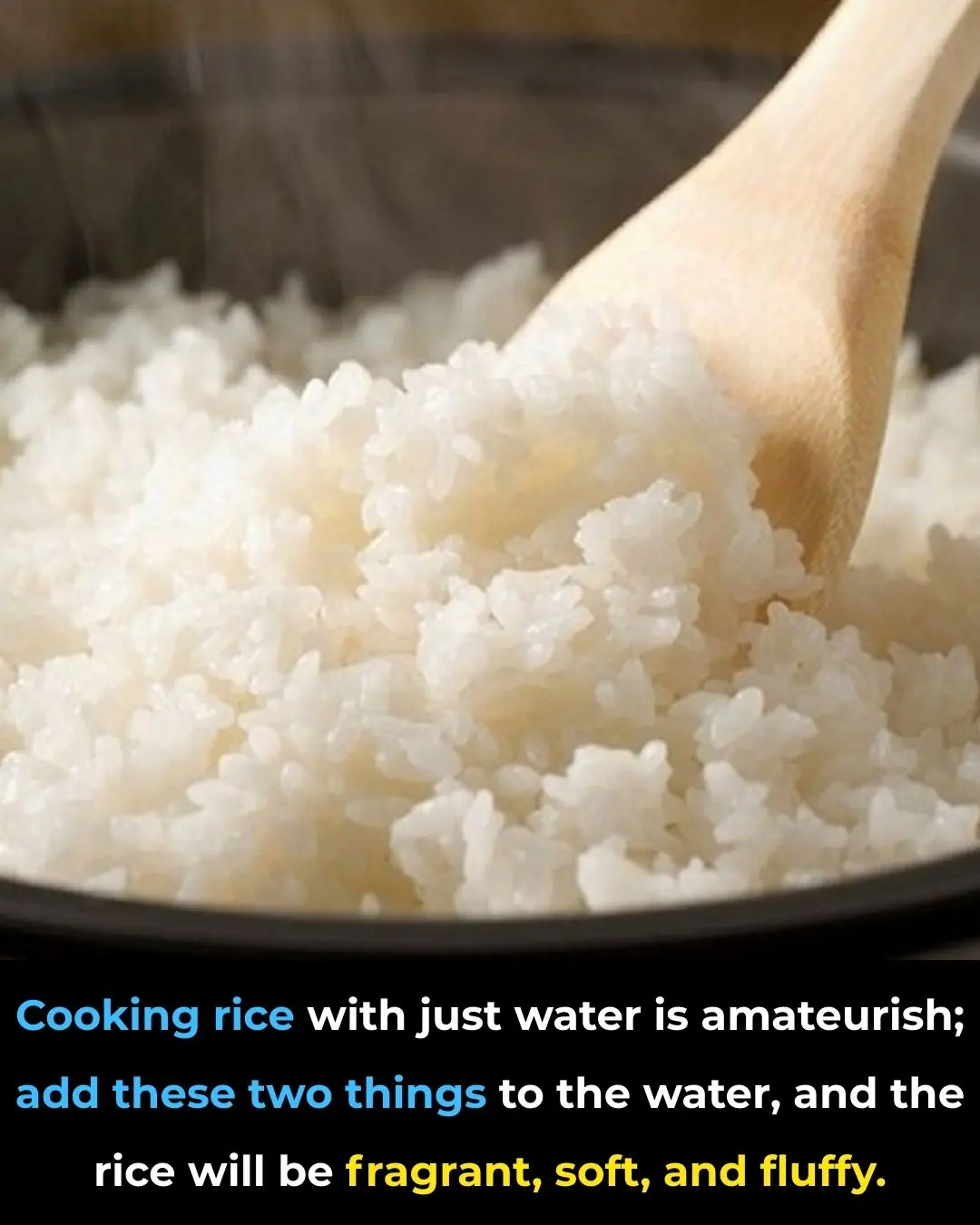
Cooking Rice with Just Water Is a Beginner’s Mistake: Add These Two Ingredients for Softer, Fluffier, More Fragrant Rice

The Real Purpose of the Drawer Beneath Your Stove

7 Vegetables You Should Replant After Harvesting for a Year-Round Food Supply

Boiled duck meat often has an unpleasant smell, but the head chef reveals: Add this ingredient to make the meat incredibly fragrant, and everyone will praise your professional cooking skills.

Soaking Citrus Peels in White Vinegar: A Simple Household Trick You Shouldn’t Waste

When making scrambled eggs with tomatoes, remember not to fry them directly in the pan; this restaurant-style tip will give you delicious, soft eggs to eat with rice.

Warm Salt Water with Honey in the Morning: Does It Really Detox the Body and Protect the Stomach?

If you buy a lot of cilantro, don't put it in the refrigerator right away. With a few extra steps, it will stay fresh and delicious for longer, saving you a lot of money.

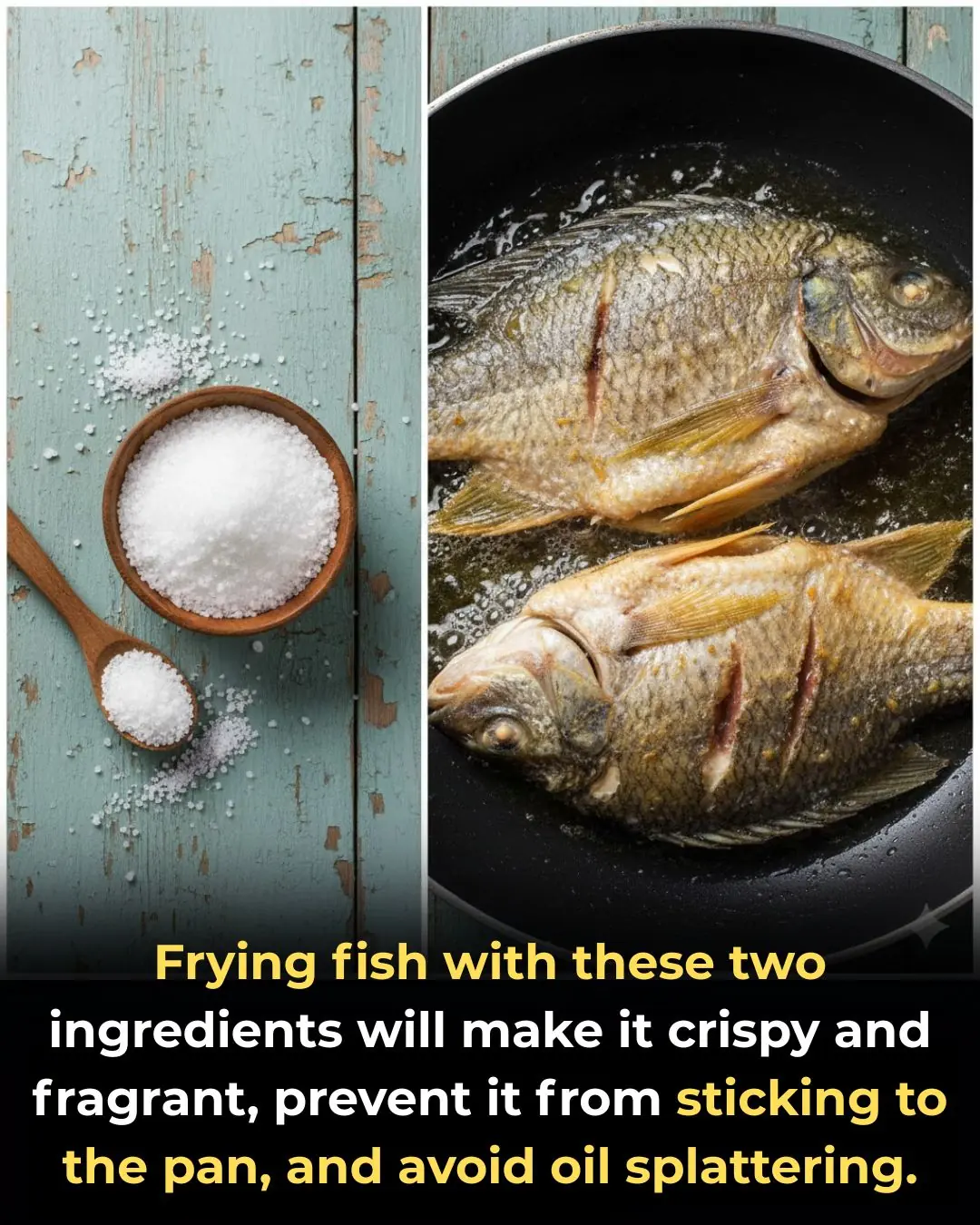
Frying fish with these two ingredients will make it crispy and fragrant, prevent it from sticking to the pan, and avoid oil splattering.

Without using salt or vinegar, wash pig intestines with this cheap yellow powder for 5 minutes until they are sparkling clean and odor-free.

Bathroom Grout Gets Dirty Easily: 5 Effective Cleaning Tips to Make It Look Like New Again

Hot Coffee or Iced Coffee: Which One Is Actually Better for Your Health?
News Post

Using Star Apple Leaves to Treat Acid Reflux: A Traditional Remedy

A Simple Natural Way to Get Rid of Mosquitoes Using a Bowl of Water

How to Encourage a ZZ Plant to Flower: Myths, Facts, and Proper Care

Does Adding Ice Cubes to Your Rice Cooker Really Improve Rice? Here’s the Truth

Can Sour Starfruit Really Reverse Premature Gray Hair? What Science Says

A Simple Anti-Nausea Method That Helps You Travel Long Distances Without Medication

Early-stage fatty liver disease: 5 obvious signs that can be noticeable on your face; ignoring them could lead to serious health consequences

Walking Barefoot at Home

Stroke and Cerebral Infarction Prevention:

If You Notice This Sign on Your Ear, Here’s What It Could Mean

After reading this article, you'll definitely want to always carry a lemon with you; it could save your life someday.

Why You Should Never Leave Your Phone Charger Plugged in Without Your Phone

Cooking Rice with Just Water Is a Beginner’s Mistake: Add These Two Ingredients for Softer, Fluffier, More Fragrant Rice

5 Foods That Boost Immunity Better Than Garlic

What Is Stomach Cancer?

How the “3-2-1” Rule Can Help You

What Is the Adam’s Apple

Proven Inflammatory Foods to Avoid According to Science