Does Adding Ice Cubes to Your Rice Cooker Really Improve Rice? Here’s the Truth
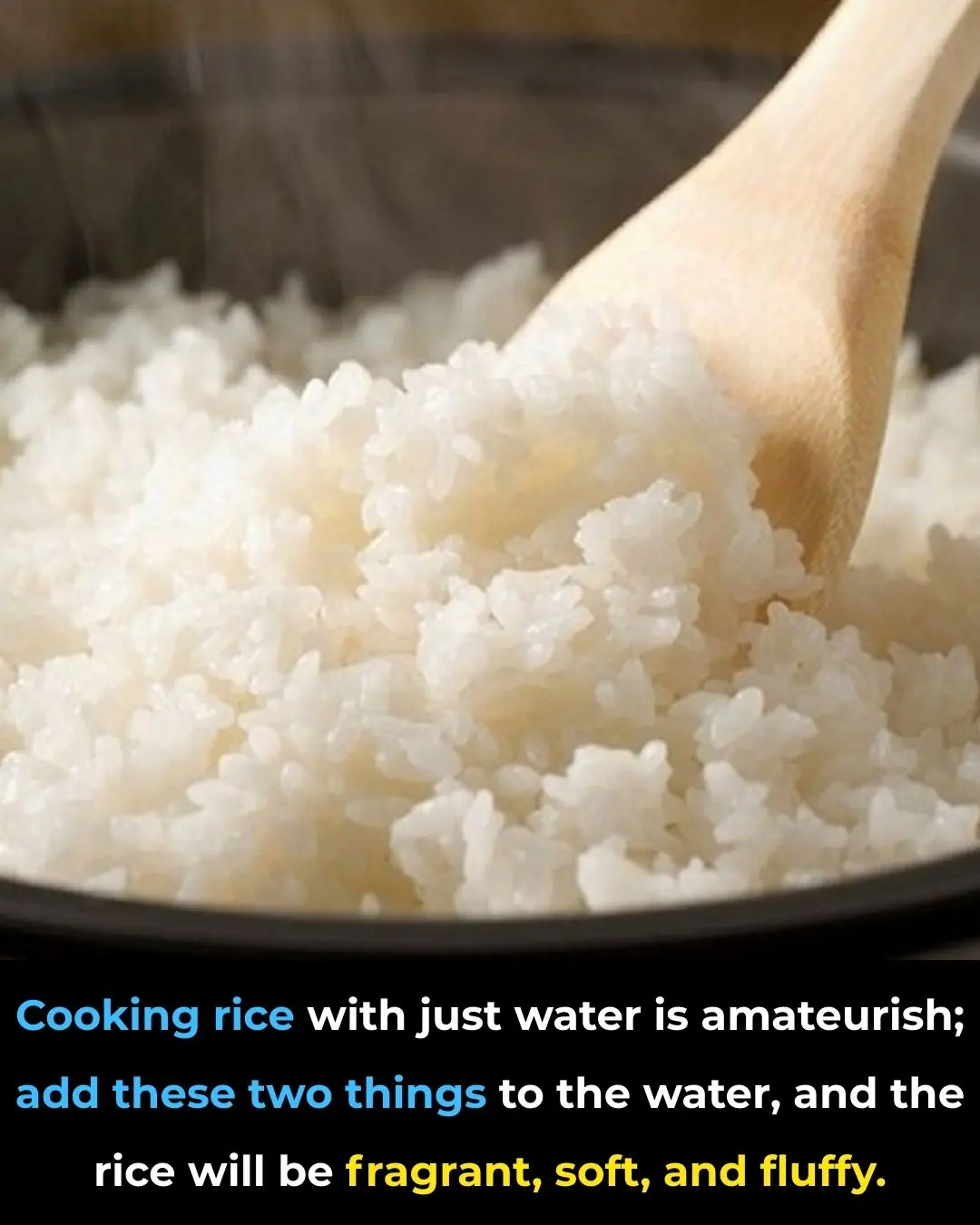
In recent years, a surprising cooking tip has gone viral online: adding two ice cubes to your rice cooker before cooking rice. Supporters claim this simple trick makes rice fluffier, more aromatic, and better textured. While it may sound strange, the idea has sparked curiosity among home cooks around the world. But does it actually work—and is it safe?
Why Rice Texture Matters
Perfectly cooked rice depends on precise temperature control, water absorption, and starch gelatinization. If rice cooks too quickly or unevenly, it can become mushy on the outside while remaining undercooked inside. Achieving the right balance is key to fluffy, separate grains.
According to culinary science experts, slowing the initial cooking phase can improve starch structure and grain integrity.
The Ice Cube Theory Explained
The idea behind adding ice cubes is simple: ice slightly lowers the starting temperature of the cooking water. This causes the rice to heat more gradually, allowing grains to absorb water evenly before starch gelatinization begins.
As the ice melts, it becomes part of the cooking water, so it does not dilute flavor or nutrients. Once the rice cooker reaches boiling temperature, cooking proceeds as usual.
What Science and Cooking Experts Say
While there is limited formal research specifically on adding ice to rice cookers, food scientists acknowledge that gradual heating can improve the texture of starchy foods.
The Harvard Health Publishing explains that starch behavior is influenced by temperature and hydration rate, which supports the logic behind this method.
Professional chefs in Japan and Korea—where rice preparation is taken very seriously—sometimes use controlled temperature techniques, including chilled water, to enhance rice quality.
Is It Safe to Try?
Yes—adding one or two clean ice cubes to a rice cooker is generally safe, as long as:
-
You do not change the total water ratio significantly
-
The rice cooker is designed to handle temperature variation
-
Ice is made from clean, potable water
The Food and Agriculture Organization confirms that temperature-controlled cooking methods are safe when basic hygiene standards are followed.
What Benefits People Commonly Report
Those who use this method often notice:
-
Fluffier rice with better grain separation
-
Reduced stickiness
-
More consistent texture, especially with short-grain rice
However, results may vary depending on rice type, cooker model, and water ratio.
What This Method Will NOT Do
It’s important to note that adding ice cubes:
-
Does not increase nutritional value
-
Does not detox rice
-
Does not remove harmful substances
Any claims suggesting dramatic health benefits are exaggerated and not supported by evidence.
Conclusion
Adding two ice cubes to your rice cooker is a harmless technique that may slightly improve rice texture by promoting gradual heating. While it’s not a miracle hack, it’s a simple experiment worth trying if you enjoy perfectly cooked rice. As with many viral cooking tips, understanding the science behind the method helps separate useful tricks from myths.

News in the same category


How to Encourage a ZZ Plant to Flower: Myths, Facts, and Proper Care

Can Sour Starfruit Really Reverse Premature Gray Hair? What Science Says

7 Foods You Should Never Reheat or Store Overnight After Cooking

A Simple Anti-Nausea Method That Helps You Travel Long Distances Without Medication

After reading this article, you'll definitely want to always carry a lemon with you; it could save your life someday.

Why You Should Never Leave Your Phone Charger Plugged in Without Your Phone

Cooking Rice with Just Water Is a Beginner’s Mistake: Add These Two Ingredients for Softer, Fluffier, More Fragrant Rice

The Real Purpose of the Drawer Beneath Your Stove

7 Vegetables You Should Replant After Harvesting for a Year-Round Food Supply

Boiled duck meat often has an unpleasant smell, but the head chef reveals: Add this ingredient to make the meat incredibly fragrant, and everyone will praise your professional cooking skills.

Soaking Citrus Peels in White Vinegar: A Simple Household Trick You Shouldn’t Waste

When making scrambled eggs with tomatoes, remember not to fry them directly in the pan; this restaurant-style tip will give you delicious, soft eggs to eat with rice.

Warm Salt Water with Honey in the Morning: Does It Really Detox the Body and Protect the Stomach?

If you buy a lot of cilantro, don't put it in the refrigerator right away. With a few extra steps, it will stay fresh and delicious for longer, saving you a lot of money.

Frying fish with these two ingredients will make it crispy and fragrant, prevent it from sticking to the pan, and avoid oil splattering.

Without using salt or vinegar, wash pig intestines with this cheap yellow powder for 5 minutes until they are sparkling clean and odor-free.

Bathroom Grout Gets Dirty Easily: 5 Effective Cleaning Tips to Make It Look Like New Again

Hot Coffee or Iced Coffee: Which One Is Actually Better for Your Health?
News Post

Using Star Apple Leaves to Treat Acid Reflux: A Traditional Remedy

A Simple Natural Way to Get Rid of Mosquitoes Using a Bowl of Water

How to Encourage a ZZ Plant to Flower: Myths, Facts, and Proper Care

Can Sour Starfruit Really Reverse Premature Gray Hair? What Science Says

7 Foods You Should Never Reheat or Store Overnight After Cooking

A Simple Anti-Nausea Method That Helps You Travel Long Distances Without Medication

Early-stage fatty liver disease: 5 obvious signs that can be noticeable on your face; ignoring them could lead to serious health consequences

Walking Barefoot at Home

Stroke and Cerebral Infarction Prevention:

If You Notice This Sign on Your Ear, Here’s What It Could Mean

After reading this article, you'll definitely want to always carry a lemon with you; it could save your life someday.

Why You Should Never Leave Your Phone Charger Plugged in Without Your Phone

Cooking Rice with Just Water Is a Beginner’s Mistake: Add These Two Ingredients for Softer, Fluffier, More Fragrant Rice

5 Foods That Boost Immunity Better Than Garlic

What Is Stomach Cancer?

How the “3-2-1” Rule Can Help You

What Is the Adam’s Apple

Proven Inflammatory Foods to Avoid According to Science