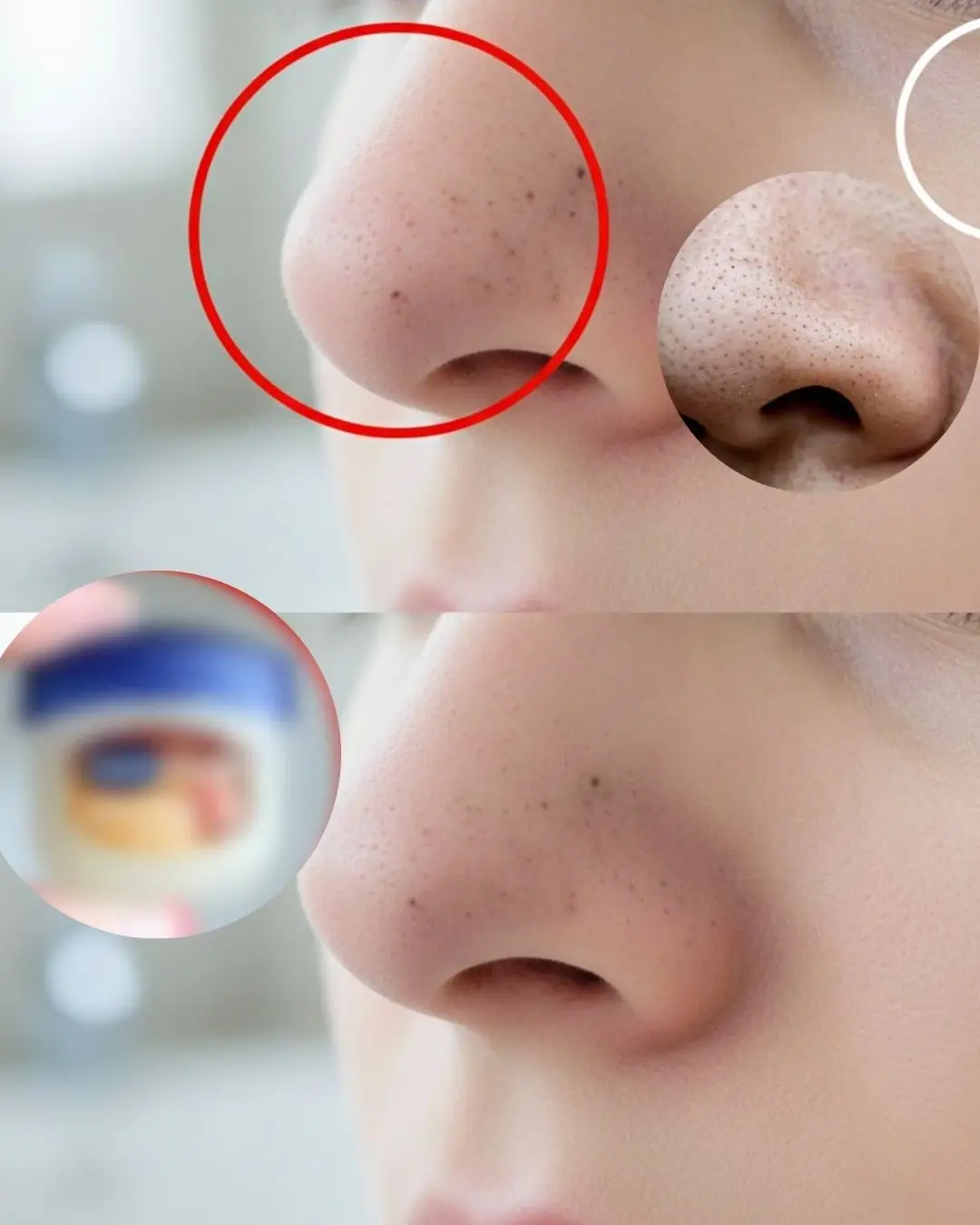
Remove Blackheads On Your Nose
Health 13/12/2025 08:41
Genetics plays a crucial role in determining the health of future generations. While environment and lifestyle choices are significant, many health conditions are passed down through families. Understanding these inherited diseases can help individuals take proactive steps to protect their children’s well-being. Here are eight common diseases parents can pass on to their offspring. If your family is free from these conditions, congratulations—you are paving the way for a strong and healthy generation to come.
1. Diabetes
Type 2 diabetes has a strong genetic component. If one or both parents have diabetes, their children have a significantly higher risk of developing the disease, especially when combined with poor dietary habits or a sedentary lifestyle. Early prevention, including exercise and healthy eating, can reduce this risk even in genetically predisposed individuals.
2. Hypertension (High Blood Pressure)
High blood pressure tends to run in families, and genetics can affect how the body handles salt, stress, and cholesterol. If both parents have hypertension, children should monitor their blood pressure regularly and adopt a low-sodium diet from a young age.
3. Heart Disease
Heart disease is one of the leading causes of death globally, and genetics can influence cholesterol levels, blood pressure, and artery health. Children of parents with heart disease should pay extra attention to maintaining cardiovascular health through physical activity, a balanced diet, and routine medical check-ups.
4. Cancer
Certain types of cancer, such as breast, colon, and prostate cancer, can be inherited through specific gene mutations. For example, BRCA1 and BRCA2 gene mutations greatly increase the risk of breast and ovarian cancer. If there is a strong history of cancer in the family, genetic testing and early screening can be life-saving.
5. Mental Health Disorders
Conditions like depression, anxiety, bipolar disorder, and schizophrenia have hereditary links. While genetics alone don't determine mental health outcomes, children of affected parents should be mindful of their mental well-being and seek support when needed. A nurturing environment and open communication can help mitigate the risks.
6. Asthma and Allergies
Asthma, eczema, and food allergies often run in families. If one parent has allergies, the child has a higher chance of developing them; if both parents do, the risk increases significantly. Early exposure to diverse environments and allergen management can help control symptoms.
7. Obesity
Obesity is influenced by both genetic and lifestyle factors. Genes can affect appetite, metabolism, and fat storage. Parents who struggle with weight may unintentionally pass on unhealthy eating patterns, which—combined with genetics—can lead to obesity in their children. Educating families on nutrition and encouraging active play are key to prevention.
8. Autoimmune Diseases
Diseases like lupus, rheumatoid arthritis, and multiple sclerosis can be inherited. These conditions occur when the body’s immune system mistakenly attacks its own cells. While not directly passed from parent to child in every case, a family history increases the likelihood. Early detection and healthy living can help manage symptoms effectively.
If your family lineage is free from these eight conditions, it's a significant advantage. It doesn't guarantee perfect health for your children, but it greatly reduces their baseline risk of developing chronic illnesses. This genetic "clean slate" provides the opportunity to raise a generation with fewer health concerns—if combined with mindful lifestyle habits.
However, even those with a family history of these diseases can lead long, healthy lives by being aware of their risks and taking preventive measures. Regular health screenings, open conversations about family medical history, and making healthy choices every day can significantly reduce inherited risks.
In the end, genetics is only one piece of the puzzle. The choices we make—what we eat, how active we are, how we handle stress—can tip the scales in our favor. Knowing our inherited risks empowers us to take control of our health and that of the next generation.