Right-Side Abdominal Pain in Women: Could It Be Gallstones?
Health 02/02/2026 22:59
:max_bytes(150000):strip_icc():format(webp)/Health-GettyImages-2226287071-4d0dad7043d94254b9f054330d4a12c5.jpg)
Vitamin C may not directly kill germs, but it plays a vital role in supporting immune defenses and maintaining overall health. Most adult women require at least 75 milligrams (mg) per day, while men need slightly more at 90 mg per day. Rather than relying on supplements, nutrition experts generally encourage meeting vitamin C needs through whole foods, which provide additional beneficial nutrients such as fiber, antioxidants, and plant compounds.
Below are eight nutrient-rich foods that deliver plenty of vitamin C—making them smarter choices than pills or gummies for most people.
Vitamin C: 118 mg (131% of the Daily Value)
Serving size: 1 cup, sliced
Although citrus fruits are often associated with vitamin C, vegetables like red bell peppers are actually among the best sources. In addition to vitamin C, red bell peppers contain vitamin B6, potassium, and magnesium, which contribute to healthy heart function, strong bones, and proper brain activity. Their bright color also signals the presence of carotenoids that support eye health.
Vitamin C: 105 mg (117% of the DV)
Serving size: 1 cup
Just one cup of kiwi provides more than the full daily requirement for vitamin C. These small fruits also offer fiber, vitamin K, and antioxidants that promote digestion and cardiovascular health. For an extra nutritional boost, eating kiwi with the skin on increases fiber intake and supports gut health.
Vitamin C: 102 mg (113% of the DV)
Serving size: 1 cup, chopped
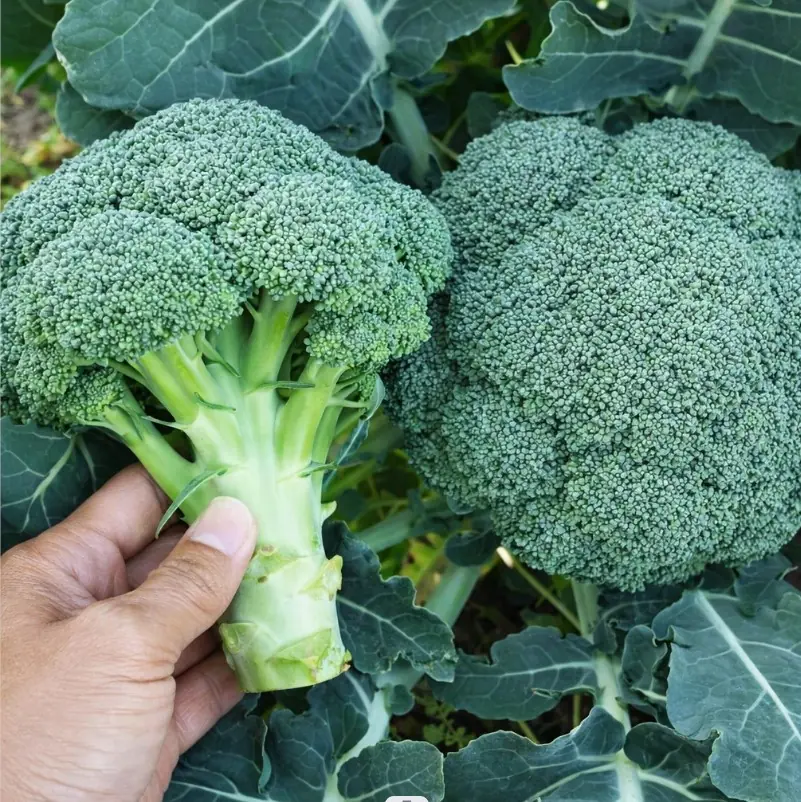
Broccoli is a powerful immune-supporting vegetable that supplies vitamin C along with selenium, zinc, vitamin K, vitamin E, vitamin A, potassium, and phosphorus. These nutrients work together to support cell repair, bone strength, and antioxidant defenses. Light steaming preserves most of broccoli’s vitamin C content while making it easier to digest.
Vitamin C: 93 mg (103% of the DV)
Serving size: 100 grams (about 1.5–2 cups raw)
Kale is often described as a “superfood” due to its exceptional nutrient density. Along with vitamin C, it provides more than 300% of the DV for vitamin K, which is essential for blood clotting and bone health. Kale also contains lutein and zeaxanthin—compounds linked to improved eye health.
Vitamin C: 89 mg (99% of the DV)
Serving size: 1 cup, halved
A single cup of strawberries delivers nearly a full day’s vitamin C needs. These berries also contain anthocyanins, powerful antioxidants that help combat inflammation and oxidative stress. Their natural sweetness makes them an easy addition to yogurt, oatmeal, or smoothies for both flavor and nutrition.
Vitamin C: 85 mg (94% of the DV)
Serving size: 1 cup
Grapefruit has a distinctive bitter taste that not everyone enjoys, but its nutritional value is impressive. Rich in vitamin C, fiber, vitamin A, and potassium, grapefruit supports digestive health, vision, heart function, and immune defenses. It can be enjoyed broiled with a light sweetener, added to salads or breakfast bowls, or infused into water for a refreshing beverage.
Vitamin C: 83 mg (92% of the DV)
Serving size: 1 cup
Oranges are the classic symbol of vitamin C and remain a convenient, affordable source. Beyond vitamin C, oranges supply B vitamins, vitamin E, fiber, calcium, and potassium—nutrients that promote gut health, bone strength, immune support, and cardiovascular function. Whole oranges are generally more beneficial than juice because they provide fiber and help regulate blood sugar.
Vitamin C: 75 mg (83% of the DV)
Serving size: 1 cup, raw
Brussels sprouts are especially popular in roasted dishes and winter salads, but their health benefits go far beyond taste. In addition to vitamin C, they contain folate, manganese, potassium, phosphorus, magnesium, and fiber. These nutrients help support metabolism, nerve function, and digestive health.
Most people can meet their vitamin C needs through a balanced diet that includes fruits and vegetables. However, supplements may be appropriate for certain individuals.
“People with very limited food intake, poor appetite, digestive disorders that impair absorption, or increased nutrient needs—such as those who are pregnant or who smoke—may struggle to meet vitamin C requirements through food alone and could benefit from supplementation,” registered dietitian nutritionist Dani Dominguez, MS, RDN, explained.
Even in these cases, supplements should be used to complement, not replace, a nutritious diet.
Disclaimer: This article is for educational purposes only and does not substitute for professional medical advice. Always consult a healthcare provider or registered dietitian before starting vitamin supplementation.