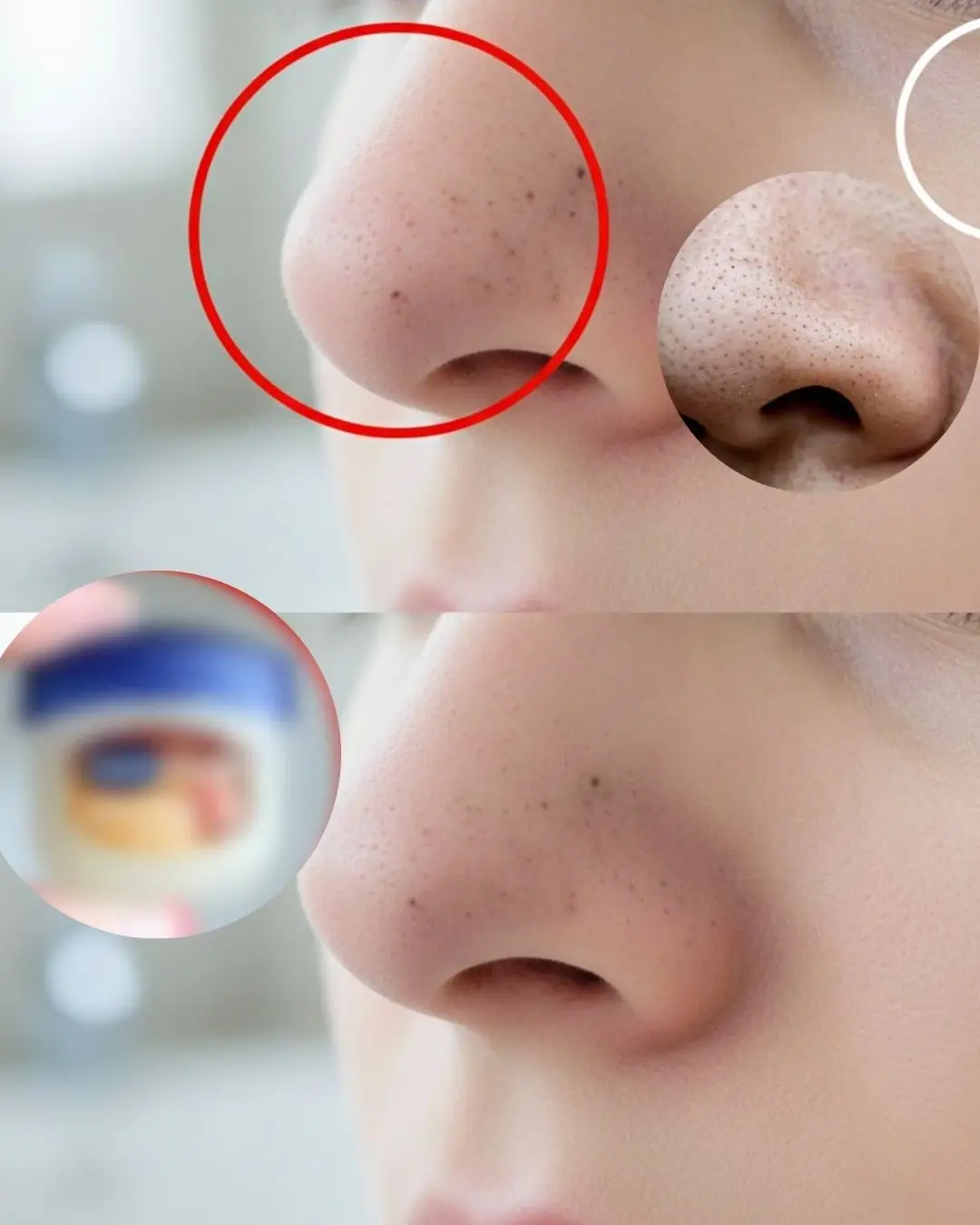
Remove Blackheads On Your Nose
Health 13/12/2025 08:41
When Mark Delaney, a 49-year-old financial analyst from Portland, Oregon, was diagnosed with early-onset dementia, it came as both a shock and a strange sort of validation. For over a year, Mark had been noticing something wasn’t quite right—but the signs were so subtle, so easy to dismiss, that even he second-guessed himself. That is, until one moment at work made everything click.
“I kept losing my place in Excel,” Mark recalls. “At first, I blamed it on stress. Then age. Then just being tired.”
For someone who had spent decades mastering spreadsheets and complex forecasting models, this felt unusual but not alarming. “You don’t go straight from ‘tired’ to ‘dementia,’” he says. “But I was making the same types of errors—subtle, repeated ones—in reports I could’ve done blindfolded a few years ago.”
The red flag that finally caught Mark’s attention came during a routine budget meeting. He had built a financial model for a client, but when presenting it, he couldn’t explain his own logic. “The formulas were right there, and yet I looked at them like they were in a different language,” he says. “I remember freezing and feeling a kind of fear I’d never felt before—not anxiety, but a blankness, a void.”
Colleagues brushed it off as burnout. But Mark couldn’t shake the growing sense that something deeper was at play. He began tracking his daily mental performance, logging moments of forgetfulness, confusion, or mental "fuzz." Within months, the notes revealed a pattern too consistent to ignore.
After several visits to neurologists, cognitive assessments, and an MRI scan, Mark received the diagnosis: early-onset Alzheimer’s disease.
“It’s surreal hearing that at 49,” he says. “You think dementia is something that happens to your grandparents, not when you still have kids in middle school and a career.”
But Mark’s story isn’t as rare as it once seemed. According to the Alzheimer’s Association, around 5% to 6% of people with Alzheimer’s are diagnosed before the age of 65, translating to tens of thousands of Americans facing similar battles in the prime of their lives.
What makes early-onset dementia so insidious is how slowly and subtly it unfolds—especially in people with high-functioning, cognitively demanding careers. “It’s not like you suddenly forget your wife’s name,” Mark says. “It’s small things. Missed meetings. Re-reading the same paragraph five times. Struggling to finish sentences when you know what you want to say, but can’t quite get there.”
Now two years into his diagnosis, Mark has retired from full-time work and is focusing on advocacy. He runs a blog where he shares his experiences and speaks openly about the early warning signs others might overlook. “If I’d waited another year to speak up, I might’ve brushed it all under the rug,” he says. “But knowing early gave me a chance to plan, to be present for my family, and to choose how I live with this.”
He encourages others—especially those in mentally demanding jobs—not to ignore the subtle red flags. “Trust yourself. If your brain starts acting differently, pay attention. It’s not weakness, it’s awareness.”
Mark Delaney’s journey serves as a reminder that cognitive decline can begin quietly and in plain sight. The smallest disruptions—when persistent—can be signals worth exploring. In his courage to speak out, Mark is helping others find clarity in the noise, and perhaps, the strength to seek help when the signs are still whispers.