Regina Carter pulls into the Cascade National Bank parking lot in a 2018 Honda Accord. Not luxury, not new, just a regular car with a few scratches and a high school sticker on the bumper. Jamal sits in the passenger seat. Mom, there's a branch closer to home. This one's fine.
Regina checks her reflection. Jeans, navy blazer, small silver earrings, a worn leather purse. Everything about her is ordinary, middle class, forgettable. That's the point. Inside the lobby whispers prestige, marble floors, high ceilings, classical music.
Behind bulletproof glass, tellers help customers. A white couple in their 60s sits with a loan officer laughing. They wear Patagonia and pearls. They look like they belong. At reception, a young man smiles.
His name tag reads Kevin. Good morning. How can I help you? We're here to open a student checking account. Kevin types, then waves towards someone.
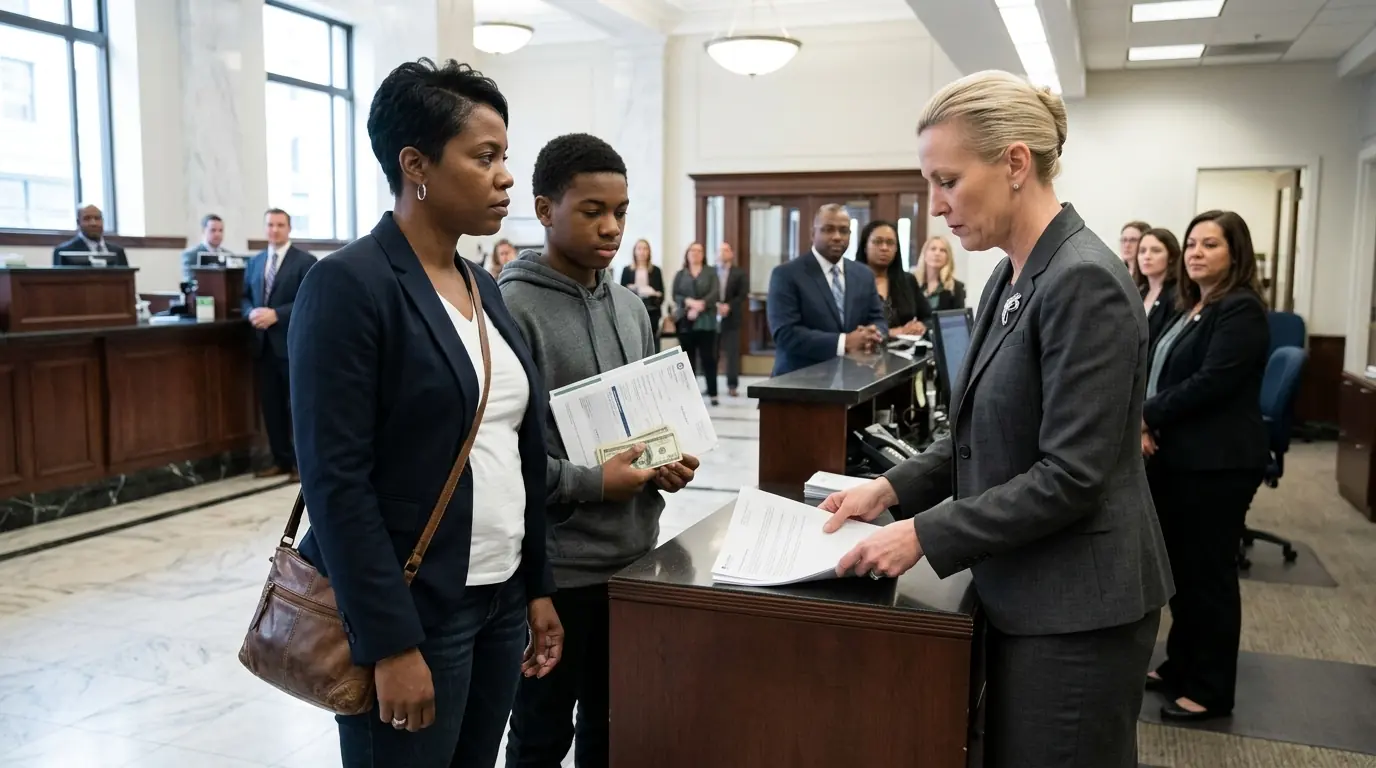
Miss Whitmore, could you help the Carters? Diane Whitmore emerges from a glasswalled office. 48. Blonde hair pulled tight. Expensive suit.
She carries a mug that says world's best manager. Her eyes land on Regina and Jamal. Something shifts in her expression. A tightening around her mouth, a pause before she smiles. Regina catches it.
Right this way. Diane's office has glass walls. Everyone in the lobby can see inside. On her desk, family photos in silver frames, two blonde kids skiing. Behind her, framed certificates.
Branch manager of the quarter. Excellence in customer service. Leadership achievement award. The irony will land harder later. Diane settles into her chair.
So, students account for Jamal. I got a summer job at Rosewood Community Center. Community Center. That's nice. Diane types slowly.
I'll need IDs, social security numbers, proof of address. Regina provides everything. Driver's license, utility bill, Jamal's student ID from Jesuit high school. Diane examines the utility bill longer than necessary. Her eyebrow lifts.
This address, Southeast Alama Ridge, that's an expensive neighborhood. Do you rent or own? First test. We own. Diane sets it down.
And what do you do for work, Miss Carter? I work in healthcare. Diane's face softens into something like sympathy. Oh, a nurse. That's wonderful.
Steady work. Hard work, I'm sure. Regina doesn't correct her. Just nod. Second test.
Diane assumed, made a judgment, and Regina deliberately lets her because Regina didn't come here just to open an account. She came to see how her bank treats people without obvious wealth. So far, not good. And the initial deposit amount, $500, Jamal says. Dian's fingers pause.
500 is more than she expected. That's quite a bit for a summer job. Some of it's birthday money from my grandparents. Birthday money? I see.
Diane stops typing. She's studying them now. Where does a 16-year-old get $500? Not curiosity, accusation. Regina's fingers tap once on her armrest.
Just once. She's deciding whether to speak up now or let this play out. Outside the glass, a young white couple in athletic wear approaches another banker, Nike Lululemon. The banker greets them warmly, smiling. No questions about their money, no suspicious looks.
8 minutes later, they walk out with their new account. Inside Diane's office, the Carters have been sitting for 17 minutes. They haven't even started the paperwork yet. Diane leans forward. I'm going to need documentation for these funds, a letter from your employer verifying the paycheck, and for the birthday money, perhaps a list of relatives who gave gifts.
This isn't standard procedure. It's targeted. Jamal's voice rises slightly. Are you serious? Diane's eyes narrow.
Young man, I'm trying to help you. If you have an attitude, I can decline this application altogether. Banking is a privilege. Regina places a hand on Jamal's shoulder. Ms.
Whitmore, we've provided every standard document. You're now requesting things not on your checklist. Why? Diane sits back defensive. I have discretion to request verification when necessary.
And frankly, your attitude isn't helping. A teller outside, an older black woman named Ms. Patterson, has stopped her work. She's watching through the glass. Her face is tight with recognition.
She's seen this before. Regina pulls out her phone. Bank policy prohibits recording, Diane says sharply. I'm not recording. Regina types something quickly.
A text message to someone. Just checking consumer protection guidelines. Diane Whitmore refreshes her computer screen. There's an issue with your credit authorization form, Miss Carter. You didn't initial box 3B.
Regina leans forward to look. I initialized every box. That's my signature right there. Diane shakes her head, already sliding a fresh form across the desk. This one has red pen marks indicating missing information.
The system shows it's incomplete. You'll need to fill out a new one. Federal regulations, I'm afraid. Regina examines both forms. They're identical.
What specifically is missing? Box 3B. Like I said, Dian's tone sharpens. I understand this might be confusing, but these are compliance requirements. Confusing?
The word hangs in the air like an insult. Jamal whispers, "Mom, can we just do it? " Regina shakes her head slightly. She recognizes what's happening. She's been here before in different contexts. The excessive scrutiny, the manufactured obstacles, the assumption that she won't understand the rules.
She fills out the second form anyway. Initials every single box with exaggerated clarity. Slides it back. Diane scrutinizes it like she's examining a counterfeit bill. Holds it up to the light.
Checks the signature three times. Through the glass walls, another scene unfolds. A white couple in their 30s approaches a different banker's desk. The woman has her hair in a messy bun. The man wears a faded college sweatshirt.
They're opening a joint account. The banker is smiling, joking with them. No one asks to see their utility bill twice. No one questions their address. No one demands extra documentation.
7 minutes later, they're done. They walk out holding hands, laughing about something. Back in Dian's office, 23 minutes have passed. Diane sets the form down. Now about $500.
I'm going to need verification. A letter from the Rosewood Community Center on official letterhead stating Jamal's hourly wage and total earnings to date for a checking account. Regina's voice stays level, but there's steel underneath. That's not standard procedure. It is when I deem it necessary.
Diane folds her hands on her desk. And for the birthday money, I'll need a sworn statement from the relatives who gave it. Names, addresses, amounts, and their relationship to Jamal. Jamal stares at her. You want my grandparents to write a statement about birthday money?
Bank secrecy act requirements. We have to verify the source of all funds. Dian's smile is thin and sharp. Surely you understand. We can't just accept cash without knowing where it came from.
Regina's jaw tightens. The Bank Secrecy Act applies to transactions over $10,000. My son is depositing $500. For a moment, Dian's mask slips. She didn't expect Regina to know that.
I have discretionary authority, she says quickly. And I'm exercising it. If you can't provide the documentation, I can't open the account. Can't or won't? Diane stands up.
The power move of someone who's lost the argument and needs to physically assert dominance. Miss Carter, I don't appreciate your tone. I'm trying to protect this institution from fraud. Fraud? Regina says the word slowly.
You think my 16-year-old son is committing fraud with his community center paycheck. I think there are patterns we're trained to recognize. Diane crosses her arms. Red flags. And frankly, this situation has several.