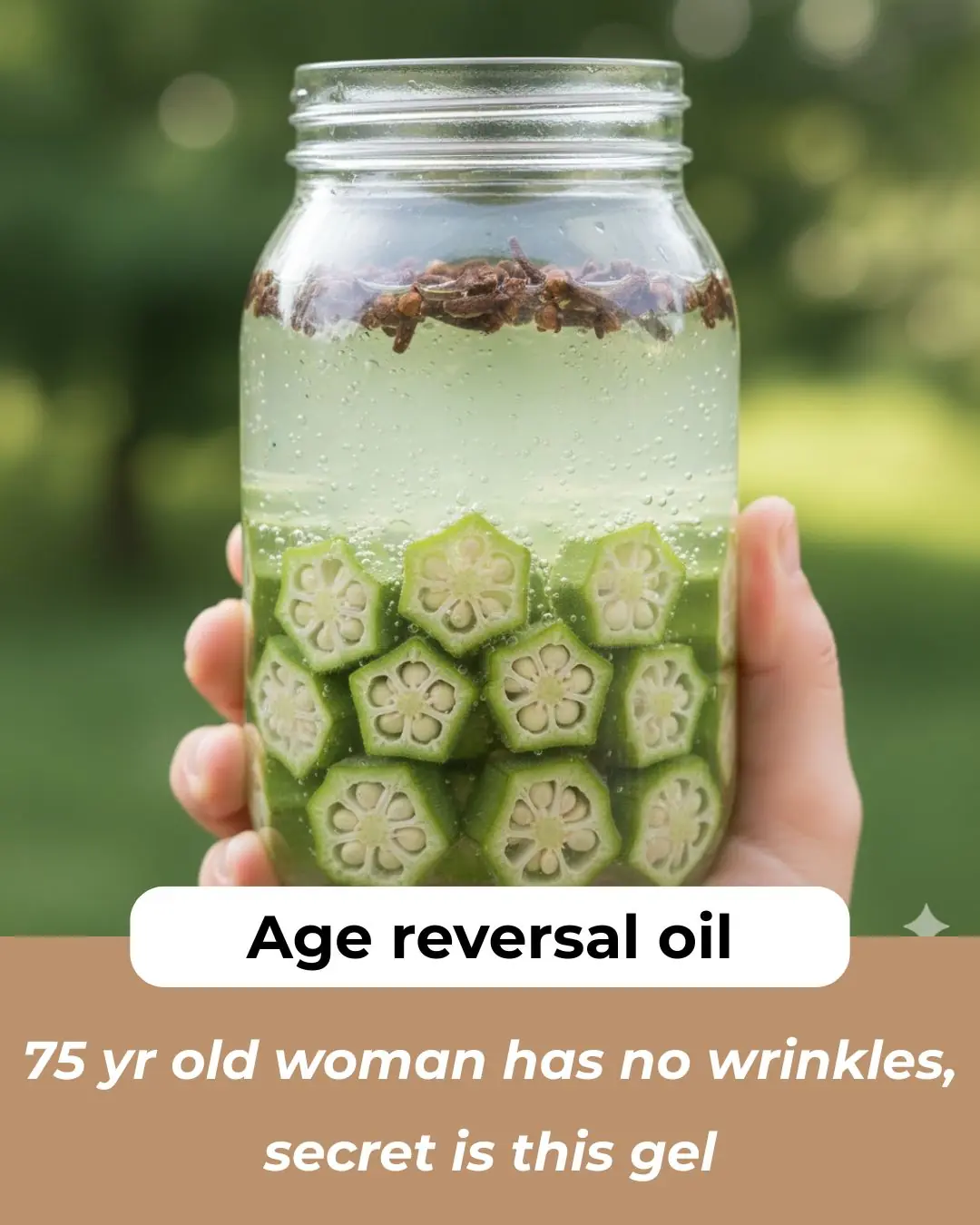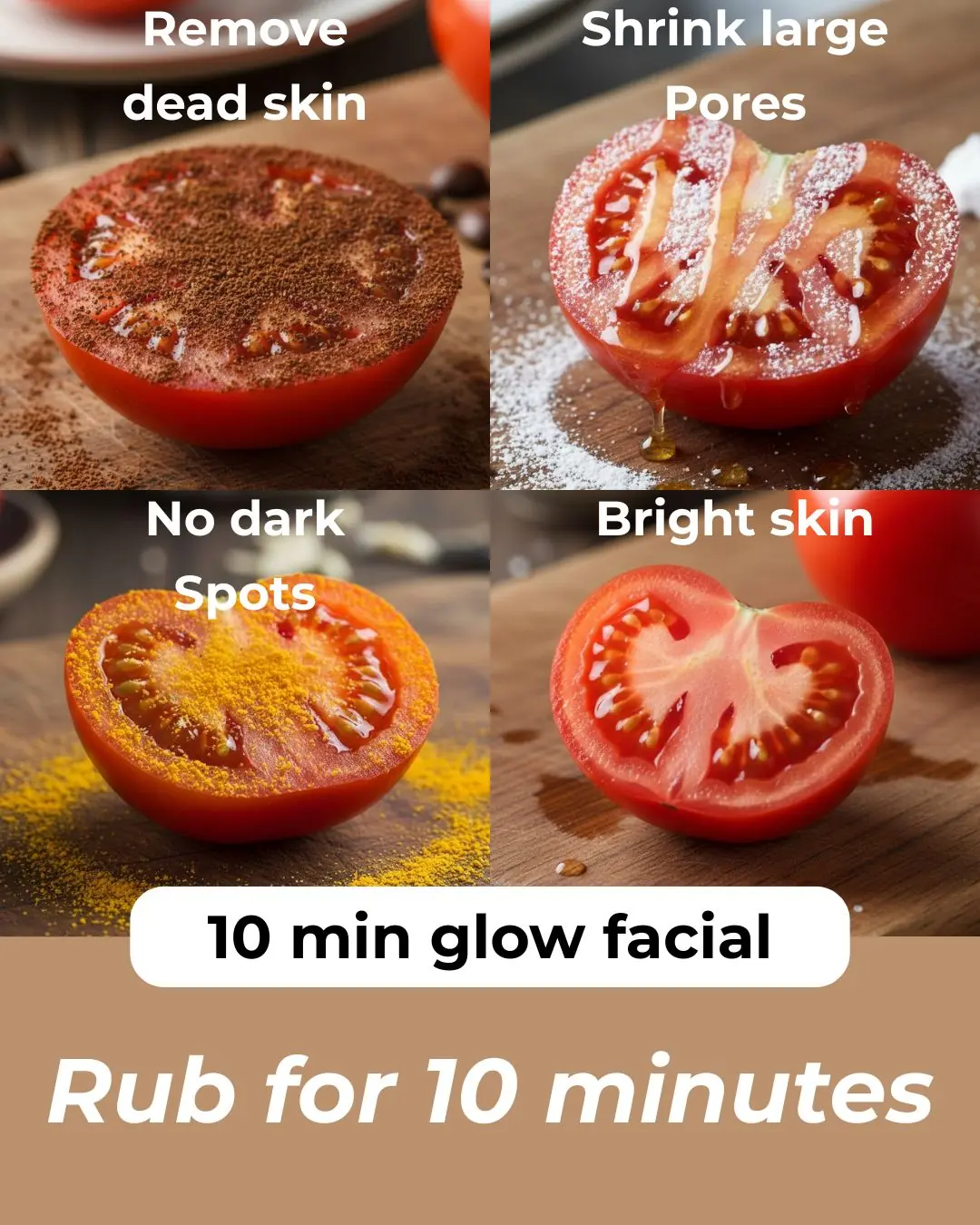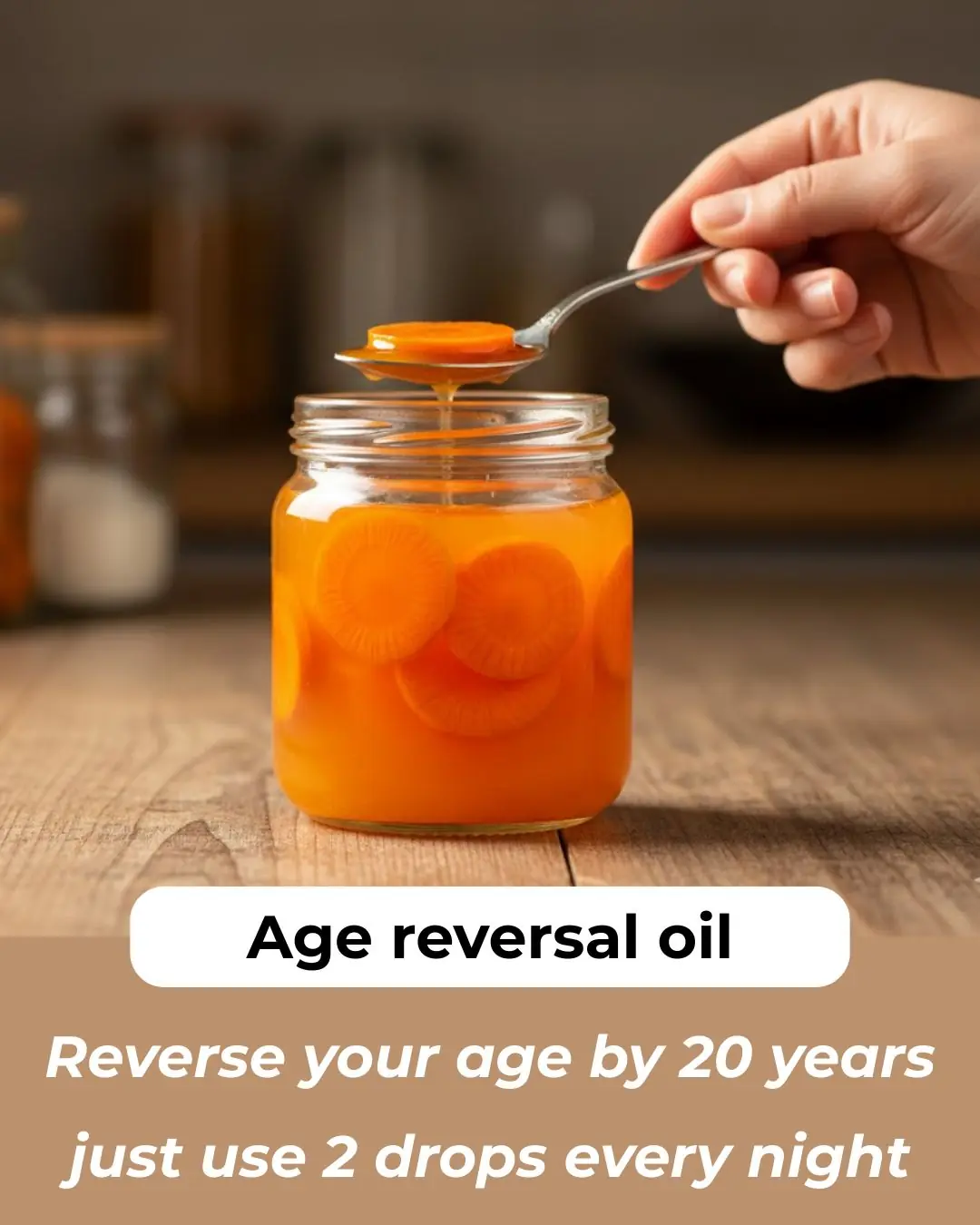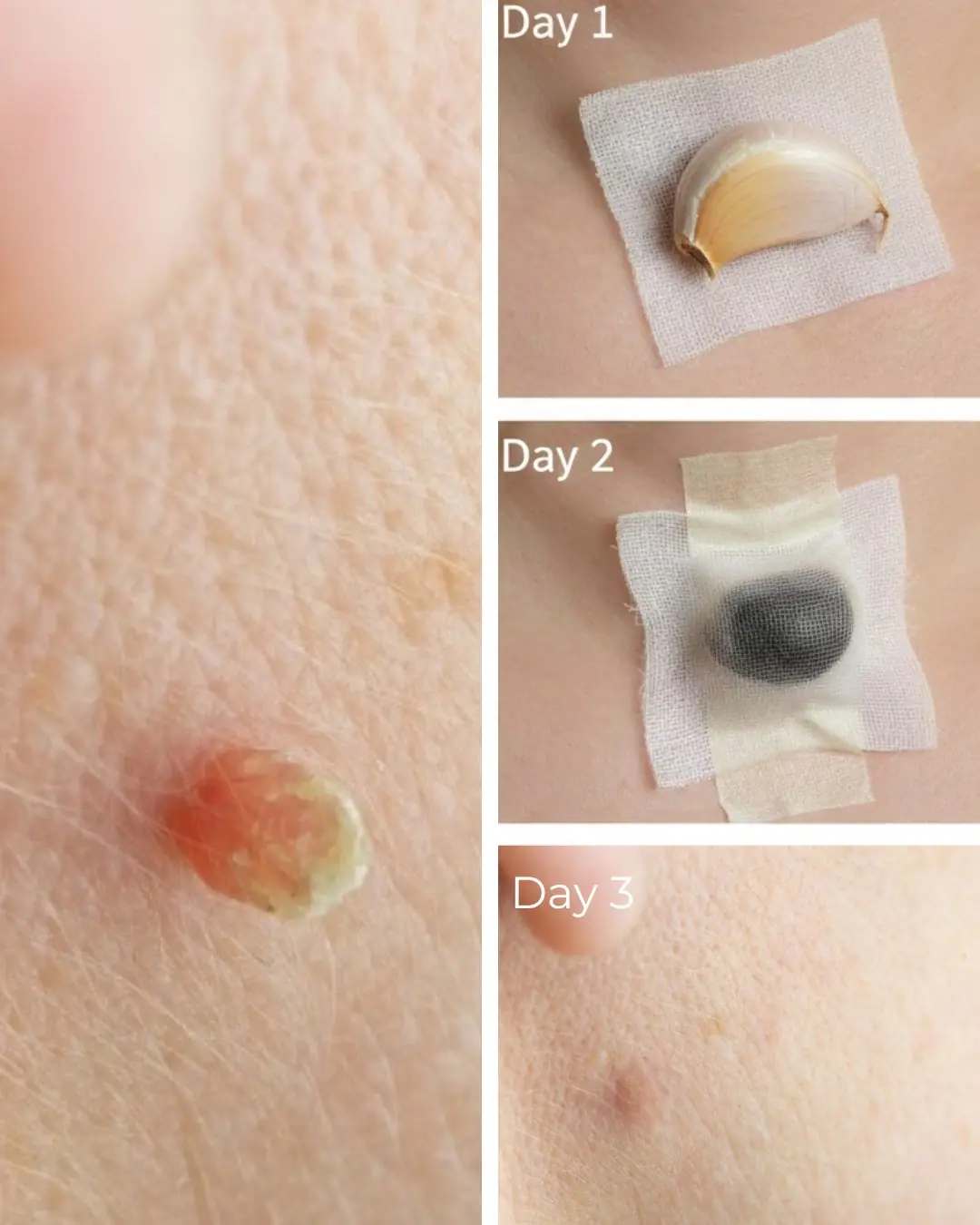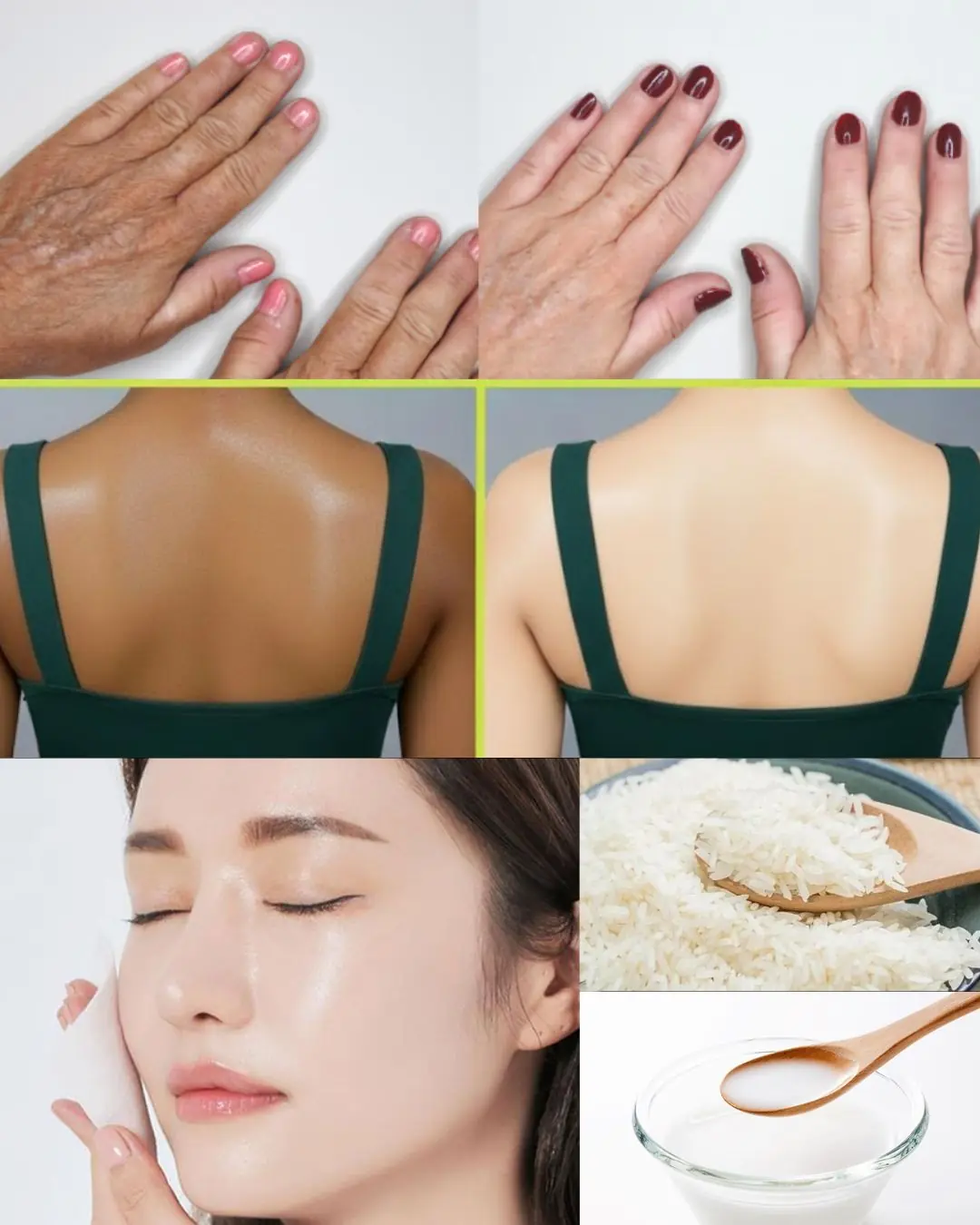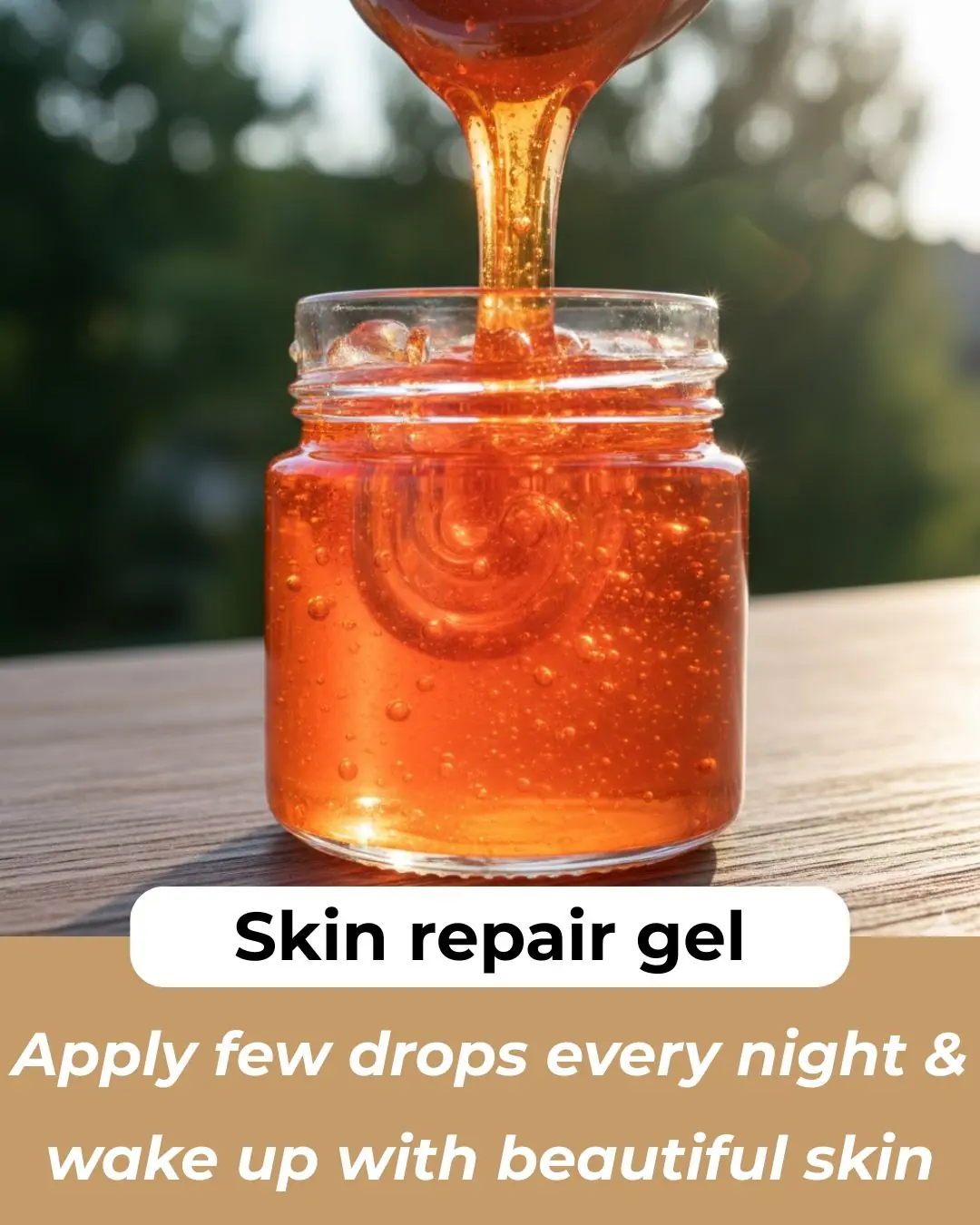
Homemade Carrot Gel for Glowing Skin & Wrinkles
Beatuty Tips 25/12/2025 16:03
Healthy, strong hair doesn’t come from using the most expensive shampoo or styling products—it starts with what you eat. Your diet plays a crucial role in determining how fast your hair grows, how shiny it looks, and how strong it feels. The nutrients you consume directly influence hair follicles, scalp health, and the hair growth cycle itself.
If you’re experiencing hair thinning, excessive shedding, breakage, or slow growth, the problem may not be your haircare routine—it may be a nutritional deficiency. Vitamins and minerals are essential for building healthy hair from the inside out. Below is a science-backed guide to the most important vitamins, nutrients, and foods that support hair growth and overall scalp health.
Why it matters:
Hair is made up of nearly 70% protein, primarily keratin. When your body lacks protein, hair growth slows down and follicles may enter a resting phase, leading to increased shedding.
Best sources:
Eggs, chicken, Greek yogurt, lentils, tofu
Eggs are especially beneficial because they provide both high-quality protein and biotin, a vital nutrient for hair strength and growth.
Why it matters:
Iron helps red blood cells carry oxygen to the hair follicles. Without enough oxygen, follicles weaken, which can result in thinning hair and increased hair loss.
Best sources:
Red meat, spinach, pumpkin seeds, quinoa, lentils
Iron deficiency is one of the most common causes of hair loss in women, particularly during menstruation or pregnancy.
Why it matters:
Omega-3 fatty acids nourish the scalp, reduce inflammation, and help prevent dry, brittle hair. They also support hair density and shine.
Best sources:
Salmon, mackerel, chia seeds, walnuts, flaxseeds
Pro tip: If you don’t eat fatty fish regularly, an omega-3 supplement may be helpful.
Why it matters:
Zinc supports hair tissue growth and repair and helps maintain the oil-producing glands around hair follicles.
Best sources:
Pumpkin seeds, oysters, chickpeas, cashews
Low zinc levels may lead to dandruff, slow hair growth, and excessive shedding.
Why it matters:
Biotin strengthens keratin, the protein that forms hair, skin, and nails. It plays a major role in improving hair thickness and resilience.
Best sources:
Egg yolks, almonds, sweet potatoes, avocados
Excessive biotin supplementation may cause side effects. Whole foods are the safest option unless a doctor recommends supplements.
What they do:
These vitamins support red blood cell production, ensuring proper oxygen and nutrient delivery to the scalp.
Deficiency signs:
Hair shedding, fatigue, pale skin
Best sources:
Meat, dairy, leafy greens, fortified cereals, legumes
Vitamin B12 deficiency is especially common among vegans and vegetarians, making supplementation essential for them.
Why it matters:
Vitamin C is necessary for collagen production, which strengthens hair strands. It also improves iron absorption, reducing the risk of hair loss caused by iron deficiency.
Best sources:
Citrus fruits, strawberries, bell peppers, kiwi
What it does:
Vitamin D helps stimulate new hair follicles and may reduce hair thinning and shedding.
Deficiency signs:
Hair loss, fatigue, low mood
Sources:
Sunlight, milk, mushrooms, fatty fish, egg yolks
Many people—especially those who stay indoors or have darker skin—are deficient in vitamin D.
Why it matters:
Vitamin A helps skin glands produce sebum, the natural oil that moisturizes the scalp and keeps hair healthy.
Best sources:
Carrots, sweet potatoes, kale, butternut squash
Avoid excessive intake, as too much vitamin A can actually cause hair loss.
What it does:
Vitamin E is a powerful antioxidant that reduces oxidative stress and improves blood circulation to the scalp.
Deficiency signs:
Dull, weak, lifeless hair
Best sources:
Almonds, sunflower seeds, spinach, avocado, olive oil
Regular intake helps enhance shine and overall hair vitality.
Dry, brittle hair can be a sign of dehydration. Water supports nutrient transport and keeps hair shafts hydrated. Aim for at least 8 glasses of water per day for optimal hair and scalp health.
Eggs
Spinach
Salmon
Sweet potatoes
Nuts (almonds and walnuts)
Seeds (chia, flax, pumpkin)
Greek yogurt
Avocados
Red meat or lentils (iron sources)
Berries (rich in vitamin C)
Biotin: 2,500–5,000 mcg
Vitamin D: 600–2,000 IU (depending on deficiency)
B-Complex vitamins
Vitamin C: 75–90 mg
Iron (only if deficient)
Vitamin E: 15 mg
Zinc: 8–11 mg
A balanced diet rich in whole foods is the most effective and sustainable way to support healthy hair growth. Supplements can help fill nutritional gaps, but they should never replace proper nutrition. Healthy hair is built daily—one meal at a time. 💚