Five Extremely Dangerous Types of Meat You Should Avoid
Tips 02/01/2026 15:03
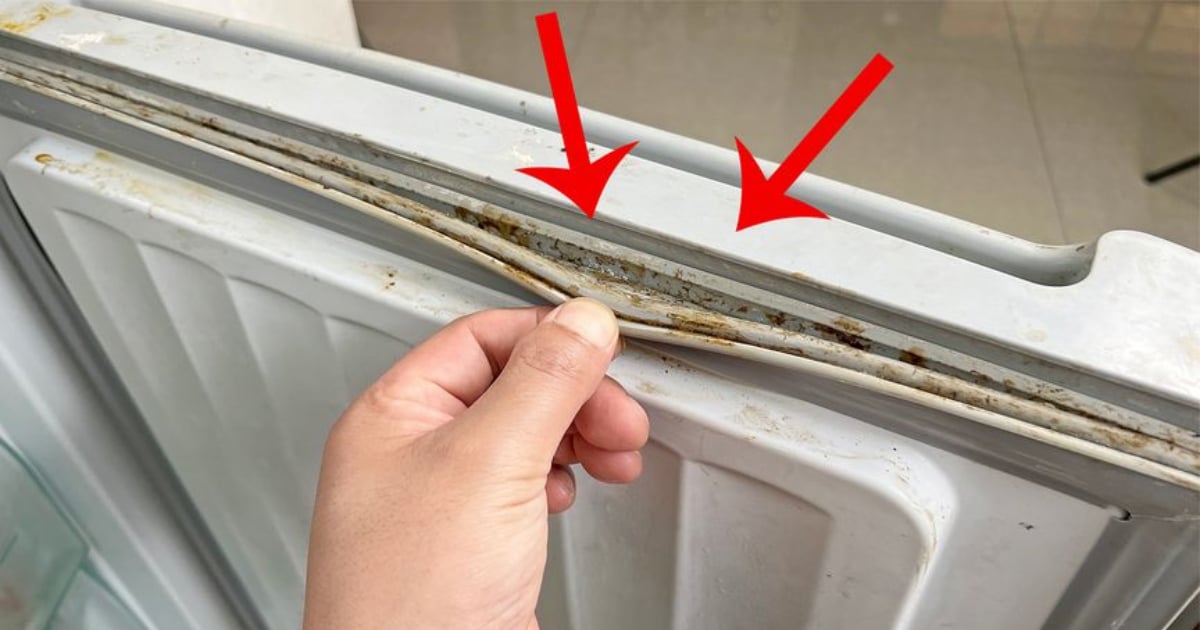
After a period of use, refrigerator door seals (gaskets) often develop black mold, which not only looks unpleasant but can also affect hygiene and food safety. If you notice mold forming on your fridge seals, try the cleaning methods below to remove it quickly and effectively.
There are several reasons why refrigerator gaskets become moldy. Food spills, moisture buildup, dust, and infrequent cleaning all create an ideal environment for mold growth. Because door seals are made of rubber and have narrow grooves, they easily trap dirt and moisture, allowing mold to spread over time if left untreated.
Mix water and white vinegar in a 1:5 ratio. You may also add a small amount of dishwashing liquid if desired.
Dip an old toothbrush into the solution and scrub the refrigerator seals thoroughly, focusing on areas with visible mold and dirt buildup. After scrubbing, use a dry cloth to wipe the seals clean and remove any remaining moisture.
Vinegar is effective at killing mold spores and neutralizing odors, making it a safe and affordable cleaning solution.
Baking soda can be mixed with vinegar or fresh lemon juice to create a powerful natural cleaning paste. To clean hard-to-reach grooves, wrap a cloth around a stiff card or plastic scraper, which helps reach deep into the rubber seal.
Soak the cloth in the mixture and wipe the entire gasket carefully. Once finished, use a soft, damp cloth to wipe the seals again, ensuring all residue is removed.
This method not only removes mold but also helps deodorize the refrigerator.
White alcohol (such as rubbing alcohol or rice wine alcohol) is another effective option due to its disinfecting and deodorizing properties.
Simply soak a cloth in alcohol and wipe down the entire refrigerator seal, paying special attention to moldy spots. Afterward, wipe again with a damp cloth to remove any remaining alcohol smell and residue.
For stubborn mold that has built up over a long period and is difficult to remove with household ingredients, consider using specialized mold-removal products designed for rubber surfaces.
Follow the instructions on the product packaging carefully. These cleaners are highly effective at removing deep-set mold from refrigerator door seals and restoring them to a cleaner condition.
Before cleaning, always unplug the refrigerator and remove all food items to make the process easier and safer. For foods that require refrigeration, prepare an insulated cooler with ice packs or ice cubes to keep them cold during cleaning.
This prevents food spoilage and allows you to clean thoroughly without rushing.
Food spills and leaks can cause stains and unpleasant odors if not cleaned promptly. Regular cleaning helps maintain hygiene and prevents mold from forming.
Adjust the refrigerator temperature based on how full it is. When storing large amounts of food, lower the temperature to ensure proper preservation. When the fridge is less full or food storage is short-term, slightly raise the temperature to save electricity.
Try to use food before it expires. Keeping expired or moldy food in the refrigerator contributes to bad odors, contamination, and health risks.
Store raw and cooked foods separately. Avoid mixing raw meat, vegetables, and ready-to-eat foods. Proper organization helps prevent cross-contamination, makes food easier to find, and keeps your refrigerator cleaner overall.