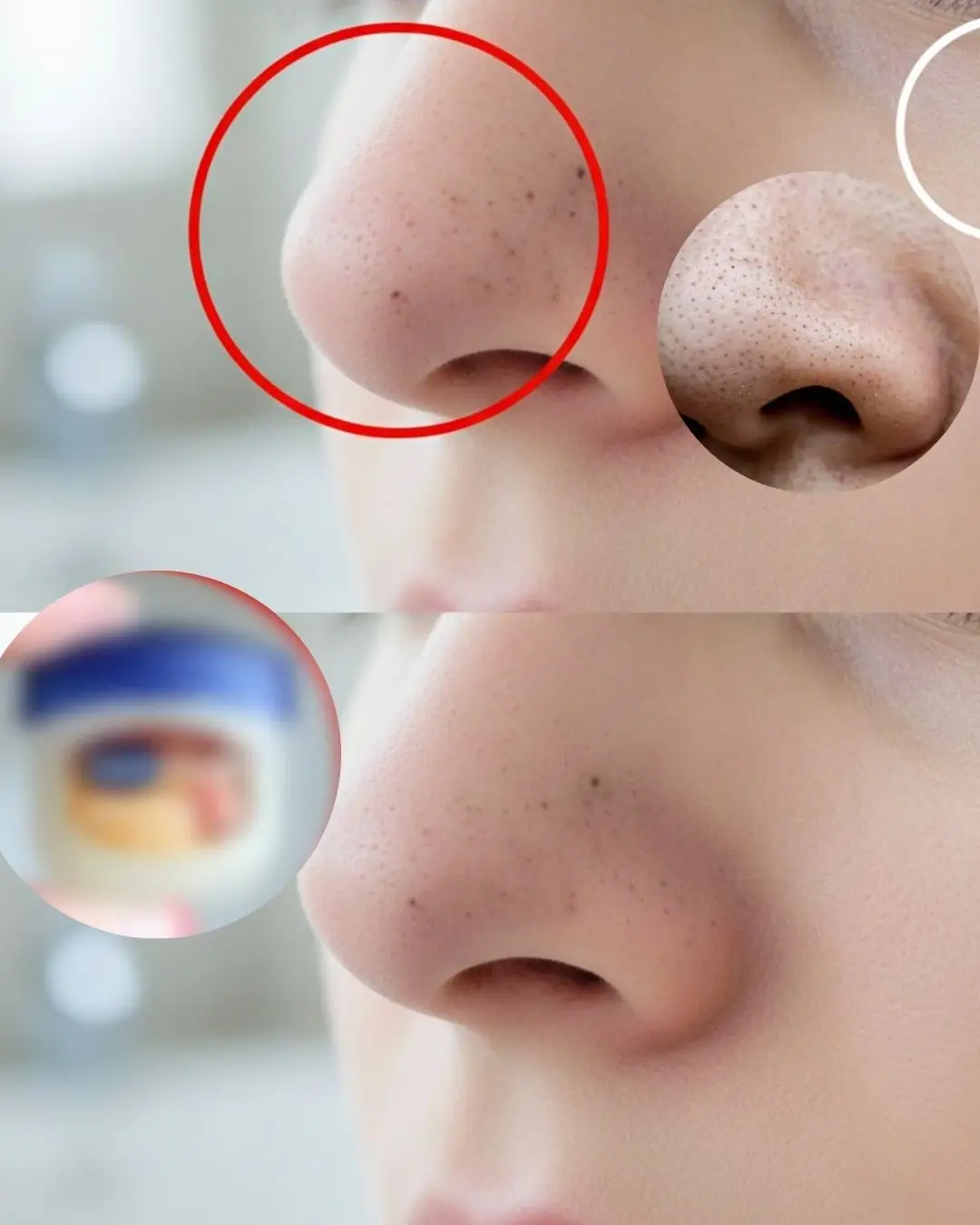
Remove Blackheads On Your Nose
Health 13/12/2025 08:41

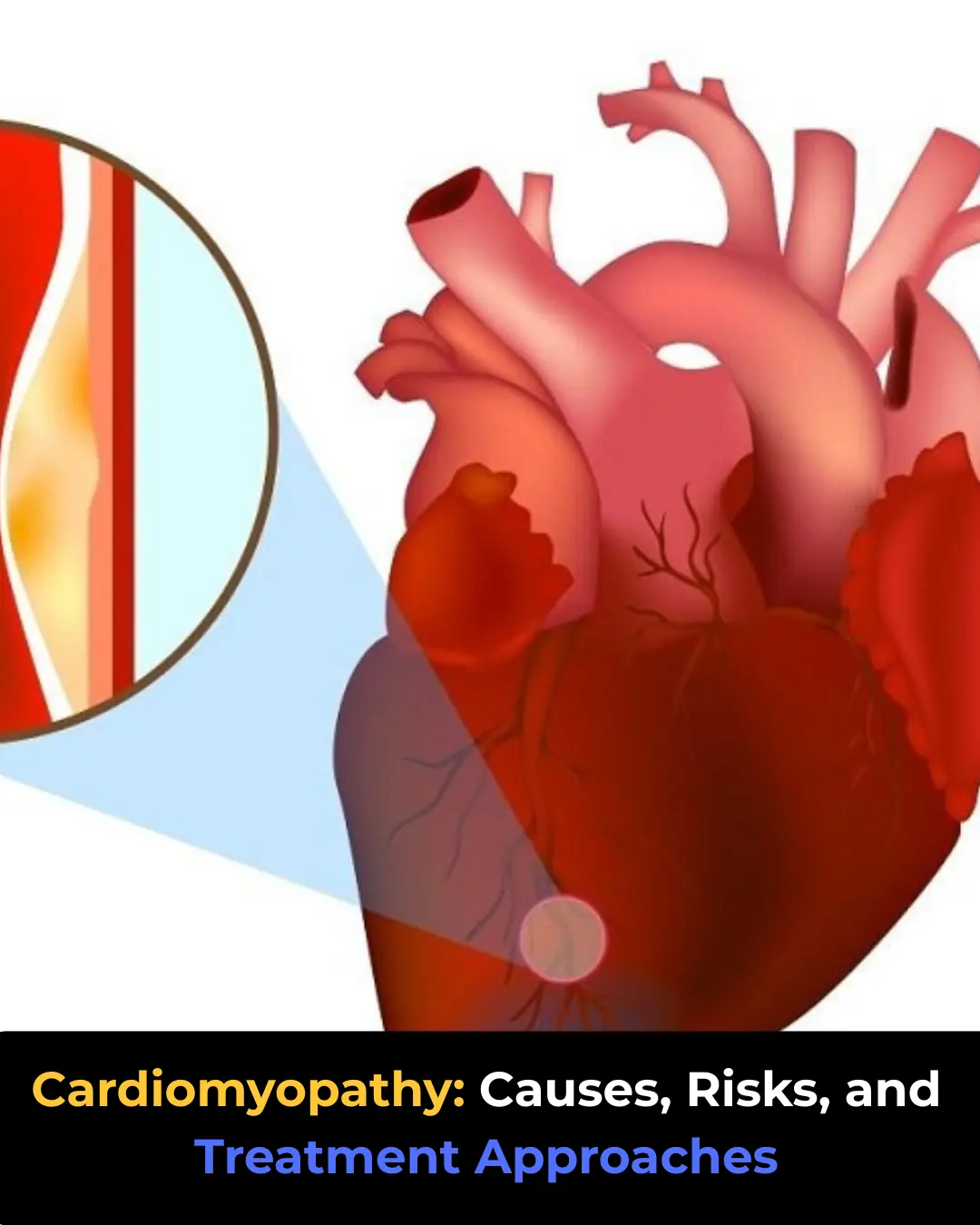
In a major step forward for regenerative medicine, scientists have discovered a powerful combination of proteins that could help repair heart damage after injury—potentially with just a simple injection. The research, led by Dr. Li Qian at the UNC School of Medicine and published in Cell Stem Cell, uncovers how two proteins—Ascl1 and Mef2c—can reprogram scar tissue into healthy, functioning heart muscle cells.
After a heart attack or in cases of chronic heart disease, the heart replaces damaged tissue with scar tissue. This scarring, caused by cells called fibroblasts, reduces the heart's ability to contract and pump blood effectively, often leading to heart failure.
For years, scientists have worked to find ways to convert fibroblasts into cardiomyocytes, the cells that make up real heart muscle. Until now, this process required a cocktail of three or more proteins—and the results were limited.
But this new study revealed a surprising shortcut. By adding the protein Ascl1, which was previously known only for helping create neurons, to the reprogramming process, researchers saw a dramatic improvement. When paired with the protein Mef2c, Ascl1 boosted the transformation of scar tissue into heart muscle by more than tenfold.
Even more impressive, the study found that Ascl1 and Mef2c alone were enough to reprogram the fibroblasts, eliminating the need for additional factors. This simplified two-protein combo could significantly reduce complexity and cost in future treatments.
What’s remarkable is that Ascl1 has never before been linked to heart tissue regeneration. It’s known for its role in creating brain cells, but in this study, when combined with Mef2c, it instead triggered heart-specific gene activation. This suggests that some proteins are more versatile than scientists once believed—and could be repurposed to treat different tissues throughout the body.
This discovery may have wider applications beyond heart disease. Since the reprogramming mechanism works at the cellular level, it could eventually be used to regenerate damaged tissue in the liver, lungs, kidneys, and even the brain. If researchers can develop a synthetic version of this protein duo, it might be possible to deliver them via injection directly to damaged organs—offering a non-invasive therapy for a wide range of conditions caused by scarring and tissue loss.
With heart failure affecting millions globally and currently having no cure, this breakthrough offers hope for a new class of regenerative treatments. Instead of relying on transplants or mechanical devices, doctors might one day help the body heal itself from within using targeted protein therapies.
The next step for the research team is to refine the treatment, test it in animal models, and eventually move toward clinical trials. If successful, this approach could revolutionize how we treat heart disease and other degenerative conditions.