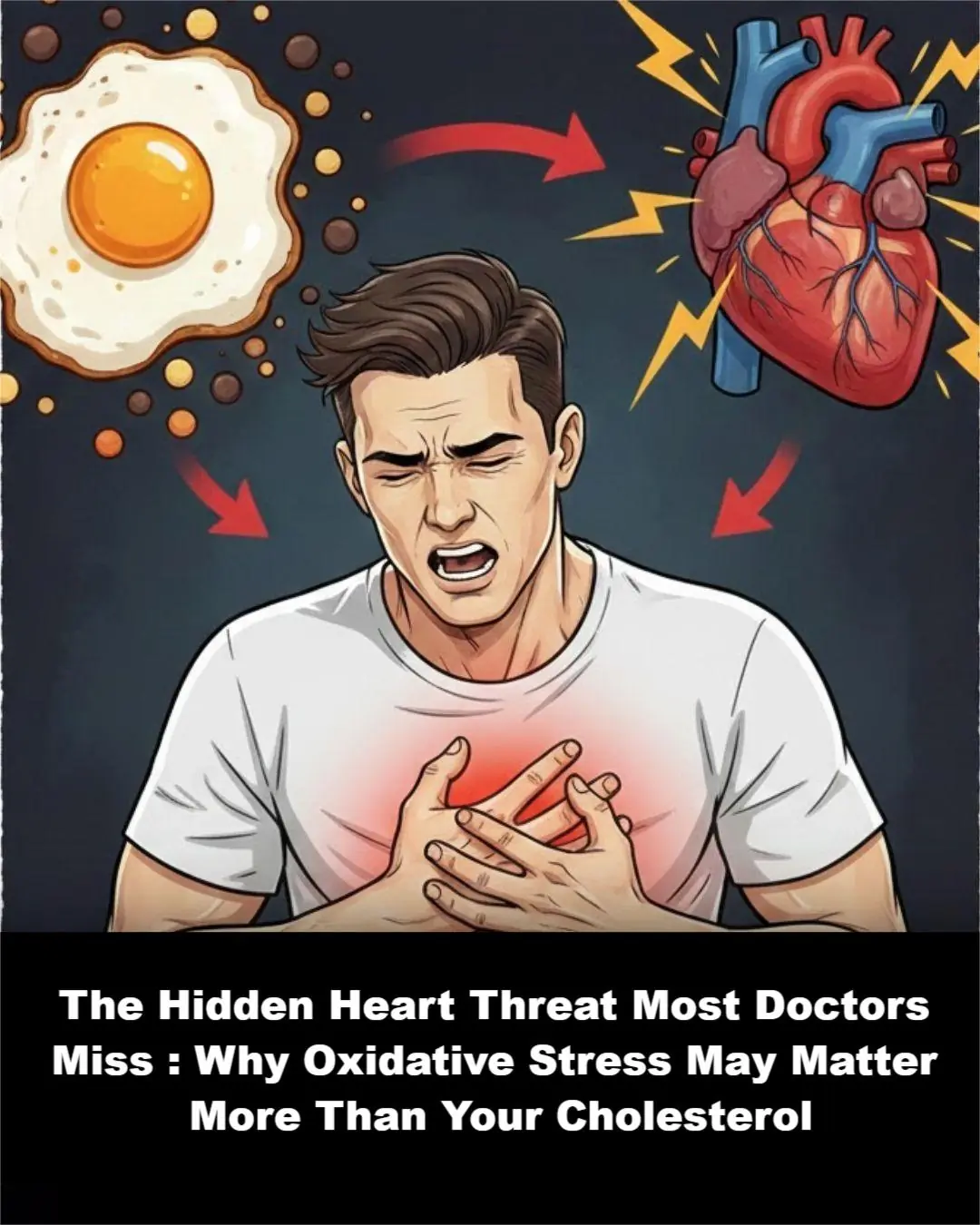
The Hidden Heart Threat Most Doctors Miss: Why Oxidative Stress May Matter More Than Your Cholesterol
Health 08/12/2025 10:20
Iron deficiency is one of the most common nutritional deficiencies worldwide, and it can significantly affect your daily energy and overall health. When your body lacks enough iron, you may frequently feel tired, low in energy, pale, lightheaded, or experience recurring headaches. Iron is essential for producing hemoglobin— a protein in red blood cells responsible for transporting oxygen throughout the body. Without sufficient iron, the body cannot make enough hemoglobin, leading to fatigue, shortness of breath, and potentially iron-deficiency anemia.
According to the World Health Organization (WHO), iron deficiency is the leading cause of anemia globally.
Iron deficiency can develop for several reasons: an inadequate intake of iron-rich foods, problems with iron absorption, or blood loss. Regardless of the cause, identifying the early signs and addressing them properly can prevent serious health impacts.
This article explains how to recognize iron deficiency, the underlying causes, how much iron your body needs, and evidence-based methods to naturally improve iron levels.
In many people, symptoms of iron deficiency can be mild or mistaken for stress or a busy lifestyle. According to Mayo Clinic and the American Society of Hematology (ASH), common symptoms include:
Pale or sallow skin
Persistent fatigue or weakness
Chest pain or a feeling of tightness
Rapid heartbeat
Shortness of breath
Cold hands and feet
Brittle nails
Loss of appetite
Swollen or sore tongue (glossitis)
If you suspect that you or your child may have iron deficiency, consult a healthcare provider for blood tests. Doctors commonly check serum ferritin, MCHC, RDW, MCH, hemoglobin, and hematocrit (Hct) levels. Additional tests may be ordered to rule out more serious causes, such as internal bleeding or chronic disease.
While anyone can develop iron deficiency, certain individuals are at higher risk. Common causes include:
Your body requires a steady supply of iron from food to maintain healthy blood production. A diet too low in iron—especially over a long period—can lead to deficiency and anemia.
According to the UK National Health Service (NHS), women who experience heavy menstrual cycles have a significantly higher risk of iron deficiency because they lose more red blood cells than the body can replace.
During pregnancy, both the mother and fetus require increased iron to support blood volume expansion and oxygen transport. The NHS notes that iron deficiency is common in pregnancy if iron needs are not met through diet or supplements.
Conditions such as gastric ulcers, gastrointestinal bleeding, inflammatory bowel disease, and cancers of the digestive tract can cause chronic blood loss.
Hematologist Dr. Todd Gersten explains that long-term use of NSAIDs such as ibuprofen or aspirin can also irritate the stomach lining and cause bleeding, contributing to iron loss.
Even with adequate dietary intake, certain conditions can impair iron absorption. These include:
Celiac disease
Crohn’s disease or ulcerative colitis
Esophagitis or gastric inflammation
Certain intestinal surgeries
People following strict vegetarian or vegan diets may also need to pay closer attention to iron absorption.
The U.S. National Institutes of Health (NIH) provides the following Recommended Dietary Allowances (RDA):
Infants (7–12 months): 11 mg
Children (1–13 years): 7–10 mg
Women (14–50 years): 15–18 mg
Pregnant women: 27 mg
Men (14–50 years): 8–11 mg
Adults over 50: 8 mg
Meeting these requirements is essential for maintaining healthy energy levels and preventing anemia.
Some people consume enough iron yet still develop deficiencies because their bodies cannot absorb it well.
According to WebMD and Harvard Health Publishing, consuming foods rich in vitamin C significantly enhances the absorption of non-heme iron (the type found in plant foods). Good sources include:
Broccoli
Bell peppers
Citrus fruits
Leafy greens
Certain foods or compounds can interfere with iron absorption if consumed in large amounts or at the same time as iron-rich meals. Mayo Clinic highlights several examples:
Calcium-rich foods (milk, cheese, yogurt)
Fiber-rich foods
Eggs
Spinach (high in oxalic acid)
Whole grains (contain phytic acid)
Tea, coffee, and chocolate (high in polyphenols)
Research shows that phytates in grains can bind to iron and reduce absorption, while polyphenols in tea and coffee significantly lower iron uptake when consumed with meals. It’s best to consume these drinks between meals rather than with food.
Iron comes in two forms:
Heme iron (highly absorbable)
Found in animal products
Non-heme iron (less easily absorbed)
Found in plant-based foods
(WebMD, NIH)
Beef
Chicken liver
Shellfish such as clams, mussels, or oysters
Sardines canned in oil
Turkey, fish, and veal (moderate amounts)
(WebMD, American Journal of Clinical Nutrition)
Cooked beans
Kale
Pumpkin or sesame seeds
Dried apricots
Baked potatoes
Split peas
Nuts
Brown rice
Whole-grain bread
Broccoli
Studies in the American Journal of Clinical Nutrition show that pairing non-heme iron with vitamin C can increase iron absorption by up to 7 times.
Many cereals, breads, and plant-based foods are fortified with iron. A review in the journal Nutrients found that iron fortification programs significantly reduced iron-deficiency anemia in populations, especially among children.
Cooking in cast-iron pans can increase the iron content of food.
Research published by the British Nutrition Foundation found that foods prepared in cast-iron cookware had significantly higher iron levels and helped raise hemoglobin in individuals with iron deficiency.
Iron supplements can be beneficial but should only be taken with guidance from a medical professional.
According to PubMed Health and the Cleveland Clinic, iron supplements help:
Pregnant women
Individuals with heavy menstrual bleeding
People diagnosed with iron-deficiency anemia
Common side effects include constipation, dark stools, nausea, and stomach discomfort. Some individuals use intermittent (non-daily) dosing to reduce side effects, though this may be less effective than daily supplementation.
Vitamin B12 deficiency can also lead to anemia.
According to WebMD and Harvard Medical School, low B12 levels can cause:
Nerve damage
Memory issues
Cognitive problems
Fatigue and weakness
Good dietary sources of B12 include:
Beef liver
Clams
Rainbow trout
Chicken breast
B12-fortified cereals
Iron deficiency is a common but manageable condition. By recognizing the symptoms early, identifying the underlying cause, improving dietary choices, and using supplements when medically advised, you can optimize your iron levels and prevent iron-deficiency anemia. Maintaining healthy iron levels not only improves your energy but also supports overall immune function, cognitive health, and long-term wellness.