It does not always arrive through one dramatic crisis. More often, it grows through dozens of small demands. A child needs a snack. Another cannot find a shoe. Someone is crying because the blue cup is dirty. The line at the doctor’s office is longer than expected. The diaper bag is missing wipes. Dinner is finished, but someone suddenly wants a second meal. A carefully planned family outing becomes a collection of tired faces, sharp voices, and people insisting they are still having fun.
By the end of the day, everyone may be physically safe, yet no one feels peaceful.
Many mothers know this kind of survival mode. Grandmothers can know it too.
A grandmother may not be raising her grandchildren full-time, but the hours she spends caring for them still require energy, planning, and emotional patience. She may be older, more experienced, and less easily surprised than she once was, yet her body may also tire more quickly. Her knees may ache after too much standing. Noise may feel more overwhelming. Interrupted meals, rushed decisions, and public meltdowns may take more out of her than they did years ago.
She loves her grandchildren deeply.
That does not mean she has unlimited capacity.
For many women over sixty-five, grandmotherhood carries an unspoken pressure to make every visit special. Grandma is expected to have treats, activities, patience, and time. She may feel that saying no will make her seem cold. She may believe she must keep the kitchen open, continue an outing that is clearly failing, or solve every problem immediately so the children remain happy.
But love is not measured by how completely a grandmother exhausts herself.
A peaceful home does not come from meeting every demand.
It comes from knowing which decisions can wait, preparing for predictable trouble, reducing repeated work, creating reasonable boundaries, and changing the plan when the plan is no longer serving the people inside it.
That is why this Grandma follows five rules that may seem unusual to other families.
No important decisions after dinner.
Waiting time always gets a plan.
One bag stays packed.
The kitchen closes after dinner.
If the plan is making everyone miserable, the plan changes.
These rules are not about controlling grandchildren or removing every inconvenience. They are not a promise that no one will ever cry, become bored, or feel disappointed. They are simple structures designed to protect everyone from preventable chaos.
Children need boundaries.
Grandparents need boundaries too.
A grandmother who protects her energy is not loving less. She is making it more possible to remain patient, present, and emotionally available.
The goal is not to create a home where every moment looks perfect.
The goal is to create one where the adults do not have to live at the edge of exhaustion.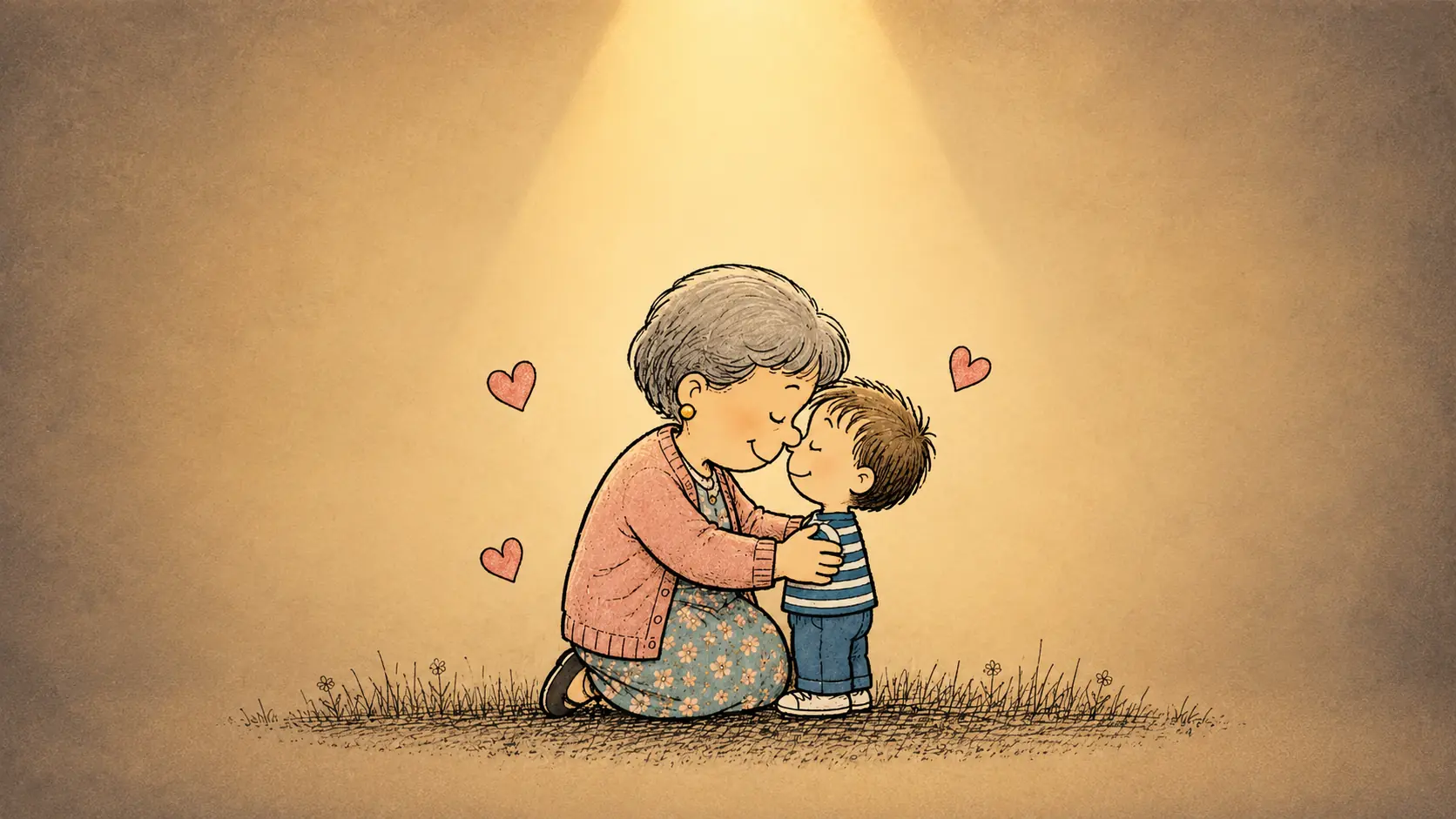
1. No Important Decisions After Dinner
If it can wait until tomorrow, it waits.
This rule may sound strange because many families use the evening to solve problems. Dinner is often the first time everyone is in the same place. A child suddenly remembers something needed for school. Plans for the next day have not been settled. Someone asks for permission to attend an event. A family disagreement that began earlier returns to the table.
The instinct is to decide everything immediately.
But tired people rarely make their best decisions.
After dinner, a grandmother’s energy may already be low. She may have spent the day preparing food, cleaning, driving, listening, correcting, comforting, and responding. The grandchildren may also be tired, even if their bodies still appear active.
Fatigue changes the emotional atmosphere.
A small question can feel urgent.
A reasonable limit can sound like rejection.
A child who would normally accept an answer may argue. Grandma may respond more sharply than she intended. A five-minute discussion becomes a thirty-minute conflict simply because everyone is running on an empty emotional tank.
The rule “No important decisions after dinner” protects the family from confusing exhaustion with truth.
It says, “We do not have to solve everything tonight.”
Why Evening Decisions Often Go Wrong
Adults sometimes assume that because a child is awake, the child is capable of a thoughtful conversation.
That is not always true.
Children often become more emotional when tired. Their frustration tolerance drops. They may ask for things impulsively, change their minds, or treat a delayed answer as a crisis.
Grandma’s patience may also be thinner.
A request that would seem manageable at ten in the morning may feel impossible at eight at night.
For example, an older grandchild might ask, “Can my friend stay over this weekend?”
Grandma may immediately worry about food, sleeping arrangements, transportation, and whether the parents have agreed. If she answers while exhausted, she may say no too quickly and create hurt. Or she may say yes simply to end the conversation and regret it the next morning.
A wiser response is, “That deserves a thoughtful answer. We will talk about it tomorrow.”
This is not avoidance.
It is emotional discipline.
Good decisions require enough energy to consider consequences, communicate clearly, and listen to the other person.
Waiting Is Not the Same as Ignoring
Children can feel anxious when adults delay answers without explanation.
If Grandma says, “Not now,” and never returns to the subject, the child learns that waiting means being dismissed.
The rule works only when Grandma keeps her promise.
She might say, “We will talk about this after breakfast tomorrow.”
Then she should bring it up.
“Last night you asked about your friend staying over. Let us talk about it now.”
This teaches that delayed decisions can still be dependable.
The child learns patience without losing trust.
What Can Wait Until Morning
Not every issue should be delayed.
Safety concerns, medical problems, urgent school needs, or serious emotional disclosures require attention.
If a child says they are afraid, unsafe, being bullied, or deeply distressed, Grandma should listen even if it is late.
But many topics can wait:
Requests for special outings.
Arguments over future plans.
Decisions about new purchases.
Family schedule changes.
Long discussions about behavior that has already stopped.
Negotiations over privileges.
Complicated conversations that everyone is too tired to handle well.
Grandma can ask herself, “Does this require action tonight, or does it merely feel urgent because someone wants an answer?”
That question can prevent many unnecessary conflicts.
Tired Adults Sometimes Confuse Control With Leadership
When a grandmother is depleted, she may become more controlling.
She wants the child to stop asking, stop moving, stop arguing, and simply comply. This is understandable. Her nervous system is asking for quiet.
But leadership does not require making every decision immediately.
A strong adult can say, “I am too tired to give this the attention it deserves.”
That is honest.
It also models self-awareness.
Children benefit from seeing that wise people do not make important decisions while emotionally exhausted.
One day, the grandchild may face an argument with a spouse, a financial choice, or a difficult work decision late at night. They may remember Grandma’s rule.
“If it can wait until morning, let it wait.”
That habit can protect adult relationships too.
Evening Is for Closing, Not Opening
A calm household needs a sense of ending.
After dinner, the family should gradually move toward quieter activities, cleanup, bathing, pajamas, or rest. Beginning a major discussion at that time keeps everyone emotionally activated.
Grandma can create a phrase that signals the transition.
“We are not opening new problems tonight.”
Or:
“That is a tomorrow question.”
The words may even become a lighthearted family saying.
The child learns that the day has boundaries.
Not every thought requires immediate action.
Not every request deserves an instant answer.
How This Rule Protects Grandma’s Relationship With Her Grandchildren
Grandmothers sometimes say things they regret when tired.
“You are being impossible.”
“I cannot deal with you.”
“Why do you always do this?”
The words often come from exhaustion rather than the grandmother’s true view of the child. But children remember how they were spoken to.
By postponing nonessential decisions, Grandma reduces the number of conversations likely to end in anger.
She protects not only her energy, but the emotional tone of the relationship.
The question can wait.
The child’s sense of safety matters more.
2. Waiting Time Always Gets a Plan
Snacks, small toys, a book, drawing materials, or the Pok Pok app.
Waiting may be unavoidable.
Chaos is not always unavoidable.
Children experience time differently from adults. Ten minutes in a quiet waiting room can feel endless. A delayed restaurant table, long checkout line, doctor’s appointment, airport wait, or older sibling’s event may ask more patience than a young child currently has.
Adults often know in advance that waiting is likely.
Yet many families enter these situations with no preparation and then become angry when the child behaves like a child.
Grandma’s rule is simple: waiting time gets a plan.
Not an elaborate schedule.
Not a bag full of expensive entertainment.
Just enough preparation to reduce predictable stress.
Boredom Is Not an Emergency, but Capacity Matters
Children should learn to tolerate boredom.
They do not need constant entertainment. Waiting can build patience, observation, imagination, and self-control.
But there is a difference between allowing manageable boredom and expecting a young child to sit quietly for an unknown amount of time with nothing to do.
A toddler waiting ten minutes may need help.
A preschooler in a long medical office visit may need a snack and a quiet activity.
An older child may handle more independence but still benefit from knowing how long the wait might be.
Grandma’s job is not to eliminate every second of boredom.
It is to prepare according to the child’s age, temperament, and the demands of the situation.
Snacks Are Not Bribes
Hunger can transform a manageable wait into a disaster.
Children may not recognize or communicate hunger clearly. Instead, they become irritable, loud, tearful, or impulsive.
A small snack can prevent the body from reaching that point.
This does not mean feeding constantly or using food to silence every emotion.
It means recognizing that physical needs affect behavior.
Grandma can pack simple foods that are easy to manage: crackers, fruit, a sandwich, or another family-approved option.
She should also bring water.
Older adults know how uncomfortable waiting feels when blood sugar is low or medication schedules are involved. Children are no different.
Preparation is not indulgence.
It is practical care.
Small Toys Work Because They Are Familiar
A waiting-time toy does not have to be new.
In fact, a familiar object can be more regulating than an exciting surprise.
A small car.
A doll.
A few figures.
A simple puzzle.
A notebook and crayons.
A quiet sensory toy.
The goal is not to impress the child. It is to give their hands and attention somewhere appropriate to go.
Grandma can rotate a few objects so they remain interesting.
The waiting kit should stay small enough that managing it does not become another burden.
Using the Pok Pok App Intentionally
A calm, open-ended digital activity can be useful during long waits, especially after other options have been tried or when the environment requires the child to remain relatively quiet.
The key is intention.
Grandma is not handing over a device the moment the child shows discomfort.
She is deciding, “This wait is longer than expected. The child has already eaten, talked, and played with the small toy. A quieter digital reset may help.”
Used this way, the app becomes one tool rather than the only tool.
Grandma can sit beside the child, ask what they are creating, and make the experience relational.
She can also set an ending.
“We will use this while we wait, and when the doctor calls us, the tablet goes away.”
Predictability makes the transition easier.
Tell Children What the Waiting Will Look Like
Uncertainty often makes waiting harder.
A child may repeatedly ask, “How long?” because they do not understand what is happening.
Grandma can explain the sequence.
“First we check in. Then we sit. They will call our name. After the appointment, we go home.”
If the wait becomes longer, she can update them.
“We are still waiting. I know it is taking a long time.”
Acknowledgment matters.
Adults sometimes become irritated by repeated questions without realizing the child is seeking orientation, not trying to annoy them.
Give the Child a Role
Children often cooperate better when they feel involved.
Grandma might ask the child to hold the appointment card, watch for the family name, count chairs, find certain colors, or help choose which waiting activity comes first.
A role transforms the child from a passive person being dragged through the adult’s schedule into a participant.
“Can you help me listen for our name?”
This small responsibility can create focus.
Grandma Also Needs a Waiting Plan
Grandparents should prepare for their own comfort too.
Medication.
Water.
A light sweater.
A seat when possible.
Reading glasses.
A charger.
A list of important information.
A grandmother who is physically uncomfortable will have less patience to support the child.
Self-care is part of family preparation.
She is allowed to plan for herself.
When the Plan Fails
A snack spills.
The toy is rejected.
The device battery dies.
The child still has a meltdown.
Preparation reduces risk. It does not guarantee perfection.
Grandma should not treat the failed plan as proof that the child is ungrateful.
She can say, “This wait has become too hard.”
If possible, she may take a short walk, step outside, ask for an updated time, or change the environment.
Sometimes the best plan is to leave and try again another day.
Peace is not achieved by forcing a child to endure beyond capacity merely because Grandma packed snacks.
3. One Bag Stays Packed
Wipes, snacks, water, backup clothes, tissues, basic first-aid items, and one or two small things that can prevent a meltdown.
If Grandma must rebuild the bag before every outing, the outing begins with stress.
This rule may sound simple, but it protects enormous amounts of mental energy.
Many women spend years carrying what experts now call the mental load: remembering what everyone needs, what might happen, what is missing, and what must be prepared.
The physical task of packing is not always difficult.
The repeated thinking is exhausting.
Do we have wipes?
Did I replace the snack?
Where is the spare shirt?
Does the child need medication?
Is the tablet charged?
What happened to the small toy?
A permanently packed bag reduces these questions.
Preparation Creates Freedom
Some people believe planning makes life rigid.
Often, basic preparation creates more flexibility.
When the bag is ready, Grandma can say yes to the park without beginning a thirty-minute search. She can leave for an appointment without wondering whether one accident will ruin the day.
The packed bag does not control the outing.
It supports it.
A child’s needs can change quickly. A spilled drink, bathroom accident, sudden hunger, scraped knee, or cold room can turn an ordinary trip into a crisis when no basic supplies are available.
One backup shirt may preserve the entire afternoon.
One snack may prevent a hungry meltdown.
One familiar object may help a child settle in an unfamiliar place.
Keep the Bag Realistic
Grandma does not need to carry the entire house.
An overpacked bag becomes heavy, disorganized, and difficult for an older adult to manage.
The contents should match the child’s age and common needs.
For younger grandchildren:
Wipes.
A backup outfit.
Simple snacks.
Water.
Tissues.
A small plastic bag for wet clothing.
One comfort or play item.
For older children:
Water.
A snack.
Tissues.
A charger.
A small activity.
Any necessary medication managed according to family instructions.
The goal is not preparing for every possible disaster.
It is reducing the most predictable problems.
Restock Immediately After Returning
The rule works only if the bag remains ready.
When Grandma returns home, she removes trash, replaces used items, charges devices if needed, and puts the bag back in its assigned place.
This may take five minutes.
Waiting until the next outing turns it into a larger task.
The habit says, “Future Grandma deserves help from present Grandma.”
This is an important form of self-respect.
Older women often spend their lives preparing for everyone else while ignoring their own future ease.
A small reset after the outing is a gift to the next day.
Create a Home for the Bag
The bag should always live in the same place.
Near the door.
On a designated hook.
Inside a hall closet.
The family should know where it belongs.
Searching for the prepared bag defeats its purpose.
A consistent location also allows other adults to help.
Grandpa, a parent, or an older grandchild can grab it without asking Grandma where everything is.
Shared systems reduce one person’s mental burden.
Children Can Help Maintain It
As grandchildren grow, they can participate.
A young child can put the small toy back.
An older child can refill a water bottle, check for a snack, or remember their own sweater.
Grandma can say, “This is our going-out bag. What do we need to replace?”
This teaches responsibility.
The bag should not remain invisible labor performed entirely by Grandma forever.
The “Random Thing” That Prevents a Meltdown
Every family eventually discovers one surprising item that helps.
A particular small figure.
A favorite fidget.
A certain book.
Headphones.
A soft cloth.
A sticker pad.
The item may seem unimportant to adults.
To the child, it may offer familiarity during transition.
Grandma should not mock the comfort object or use it as a threat.
“If you do not behave, I will take it away.”
Removing a regulation tool during stress may make the behavior worse.
Reasonable limits still matter, but comfort items should be treated with respect.
Preparation Should Not Become Anxiety
There is a danger in trying to plan for everything.
Grandma may become afraid to leave home unless the bag is perfect. She may imagine every possible accident and turn preparation into another source of stress.
The purpose of the packed bag is confidence, not fear.
It says, “We have enough to handle ordinary problems.”
It does not say, “Nothing unexpected is allowed to happen.”
Unexpected things will happen.
Grandma’s experience and flexibility matter more than any object in the bag.
4. The Kitchen Closes After Dinner
Dinner is finished.
The main cleanup is done.
Grandma is off duty.
This is a home, not a twenty-four-hour diner.
For many grandmothers, this may be the hardest rule.
Feeding people is one of the most traditional ways women express love. A grandmother may feel useful when preparing food. She may enjoy seeing grandchildren eat and worry that setting limits will make her seem ungenerous.
Children also learn quickly that Grandma’s kitchen may be more flexible than home.
They ask for another sandwich.
A different snack.
Dessert after refusing dinner.
A separate meal because the first one was not preferred.
If Grandma responds to every request, the kitchen never truly closes.
She remains mentally and physically on duty long after everyone else has moved on.
Love Does Not Require Endless Service
A grandmother can be warm and generous without becoming the family’s permanent food employee.
She can prepare dinner with care and still say, “The kitchen is closed.”
This protects her body, time, and sense of dignity.
Many older women grew up believing that a good mother or grandmother never sits while someone might want something.
They cooked after everyone else had eaten.
They cleaned while others relaxed.
They treated exhaustion as evidence of devotion.
But a family should not require one person’s depletion in order to feel loved.
Children can learn that Grandma also deserves rest.
Make the Rule Predictable
Children are more likely to accept a closed kitchen when they know the routine in advance.
Grandma can say:
“Dinner is at six. After cleanup, the kitchen closes.”
For younger children, she may offer one simple bedtime option if this fits the family’s routine, such as a banana, yogurt, or another parent-approved choice.
The option should be predictable, not a new meal negotiated every night.
“If you are hungry later, you may choose this one snack.”
This addresses genuine hunger without reopening full food service.
Hunger and Preference Are Not the Same
A child may say, “I am hungry,” after refusing dinner.
Sometimes they are genuinely hungry.
Sometimes they disliked the meal and hope a more appealing option will appear.
Grandma does not need to argue about whether the hunger is real.
She can keep the boundary simple.
“You may eat the food that was saved, or choose the standard bedtime snack.”
She does not begin cooking a custom meal.
This teaches that hunger can be addressed without placing the entire household under new demands.
Avoid Food Battles
The closed-kitchen rule should not become punishment.
“You refused dinner, so now you deserve to be hungry” creates shame and power struggles.
Grandma can remain neutral.
“Dinner is finished. These are the available choices.”
The child decides whether to eat.
The adult decides what is available.
This protects both the child’s body cues and Grandma’s boundary.
Children Can Help Close the Kitchen
The kitchen closing can become a family routine.
Dishes go to the sink.
Leftovers are stored.
The table is wiped.
Water is available.
The lights are lowered.
Even young children can help carry napkins or place cups near the sink.
The routine communicates that the household is moving into rest.
Grandma is not disappearing.
She is changing roles.
The family may now read, talk, watch something, or settle for the evening without creating more work around food.
The Emotional Meaning of Grandma Sitting Down
Children need to see women rest.
A granddaughter should not learn that love means constant service.
A grandson should not learn that women remain available to meet every comfort at any hour.
When Grandma sits after dinner, she models that caregivers are human beings with limits.
She may say, “I cooked, we ate, and now I am resting.”
There is no apology.
This is healthy.
Exceptions Do Not Destroy the Rule
A sick child may need food at an unusual time.
Travel may disrupt the schedule.
A special family evening may include popcorn or dessert later.
The rule can bend without disappearing.
The difference is whether Grandma chooses the exception or feels pressured into endless service.
Healthy boundaries are flexible, not fragile.
Why This Rule Improves the Relationship
Resentment grows when people give beyond their capacity.
A grandmother may continue serving while becoming increasingly irritated. Eventually, the frustration appears in her tone.
“Why are you asking me for more?”
“I have been working all day.”
The child receives both the food and the emotional message that their needs are burdensome.
A clear kitchen boundary prevents this pattern.
Grandma can say no before resentment takes over.
The relationship remains warmer because the expectation is honest.
5. If the Plan Is Making Everyone Miserable, the Plan Changes
Families sometimes continue bad plans because they have invested time, money, or pride in them.
The tickets were purchased.
The picnic was packed.
The grandchildren were told it would be fun.
Photographs were imagined.
Other families seem able to enjoy these activities.
So even when the child is crying, Grandma is exhausted, someone is hungry, and no one appears happy, the adults keep going.
“We came all this way.”
“You are going to enjoy this.”
“Stop ruining the day.”
The family begins performing fun instead of experiencing it.
Grandma’s rule says peace matters more than proving the plan was good.
If the outing is making everyone miserable, the plan can change.
Changing the Plan Is Not Failure
Adults sometimes treat flexibility as weakness.
They worry that leaving teaches children they can escape any situation by complaining.
This is a valid concern. Children should not learn that one moment of discomfort controls the entire family.
But there is a difference between ordinary disappointment and a plan that has truly stopped working.
Grandma can ask:
Is the child briefly frustrated, or completely overwhelmed?
Can a snack, rest, or short break help?
Is the environment unsafe, too crowded, too loud, or too hot?
Is Grandma physically exhausted?
Has the purpose of the outing been lost?
If everyone’s capacity is gone, continuing may teach nothing except that adults value the schedule more than people.
Try a Reset Before Abandoning the Plan
Flexibility does not always mean going home immediately.
The family might:
Find a quieter place.
Eat the packed snack.
Take a bathroom break.
Sit for ten minutes.
Shorten the activity.
Skip one part of the schedule.
Let a tired child rest in the stroller.
Grandma can say, “This is not working well. Let us pause and make a new plan.”
That sentence models problem-solving.
The child sees that plans are tools, not masters.
Do Not Force a “Fun Day”
Children cannot be commanded into joy.
The more an adult insists, “You should be having fun,” the more disconnected the child may feel from their actual experience.
A child can be grateful and still overwhelmed.
They can love Grandma and still dislike the activity.
They can have looked forward to something and then discover they do not enjoy it.
Adults experience this too.
The mature response is not always endurance.
Sometimes it is adjustment.
Money Already Spent Can Make Adults Stubborn
Grandma may think, “I paid for these tickets. We are staying.”
The financial loss feels painful.
But the money is already spent whether the family remains miserable or chooses a better ending.
Staying may add emotional cost to the financial cost.
This does not mean money should be treated casually.
Children can be told honestly, “We spent money on this, so we will try a short break before deciding.”
But if the situation remains unbearable, leaving may still be the wiser choice.
Peace has value too.
Protect the Child From Public Shame
When plans fail in public, adults may feel watched.
A child melts down in a museum, restaurant, or family event. Grandma notices other people looking and becomes more concerned with appearances than with the child.
She may whisper harshly, threaten, or drag the child through the activity to prove control.
But strangers’ opinions should not determine how the family handles distress.
Grandma can focus on what the child and she actually need.
“We are stepping outside.”
“We will try again another day.”
This is not surrendering to judgment.
It is refusing to perform for it.
Changing the Plan Can Preserve the Memory
A failed outing does not have to become a disastrous family story.
Suppose the grandchildren become overwhelmed at a crowded festival. Grandma chooses to leave early, pick up simple food, and eat at home.
Years later, the child may remember not the missed festival, but the laughter around Grandma’s table after everyone relaxed.
The changed plan may become the better memory.
Peace Is the Goal, Not Performance
Modern families often feel pressure to create visible memories.
Photographs.
Special outings.
Seasonal activities.
Perfect celebrations.
The event can begin to matter more than the emotional experience.
Grandma’s wisdom offers a different standard.
Did the grandchildren feel safe?
Did the adults remain respectful?
Was anyone able to enjoy part of the time?
Did the relationship survive the disappointment without shame?
These questions matter more than whether the family completed every planned activity.
Flexibility Teaches Children to Adjust
Changing the plan thoughtfully does not create fragile children.
It can teach adaptive thinking.
“This did not work. What else could we do?”
“We cannot go to the playground because of rain. Should we build something inside or take a short drive?”
“The restaurant is too crowded. We will choose another place.”
Children learn that disappointment does not mean the entire day is ruined.
A new plan can be made.
That is resilience.
Why These Rules May Look Strange to Other People
Some relatives may think Grandma is too structured.
Others may think she is too flexible.
They may say:
“Children should learn to wait without entertainment.”
“Grandma should always feed them when they ask.”
“You cannot leave every time a child becomes upset.”
“We always made decisions whenever they came up.”
Different families have different values and capacities.
The purpose of these rules is not to prove one grandmother is better than another.
They are tools created from honest observation.
Grandma knows that late-night decisions increase conflict.
She knows unplanned waits are harder.
She knows repeated packing drains energy.
She knows endless kitchen service creates resentment.
She knows forcing a failed outing damages connection.
The rules are responses to reality.
A Household Should Work for the People Living in It
Families often copy routines that look good from the outside.
But a healthy household is not built for an audience.
It should fit the people inside it.
A grandmother with health limitations may need firmer rest boundaries.
A highly sensitive grandchild may need more preparation for outings.
A family with several young children may require a permanently packed bag.
A child with developmental or sensory differences may need a detailed waiting plan.
There is no prize for making life unnecessarily difficult.
Rules Can Be Loving
Some people hear the word “rule” and imagine harshness.
But loving rules reduce confusion.
They tell everyone what to expect.
Grandma is not deciding each evening whether she will cook again. The kitchen closes.
She is not arguing about major requests while exhausted. The decision waits.
She is not beginning every outing with a frantic search. The bag is ready.
Predictability creates calm.
Grandmotherhood Is Not a Test of Endless Endurance
A grandmother may believe that because time with her grandchildren is limited, she should tolerate anything.
She may ignore pain, fatigue, noise, mess, and disrespect because she does not want to lose closeness.
But relationships built on one person’s constant self-abandonment are not truly peaceful.
Grandchildren can learn to respect Grandma’s needs.
They can know that she rests after dinner.
They can help prepare for outings.
They can accept that a plan may change because Grandma is tired.
This does not make them feel less loved when the boundaries are warm and consistent.
It teaches mutual care.
Grandma Is a Person, Not a Service
She has a body.
A limited amount of energy.
Preferences.
Needs.
A right to sit down.
A right to say, “Not tonight.”
Children who learn this may become more considerate adults.
They see that caregivers deserve care too.
What Older Women Know About Survival Mode
Women over sixty-five often know what it means to survive a season.
They may have raised children with little money.
Worked while managing a household.
Cared for aging parents.
Supported a sick spouse.
Lived through grief, divorce, illness, or isolation.
They know that when life becomes only about getting through the day, tenderness can disappear.
Every task becomes urgent.
Every request feels like pressure.
The nervous system never fully rests.
That is why these rules are not trivial.
They interrupt the pattern before every visit with grandchildren becomes another season of endurance.
Grandma is allowed to seek joy rather than merely survive.
A Note for Grandparents Who Help Raise Grandchildren Full-Time
Some grandparents are not occasional caregivers.
They are raising grandchildren because of family crisis, addiction, death, incarceration, illness, military service, or other difficult circumstances.
For them, survival mode may be more than a phrase.
They may be carrying parenting responsibilities at an age when they expected a quieter life.
These rules can become even more important.
No decision-making after dinner protects an already exhausted mind.
A prepared waiting kit reduces public stress.
A ready bag reduces daily mental load.
A closed kitchen creates rest.
Flexible plans acknowledge that the family may already be carrying trauma and limited capacity.
Grandparents in this position deserve support, not judgment.
They need respite, community, financial guidance, healthcare, and practical assistance.
No set of household rules can replace real support.
But small systems can make an impossible season slightly more manageable.
A Note About the Parents
Grandma’s rules should not become a criticism of the children’s parents.
She may notice that the parents make different choices.
Perhaps their kitchen remains open later. Perhaps they prefer spontaneous outings. Perhaps they allow more evening discussion.
Grandma can explain, “At my house, this is how we do it.”
She does not need to say, “Your mother has no boundaries,” or “Your father does everything wrong.”
Children should not be placed between adult systems.
Grandparents and parents can share useful information.
“This snack helped during the appointment.”
“The child became very tired after dinner, so I delayed the decision.”
“The packed bag needs more wipes.”
Cooperation protects the child.
The Long-Term Lessons Hidden Inside These Rules
A child who sees decisions delayed until everyone is rested learns that urgency does not have to control life.
A child whose waiting time is thoughtfully prepared learns that needs can be anticipated.
A child who helps maintain a ready bag learns responsibility and organization.
A child who respects a closed kitchen learns that caregivers deserve rest and that not every desire receives immediate service.
A child who sees adults change a failing plan learns flexibility and emotional honesty.
These are not merely Grandma’s survival strategies.
They are life skills.
A Final Message From Grandma
My dear grandchild, you may have thought some of my rules were strange.
You may have wondered why I refused to answer an important question after dinner.
It was not because your question did not matter.
It was because it mattered enough for me to answer with a rested mind instead of an exhausted voice.
You may have noticed that I always carried snacks, wipes, a small toy, or something quiet for waiting.
It was not because I believed you should never feel bored.
I knew that waiting can be hard when you are young, hungry, tired, or unsure what comes next. I wanted to prepare rather than become angry at you for having needs I could have predicted.
You may have laughed at the bag that was always ready near the door.
That bag was my way of protecting our time together.
I did not want every outing to begin with searching, rushing, and frustration. I wanted us to leave with enough confidence to handle the ordinary messes of childhood.
You may not have liked it when the kitchen closed after dinner.
I hope one day you understand that Grandma needed rest too.
I loved feeding you, but I did not want my love to become resentment. I wanted you to see that a woman can care deeply for her family and still sit down when her work is done.
You may remember days when I changed the plan.
We left early.
Skipped something.
Went home.
Ate simple food instead of completing the perfect outing.
I did not change the plan because I was giving up on you.
I changed it because I was choosing us.
I cared more about how we treated one another than whether we finished every activity.
I wanted peace more than performance.
Perhaps these rules did not make every day calm.
You still cried.
I still became tired.
We still forgot things, disagreed, and had plans that fell apart.
But I hope the rules gave us a little more room to breathe.
I hope they helped me become the grandmother who could listen instead of snapping, sit beside you instead of rushing, and enjoy you instead of merely managing the day.
One day, you may build a home of your own.
The rules may look different.
But I hope you remember the lesson underneath mine.
You do not have to make important decisions when everyone is exhausted.
You are allowed to prepare for predictable difficulty.
You can create systems that make ordinary life easier.
Caregivers are allowed to rest.
And no plan is more important than the people living through it.
A peaceful home is not a home without boundaries.
It is a home where boundaries protect love from exhaustion.
That is all these strange rules were ever meant to do.
They helped Grandma remain present.
They helped our time together feel less like survival.
And they reminded us that peace—not perfection—was always the real goal.