When grandchildren are young, life feels full of objects. There are toys under the couch, crayons on the table, birthday packages waiting to be opened, tiny shoes near the door, and school papers held up proudly for everyone to see. A grandmother may spend hours choosing the right gifts, preparing favorite foods, planning holidays, or trying to make each visit feel special.
She wants her grandchildren to be happy.
She wants them to remember Grandma’s house as a place of warmth, comfort, laughter, and love.
But as the years pass, she begins to understand that children do not remember everything adults work so hard to provide. Toys break. Clothes are outgrown. Decorations return to boxes. Birthday cakes disappear within a day. Even photographs can lose their details as time moves forward.
What remains most clearly is how a child felt.
A grandchild may forget which gift came from Grandma on a particular Christmas, but remember looking into the audience and seeing her face. They may forget what they wore to a recital, but remember that Grandma asked afterward which part had made them nervous. They may not fully understand the prayers spoken over them as children, yet one day they may realize that someone carried their name faithfully before God. They may forget many ordinary visits, but remember that when life became difficult, Grandma did not disappear.
These memories do not always seem important while they are being made.
Showing up may feel like sitting on an uncomfortable folding chair for two hours to watch a grandchild appear onstage for three minutes.
Listening may mean hearing a story with so many side details that Grandma is no longer sure where it began.
Praying may happen privately, with no one there to notice.
Consistency may look like another phone call, another birthday card, another promise kept, or another quiet return after a disagreement.
There may be no applause for any of it.
Still, these acts become the foundation of emotional security.
They teach a grandchild:
“My life is worth someone’s time.”
“My voice is worth someone’s attention.”
“My future is worth someone’s prayers.”
“My mistakes and difficult seasons do not make love disappear.”
For readers over sixty-five, these truths often become clearer with age. Older adults know how quickly childhood ends. They understand that the years once filled with noise can become quiet sooner than expected. They know that life changes through graduation, marriage, moving, work, children, illness, and loss.
The grandchild who once called every day may become busy.
The child who once slept over at Grandma’s house may move hundreds of miles away.
The teenager who seemed distant may one day return as an adult and begin asking about family stories, recipes, old photographs, and memories they once ignored.
Grandparents do not always see the final result of what they give. Their influence may remain hidden for years. A child can seem ungrateful while quietly building an inner understanding of what dependable love feels like.
Then life gives them perspective.
They become parents.
They face heartbreak.
They experience grief.
They learn how difficult it is to keep promises when tired, to attend an event after a long workday, or to listen patiently when their own mind is full.
That is often when they begin to understand Grandma differently.
They realize that her presence was never ordinary.
Her listening was not effortless.
Her prayers were not empty words.
Her consistency was a choice she made again and again.
Grandchildren may not remember everything, but these four gifts often remain long after childhood fades.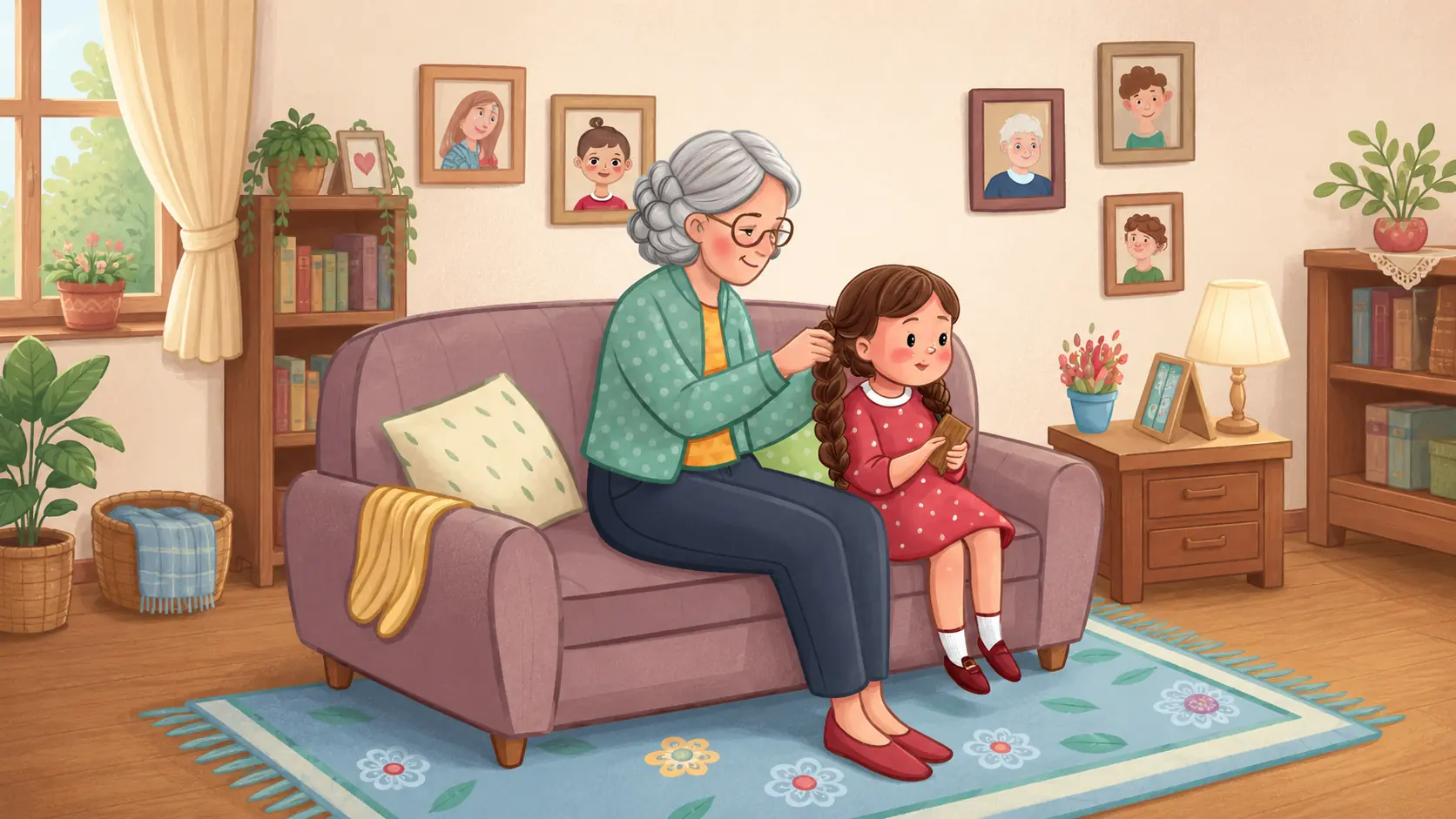
1. They Will Remember That You Showed Up
Children notice who comes.
They may not always show it. A young child may be distracted by friends, games, costumes, or birthday excitement. A teenager may act as though they do not care whether Grandma attends. They may offer only a quick wave from the stage or a brief hug before returning to their team.
But they notice.
Before a performance, many children scan the room. Their eyes move across rows of faces searching for the people who belong to them. A familiar face can change the way they stand. It can make them feel braver, steadier, and less alone.
When they see Grandma, the message is immediate:
“She came for me.”
This feeling may matter more than the performance itself.
Showing Up Tells a Child Their Life Is Worth Witnessing
Children live much of their lives inside small events adults may not consider important.
A school game may be one of many games.
A recital may include only a few minutes of the grandchild’s participation.
A classroom celebration may seem ordinary.
To the child, however, these events are part of their world. When Grandma attends, she communicates that what matters to the child matters to her.
She does not have to understand every rule of the sport.
She does not have to love the music, sit comfortably, or know every other family in the room.
Her presence says enough.
“I wanted to see you.”
“I am interested in your life.”
“You are not alone in this moment.”
Children Remember Presence More Than Performance
A grandparent should be careful not to make attendance feel dependent on success.
If Grandma appears only for championships, awards, and major achievements, the child may begin connecting attention with performance.
But showing up for the ordinary game, the uneven recital, or the event where the child struggles communicates something deeper.
“You do not have to win to deserve my presence.”
A grandchild who misses a shot may look toward the crowd with embarrassment. Grandma’s expression matters.
Does she look disappointed?
Does she shake her head?
Or does she remain warm and encouraging?
A simple sentence afterward can protect the memory:
“I loved watching you.”
This is different from evaluating technique or immediately explaining what the child should improve.
Children already receive plenty of correction from coaches, teachers, parents, and themselves.
Grandma can be the person who first communicates joy in witnessing them.
Showing Up During Failure Matters Even More
Celebrations attract people.
Pain reveals who stays.
A grandchild may fail a class, lose a friendship, experience rejection, make a serious mistake, or feel ashamed of a decision. During those moments, they may expect people to pull away.
A grandmother who remains emotionally present teaches that love is stronger than disappointment.
She does not need to excuse harmful behavior. She can support accountability while refusing to abandon the person.
She might say:
“What happened matters, and we need to talk honestly about it. But I am still here.”
That message can shape the child’s entire understanding of relationships.
It tells them that correction and belonging can exist together.
Ordinary Presence Often Becomes the Deepest Memory
Showing up is not limited to performances and parties.
It can mean arriving after school.
Sitting beside the child during homework.
Calling after a difficult day.
Attending a medical appointment.
Driving them somewhere without complaining.
Eating an ordinary lunch together.
Children may remember these moments more clearly because they were not connected to a public occasion. Grandma came simply because she wanted to be near them.
A birthday visit is expected.
A Tuesday afternoon visit feels personal.
It says, “I do not need a celebration to make time for you.”
Distance Does Not Make Presence Impossible
Many grandparents live far away.
Health, money, work, family circumstances, or travel limitations may prevent them from attending events physically. This can create guilt, especially when Grandma sees photographs afterward and wishes she had been there.
Presence can still cross distance.
She can call before the event.
Send a message saying, “I will be thinking about you at three o’clock.”
Watch a video afterward.
Ask specific questions.
Mail a handwritten note.
Remember the date without being reminded.
The grandchild may not see her in the audience, but they still feel that the event mattered to her.
Specific attention carries more emotional weight than a general question.
“How is school?” is kind.
“How did your solo go?” communicates remembrance.
Presence Should Not Become a Debt
Grandparents sometimes sacrifice greatly to attend.
They drive long distances, spend money, rearrange schedules, or sit through physical discomfort. These efforts deserve appreciation, but they should not be used to control the grandchild emotionally.
Saying, “I came all this way, so you should spend every minute with me,” turns a gift into pressure.
Children may be distracted at their own events. Teenagers may want to be with friends. This does not necessarily mean they do not appreciate Grandma.
Presence is most powerful when it feels freely given.
“I came because I wanted to see you.”
That sentence allows the grandchild to receive the love without feeling responsible for repaying every sacrifice immediately.
Gratitude may come later.
Showing Up Without Taking Over
A grandmother’s attendance should support the child, not make the event about her.
She should avoid criticizing parents, coaches, teachers, or other relatives in front of the child. She should not demand special treatment or make the grandchild manage adult tensions during an important moment.
Showing up means joining the child’s life respectfully.
Grandma can be proud without becoming controlling.
She can encourage without directing everything.
She can allow the parents to remain the primary decision-makers.
This protects the child from feeling pulled between generations.
When Grandma Cannot Come
There will be times when Grandma genuinely cannot show up.
A medical appointment, illness, distance, or unavoidable responsibility may interfere.
The relationship is not destroyed by one absence.
What matters is honesty.
“I am sorry I cannot be there. I want to hear everything afterward.”
Then follow through.
Call.
Ask.
Listen.
Children can handle disappointment when love remains dependable.
What hurts more is being promised attendance and then receiving no explanation.
What They Remember Later
After Grandma is gone, a grown grandchild may sit at another child’s game and suddenly remember her.
They may remember her coat in the bleachers.
Her wave from the audience.
The way she clapped too loudly.
The snack she brought.
The way she asked, “Were you nervous?” instead of immediately discussing the result.
The details become evidence.
Grandma showed up.
That means I mattered.
2. They Will Remember That You Truly Listened
Many adults hear children without really listening.
The words enter the room, but the adult’s mind is somewhere else. They are checking a phone, planning dinner, watching television, or waiting for the child to finish so they can give advice.
Children know the difference.
They know when someone is tolerating their story and when someone is truly interested.
Listening is not only remaining silent.
It is making a child feel that what they think, feel, and notice deserves attention.
Children Often Begin With Small Stories
A grandchild rarely begins a conversation by saying, “I have something emotionally important to tell you.”
They talk about lunch.
A game.
A classmate.
Something funny that happened on the bus.
A video they watched.
A toy or character Grandma does not understand.
These topics may seem insignificant to an adult, but they are how children test emotional availability.
They are quietly asking:
“Will you look up?”
“Will you ask another question?”
“Will you make fun of what I care about?”
“Will you turn this into a lecture?”
If the little stories are repeatedly dismissed, the child learns not to bring the larger ones.
The road to conversations about heartbreak, fear, bullying, relationships, and major decisions is built through many conversations that seemed unimportant.
Follow-Up Questions Communicate Real Attention
The original lesson includes something essential: Grandma did not only hear. She asked follow-up questions.
“What happened next?”
“How did you feel?”
“Did your friend apologize?”
“What do you think you will do?”
These questions show the child that Grandma entered the story.
A follow-up question days later can mean even more.
“How did the test go?”
“Did you talk to your friend?”
“Were you able to finish the project?”
The child realizes that the conversation did not disappear from Grandma’s mind after they left.
They were remembered.
Being remembered is one of the deepest forms of feeling seen.
Listening Is Not Waiting for Your Turn to Teach
Grandmothers possess experience.
They have lived through relationships, work, parenting, grief, financial challenges, and family conflict. They often know what they believe the child should do.
Wisdom is valuable.
Timing matters.
If every story becomes an immediate lesson, the grandchild may stop talking.
They may want comfort before advice.
They may already understand the lesson and simply need to say the experience aloud.
Grandma can ask:
“Do you want my thoughts, or do you want me to listen?”
This question respects the child’s growing ability to understand their own needs.
If they want advice, Grandma can offer it gently.
If they want listening, she can resist the urge to take control.
Listening Without Comparison
Older adults sometimes respond to a child’s struggle by comparing it with the past.
“When I was your age, we had real problems.”
“You think school is hard now?”
“We did not have time to worry about feelings.”
These comments may be factually rooted in Grandma’s experience, but they can make the child feel foolish for hurting.
Pain does not need to be the worst pain in history to deserve compassion.
A child’s first heartbreak is still heartbreak.
Their fear is real even when Grandma knows they will recover.
A more connecting response is:
“That sounds painful.”
After the child feels understood, Grandma may share a similar memory if it helps.
Her story should create companionship, not competition.
Listening to Interests You Do Not Understand
Grandchildren grow up in a world different from the one their grandparents knew.
They may talk about games, apps, social trends, careers, or cultural ideas that seem unfamiliar. Grandma may be tempted to dismiss these interests.
“That is pointless.”
“Your generation spends too much time on nonsense.”
“I do not understand why anyone likes that.”
These reactions close the door.
She does not need to pretend enthusiasm.
Curiosity is enough.
“What do you enjoy about it?”
“Show me how it works.”
“Why does this matter to you?”
The child feels respected even when Grandma remains honest that the subject is new to her.
Listening Protects Identity
A grandchild is constantly forming an understanding of who they are.
When adults interrupt, mock, or dismiss them, they may learn that their thoughts are unimportant.
When Grandma listens patiently, she communicates:
“You are worth knowing.”
That message supports confidence.
The child becomes more likely to trust their own voice, express boundaries, and seek help when something feels wrong.
Protecting Their Privacy
Listening creates trust, but repeating private details can destroy it.
A grandmother may hear an interesting story and share it later with relatives without intending harm. The grandchild may feel exposed.
Before repeating personal information, Grandma should ask whether it belongs to her to share.
Children deserve dignity.
There are exceptions. If a grandchild reveals danger, abuse, self-harm, serious threats, or unsafe behavior, Grandma must involve responsible adults.
She should never promise secrecy when safety is at risk.
But she can remain honest:
“I am glad you told me. I cannot keep this only between us because you need more help. I will stay with you while we tell someone.”
This protects trust as much as possible.
Listening to Silence
Not every grandchild speaks easily.
Some process emotions internally. Teenagers may answer with one word. Adult grandchildren may become guarded if they expect criticism.
Grandma should not force conversation.
She can create opportunities.
A walk.
A car ride.
Cooking together.
Sitting on the porch.
People often speak more freely when they are beside each other rather than face-to-face.
She can say:
“You do not have to talk, but I am here.”
The invitation may be remembered long after the moment passes.
When Their Truth Hurts
A grandchild may eventually say something Grandma does not want to hear.
“You embarrassed me.”
“I wish you listened more.”
“I do not like when you criticize my parents.”
“I felt like you cared more about my cousin.”
Grandma may feel misunderstood or unappreciated.
The instinct is to defend.
But a child’s emotional experience can be real even when the adult’s intention was loving.
A healing response begins with:
“Thank you for telling me.”
She can ask questions before explaining her perspective.
“What made you feel that way?”
This does not mean accepting every accusation as complete truth. It means caring enough to understand before responding.
The Legacy of Being Heard
A grandchild who was listened to may become an adult who listens well.
They may sit patiently with their own children.
They may ask follow-up questions.
They may create relationships where honesty feels safe.
Grandma’s attention becomes part of how they love others.
3. They Will Remember That You Prayed
A grandchild may never know how many times their name passed through Grandma’s prayers.
She may pray while washing dishes, driving, sitting in church, lying awake at night, or looking at a photograph.
She prays before the first day of school.
During illness.
Before travel.
Through friendships and relationships.
During seasons when the child seems lost.
When Grandma can do nothing else, she continues to pray.
Prayer becomes a way of loving beyond physical reach.
Children May Not Understand at First
A young child may hear, “Grandma prays for you every day,” without understanding what it means.
Prayer may feel like words spoken before meals or bedtime.
As they grow, the meaning can deepen.
They may realize that someone was thinking of them faithfully even when they were absent.
Someone carried their fears when they did not know how to express them.
Someone asked for their protection before they understood danger.
Someone hoped for their future before they knew what future they wanted.
This realization can become a profound source of comfort.
Prayer Says, “You Are Never Beyond My Love”
Grandparents eventually face the limits of their control.
They cannot protect a grandchild on every road.
Choose their friends.
Prevent every painful relationship.
Guarantee health.
Keep them from making mistakes.
Prayer acknowledges those limits without surrendering hope.
It says:
“I cannot follow you everywhere, but I can continue placing you in God’s care.”
Prayer Should Not Become Control
A grandmother must be careful not to use prayer as a threat or disguised criticism.
“I am praying God makes you stop disappointing this family” does not feel like loving covering.
It feels like rejection with religious language.
Healthy prayer does not demand that the grandchild become a copy of Grandma.
It can ask for wisdom, protection, courage, peace, character, and guidance.
Grandma may say:
“I pray that you become the person God created you to be.”
This communicates faith while respecting the grandchild’s journey.
Praying With Them
Some of the strongest memories come from hearing Grandma pray aloud.
The prayer does not need beautiful language.
“Please help her feel safe.”
“Give him courage tomorrow.”
“Thank You for this child.”
“Stay close to us during this hard time.”
The child hears their name spoken with tenderness before God.
They learn that worry, hope, gratitude, and pain can all be carried into prayer.
Praying Privately When Necessary
Older grandchildren may not always welcome spoken prayer.
They may question faith, feel uncomfortable, or hold different beliefs.
Grandma can ask:
“Would it be all right if I prayed with you?”
If the answer is no, she can respect it.
Love does not require forcing a spiritual moment.
She can still pray privately.
Respect may preserve the relationship more effectively than pressure.
Prayer and Action Belong Together
Prayer should not replace practical help.
If the grandchild is sick, seek medical care.
If they are unsafe, act.
If they need counseling, financial guidance, transportation, food, or a place to stay, prayer can move alongside action.
“I am praying for you” should not become an excuse to remain distant from suffering.
Grandma’s faith can inspire her to call, listen, cook, drive, research, or connect the grandchild with appropriate help.
Prayer gives love direction.
Prayers During Seasons of Distance
A grandchild may pull away.
They may stop calling.
Make choices Grandma does not understand.
Become angry with the family.
Prayer may be the only form of closeness Grandma can offer without chasing or controlling.
She can pray while leaving the door open.
“I love you. I am here when you are ready.”
This kind of love respects boundaries and refuses to stop hoping.
The Prayer Legacy
One day, the grandchild may become a parent.
They may find themselves praying over a sleeping child and hear words that sound like Grandma’s.
They may hold a small hand during a frightening moment and remember how she prayed with them.
Faith moves through generations not only through formal teaching, but through repeated emotional experience.
Grandma turned toward God when she was grateful.
When she was afraid.
When she could not fix something.
When she loved someone too deeply to remain silent.
The grandchild learns that prayer is not only a ritual.
It is a place where love continues working.
Discovering the Prayers Later
Sometimes adult grandchildren find an old journal, Bible note, or letter.
Their names appear beside dates.
“Praying for his first day.”
“Praying she finds peace.”
“Praying for protection during travel.”
The discovery can be overwhelming.
They realize Grandma was spiritually present during seasons when they believed they were alone.
Even when no written record exists, the knowledge that she prayed can remain.
“Grandma always prayed for us.”
That sentence becomes part of family history.
4. They Will Remember That You Stayed Consistent
Consistency does not usually create one dramatic memory.
It creates a pattern.
Grandma called.
She came back.
She remembered birthdays.
She kept promises.
She remained loving after disagreements.
When life became complicated, she did not disappear.
This pattern teaches emotional security.
Consistency Says, “You Can Count on Me”
Children live in a world shaped by adult decisions.
Families move.
Schedules change.
Parents separate.
People become ill.
Relationships shift.
A grandparent may not be able to prevent these changes.
She can become one dependable element within them.
The same greeting.
The same chair.
The same weekly call.
The same birthday note.
The same warmth when the grandchild returns.
The predictable relationship becomes a place of rest.
Consistency Does Not Mean Constant Availability
A grandmother does not need to call every day or attend every event to be consistent.
Her health, energy, work, caregiving responsibilities, and distance may create limits.
Consistency means the pattern is trustworthy.
One call every Sunday can create more security than frequent promises that are forgotten.
A monthly visit can matter deeply when it happens reliably.
Grandma should avoid making commitments she cannot realistically keep.
“I will come whenever I can, and if I cannot, I will tell you.”
Honesty is more valuable than grand promises.
Consistency Through Family Conflict
Family life becomes messy.
Adults disagree.
Divorce, estrangement, resentment, and misunderstanding can affect relationships between grandparents, parents, and grandchildren.
The child should not become the battlefield.
A consistent grandmother refuses to recruit the grandchild into adult conflict.
She does not ask them to carry messages, choose sides, or keep secrets.
She can say:
“Adult problems are not your responsibility. I love you.”
This protects the child’s emotional safety.
Staying Does Not Mean Accepting Everything
Consistency is not permission for abuse, manipulation, or unsafe behavior.
A grandmother can maintain boundaries.
“I love you, but I cannot allow you to speak to me that way.”
“I want a relationship, but I will not support this harmful choice.”
Healthy love can be both steady and firm.
The message is:
“I am not abandoning you, and I will not abandon myself either.”
Consistency After Mistakes
Grandma will make mistakes.
She may lose patience, forget something, criticize too quickly, or misunderstand the grandchild.
Consistency includes repair.
She returns.
“I was wrong.”
“I am sorry.”
“I want to understand.”
An apology teaches that dependable love does not require pretending to be perfect.
It requires humility.
Children remember adults who were willing to repair what pride might have left broken.
Staying When the Grandchild Is Difficult to Reach
Teenagers may withdraw.
Young adults may become busy.
A grandchild may make choices that create distance.
Consistency does not mean calling repeatedly until the child feels pressured.
It can mean a simple message:
“I love you. The door is open.”
The grandchild may not respond immediately.
The message still matters.
People often understand steady love only after experiencing relationships that disappear under pressure.
Small Rituals Build Consistency
Family rituals are powerful because they return.
Birthday pancakes.
A holiday recipe.
Sunday phone calls.
A phrase at every goodbye.
A handwritten card.
A song before bed.
The ritual becomes part of the grandchild’s understanding of belonging.
They may roll their eyes as teenagers and recreate it for their own children later.
The details matter less than the return.
“This is something Grandma always did.”
Adapting When Age Changes What Grandma Can Do
Grandmotherhood changes over time.
The woman who once drove to every game may no longer be able to travel.
The grandmother who hosted long sleepovers may become tired after short visits.
Illness may affect memory, movement, or speech.
Consistency can change form without disappearing.
A long outing becomes a short call.
A homemade meal becomes a card.
A visit at Grandma’s house replaces travel.
She can explain:
“My body cannot do everything it once did, but I still want to be part of your life.”
Children and adults often understand when changes are communicated honestly.
Consistency After Death
In a profound way, Grandma’s consistency can continue after she is gone.
The grandchild hears her advice internally.
They make the recipe.
Repeat the prayer.
Use the phrase.
Keep the tradition.
Her dependable love has become part of their emotional structure.
They know what steadiness feels like because she showed them.
This knowledge influences the relationships they choose and create.
The Difference Between Gifts and Emotional Inheritance
A grandparent naturally wants to give.
Money.
Toys.
Clothing.
Family heirlooms.
Help with education.
These gifts can be meaningful.
But emotional inheritance often lasts longer.
Showing up teaches worth.
Listening teaches that the child’s voice matters.
Prayer teaches hope and spiritual belonging.
Consistency teaches that love can remain through difficulty.
These gifts cannot be stored in a box, yet they become part of who the grandchild is.
A Child Who Was Shown Up For
They may become an adult who appears for others.
They attend the school play.
Visit the hospital.
Call after the difficult day.
They understand that presence matters because someone once came for them.
A Child Who Was Listened To
They may become a patient friend, spouse, parent, or leader.
They ask another question instead of rushing to judgment.
They know how powerful it feels to be heard.
A Child Who Was Prayed For
They may carry a quiet confidence that their life was held with hope.
Even if their spiritual path changes, they remember the love behind the prayers.
A Child Who Experienced Consistency
They may seek relationships built on reliability rather than intensity.
They know that love is not only a feeling.
It is a repeated choice.
The Grandmother Who Worries She Did Not Do Enough
Many grandmothers carry regret.
They could not attend every event.
They were distracted during some conversations.
They struggled with faith.
They were inconsistent during difficult years.
They may fear they failed to create the memories described here.
Perfection is not required.
One absence does not erase years of presence.
One impatient response does not erase every time Grandma listened.
A difficult season does not cancel the entire relationship.
What matters is the pattern and the willingness to repair.
It Is Not Too Late
If the grandchildren are grown, Grandma can still reach out.
Ask:
“What do you remember most about our time together?”
“Is there anything you wish had been different?”
“What would help us feel closer now?”
The answers may bring joy or pain.
Honest conversation can create new connection.
A grandmother can say:
“I wish I had shown up more.”
“I am sorry I did not listen well then.”
“I want you to know I have always prayed for you.”
“I do not want distance to be the end of our story.”
The grandchild may respond immediately or need time.
Repair cannot control another person’s response.
It can still be offered sincerely.
The Grandparent Who Was Present but Feels Forgotten
Sometimes grandparents give faithfully and receive little visible appreciation.
The grandchild becomes busy.
Calls less.
Seems distracted during visits.
The grandmother may wonder whether anything she did mattered.
Children often understand love in stages.
They experience it first.
They interpret it later.
They treasure it most deeply after loss.
A teenager may take consistency for granted because it has always been there. An adult who experiences abandonment elsewhere may suddenly recognize what Grandma provided.
The seed may remain hidden for years.
Hidden does not mean absent.
What Grandchildren Often Understand Too Late
They may not understand how tired Grandma was when she attended the game.
They may not recognize the patience required to listen to the same story repeatedly.
They may not comprehend the fear behind her prayers.
They may not know how many times she chose to remain gentle during family conflict.
Later, they understand.
Perhaps when they become grandparents themselves.
They sit on a hard chair in a school auditorium and think, “She did this for me.”
They listen to a child’s long story and remember how she listened.
They whisper a grandchild’s name in prayer and understand the helpless love she carried.
They keep a promise when it would be easier to cancel and realize what consistency costs.
Gratitude often grows when experience finally provides the translation.
A Final Message From Grandma
My dear grandchild, I hope you remember that I showed up.
I may not have made it to every game, recital, birthday party, or important day. Life, health, distance, and circumstances sometimes stood in the way.
But I hope you knew that your life mattered to me.
When I could come, I came because seeing you was worth my time.
When I could not, I still thought about you.
I hope you remember that I listened.
Perhaps I did not always understand your stories, your generation, or the things you cared about. Sometimes I may have offered advice when you only needed my attention.
But I wanted to know your heart.
I wanted you to feel that your thoughts were safe with me.
I hope you remember that I prayed.
You may never know every prayer I whispered or every night I carried your name with worry and hope.
There were places I could not follow you and problems I could not solve.
Prayer was one way my love kept reaching toward you.
I hope you remember that I stayed consistent.
When family life became messy, I tried not to disappear.
When we disagreed, I still loved you.
When you made mistakes, I hoped you knew there was a road back.
When I made mistakes, I hope I had enough humility to return and apologize.
I was not a perfect grandmother.
There were days I was tired, distracted, stubborn, worried, or wrong.
But my love was real.
One day, the toys I gave you may be gone.
The cards may fade.
The rooms where we sat together may look different.
My chair may be empty.
But I hope four things remain clear in your heart:
I came.
I listened.
I prayed.
I stayed.
If you remember those things, then you will remember the deepest gift I wanted to leave you.
Not money.
Not perfect holidays.
Not a childhood without disappointment.
I wanted to leave you the certainty that your life was worth witnessing, your voice was worth hearing, your future was worth praying over, and your heart was worth staying for.
That is the gift I hope you carry.
And when you offer the same presence, attention, prayer, and consistency to someone else, part of Grandma’s love will still be moving through the world.