The call came at 5:52 in the evening, while Rania Mansour was standing at her kitchen counter in Port Bayard, Texas, cutting the crusts off a peanut butter sandwich for a nine-year-old who claimed crusts were a form of punishment. Her phone buzzed against the granite, and she saw the name on the screen before she heard the ring: PILOT DISPATCH. She set down the knife, wiped her fingers on a dish towel, and answered on the second ring, the way she always did, because the first ring was for getting your breath and the second was for being ready.
"Mansour."
"Rania, it's Hap." Hap Landry had been the night dispatcher at the Bayard Pilots station for nineteen years, and his voice had the flat, unhurried quality of a man who had heard every kind of emergency and had decided long ago that none of them would go faster if he did. "I need you to go now, not at seven. The Corvina Star at Gulfline Terminal, Berth Four. Car carrier, six hundred and fifty feet, empty-ish, sitting high. National Weather Service just upgraded the squall line. It's moving faster than they said at noon. They're calling for gusts to fifty-five, maybe sixty, at the docks by seven."
Rania looked out the window over the sink. The sky to the southwest, which an hour ago had been the hazy, colorless white of a humid October afternoon, had gone the color of a bruise along the bottom edge. The crepe myrtle in the backyard was still. That was the part that always unsettled people who hadn't grown up on the coast, the stillness before. She had grown up on the coast.
"Who's the master?" she asked.
"Bautista. Reynaldo Bautista. You brought him in back in June, he says. He asked for you." Hap paused. "Actually he asked if the lady with the scarf was on tonight. I said you were. He said good."
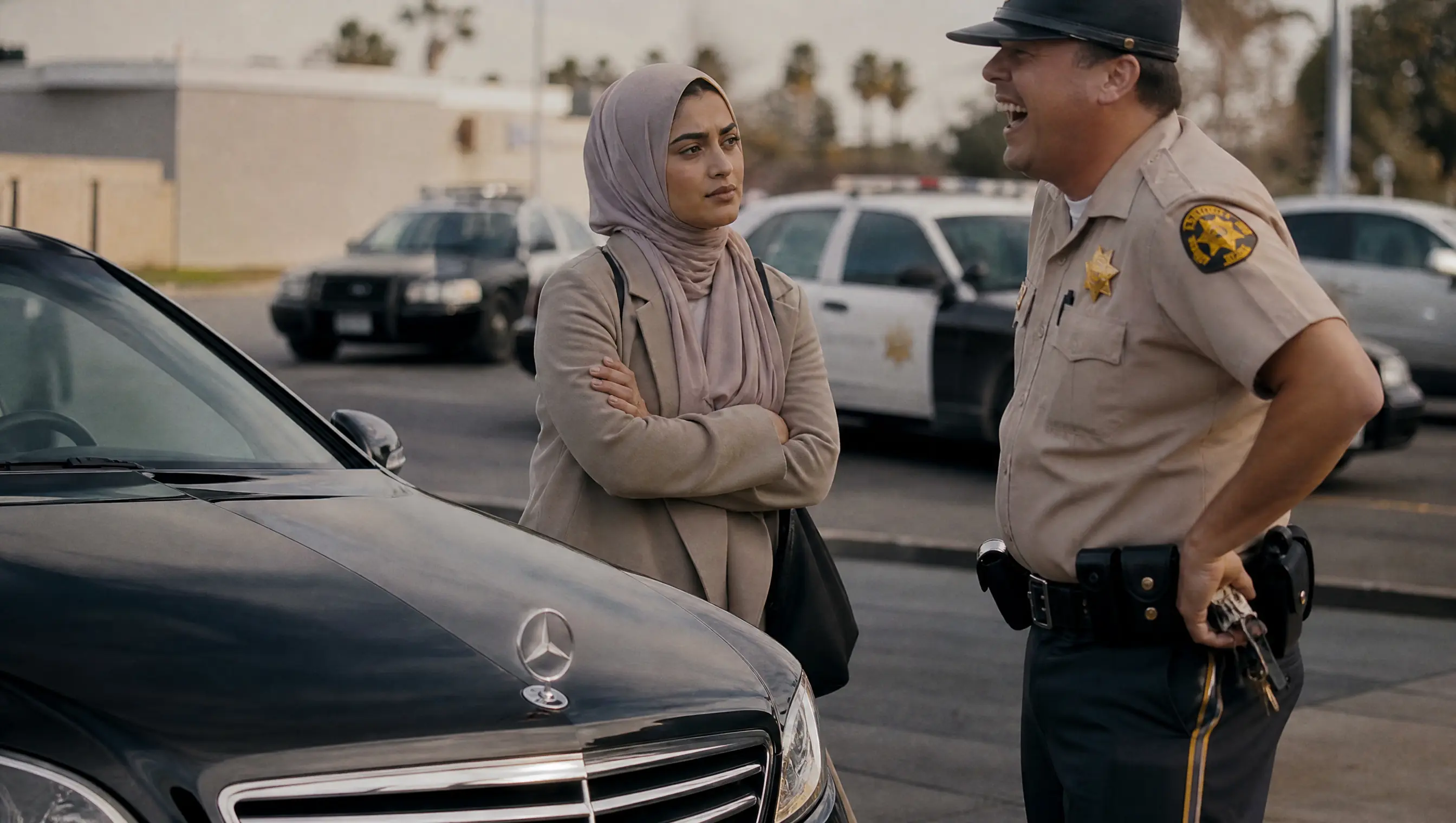
She smiled despite herself. She remembered Captain Bautista: a compact Filipino man in his late fifties with reading glasses on a cord around his neck and a habit of offering every pilot a cup of instant coffee so strong it could strip paint. He had brought the Corvina Star up the channel in June through a morning fog so thick that they had passed a moored barge at two hundred feet and never seen it, only watched it slide by on the radar like a ghost, and he had not once raised his voice.
"What are his lines like?"
"He says he's got twelve out and the constant-tension winches are already working. He wants off that dock before the front hits. Wind's going to come straight off the land and he's a sail with an engine in it. If he's still on the berth when it hits, he doesn't like his chances. Neither do I. Tugs are Evangeline and Bayou Rose, they're coming up from the lower basin now. Gulfline's ops says gate two is open for you. You can make it by six-forty if you leave now."