The order came up the hill at twenty minutes past three on the fourteenth of November, 1879, in the hand of a Signal Corps orderly who had run the whole way from the telegraph office and arrived at the stables with his cap in his fist and no breath left to say what he had.
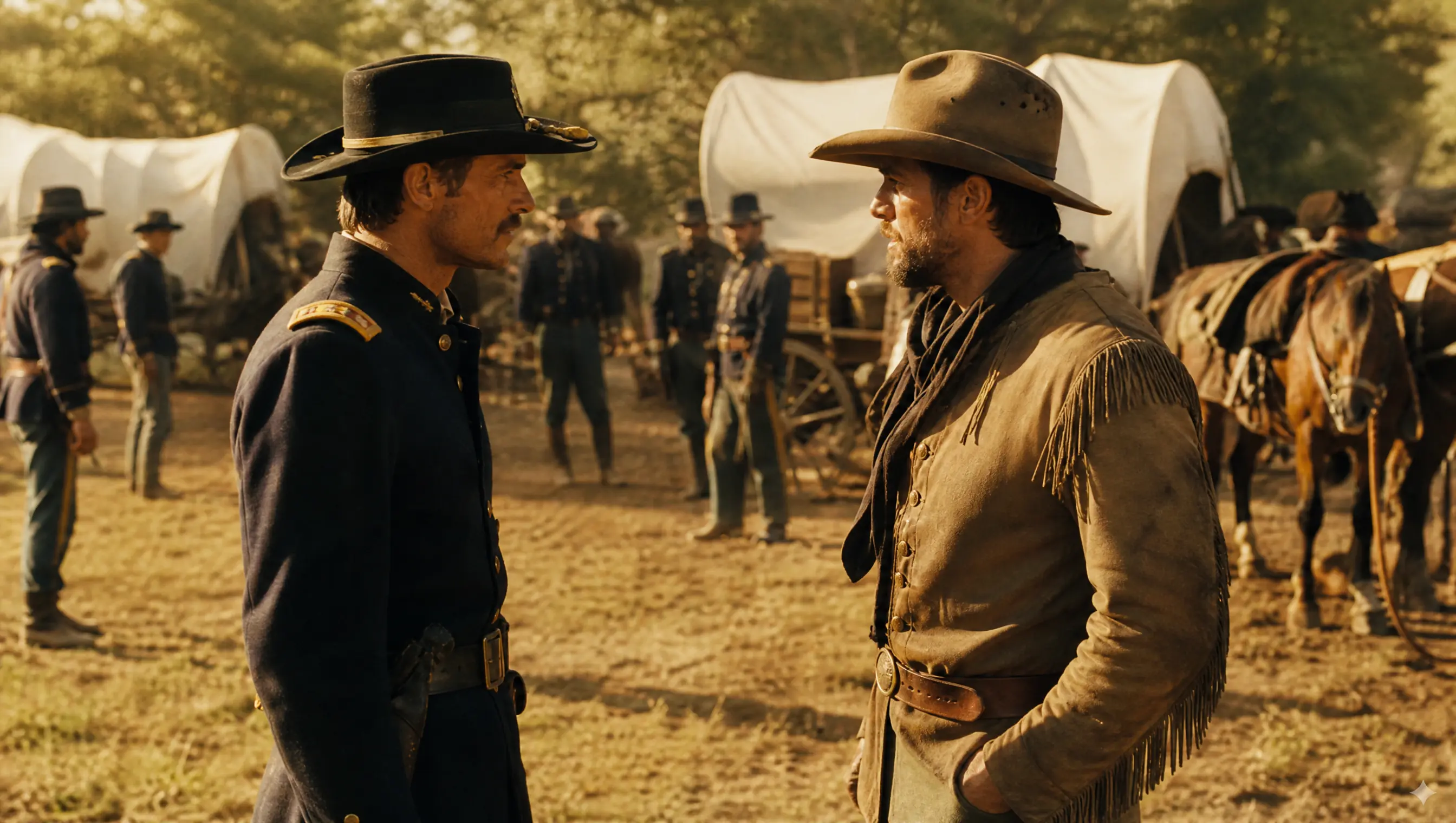
First Lieutenant Jonas Larrabee, Second Cavalry, was standing in the straw of the third stall with his hand inside the near forefoot of a sorrel gelding named Gallatin, feeling for heat. The farrier thought it was a stone bruise and the stable sergeant thought it was thrush, and Larrabee, who had been a cavalry officer for eight years and still trusted nobody's opinion about a horse's foot but his own, had come down to settle it. It was a bruise. He set the foot down and wiped his fingers on his trousers and turned to the boy in the doorway.
"Breathe first," he said. "Then talk."
"Lieutenant Gaskell's compliments, sir," the orderly said, breathing badly. "And will you come to the adjutant's office directly. There's a wire from Keogh. He says directly, sir. He said it twice."
Larrabee looked at the light in the stable door. It was the thin, cold, coppery light of a Montana afternoon in November, already sliding, already more yellow than white, and it lay along the floor of the aisle in a long slab with the dust standing in it. He had perhaps an hour and twenty minutes of it left. He knew that because he had been watching it go every afternoon for two years, and because nobody on the Bighorn ever forgot, from October to March, where the sun was.
"Tell the farrier poultice and rest," he said to the stable sergeant. "Bran mash tonight. No hay detail tomorrow." Then he took his gauntlets off the nail and went out.
Fort Custer sat on a high bench above the place where the Little Bighorn ran into the Bighorn, and in the two years since the Eleventh Infantry had come up the river on the steamboats and begun building it, it had grown from a camp of tents and dugouts into something that looked, from a distance, like a town somebody meant to keep. Frame barracks stood along the east side of the parade, still smelling of green pine, and officers' quarters along the west, each with a porch and a picket fence and a garden gone brown in the frost. The flagstaff stood in the center with the garrison flag snapping straight out to the southeast, because the wind on that bench came from the northwest nine days in ten. Beyond the parade the land fell away to the river bottoms and the bare silver cottonwoods, and then rose again, tawny and enormous, to the Bighorn Mountains in the south, white now down to the timber.
The adjutant's office was a frame room on the end of the headquarters building with a stove in the corner and a long table covered with papers held down by stones from the river. Philo Gaskell was standing behind the table when Larrabee came in, and he did not sit down, which Larrabee noticed. Gaskell was forty-three, the oldest first lieutenant in the regiment, a lean, gray-mustached man with a stiff right leg from a minie ball at Franklin. He had been brevetted lieutenant colonel of volunteers by the end of the war, and when the army was cut down in 'sixty-nine he had taken a first lieutenancy in the regulars rather than go home to Indiana, and he had been a first lieutenant ever since. There were boys in the regiment who had been in short trousers at Franklin and were now senior to him on the list. He did not speak of it. He was post adjutant and acting assistant quartermaster both, because he was the only man on the post who could keep a property return in balance.